
The question of the legality of the death penalty in Texas is one that elicits strong opinions and is a subject of ongoing debate. However, from a legal standpoint, the answer is unequivocally yes. The death penalty, also known as capital punishment, remains a legal and active form of punishment in the state. This enduring practice is deeply woven into the fabric of Texas jurisprudence, reflecting a long-standing tradition of severe penalties for certain egregious crimes. Understanding the nuances of its application, the legal framework that governs it, and the broader societal implications is crucial for comprehending its place in the Texan legal system.
Historical Context and Legal Framework
The death penalty has a lengthy and complex history in the United States, and Texas has consistently been one of the most active states in its application. Following the Supreme Court‘s landmark decision in Furman v. Georgia in 1972, which temporarily halted executions nationwide due to concerns about arbitrary and capricious sentencing, many states, including Texas, revised their capital punishment statutes.
In 1976, the Supreme Court ruled in Gregg v. Georgia that the death penalty itself was not unconstitutional, provided that states implemented safeguards to ensure fair and consistent application. Texas responded by enacting new capital punishment laws that were designed to meet these constitutional requirements. These revised laws introduced bifurcated trials, where guilt is determined in the first phase, and sentencing, including the possibility of the death penalty, is considered in a second phase. This structure allows juries to consider aggravating factors (circumstances that make the crime more severe) and mitigating factors (circumstances that may lessen the defendant’s culpability) before deciding on a sentence.
The Texas Code of Criminal Procedure outlines the specific offenses that can be considered capital felonies, which are those punishable by death or life imprisonment. These typically include aggravated murder, murder committed during the commission of another felony (such as robbery or rape), murder of a police officer, and murder for hire. The definition of capital murder in Texas is quite broad, contributing to the state’s high number of death sentences and executions.
The Process of Capital Sentencing
The path to a death sentence in Texas is a protracted legal journey, involving multiple stages and appeals.
Trial Phase
The trial for a capital offense begins with the selection of a jury. In Texas, potential jurors in capital cases are subject to a process known as “death qualification.” This means that individuals who have moral or religious objections to the death penalty and would be unable to impose it under any circumstances can be excluded from serving on the jury. This practice has been a subject of legal challenge but has been upheld by the Supreme Court.
The trial itself is divided into two distinct phases:
- Guilt/Innocence Phase: The jury hears evidence presented by both the prosecution and the defense to determine whether the defendant is guilty of the capital offense as charged.
- Sentencing Phase: If the jury finds the defendant guilty of a capital felony, the trial moves to the sentencing phase. In this phase, the jury hears additional evidence concerning aggravating and mitigating factors. The prosecution will present evidence of aggravating factors, which are circumstances that increase the severity of the crime and justify a death sentence. The defense will present mitigating factors, which are circumstances that may reduce the defendant’s blameworthiness or argue for a sentence of life imprisonment.
Jury Deliberations and Sentencing
In the sentencing phase, the jury in Texas must answer specific questions, often referred to as “special issues,” which are designed to determine the defendant’s future dangerousness and moral culpability. These issues typically revolve around:
- Whether the defendant acted deliberately and with the reasonable expectation that their actions would result in the death of the victim.
- Whether there is a probability that the defendant would commit criminal acts that would constitute a continuing threat to society.
- In certain cases, whether the defendant’s actions were unreasonably provoked.
If the jury unanimously answers “yes” to the first two issues (or other relevant questions as defined by statute), the sentence must be death. If the jury cannot reach a unanimous decision on these questions, the judge must impose a sentence of life imprisonment without the possibility of parole.
Appeals and Post-Conviction Review
Once a death sentence is imposed, the case automatically enters a rigorous and lengthy appeals process. This process involves multiple levels of review by state and federal courts.
- State Appellate Courts: The case is first appealed to the Texas Court of Criminal Appeals, the highest criminal court in the state. This court reviews the trial record for any legal errors that may have occurred.
- Federal Habeas Corpus: If the appeals in the state courts are unsuccessful, the defendant can file a petition for a writ of habeas corpus in federal court. This process allows federal courts to review the legality of the state court proceedings and ensure that the defendant’s constitutional rights were not violated. This stage can involve multiple appeals through the federal district courts and circuit courts of appeals, potentially reaching the United States Supreme Court.
This extensive review process is intended to provide a safeguard against wrongful convictions and ensure that the death penalty is applied fairly and justly. However, it also means that years, often decades, can pass between the imposition of a death sentence and its execution.
Execution Methods in Texas
Texas has historically utilized several methods of execution throughout its history. Currently, the state’s primary method of execution is lethal injection.
Lethal Injection
Lethal injection was first introduced in Texas in 1982, replacing the electric chair. The process typically involves the administration of a sequence of drugs designed to induce unconsciousness, paralysis, and ultimately cardiac arrest. Texas has used various drug protocols over the years, a subject that has itself been a source of legal challenges and public scrutiny due to concerns about the availability of necessary drugs, the pain and suffering of inmates, and the constitutionality of the procedures.
The typical lethal injection protocol in Texas involves three drugs:
- A barbiturate: Such as Midazolam or Pentobarbital, to induce unconsciousness.
- A paralytic agent: Such as Rocuronium bromide, to stop breathing and muscle movement.
- A potassium chloride solution: To stop the heart.
The debate surrounding lethal injection often centers on the potential for botched executions, where the drugs may not be administered correctly or may be ineffective, leading to prolonged suffering for the condemned inmate.
Historical Methods
While lethal injection is the current standard, Texas has previously employed other methods. The electric chair was the primary method of execution from 1924 until it was replaced by lethal injection. Other methods used historically in Texas include hanging and the firing squad, though these are no longer in use.
Arguments For and Against Capital Punishment
The death penalty in Texas is a contentious issue, with passionate arguments on both sides.
Arguments in Favor
Proponents of capital punishment in Texas often cite several key arguments:
- Deterrence: The belief that the death penalty deters others from committing similar heinous crimes. While empirical evidence on deterrence is debated, proponents argue that the ultimate punishment serves as a unique and powerful deterrent.
- Retribution: The principle of “an eye for an eye,” where the death penalty is seen as a just punishment for the most heinous offenses, providing a sense of justice and closure for victims’ families.
- Incapacitation: The death penalty permanently incapacitates convicted murderers, ensuring they can never harm anyone again.
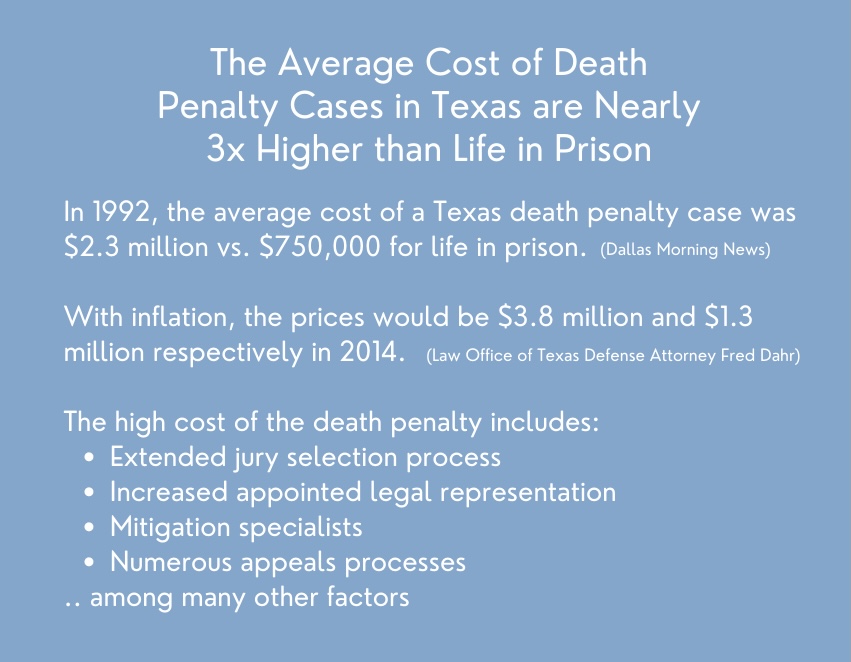
- Cost Savings: Some argue that while the appeals process is costly, ultimately executing a prisoner is less expensive than housing them for life. However, numerous studies have shown the opposite to be true, with death penalty cases being significantly more expensive due to the extensive legal processes involved.
Arguments Against
Opponents of capital punishment in Texas raise significant concerns:
- Risk of Executing the Innocent: The irreversible nature of the death penalty means that a wrongful execution can never be undone. Texas has seen several individuals released from death row due to evidence of their innocence, raising serious questions about the fallibility of the justice system.
- Moral and Ethical Objections: Many oppose the death penalty on moral or religious grounds, arguing that it constitutes cruel and unusual punishment and that the state should not have the power to take a human life.
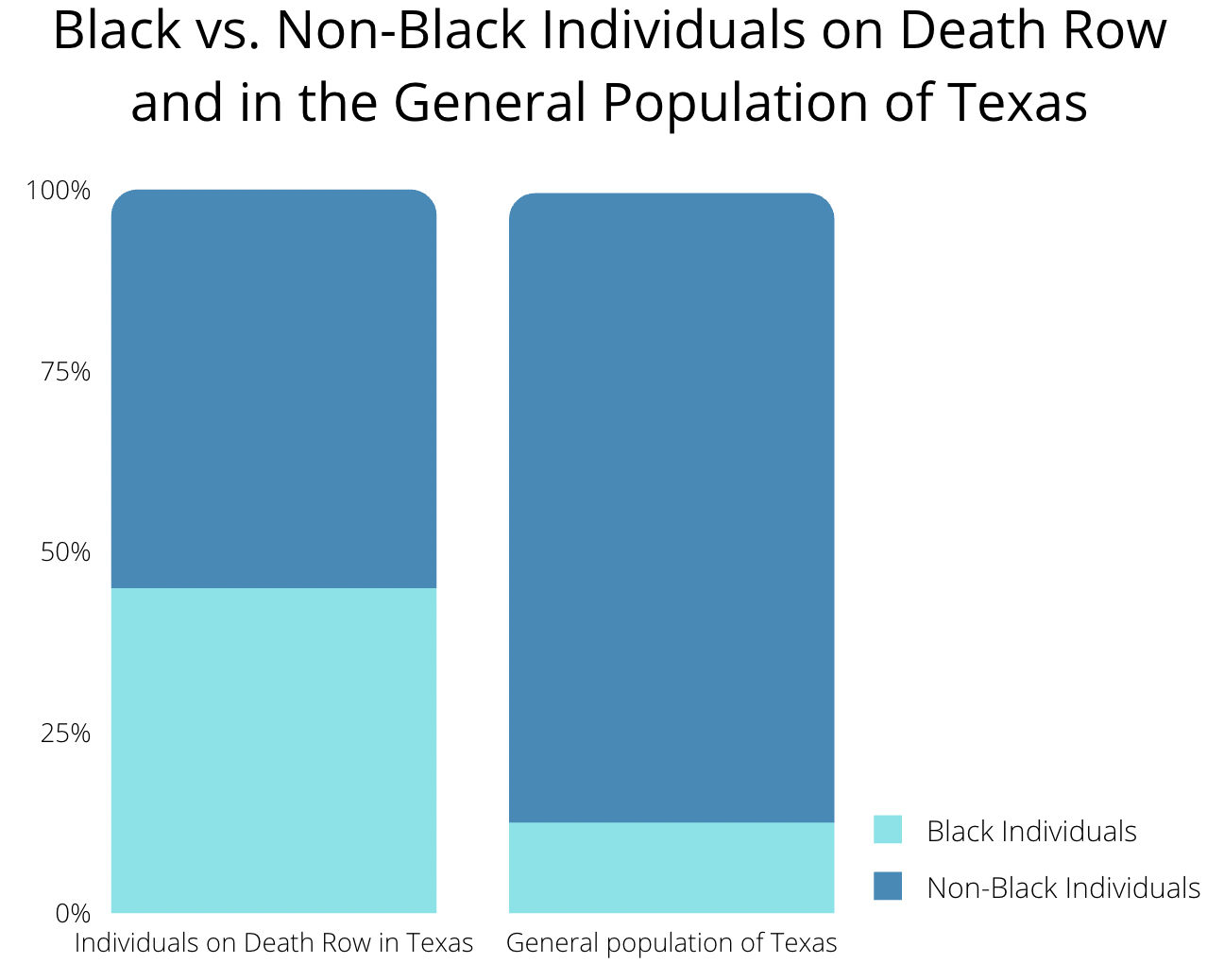
- Disproportionate Application: Critics argue that the death penalty is disproportionately applied based on race, socioeconomic status, and the quality of legal representation, suggesting systemic bias within the justice system.
- Ineffectiveness as a Deterrent: Many studies have failed to demonstrate a statistically significant deterrent effect of the death penalty compared to life imprisonment.
- High Costs: The extensive legal procedures, appeals, and specialized legal representation required for capital cases make them substantially more expensive than life imprisonment cases.
Conclusion
In Texas, the death penalty remains legal and is an active component of the state’s criminal justice system. The legal framework governing capital punishment is complex, involving strict procedures, extensive appeals, and ongoing debates about its fairness, efficacy, and morality. While Texas continues to carry out executions, the practice remains a deeply divisive issue, reflecting a broader national conversation about justice, punishment, and the role of the state in taking human life. The legal landscape surrounding capital punishment is constantly evolving, with legal challenges and societal perspectives continuing to shape its future.
LifeOutOfTheBox is a participant in the Amazon Services LLC Associates Program, an affiliate advertising program designed to provide a means for sites to earn advertising fees by advertising and linking to Amazon.com. Amazon, the Amazon logo, AmazonSupply, and the AmazonSupply logo are trademarks of Amazon.com, Inc. or its affiliates. As an Amazon Associate we earn affiliate commissions from qualifying purchases.