
For individuals looking to relocate to the Silver State, understanding the fiscal landscape is a crucial step in the planning process. While many are drawn to Nevada for its vibrant lifestyle, entertainment, and absence of a state income tax, property taxes remain a foundational consideration for homeowners. Because Nevada operates differently from many other states in the U.S., grasping how these taxes are assessed and calculated can significantly influence your budget and long-term financial strategy.
The Nevada Property Tax Advantage
One of the most appealing aspects of living in Las Vegas, Reno, or the charming town of Henderson is the state’s relatively low property tax burden. Nevada consistently ranks among the states with the lowest property tax rates in the nation. This is largely by design; the state government prioritizes attracting residents and businesses through a tax-friendly environment that keeps the cost of homeownership manageable.
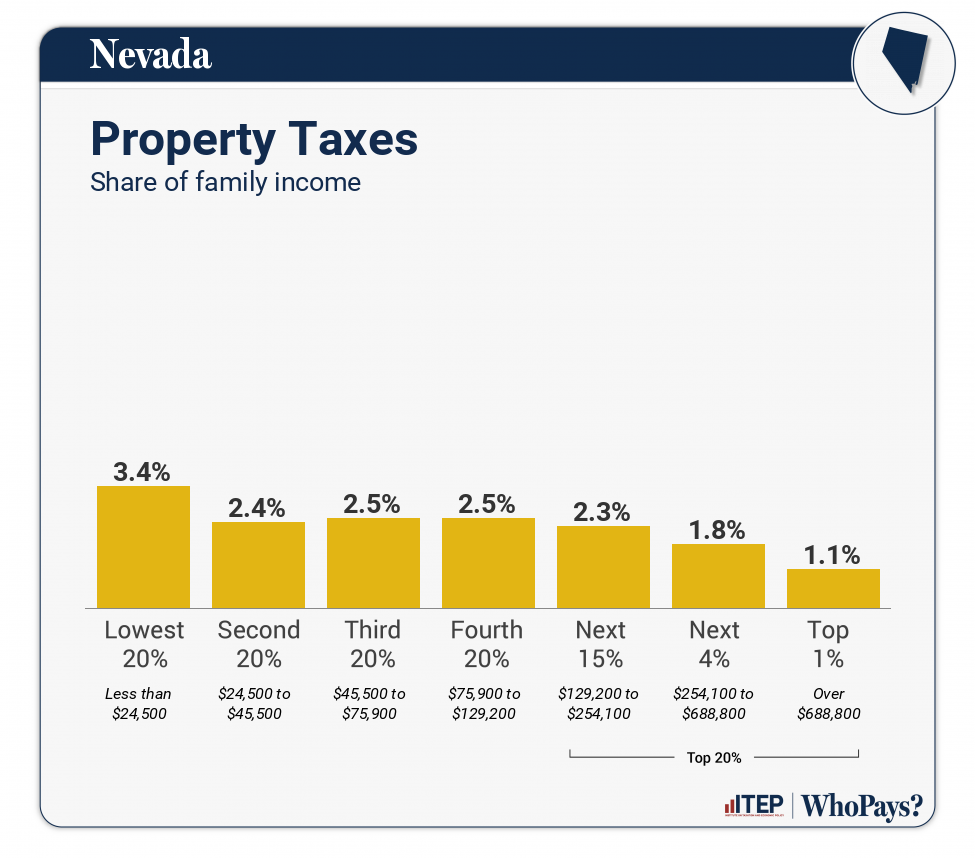
How Property Tax Rates Are Calculated
In Nevada, property taxes are not calculated based on a flat statewide percentage. Instead, the rate is determined by the specific tax district where the property is located. Each county—such as Clark County or Washoe County—has an assessor’s office that determines the taxable value of a property. This value is typically 35% of the property’s “taxable value,” which considers the replacement cost of improvements and the land value, rather than just the market price.
Because of this 35% assessment ratio, even when a home’s market value fluctuates significantly due to a hot real estate market, the taxable basis remains somewhat insulated. This mechanism prevents the “tax shock” that homeowners in other states might experience after a period of rapid home price appreciation.
The Role of Tax Caps
A critical component of Nevada’s tax system is the Abatement Act. To protect homeowners from sharp increases in property tax bills, Nevada law caps the amount that property taxes can rise each year. For owner-occupied primary residences, the tax increase is generally capped at 3% annually. For rental properties, commercial properties, and secondary homes, the cap is slightly higher at 8%. This predictability allows residents to plan their finances with a high degree of confidence, knowing that their property tax obligation will not spike uncontrollably year after year.
Comparing Regional Tax Burdens
While the state average is low, it is helpful to look at how different regions within the state compare. Tax districts are composed of various jurisdictions, including school districts, fire districts, and municipal governments, each of which levies a specific rate to fund local services.
Urban Centers and Tax Variability
In major hubs like North Las Vegas or Carson City, you might find slight variations in the mill rate compared to more rural areas. However, these differences are usually minor compared to the disparities seen between different states. The primary driver of the tax rate is the budget requirements of the local school district and municipal infrastructure projects. Despite these variations, Nevada’s structure remains highly competitive for anyone considering a move to the American West.
Rural Perspectives
If you are considering a property in more secluded areas, such as near Lake Tahoe or Elko, you will find that the property tax assessment process remains identical to that of the cities. However, the total mill rate might differ based on the services provided by the county. Residents in these areas often enjoy lower overall property tax totals simply because the services required—such as police, fire, and public schooling—are supported by a smaller local government apparatus.

Factors Influencing Your Tax Bill
Understanding the math behind your tax bill is only part of the equation. To truly understand how much you will pay, you must look at how assessments are conducted and how exemptions are applied.
The Assessment Process
Every year, the county assessor evaluates properties. In Nevada, this is not merely a “guessing game” of what a house might sell for on the open market. Assessors use a systematic approach that looks at the physical characteristics of your home, recent improvements, and the land value. If you make significant upgrades to your property, such as building a pool or adding a square footage expansion, you can expect the taxable value of your home to rise accordingly.
Available Exemptions
Nevada offers several exemptions that can lower the final tax bill for qualifying individuals. These include:
- Veterans’ Exemptions: Many veterans of the U.S. military qualify for property tax exemptions that can be applied to their primary residence.
- Disabled Veterans’ Exemptions: Individuals with service-connected disabilities may be entitled to larger exemptions.
- Surviving Spouse Exemptions: Widows or widowers of qualifying veterans may also receive tax benefits.
- Blind Persons’ Exemptions: Individuals who are legally blind may qualify for a modest reduction in their taxable assessment.
It is highly recommended that new homeowners consult the county assessor’s website to ensure they are taking advantage of any exemptions for which they are eligible. Failing to file the necessary paperwork can result in paying more than necessary.
Financial Planning for Future Homeowners
When calculating the cost of a mortgage in Summerlin or any other neighborhood, prospective buyers often focus solely on the principal and interest. However, property taxes and insurance are critical components of the monthly payment, often held in an escrow account by the mortgage lender.
The “Tax-Free” Appeal
Because there is no state income tax in Nevada, homeowners often find that their total tax burden is significantly lower than in high-tax states like California or New York. When performing a cost-benefit analysis of a relocation, it is essential to look at the “total cost of living.” For many families, the savings achieved by the lack of income tax more than compensates for the modest annual property tax payments.
Budgeting for Stability
Because of the 3% cap for primary residences, property taxes in Nevada are exceptionally stable. This is a significant advantage for retirees on fixed incomes or young families working toward long-term savings goals. Unlike some states where property taxes are essentially “rent” to the local government that can increase drastically with market trends, Nevada allows you to lock in a predictable cost structure.

Final Considerations
Before finalizing a home purchase, always review the tax history of the specific parcel you are considering. Most county websites provide a search tool where you can input an address and view the actual tax history for the past several years. This gives you a clear indication of how the taxes have trended and provides a reliable baseline for what you can expect to pay moving forward.
While Nevada offers a tax-advantaged lifestyle, always verify your specific tax district details. Whether you are moving for the sunshine, the business opportunities, or the proximity to iconic landscapes like Red Rock Canyon, being informed about your tax obligations ensures that your transition is as smooth and fiscally responsible as possible. By leveraging the state’s assessment caps and understanding the localized nature of the tax rates, you can enjoy all that this unique state has to offer while keeping your housing costs firmly under control.
LifeOutOfTheBox is a participant in the Amazon Services LLC Associates Program, an affiliate advertising program designed to provide a means for sites to earn advertising fees by advertising and linking to Amazon.com. Amazon, the Amazon logo, AmazonSupply, and the AmazonSupply logo are trademarks of Amazon.com, Inc. or its affiliates. As an Amazon Associate we earn affiliate commissions from qualifying purchases.