
Navigating the vibrant metropolis of New York City often conjures images of iconic skyscrapers, bustling streets, and world-class entertainment. However, for any visitor or even a seasoned resident, understanding the practicalities of getting around is paramount. At the heart of this urban transit ecosystem lies the Metropolitan Transportation Authority (MTA), the entity responsible for the city’s extensive subway system. The question of “How much are subways in New York?” is not just about a single fare; it’s a gateway to understanding the various payment methods, pass options, and the overall value proposition of utilizing this indispensable service. This article delves into the current fare structure, explores cost-saving strategies, and offers insights into making your subway journeys both affordable and efficient.

Understanding the Current Subway Fare Structure
The primary way to pay for a single subway ride in New York City is through a MetroCard or, increasingly, with OMNY, the contactless payment system. The fare is designed to be simple for a single journey, but the nuances emerge when considering frequent use and different rider profiles.
The Standard Single Ride Fare
As of the latest updates, a single subway ride using either a MetroCard or OMNY costs a fixed amount. This fare grants you access to the subway system for one complete trip, regardless of the distance traveled. It’s important to note that transfers between subway lines are generally included in this fare, allowing you to seamlessly switch trains to reach your desired destination within the system. For those planning only a handful of rides during their visit, this single-fare option is the most straightforward.
The MetroCard: A Traditional Payment Method
The traditional way to pay for subway and bus rides in New York City has been the MetroCard. These plastic cards can be purchased at vending machines located in every subway station. You can load them with either a “Pay-Per-Ride” amount or an “Unlimited Ride” option. For the “Pay-Per-Ride” option, you can add any amount you choose, and each ride will deduct the standard fare. There are also some benefits associated with adding a certain amount to a MetroCard, such as a small bonus fare, which effectively gives you a slight discount per ride when you load larger sums. Vending machines typically accept cash, credit cards, and debit cards.
OMNY: The Contactless Future
OMNY (One Metro New York) is the MTA’s modern contactless fare payment system. It allows riders to tap their contactless credit or debit card, smartphone, or wearable device directly at the turnstile. This system aims to streamline the boarding process and eliminate the need for physical MetroCards for many users. The fare charged through OMNY for a single ride is identical to the MetroCard fare.
The OMNY Fare Capping System
A significant advantage of using OMNY for your rides is its fare capping system. If you use the same contactless payment method (your specific credit card, phone, or device) to pay for multiple rides within a seven-day period, OMNY will automatically cap your spending. Once your total spending reaches the equivalent of a 7-Day Unlimited Ride MetroCard, any subsequent rides within that seven-day period will be free. This offers a built-in discount for frequent riders without requiring them to pre-purchase an unlimited pass. The seven-day period begins on the first day you use OMNY.
Exploring Unlimited Ride Options and Savings
For visitors planning extensive exploration of New York City or for residents who rely on public transit daily, unlimited ride options offer significant cost savings. These passes provide a set period of access to the subway and local buses without per-ride charges.
The 7-Day Unlimited Ride MetroCard
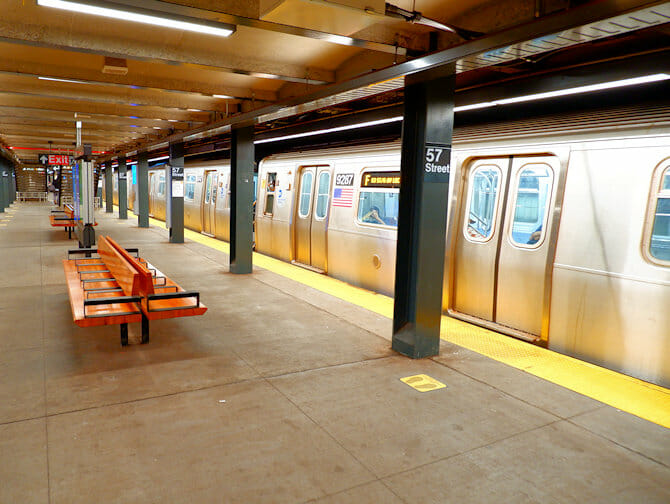
The 7-Day Unlimited Ride MetroCard provides unlimited subway and local bus rides for seven consecutive days. This pass is particularly valuable if you anticipate taking more than the equivalent number of rides that would justify its cost. The convenience of not having to worry about individual fares allows for more spontaneous travel and exploration. It’s a popular choice for tourists who want to see multiple attractions like the Statue of Liberty, explore neighborhoods like Greenwich Village, or visit museums along Museum Mile. You can purchase these at MetroCard vending machines.
The 30-Day Unlimited Ride MetroCard
For longer stays or for individuals who consider the subway their primary mode of transportation for an extended period, the 30-Day Unlimited Ride MetroCard offers a cost-effective solution. Similar to the 7-day pass, it allows for unlimited subway and local bus rides for a full month. This is ideal for those on extended business trips, students, or anyone settling in the city for a significant duration. The per-day cost of this pass is considerably lower than the 7-day option, making it the most economical choice for heavy users.
Comparing Unlimited Passes and OMNY Capping
When deciding between the unlimited MetroCards and the OMNY fare capping system, it’s essential to estimate your expected usage. If you plan to use the subway extensively for at least five to six days within a week, the 7-Day Unlimited Ride MetroCard is likely to be the most cost-effective. However, if your travel patterns are more sporadic, or if you prefer the flexibility of paying as you go with the added benefit of automatic capping, OMNY presents a compelling alternative. The OMNY system effectively provides a 7-Day Unlimited Ride for free once you hit the cap, making it a smart choice for those who might not use the subway enough to justify a full seven days but still benefit from the savings. For monthly usage, the 30-Day Unlimited Ride MetroCard remains the benchmark for significant savings.
Additional Costs and Considerations
Beyond the base fare, there are a few other aspects to consider when budgeting for subway travel in New York City. These include initial purchase costs for cards and potential surcharges.
MetroCard Purchase Fee
When you purchase a new MetroCard (both “Pay-Per-Ride” and “Unlimited Ride” options), there is a small purchase fee for the card itself, unless you are refilling an existing card. This fee is a one-time charge added to your initial purchase. This is a minor cost but worth factoring into your budget, especially if you are only planning a few rides and need to buy a new card.
Reduced Fare Programs
The MTA offers reduced fare programs for eligible individuals, including seniors (65 and over) and people with disabilities. These programs allow qualified individuals to purchase MetroCards or use OMNY with a significantly lower fare. To access these benefits, individuals typically need to apply for and obtain a specific Reduced-Fare MetroCard or register for the OMNY reduced-fare program, which requires proof of eligibility. These programs are crucial for ensuring accessibility and affordability for all New Yorkers and visitors who qualify.
The Value of Subway Travel
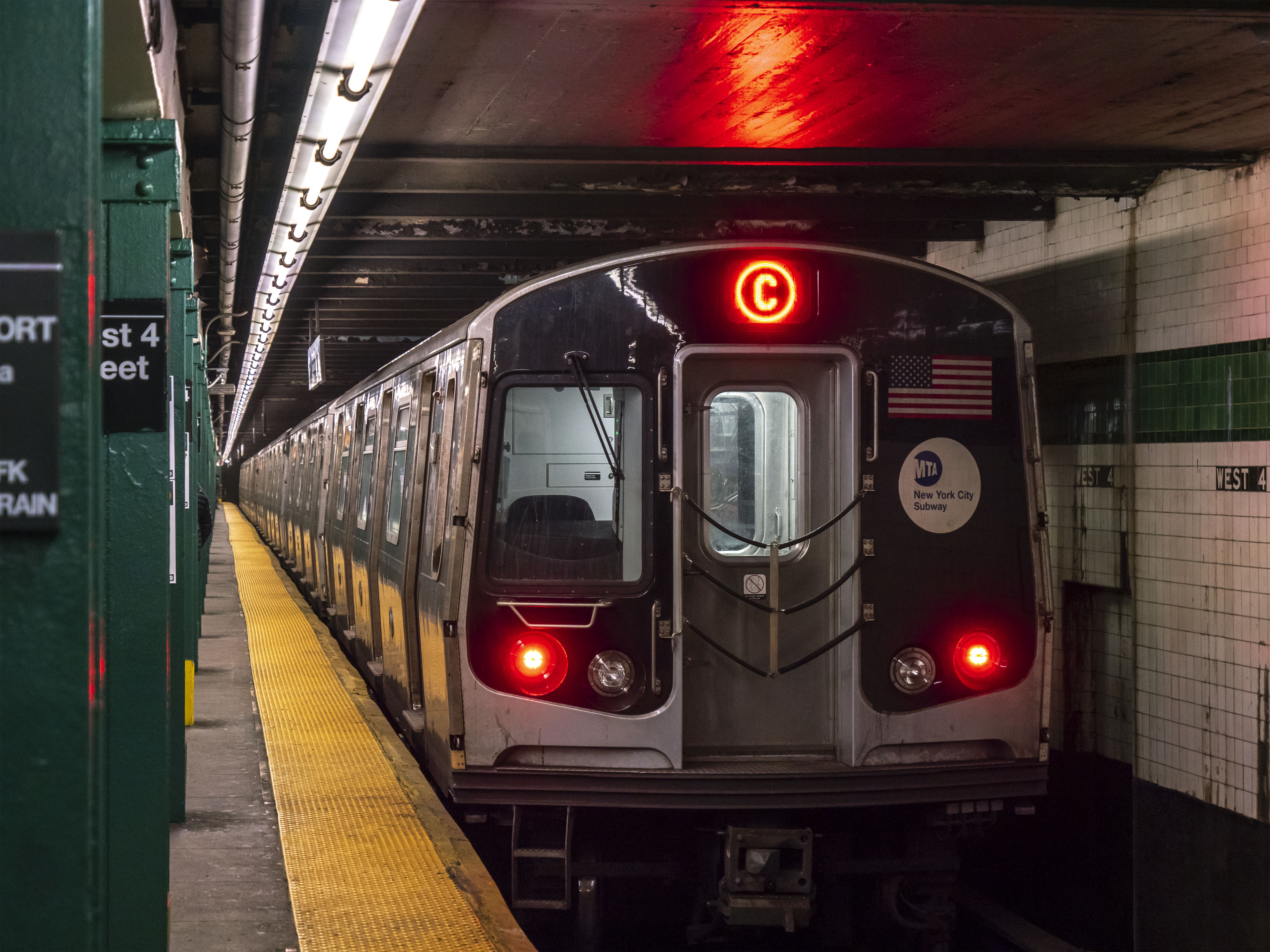
While the question of “How much are subways in New York?” focuses on monetary cost, it’s also important to consider the immense value. The New York City Subway system is one of the most extensive and busiest public transit networks in the world, operating 24 hours a day, 7 days a week. It provides access to nearly every corner of the five boroughs, from the historic sites of Manhattan to the beaches of Queens and the neighborhoods of Brooklyn and the Bronx. For tourists, it’s an essential tool for experiencing the city like a local, avoiding expensive taxi or rideshare fares, and navigating the urban labyrinth efficiently. For residents, it is the lifeline that connects them to work, education, and social activities. The fares, while subject to change, represent a remarkably affordable way to access a vast and dynamic city. Understanding the fare options and utilizing them wisely ensures that your journey through New York City is not only seamless but also budget-friendly.
LifeOutOfTheBox is a participant in the Amazon Services LLC Associates Program, an affiliate advertising program designed to provide a means for sites to earn advertising fees by advertising and linking to Amazon.com. Amazon, the Amazon logo, AmazonSupply, and the AmazonSupply logo are trademarks of Amazon.com, Inc. or its affiliates. As an Amazon Associate we earn affiliate commissions from qualifying purchases.