
Navigating the complexities of airline baggage fees can often feel like solving a puzzle, especially when planning a trip with a specific budget in mind. For travelers choosing Alaska Airlines, understanding the precise costs associated with checked luggage is crucial for a smooth and stress-free journey. Alaska Airlines has a clear, albeit tiered, system for baggage fees, influenced by factors such as the number of bags, their weight and size, your loyalty status, and even the type of credit card you use. This comprehensive guide will break down everything you need to know about checking a bag on Alaska Airlines, offering insights and strategies to manage these costs effectively.

Understanding Alaska Airlines’ Standard Checked Bag Fees
Baggage fees are a standard revenue stream for airlines, designed to cover the operational costs associated with handling luggage, from ground crew salaries to fuel consumption. For Alaska Airlines, these fees are structured to be straightforward for most domestic and international flights within North America. The critical factors determining your standard checked bag fee are primarily the sequence of the bag (first, second, third, etc.) and whether you prepay or pay at the airport.
Current Fee Structure for Standard Bags
Alaska Airlines generally applies the following fee structure for standard checked bags, subject to change and specific route variations:
- First Checked Bag: Expect to pay approximately $35. This fee applies to your first checked piece of luggage, assuming it meets the standard weight and size requirements.
- Second Checked Bag: The fee for your second checked bag typically increases to around $45. This incremental increase encourages travelers to pack more efficiently or consider carrying on items if possible.
- Third and Subsequent Checked Bags: For a third checked bag and any additional pieces beyond that, the fee can jump significantly, often around $150 per bag. This steep increase is a clear incentive to consolidate your belongings or ship non-essential items separately.
It’s vital to note that these fees are generally assessed per bag, per direction. So, a round-trip journey with two checked bags will incur fees four times (twice for the outbound, twice for the return).
Standard Dimensions and Weight Limits
Beyond the number of bags, their physical attributes play a significant role in determining whether they qualify for standard fees or incur additional surcharges.
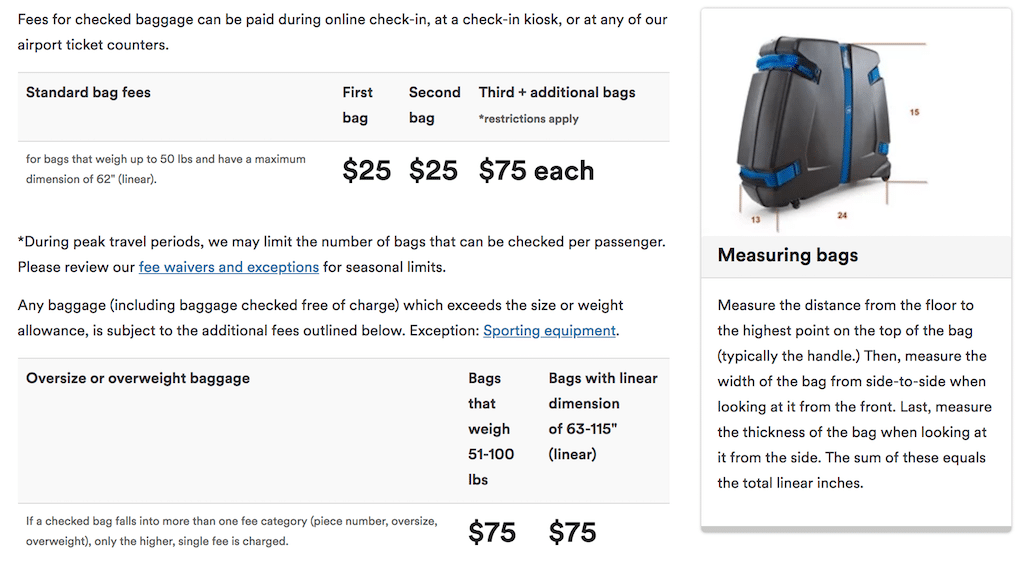
- Weight Limit: Each standard checked bag must not exceed 50 pounds (23 kg). Bags weighing over this limit will be subject to overweight baggage fees, which we will discuss in detail later.
- Size Limit: The maximum linear dimensions (length + width + height) for a standard checked bag are 62 inches (157 cm). Bags exceeding this measurement will be considered oversized and incur additional charges.
Adhering to these limits is paramount to avoiding unexpected costs at the airport. It’s always advisable to weigh and measure your bags at home before heading to the airport.
When to Pay Your Baggage Fees
Alaska Airlines offers several options for paying your baggage fees, each with its own advantages:
- Online or Via the Alaska Airlines App: Prepaying for your checked bags online during check-in or through the mobile app is often the most convenient method. While Alaska Airlines typically doesn’t offer a discount for online prepayment, it streamlines the airport experience, allowing you to bypass the ticket counter lines if you only have checked bags.
- At the Airport: You can pay for your checked bags at the airport self-service kiosks or at the ticket counter. While convenient for those who decide last-minute to check a bag, it can add time to your check-in process, especially during peak travel periods.
While the fee might be the same, the ease and speed of pre-paying online can be a significant benefit, reducing stress on travel day.
Strategies to Minimize Alaska Airlines Baggage Costs
The good news is that there are several effective strategies to reduce or even completely waive Alaska Airlines baggage fees. By understanding and leveraging these options, you can significantly cut down your travel expenses.
Loyalty Programs and Elite Status
Alaska Airlines’ Mileage Plan is a highly rewarding loyalty program that offers substantial benefits to frequent flyers, including complimentary checked bags.
- MVP® Status: Members with MVP® status receive two free checked bags.
- MVP® Gold and MVP® Gold 75K Status: These higher tiers entitle members to three free checked bags.
- MVP® Gold 100K Status: The top-tier status also provides three free checked bags, along with other premium travel benefits.
These benefits typically extend to companions traveling on the same reservation, making elite status particularly valuable for families or groups. As a member of the Oneworld alliance, Alaska Airlines elite members can also enjoy similar baggage benefits when flying with partner airlines within the alliance.
Leveraging Alaska Airlines Credit Cards
Airline co-branded credit cards are a popular way to unlock perks like free checked bags. The Alaska Airlines Visa Signature® Card is a prime example.
- Alaska Airlines Visa Signature Card: Cardholders typically receive a free first checked bag for themselves and up to six companions traveling on the same reservation. This benefit alone can save a family of four over $280 on a round trip ($35 x 4 bags x 2 ways = $280), easily offsetting the card’s annual fee.
It’s wise to review the current card benefits as they can change periodically.
Military Personnel Benefits
Alaska Airlines offers generous baggage waivers for active-duty U.S. military personnel.
- Active Duty Military: Active members of the U.S. military (including National Guard and Reserve) traveling on orders or for personal reasons generally receive up to five checked bags for free. These bags can be up to 70 pounds (32 kg) each and 62 inches (157 cm) in linear dimensions, offering significant flexibility.
Valid military ID is required at check-in to avail these benefits.
Flying First Class or Business Class
Travelers booking tickets in First Class or Business Class on Alaska Airlines automatically receive complimentary checked bags.
- First Class/Business Class: Passengers in these premium cabins are typically allowed two free checked bags, each up to 50 pounds (23 kg) and 62 inches (157 cm) in linear dimensions. Some specific routes or fare types might offer additional allowances, so always check your ticket details.
Pre-Paying Online
While not always offering a direct discount, pre-paying for your checked bags online or via the Alaska Airlines app can sometimes secure a slightly lower rate compared to paying at the airport counter, particularly for third and subsequent bags. More importantly, it ensures you’re aware of the costs upfront and can streamline your airport experience, saving valuable time.
Navigating Overweight and Oversized Baggage on Alaska Airlines
Beyond the standard fees, exceeding the weight or size limits for your checked bags can lead to significant additional charges. Alaska Airlines enforces these rules strictly, as oversized and overweight items require special handling and can impact aircraft weight and balance.
Overweight Baggage Surcharges
If your bag exceeds the standard 50-pound (23 kg) limit, you will face an overweight fee, even if it’s your first checked bag and would otherwise be free.
- Bags 51 to 70 pounds (23-32 kg): A common fee for bags in this range is around $100.
- Bags 71 to 100 pounds (32-45 kg): For heavier bags, the fee can increase to approximately $150.
- Bags Over 100 pounds (45 kg): Generally, bags exceeding 100 pounds are not accepted as checked luggage due to safety and operational restrictions. In rare cases, exceptions might be made for certain specialized cargo, but this is uncommon for regular passenger baggage.
These fees are in addition to any standard checked bag fees that apply. For instance, if your second bag weighs 60 pounds, you’d pay the second bag fee ($45) plus the overweight fee ($100), totaling $145.
Oversized Baggage Surcharges
Similar to overweight bags, luggage exceeding the linear dimension limit of 62 inches (157 cm) will incur an oversized baggage fee.
- Bags 63 to 80 inches (158-203 cm) in linear dimensions: The typical fee for an oversized bag in this range is around $100.
- Bags Over 80 inches (203 cm): Bags exceeding 80 linear inches are usually not accepted as checked baggage. Special cargo arrangements might be required.
Again, this fee is separate from and in addition to the standard checked bag fee.
The Double Whammy: Overweight AND Oversized
It’s possible for a single bag to be both overweight and oversized. In such scenarios, Alaska Airlines will typically charge both applicable surcharges. For example, a bag that is your first checked bag, weighs 65 pounds, and measures 70 linear inches would incur the first bag fee ($35) + the overweight fee ($100) + the oversized fee ($100), totaling $235. This underscores the importance of adhering to both weight and size limits.
Special Items and Alaska Airlines’ Policies
Travelers often need to transport items that fall outside the standard baggage category, such as sports equipment or musical instruments. Alaska Airlines has specific policies and fees for these items, which often count towards your checked bag allowance but may have their own unique size and weight exemptions or additional charges.
Sports Equipment
Alaska Airlines is generally accommodating towards sports equipment, recognizing the active lifestyles of many of its passengers. Common items like skis, snowboards, golf clubs, and fishing equipment are often accepted as a standard checked bag, counting as one piece of your allowance.
- Weight/Size Exemptions: Many types of sports equipment have slightly relaxed size restrictions (e.g., ski bags often exceed 62 linear inches but are still accepted at standard fees if within weight limits). However, specific weight limits (e.g., 50 lbs or 70 lbs for certain items) still apply.
- Specialty Items: Some specialized items like surfboards, bicycles, or firearms have their own specific handling requirements and potentially higher fees, regardless of their weight or size. It’s crucial to check Alaska Airlines’ dedicated sports equipment page for precise details on your specific item.
Always ensure sports equipment is properly packed in a suitable, protective container to prevent damage.
Musical Instruments
Traveling with musical instruments requires careful planning due to their delicate nature and varying sizes.
- Carry-on: Smaller instruments, such as violins or small guitars, can often be carried onboard as your personal item or carry-on bag if they fit in the overhead bin or under the seat in front of you.
- Checked Baggage: Larger instruments, like cellos or some guitars, may need to be checked. When checked, they are subject to standard baggage fees, overweight/oversized fees, and specific packaging requirements. Alaska Airlines recommends robust, hard-sided cases for protection.
- Purchasing a Seat: For very valuable or delicate large instruments, you might have the option to purchase an additional seat for the instrument in the cabin, provided it meets certain size and weight restrictions.
Medical Equipment and Assistive Devices
Alaska Airlines adheres to regulations concerning medical equipment and assistive devices, which are generally transported free of charge.
- Mobility Aids: Wheelchairs, scooters, walkers, and other mobility aids are typically allowed as checked baggage without charge, often with specific handling procedures.
- Medical Devices: Items like CPAP machines, oxygen concentrators, and portable dialysis machines can often be carried onboard or checked free of charge, provided they meet safety and operational guidelines.
It’s always recommended to contact Alaska Airlines customer service in advance if you plan to travel with specialized medical equipment to ensure a smooth process.
Essential Packing Tips to Avoid Unexpected Fees
Even with all the knowledge about fees, proactive packing can make the biggest difference in your travel budget. A few smart habits can help you avoid those unwelcome surprises at the check-in counter.
Pack Light and Smart
The golden rule of avoiding baggage fees is to pack only what you truly need.
- Roll Your Clothes: This maximizes space and minimizes wrinkles.
- Multi-Use Items: Bring versatile clothing items that can be mixed and matched.
- Wear Bulky Items: Don your heaviest coat, boots, or sweaters on the plane to keep them out of your luggage.
- Consider Laundry: For longer trips, planning to do laundry once or twice can drastically reduce the amount of clothing you need to pack.
Utilize Carry-On Allowance
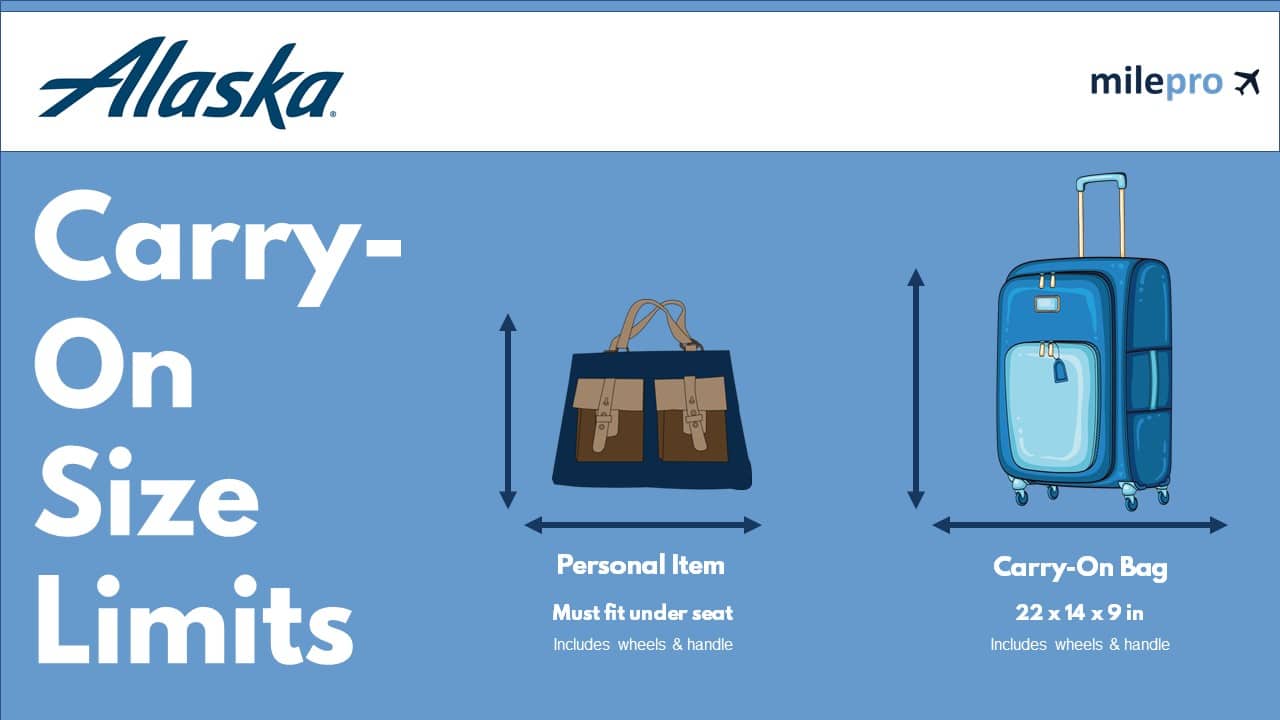
Alaska Airlines allows one carry-on bag and one personal item per passenger free of charge.
- Carry-On Bag: Ensure it fits within the specified dimensions (typically 22″ x 14″ x 9″ including handles and wheels) and can be stowed in the overhead bin.
- Personal Item: This can be a purse, laptop bag, backpack, or briefcasethat fits under the seat in front of you.
Maximize the use of these free allowances for essentials, valuable items, and heavier clothing.
Invest in a Luggage Scale
A portable luggage scale is an inexpensive tool that can save you significant money in overweight baggage fees. Weigh your bags at home before you leave for the airport, giving you time to redistribute items or make tough decisions about what to leave behind.
Consider Shipping for Excess Items
For very heavy, numerous, or awkwardly sized items that don’t need to arrive with you, consider using a shipping service. While it requires planning, shipping can sometimes be more cost-effective than paying multiple oversized or overweight baggage fees, especially for international travel or large quantities of goods.
Review Policies Before Every Flight
Airline baggage policies, including those of Alaska Airlines, can change. Fees can be adjusted, and specific rules for certain items may be updated. Always take a few minutes to check the most current baggage policy on the official Alaska Airlines website before each trip. This proactive step ensures you have the most accurate information and can plan accordingly.
By understanding Alaska Airlines’ baggage policies, strategically leveraging loyalty benefits and credit cards, and employing smart packing techniques, you can confidently navigate checked bag fees and ensure a more economical and enjoyable journey.
LifeOutOfTheBox is a participant in the Amazon Services LLC Associates Program, an affiliate advertising program designed to provide a means for sites to earn advertising fees by advertising and linking to Amazon.com. Amazon, the Amazon logo, AmazonSupply, and the AmazonSupply logo are trademarks of Amazon.com, Inc. or its affiliates. As an Amazon Associate we earn affiliate commissions from qualifying purchases.