
Navigating the vast expanse of Texas can be an exhilarating experience, from the vibrant energy of Austin to the historic charm of San Antonio and the rugged beauty of the Big Bend National Park. Whether you’re on a cross-country road trip, exploring the state’s diverse landscapes, or visiting its renowned attractions, maintaining a mindful approach to driving is paramount. This includes understanding and adhering to the state’s traffic laws, particularly those related to speeding. A speeding ticket in Texas can significantly impact your travel budget, adding unexpected expenses to your journey and potentially affecting your insurance rates. This guide delves into the intricacies of Texas speeding ticket costs, helping you budget wisely and drive safely as you explore the Lone Star State.
Understanding the Factors Influencing Speeding Ticket Costs in Texas
The cost of a speeding ticket in Texas is not a simple, one-size-fits-all figure. Several variables contribute to the final amount you might owe, transforming a seemingly minor infraction into a potentially significant financial burden. Understanding these factors is the first step in appreciating the potential financial impact of a speeding ticket on your travels.
Base Fine Structures
At its core, a speeding ticket’s cost is determined by a base fine set by state law. This fine typically escalates based on how far over the speed limit you were traveling. For instance, a ticket for driving 10 miles per hour over the limit will generally incur a lower fine than one for driving 20 miles per hour over the limit. These base fines are designed to be a deterrent, with the penalties increasing proportionally with the severity of the speed violation.
Geographic Location and Jurisdiction
The specific municipality or county where you receive the ticket can also influence the final cost. While state law provides a framework, local jurisdictions often have the authority to implement surcharges and fees that can add to the base fine. This means a speeding ticket issued within the city limits of Dallas might have a slightly different total cost than one issued on a state highway in a rural county, even for the same speed violation. These local fees often go towards funding local law enforcement and court systems.
Court Costs and Fees
Beyond the base fine, court costs and administrative fees are almost always added to the total amount due. These fees cover the administrative processing of the ticket, court appearances (if necessary), and other legal proceedings associated with traffic violations. These can vary significantly from one court to another, further contributing to the complexity of determining an exact ticket cost without knowing the specific jurisdiction.
Surcharges and Additional Penalties
In Texas, certain moving violations, including speeding, can trigger additional surcharges, especially if the violation leads to a certain number of points on your driving record. These surcharges are often imposed by the Texas Department of Public Safety to fund various state programs, including driver education and traffic safety initiatives. Accumulating too many points can result in a license suspension and even higher financial penalties.
Aggravating Circumstances
Certain conditions can transform a standard speeding ticket into a more serious offense with considerably higher penalties. These “aggravating circumstances” often include:
- Excessive Speed: Driving at extremely high speeds, often defined as 20 mph or more over the posted limit, can lead to enhanced penalties.
- School Zones: Speeding in a designated school zone, especially when children are present or lights are flashing, carries significantly steeper fines and potential jail time. The educational environment necessitates a higher degree of caution from drivers.
- Construction Zones: Speeding through a construction zone, particularly when workers are present, is also treated with increased severity due to the inherent dangers to road crews.
- Previous Violations: A history of prior speeding tickets can lead to increased fines or more severe consequences for subsequent offenses.
Estimated Costs of Texas Speeding Tickets
While an exact figure is elusive without specific details, we can provide estimates based on common scenarios and average costs in Texas. It’s important to remember these are approximations, and the actual cost could be higher or lower.
Minor Speeding Violations (e.g., 1-10 mph over the limit)
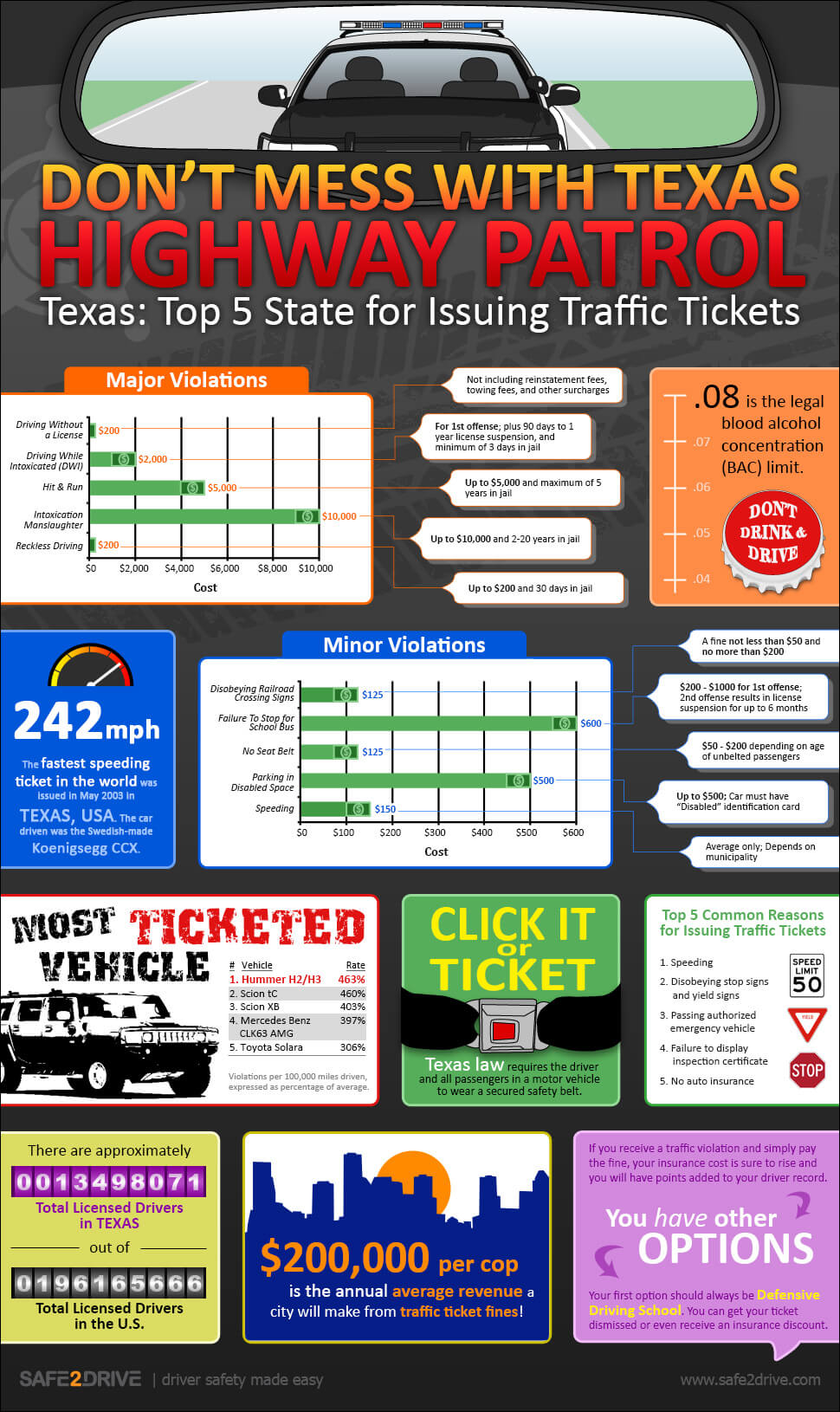
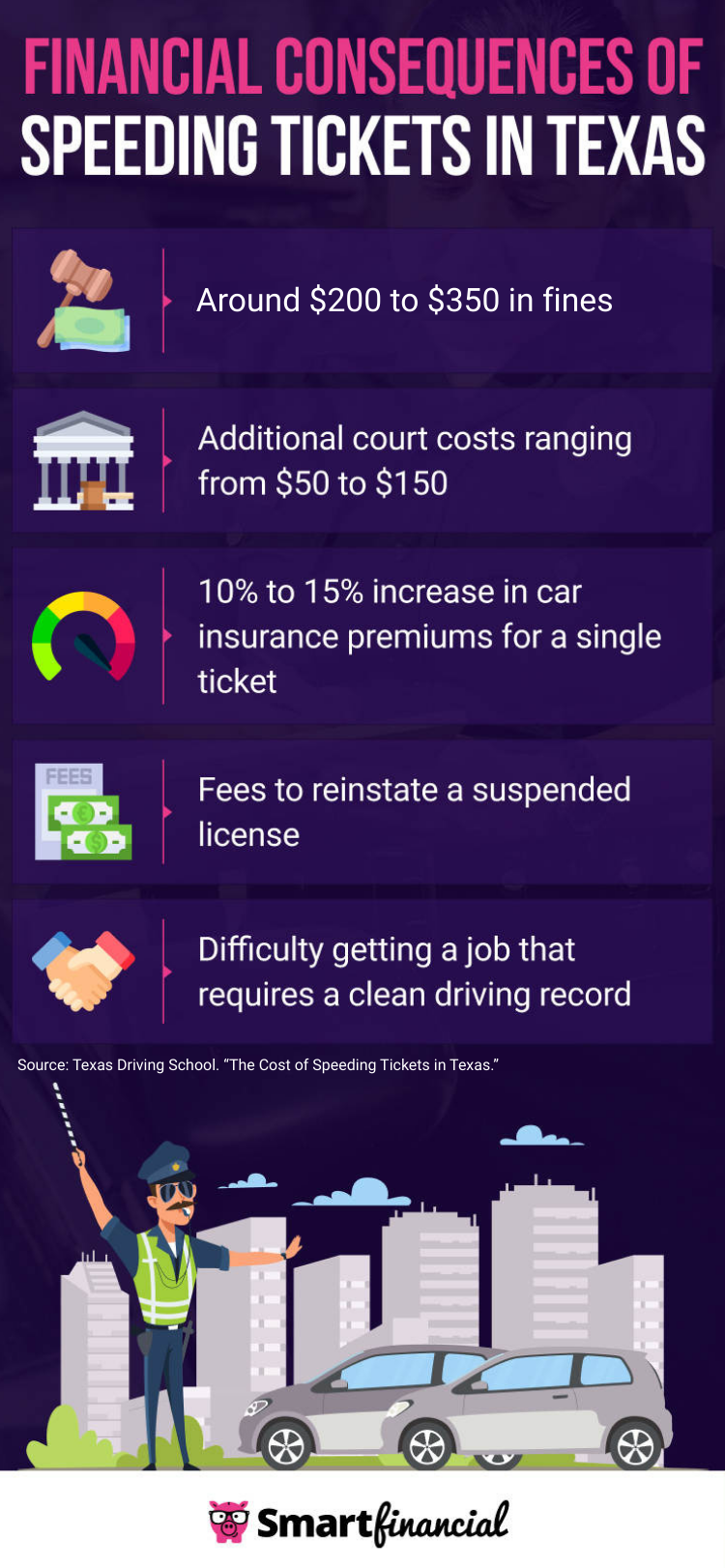
For minor speeding violations, typically 1 to 10 miles per hour over the posted limit, the base fine might range from $25 to $100. However, when factoring in court costs, administrative fees, and potential local surcharges, the total cost could easily climb to between $100 and $200. These are the most common types of speeding tickets and, while less financially devastating than more serious offenses, can still add up if you receive multiple tickets during your travels.
Moderate Speeding Violations (e.g., 11-20 mph over the limit)
As your speed increases beyond the limit, so does the base fine. For violations 11 to 20 miles per hour over the limit, the base fine might start around $75 and could reach $150 or more. With added fees and surcharges, the total cost for such a ticket can realistically fall in the range of $150 to $300. This category represents a significant jump in potential costs and underscores the importance of adhering to speed limits even when roads seem clear.
Significant Speeding Violations (e.g., 21+ mph over the limit)
Driving 21 miles per hour or more over the posted speed limit is considered a serious offense in Texas. The base fines can be substantial, potentially starting at $100 and going upwards of $200 or more, depending on the exact speed. When all associated costs are included, these tickets can easily cost $300 to $500 or even exceed that amount. In some extreme cases, particularly with aggravating factors, the penalties could be even more severe.
Speeding in School or Construction Zones
Tickets issued for speeding in school zones or construction zones often carry significantly higher minimum fines. For instance, a conviction for speeding in a school zone can result in a fine of at least $200, not including additional court costs and fees. Similarly, speeding in a construction zone with workers present can also lead to elevated penalties. These are areas where vigilance is crucial, and exceeding the speed limit can have severe financial and legal repercussions.
Beyond the Fine: Additional Consequences of a Texas Speeding Ticket
The financial cost of a speeding ticket is often just the beginning of the repercussions. Travelers should be aware of other potential consequences that can impact their journey and beyond.
Increased Insurance Premiums
One of the most significant long-term financial impacts of a speeding ticket is the increase in your auto insurance premiums. Insurance companies view speeding as a risk-increasing behavior. A ticket on your record signals to your insurer that you are a higher risk to insure, leading to higher premiums for the next policy term, which can last six months to a year or more. The exact increase varies by insurer and individual driving record, but it can add hundreds of dollars to your annual insurance costs. For tourists who might be driving rental cars, this can also indirectly affect the cost of future rentals if your personal insurance rates rise.
Demerit Points on Your Driving Record
In Texas, moving violations, including speeding, contribute to a point system on your driving record. Accumulating too many points within a certain timeframe can lead to mandatory driver education courses, license suspension, and additional surcharges imposed by the state. While the point system is primarily a concern for Texas residents, out-of-state drivers’ tickets can sometimes be reported back to their home state’s Department of Motor Vehicles, potentially affecting their driving record there as well.
Potential for License Suspension
While less common for a single minor speeding ticket, repeated speeding violations, or a particularly egregious offense (e.g., excessive speed combined with other infractions), can lead to the suspension of your driver’s license. For a traveler, this could have catastrophic consequences, potentially stranding you in Texas and requiring significant logistical and financial effort to resolve.
Travel Disruption and Time Costs
Beyond the monetary and legal ramifications, a speeding ticket can disrupt your travel plans. Contesting a ticket, attending court dates, or even just paying the fine can take time away from your intended activities, whether that’s exploring Houston‘s museums or enjoying the Gulf Coast. This lost time can be a significant cost for vacationers and business travelers alike.
Strategies for Avoiding and Managing Speeding Tickets
The best approach to dealing with speeding tickets is to avoid them altogether. However, if you do receive one, understanding your options can help mitigate the impact.
Drive Responsibly and Obey Speed Limits
This is the most straightforward and effective strategy. Familiarize yourself with the posted speed limits, which can vary significantly between urban areas, rural highways, and specific zones like school or construction areas. Use your cruise control on long stretches of highway to maintain a consistent speed. Be mindful of varying conditions, such as weather or traffic, which may necessitate driving below the posted limit.
Understand Local Speed Limits
Texas has a diverse range of speed limits. Highways might range from 65 mph to 85 mph, while city streets are typically 30-45 mph. School zones can drop as low as 15-20 mph when lights are flashing. Always pay attention to signage, as speed limits can change abruptly.
Consider Defensive Driving Courses
In some cases, Texas allows drivers to take a defensive driving course to have a speeding ticket dismissed or to prevent points from being added to their record. Eligibility requirements apply, and there’s usually a limit on how often you can use this option. If you’re eligible, this can be a cost-effective way to avoid increased insurance premiums and points on your license, although it does involve the cost of the course itself and court administrative fees.
Seek Legal Counsel
For more serious speeding violations, or if you believe you have a valid defense, consulting with a traffic ticket attorney is advisable. They can help you understand your rights, navigate the legal system, and potentially achieve a favorable outcome, such as a reduced fine, dismissal, or a plea to a lesser offense. This is particularly relevant if you are visiting from out of state and are unfamiliar with Texas traffic laws.
Budget for the Unexpected
When planning your travel budget for Texas, it’s prudent to include a small contingency for potential traffic violations. While not ideal, having a small buffer can prevent an unexpected ticket from derailing your financial plans for accommodations, activities, or dining.
By understanding the potential costs, the factors that influence them, and the consequences beyond the fine, travelers can make informed decisions and drive more safely as they explore the vast and beautiful state of Texas. A mindful approach to driving ensures a more enjoyable and financially predictable journey.
LifeOutOfTheBox is a participant in the Amazon Services LLC Associates Program, an affiliate advertising program designed to provide a means for sites to earn advertising fees by advertising and linking to Amazon.com. Amazon, the Amazon logo, AmazonSupply, and the AmazonSupply logo are trademarks of Amazon.com, Inc. or its affiliates. As an Amazon Associate we earn affiliate commissions from qualifying purchases.