
Montana’s natural splendor is a tapestry woven with rugged mountains, vast prairies, and crystal-clear rivers. Within this breathtaking landscape, a delicate yet resilient bloom has been chosen to represent the state’s spirit: the Bitterroot flower. Its story is as captivating as its appearance, intertwined with the history, culture, and natural heritage of the Treasure State. Understanding the Montana state flower offers a unique lens through which to appreciate the state’s identity and its profound connection to the land.
The Regal Bitterroot: A Symbol of Resilience and Beauty
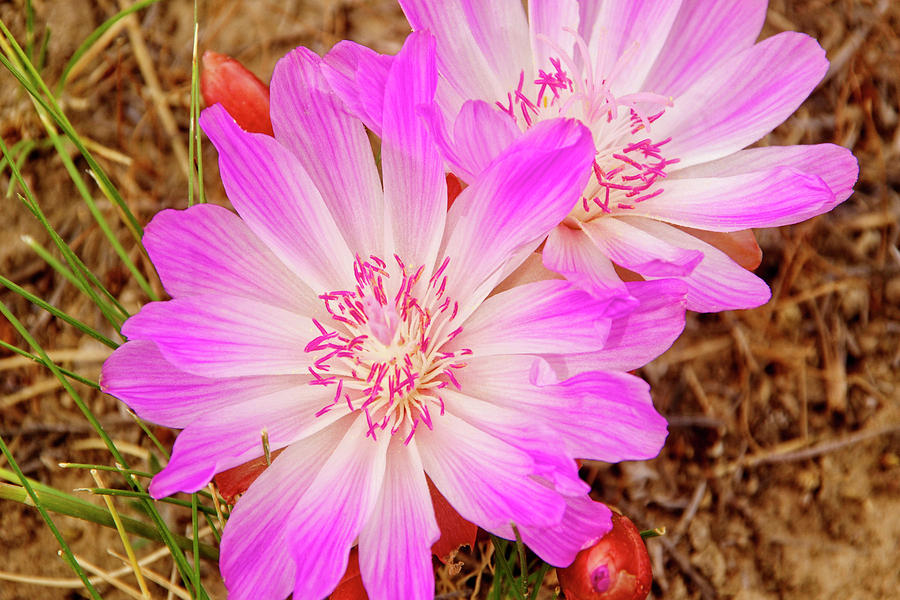
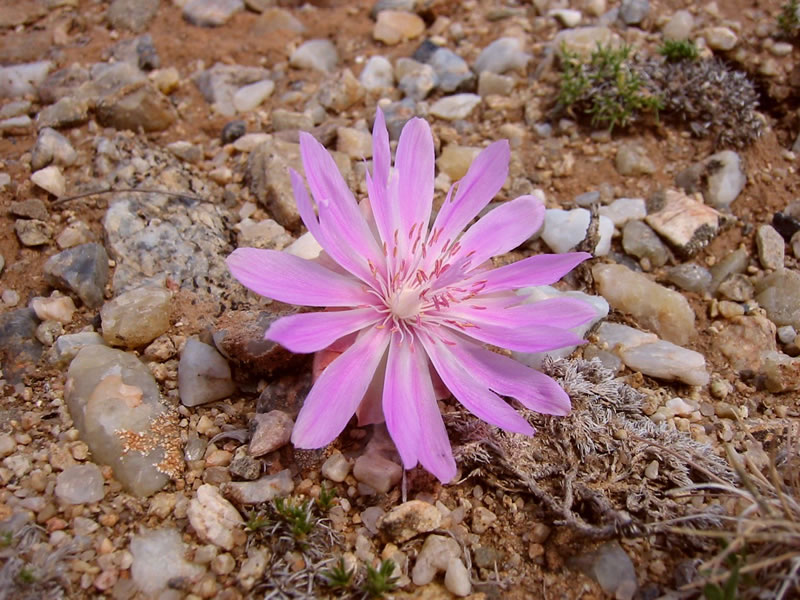
The Bitterroot, scientifically known as Lewisia rediviva, is a small, herbaceous perennial plant that holds a special place in the heart of Montana. Its name itself hints at its remarkable ability to revive, a characteristic that has resonated with the people of Montana through challenging times. The flower is characterized by its vibrant, often magenta or pink petals, which unfurl from a basal rosette of fleshy leaves. These leaves typically wither and disappear before the flower blooms, showcasing the delicate petals against the often arid or rocky terrain.
Historical Significance and Indigenous Roots
The Bitterroot’s significance predates its official designation as the state flower. Indigenous peoples of the region, including the Salish and Kootenai tribes, have long recognized the plant’s value. The roots of the Bitterroot are edible and have been a vital food source for centuries, hence its common name. The scientific name, Lewisia rediviva, honors Meriwether Lewis of the famed Lewis and Clark Expedition, who encountered the plant during their journey through the region in the early 19th century. Lewis noted its resilience and the fact that dried specimens could be revived with water, a testament to its hardy nature. This dual history – deeply rooted in Indigenous sustenance and recognized by early American explorers – imbues the Bitterroot with a rich historical narrative.
The Journey to Statehood Symbol
The official recognition of the Bitterroot as Montana’s state flower was a deliberate act that aimed to capture the essence of the state. In 1895, the Montana State Legislature officially adopted the Bitterroot. This choice was not arbitrary; it reflected a desire to honor the state’s natural beauty and its historical ties to the land. The flower’s delicate yet persistent bloom, often found pushing through rocky soil, became a metaphor for the pioneering spirit and the enduring resilience of Montanans. It stands as a quiet sentinel in the vast landscapes, a reminder of the wild beauty that defines the state.
Blooming in Montana: Habitat and Characteristics
The Bitterroot thrives in the varied ecological zones of Montana, preferring well-drained soils in open, sunny locations. Its ability to survive in harsh conditions, from arid prairies to alpine meadows, speaks to its remarkable adaptability.
Preferred Growing Conditions
These flowers are typically found in gravelly slopes, open woodlands, and prairies, often at mid-elevations. They are remarkably drought-tolerant once established, making them a perfect fit for Montana’s often dry summers. The plant’s low-growing habit means it is easily overlooked by the casual observer, yet its vibrant color makes it a stunning find for those who seek it out. They often bloom in late spring and early summer, painting the landscape with bursts of color against the backdrop of emerging green.
Unique Floral Features

The most striking feature of the Bitterroot is its bloom. The petals are usually 5 to 8 in number and can range in color from pale pink to deep magenta, often with darker veins. The center of the flower may be a contrasting yellow or darker hue. The stamens are typically numerous and tipped with pollen-bearing anthers. The flower’s ephemeral nature, blooming for only a short period before fading, adds to its allure. It’s a fleeting beauty, a reward for patience and keen observation, much like discovering hidden gems in the vastness of Montana.
Experiencing the Bitterroot in Montana
For travelers and residents alike, seeking out the Bitterroot can be a rewarding experience, connecting them directly with Montana’s natural heritage. While not always a primary tourist draw like Glacier National Park or Yellowstone National Park, spotting the state flower adds a layer of depth to any exploration of Montana’s landscapes.
Best Times and Locations to See the Flower
The peak blooming season for the Bitterroot is typically from May through July, depending on the specific elevation and local climate conditions. Areas known for their natural prairie and mountainous terrain are prime locations. Visitors exploring regions like the Absaroka-Beartooth Wilderness or the foothills of the Rocky Mountains may find these flowers dotting the landscape. Smaller state parks and national forests throughout Montana also offer opportunities for discovery. A hike through a less-trafficked trail, particularly on south-facing slopes, can often yield sightings of this beautiful bloom.
Educational and Cultural Connections
Beyond simply observing the flower, learning about its historical and ecological significance enhances the experience. Many visitor centers in state and national parks offer information about native flora, including the Bitterroot. Local historical societies and museums sometimes feature exhibits detailing the plant’s importance to Indigenous cultures and early settlers. Engaging with this information provides a deeper appreciation for why the Bitterroot was chosen as Montana’s floral emblem and its enduring role in the state’s identity. It transforms a simple visual encounter into an educational journey.
Beyond the Bloom: The Bitterroot’s Enduring Legacy
The designation of the Bitterroot as the state flower has had a lasting impact, solidifying its place in Montana’s symbolism and encouraging its conservation. Its story continues to inspire and inform, reminding us of the delicate balance between nature, history, and cultural identity.
Conservation Efforts and Future Outlook
While the Bitterroot is not currently considered endangered, like all native plants, it benefits from conservation efforts that protect its natural habitats. Awareness of its presence and importance helps in preserving the open spaces where it thrives. Responsible outdoor practices, such as staying on trails and avoiding the picking of wildflowers, are crucial for ensuring that future generations can continue to appreciate the Bitterroot in its natural setting. As Montana’s population grows and development expands, safeguarding these delicate ecosystems becomes increasingly vital.
A Symbol of Montana’s Spirit
The Bitterroot flower, with its unassuming beauty and tenacious spirit, perfectly encapsulates the character of Montana. It represents the ruggedness of the mountains, the vastness of the plains, and the resilience of the people who call this state home. From its deep roots in Indigenous history to its recognition as a symbol of state pride, the Bitterroot is more than just a flower; it is a living emblem of Montana’s enduring legacy and its untamed natural beauty, a quiet yet powerful testament to the wild heart of the West.
LifeOutOfTheBox is a participant in the Amazon Services LLC Associates Program, an affiliate advertising program designed to provide a means for sites to earn advertising fees by advertising and linking to Amazon.com. Amazon, the Amazon logo, AmazonSupply, and the AmazonSupply logo are trademarks of Amazon.com, Inc. or its affiliates. As an Amazon Associate we earn affiliate commissions from qualifying purchases.