
Understanding wage taxation in California is a crucial step for anyone considering a move, a career change, or simply evaluating their financial lifestyle in the Golden State. Known for its vibrant economy, diverse landscapes, and innovative industries, California also has a reputation for its higher cost of living, which is directly influenced by its tax structure. Delving into how much of your hard-earned wages are taxed here provides invaluable insights into managing your finances and planning for the lifestyle you desire. This exploration will help you navigate the complexities of state and federal deductions, empowering you to make informed decisions about your financial future in California.
Navigating California’s Income Tax Landscape: A Lifestyle Perspective
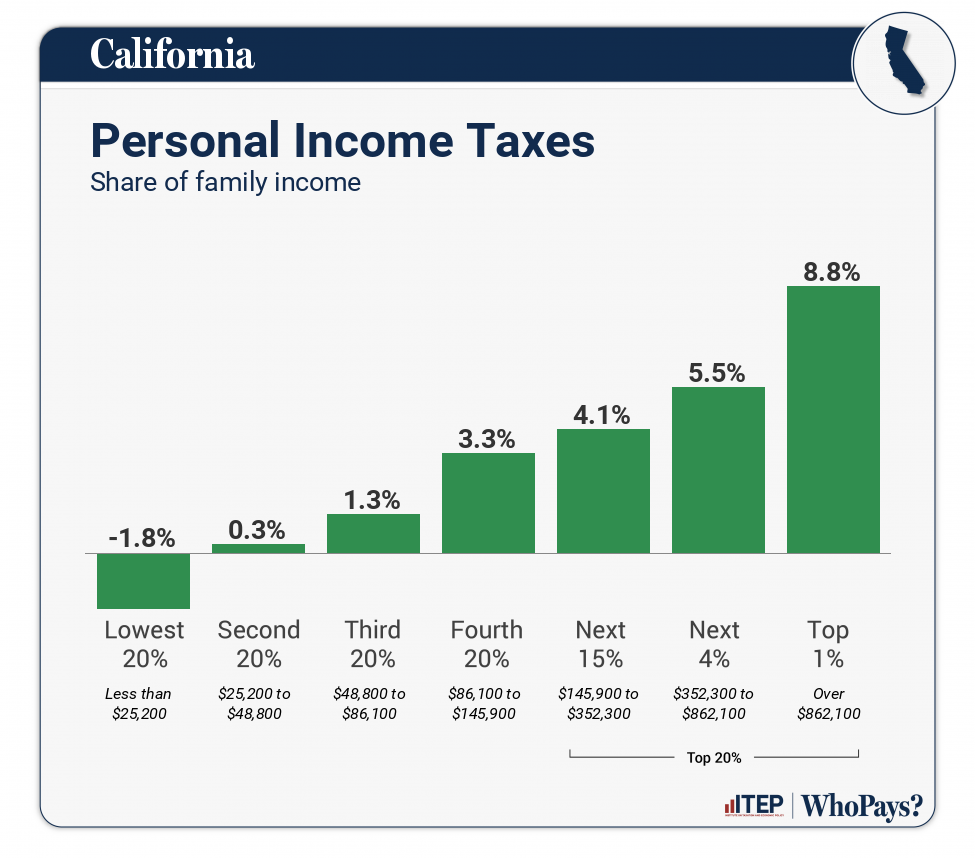
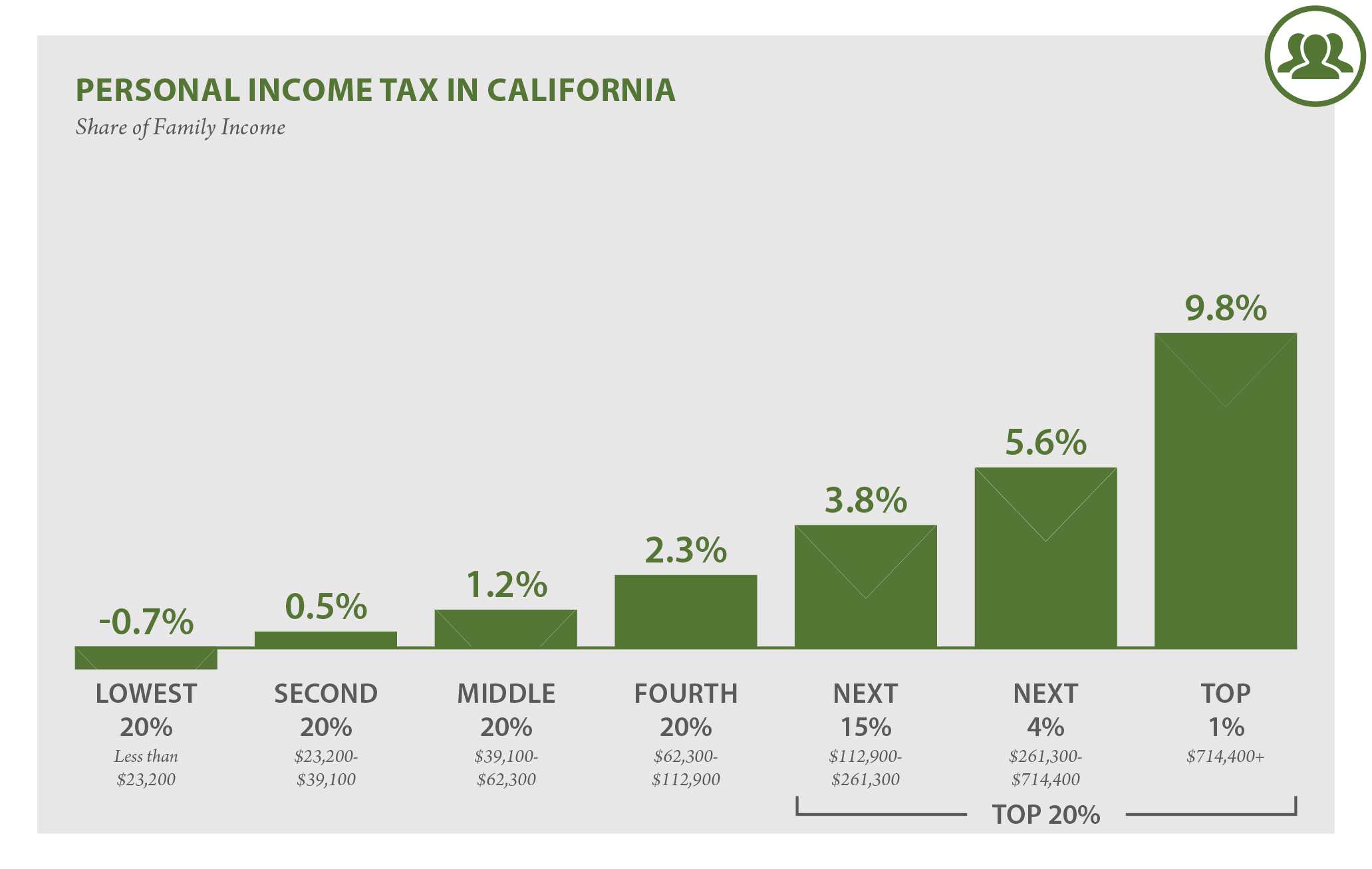
California operates a progressive income tax system, meaning that as your taxable income increases, so does the percentage of tax you pay. This structure is designed to distribute the tax burden based on an individual’s ability to pay, directly impacting the net income available for your chosen lifestyle. For residents and those earning wages in California, understanding this system is paramount to budgeting, saving, and investing.
The Progressive System Explained
At the heart of California’s wage taxation is its progressive income tax. The state features one of the highest top marginal income tax rates in the United States. For single filers in 2023, tax brackets start at 1% for the lowest earners and climb incrementally to a top marginal rate of 12.3% for incomes exceeding approximately $677,276. There’s also an additional 1% surcharge for taxable incomes over $1 million, often referred to as the “Mental Health Services Act” tax, bringing the effective top rate to 13.3%.
What does this mean for your lifestyle? If you’re a high-earning professional in Silicon Valley or a creative in Los Angeles, a significant portion of your income will be subject to these higher rates. Conversely, individuals in entry-level positions or those working part-time will fall into lower brackets, enjoying a lighter state tax burden. This progressive system profoundly influences take-home pay, necessitating careful financial planning, whether you’re dreaming of beachfront living in San Diego or urban adventures in San Francisco.
Federal vs. State: A Dual Impact on Your Paycheck
It’s crucial to remember that California state income tax is just one layer of the tax onion. Before you even consider state taxes, your wages are subject to federal income tax, levied by the IRS. Federal tax rates also follow a progressive structure, ranging from 10% to 37% for various income tiers, in addition to deductions for Social Security and Medicare.
The combined effect of federal and state income taxes can significantly reduce your gross earnings. For example, a middle-income earner in California might face a federal marginal tax rate of 22% or 24%, combined with a California state marginal rate that could be 8% or 9.3%. This cumulative impact makes understanding your net income vital for financial stability and achieving your lifestyle goals in a high-cost-of-living state. Factors like filing status (single, married filing jointly, head of household) also play a significant role in determining both federal and state tax liabilities, making personalized tax planning an essential component of the California lifestyle.
Beyond Income Tax: Essential Wage Deductions Shaping Your Lifestyle
While income tax often gets the most attention, several other mandatory deductions are taken directly from your wages, further impacting your take-home pay. These deductions fund crucial social programs and state services, reflecting the comprehensive nature of taxation in California. Understanding these will give you a clearer picture of your actual disposable income.
Social Security and Medicare (FICA)
These are federal taxes, universally applied across the United States, known collectively as FICA (Federal Insurance Contributions Act) taxes.
- Social Security: Funds retirement, disability, and survivor benefits. The employee contribution rate is 6.2% on earnings up to an annual limit (which adjusts annually, e.g., $160,200 for 2023).
- Medicare: Funds hospital insurance for the elderly and disabled. The employee contribution rate is 1.45% on all earnings, with no income limit. An additional Medicare tax of 0.9% applies to wages exceeding $200,000 for single filers or $250,000 for married filing jointly.
These deductions are non-negotiable for most employees, regardless of where they live in the U.S. In California, they represent a foundational reduction in gross wages before state-specific taxes are even calculated, underscoring the importance of factoring them into your overall financial planning for a California lifestyle.
California State Disability Insurance (SDI)
Unique to California (among a few other states), the State Disability Insurance (SDI) program provides temporary benefit payments to eligible workers who are unable to work due to a non-work-related illness or injury, or for pregnancy. It also includes Paid Family Leave (PFL) benefits.
- SDI Contribution Rate: This rate is set annually and applies to wages up to a certain maximum. For instance, in 2023, the rate was 0.9% on wages up to a limit of $145,600.
While a seemingly small percentage, SDI is a mandatory deduction for most California employees. It provides a vital safety net, a factor many consider when weighing the benefits and costs of living and working in California. It’s an example of how state-specific programs impact your net wages in exchange for social security.
Local Taxes and Specific Levies
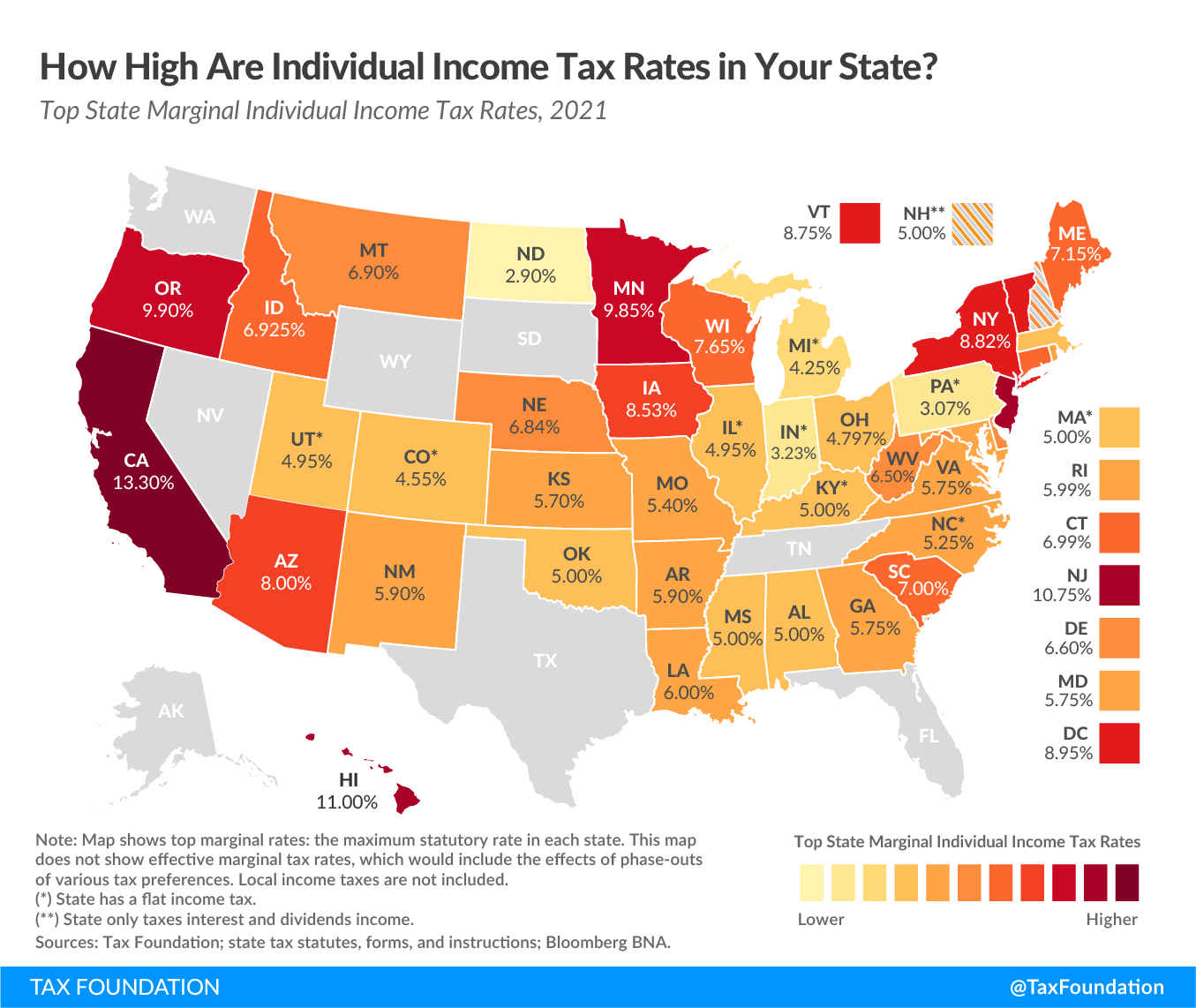
Generally, California does not have local income taxes levied by cities or counties on wages, which is a significant relief compared to some other states. However, specific districts or municipalities might impose other types of local taxes, such as parcel taxes for schools or special assessments, though these are typically not direct wage deductions. Property taxes are also a significant consideration for homeowners, impacting the overall cost of living. Sales tax is another prominent tax you’ll encounter on purchases. For those contemplating a move to, say, Orange County or Sacramento, it’s always prudent to research any specific local levies that might indirectly affect your budget and lifestyle choices, beyond direct wage deductions.
The Lifestyle Impact: What Your Take-Home Pay Means in California
Understanding your wage deductions is only half the battle; the real insight comes from evaluating what that net income means for your desired lifestyle in California. The state’s notorious cost of living means that even with a good salary, discretionary income can be tighter than in other parts of the country.
Cost of Living Considerations Across Key California Cities
California is a vast state with diverse economies and vastly different costs of living.
- San Francisco Bay Area: Home to tech giants and innovation, cities like San Francisco and San Jose boast some of the highest salaries but also the highest costs of living globally. Housing, transportation, and everyday expenses quickly consume a significant portion of even a substantial take-home pay. A high net wage here might translate to a more modest lifestyle than the gross income suggests elsewhere.
- Los Angeles Metro Area: Los Angeles offers a vibrant cultural scene and myriad opportunities but also presents high housing and general living costs, particularly in desirable neighborhoods. Your take-home pay determines your ability to enjoy the beaches, dining, and entertainment that define the Los Angeles lifestyle.
- San Diego: Offering a more laid-back coastal lifestyle, San Diego’s cost of living, while still high, is often perceived as slightly more manageable than the Bay Area or central Los Angeles. Your net wages here might allow for a comfortable lifestyle with access to beautiful beaches and outdoor activities.
- Inland Empire/Central Valley: Regions like the Inland Empire or cities such as Sacramento often offer a lower cost of living, particularly for housing, making your net wages stretch further. This allows for a different kind of California lifestyle, perhaps with more space or a shorter commute, albeit with different economic opportunities.
Budgeting and Financial Planning for a California Lifestyle
Effective budgeting is non-negotiable for thriving in California. After federal and state wage taxes, and other deductions, meticulously planning how your remaining income is allocated is crucial. This involves:
- Housing: Often the largest expense, whether rent or mortgage payments.
- Transportation: Fuel, car payments, insurance, or public transit costs.
- Groceries and Dining: Accounting for the cost of food.
- Healthcare: Beyond employer contributions, out-of-pocket expenses.
- Discretionary Spending: For entertainment, travel, and hobbies – the elements that truly define your lifestyle.
Successful financial planning in California often involves maximizing tax-advantaged retirement accounts, exploring investments, and being acutely aware of your spending habits to maintain a desired quality of life.
Career Decisions and Net Income: Living the California Dream
For many, the allure of the California dream—innovation, natural beauty, and cultural richness—outweighs the higher tax burden. However, understanding how much of your gross income translates to net income is vital when making career decisions. A job offer that seems lucrative on paper might yield a take-home pay that requires significant adjustments to your lifestyle expectations, especially if moving from a state with lower taxes or a lower cost of living. Professionals often evaluate salary offers not just by the gross amount, but by the net amount after all federal and California taxes and deductions, allowing them to accurately assess their purchasing power and capacity to enjoy the California lifestyle they envision.
Strategies for Managing Your Tax Burden and Enhancing Your Lifestyle
While taxes are an unavoidable part of earning wages in California, there are proactive strategies to manage your tax burden and optimize your take-home pay, thereby enhancing your overall lifestyle. These approaches can make a tangible difference in your financial well-being and ability to enjoy all that California has to offer.
Leveraging Deductions and Credits
Understanding and utilizing available tax deductions and credits can significantly reduce your taxable income and, consequently, your tax liability.
- Itemized Deductions vs. Standard Deduction: While many opt for the federal standard deduction, California also offers its own standard deduction, and itemizing (e.g., for mortgage interest, state and local taxes up to a limit, charitable contributions) might be beneficial for some high-income earners or homeowners.
- Retirement Contributions: Contributions to tax-advantaged accounts like a 401(k) or traditional IRA reduce your taxable income in the present year, while also building wealth for your future lifestyle.
- Dependent Care Credits: Families may be eligible for credits that reduce their tax bill dollar-for-dollar.
- Education Credits: For those pursuing higher education or paying for dependents’ schooling, various federal and state credits can ease the financial strain.
- Energy Efficiency Credits: California often offers incentives for energy-efficient home improvements, which can also translate into tax benefits.
Working with a qualified tax professional is often advisable to ensure you’re taking advantage of every applicable deduction and credit, especially given the complexities of both federal and California tax codes.
The Role of Financial Planning
Proactive financial planning extends beyond just tax season. It’s about structuring your finances year-round to support your lifestyle goals.
- Budgeting and Expense Tracking: Regular monitoring of income and expenses helps identify areas for savings and ensures you’re living within your means.
- Emergency Fund: Establishing a robust emergency fund is crucial, particularly in a high-cost-of-living state, to weather unexpected financial challenges without disrupting your lifestyle.
- Investment Strategies: Diversifying investments can help grow your wealth over time, potentially offsetting some of the impact of taxes on earned income. This includes exploring options like municipal bonds, which can offer tax-exempt interest income.
- Retirement Planning: Beyond current deductions, strategically planning for retirement helps ensure long-term financial security, which is foundational to a sustainable California lifestyle.
Considering Remote Work or Different Regions within California
For some, adapting their working arrangements or location within California can be a powerful strategy.
- Remote Work: If your job allows for remote work, you might consider living in a region of California with a lower cost of living, even if your employer is based in a high-cost area like San Francisco or Los Angeles. This allows your net wages to stretch significantly further, enabling a higher quality of life.
- Relocation within California: Exploring cities in the Central Valley or parts of the Inland Empire can drastically reduce housing costs, which is often the biggest drain on a [California](https://lifeoutofthebox.com/california] resident’s budget. While these areas may offer different amenities and job markets, the financial benefits can free up substantial income for other lifestyle pursuits.
By understanding the intricacies of wage taxation in California and employing strategic financial planning, individuals can navigate the economic landscape effectively, ensuring their hard-earned wages support the vibrant and fulfilling California lifestyle they aspire to.
LifeOutOfTheBox is a participant in the Amazon Services LLC Associates Program, an affiliate advertising program designed to provide a means for sites to earn advertising fees by advertising and linking to Amazon.com. Amazon, the Amazon logo, AmazonSupply, and the AmazonSupply logo are trademarks of Amazon.com, Inc. or its affiliates. As an Amazon Associate we earn affiliate commissions from qualifying purchases.