
For many exploring new destinations, understanding local food and beverage options is a critical part of the experience. From quaint cafes offering artisanal coffees to street vendors serving exotic juices, drinks are intertwined with the cultural fabric and daily rhythm of travel. Among the myriad choices available globally, a familiar sight on store shelves in many parts of the United States and beyond is Arizona Iced Tea. This brand, known for its distinctive large cans and affordable price point, often serves as a quick refreshment for travelers on the go. However, as with any widely consumed beverage, questions about its nutritional content, particularly its caffeine levels, frequently arise. For tourists mindful of their energy levels, sleep patterns, or caffeine sensitivity while navigating unfamiliar surroundings, knowing the caffeine quotient of their chosen drink can be as important as understanding local transportation. This article delves into the specifics of caffeine in Arizona Iced Tea, placing it within the broader context of beverages popular among travelers and discussing its implications for the tourism experience.

The Global Appeal of Iced Tea: A Traveler’s Companion
Iced tea holds a special place in the global beverage landscape, offering a refreshing alternative to sodas and a lighter option than hot coffee, especially in warmer climates or during active excursions. Its popularity transcends borders, with variations found from the sweet, strong brews of the American South to delicate green tea infusions in Asia. For tourists, iced tea is often an accessible and reliable choice for hydration and a mild energy boost. Arizona Iced Tea, despite its brand name invoking the American state of Arizona, actually originated in New York and has built a formidable presence across various international markets. Its ubiquitous availability makes it a consistent option for many travelers seeking a familiar taste or a quick pick-me-up during their journeys, whether they are exploring bustling city streets or relaxing by a scenic overlook.
The Ubiquity of Arizona Iced Tea in Tourist Hubs
One of the reasons Arizona Iced Tea is a relevant topic for travelers is its widespread distribution. From convenience stores near major tourist attractions to vending machines in transportation hubs, the brand is readily available. This accessibility provides a sense of familiarity and comfort to travelers who might be overwhelmed by new culinary experiences or unfamiliar product selections. When confronted with a vast array of local beverages, a known brand like Arizona Iced Tea can offer a safe and predictable choice. However, this familiarity should not preclude an understanding of its ingredients, especially caffeine content, which can impact a traveler’s energy and sleep schedule, crucial elements for an enjoyable and successful trip.
Beyond Hydration: Iced Tea as a Moment of Respite
Beyond mere hydration, a cold iced tea can signify a moment of pause and refreshment in a busy travel itinerary. Sitting down with a chilled drink allows travelers to absorb their surroundings, reflect on their day’s adventures, or simply re-energize before the next activity. The taste profile of Arizona Iced Tea, often characterized by its sweetness and distinct flavor combinations (such as green tea with ginseng and honey, or lemon tea), can offer a pleasant sensory experience. For those exploring diverse culinary landscapes, it also serves as a benchmark against which local iced tea varieties can be compared, deepening their appreciation for the nuances of regional beverage preparation.
Deconstructing Caffeine Content in Popular Arizona Iced Tea Varieties
Understanding the caffeine content of Arizona Iced Tea is not as straightforward as it might seem, as it varies significantly between different flavors and formulations. The brand offers a broad spectrum of products, ranging from traditional black tea and green tea options to herbal infusions and fruit-flavored beverages. The presence and amount of caffeine depend directly on the type of tea used as a base. Generally, black tea contains more caffeine than green tea, while herbal teas are typically caffeine-free. This distinction is vital for travelers who might be using these drinks to manage energy levels throughout their day, or to avoid caffeine late in the evening.
Arizona Iced Tea Flavors and Their Caffeine Levels
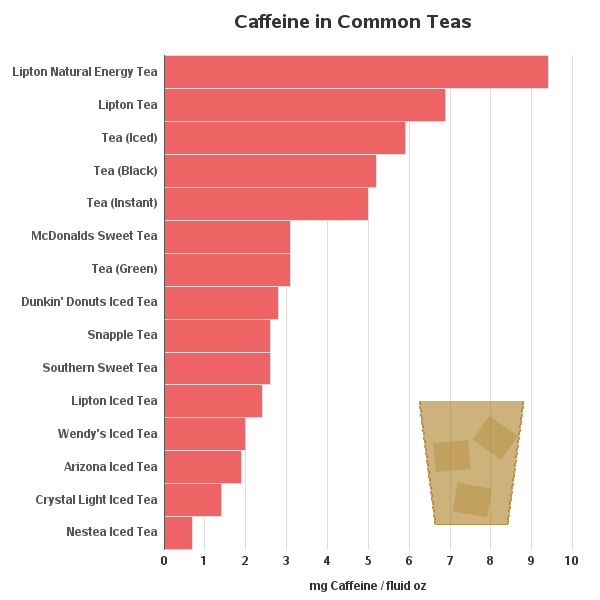
The most popular Arizona Iced Tea varieties, such as the Green Tea with Ginseng and Honey or the Lemon Tea, do contain caffeine. The Green Tea with Ginseng and Honey flavor typically has around 75 mg of caffeine per 23 fl oz can. This is a moderate amount, comparable to a smaller cup of coffee or a few cans of soda. Black tea-based options, like the Arnold Palmer Half & Half (a mix of iced tea and lemonade), usually contain a slightly higher caffeine content, often in the range of 35-40 mg per 8 fl oz serving, which extrapolates to more for a full can.
However, Arizona Iced Tea also offers numerous products that are explicitly caffeine-free. These typically include their fruit-flavored drinks (e.g., Mucho Mango, Watermelon), some of their juice blends, and specifically labeled “decaffeinated” tea options. For travelers who are sensitive to caffeine or are trying to avoid it, checking the label carefully is paramount, especially when exploring new and exciting places where sleep quality can already be affected by new environments and time zone changes.
Comparing Caffeine: Arizona Iced Tea vs. Other Travel Beverages
To put the caffeine content of Arizona Iced Tea into perspective for a traveler, it’s useful to compare it with other common beverages. A standard 8 oz cup of brewed coffee can contain anywhere from 95 to 200 mg of caffeine, making most Arizona Iced Tea varieties significantly lower in caffeine per serving than coffee. A can of regular soda, such as Coca-Cola, typically contains around 34 mg of caffeine per 12 oz can. Energy drinks, on the other hand, can range from 80 mg to over 300 mg per serving, placing them at the higher end of the spectrum.
Therefore, for a traveler seeking a gentle lift without the intensity of coffee or the extreme buzz of an energy drink, a can of Arizona Iced Tea (especially the green tea varieties) can offer a moderate and sustained energy release. This can be particularly beneficial during long sightseeing days or when combating jet lag, providing just enough stimulation without causing jitters or disturbing sleep when consumed responsibly.

The Traveler’s Perspective: Managing Energy and Wellness on the Road
For tourists, maintaining optimal energy levels and overall well-being is crucial for a fulfilling travel experience. Whether it’s navigating ancient ruins, hiking scenic trails, or simply dealing with the demands of travel logistics, having control over one’s energy intake through beverages can make a significant difference. Understanding the caffeine content in drinks like Arizona Iced Tea enables travelers to make informed decisions that align with their itinerary and personal health needs.
Strategic Caffeine Use for Sightseeing and Activities
A modest amount of caffeine from an Arizona Iced Tea can be strategically incorporated into a traveler’s day. A can consumed mid-morning can help sustain focus during a museum visit or provide a needed boost before tackling an afternoon of walking tours. The relatively lower caffeine content compared to coffee means a reduced risk of an abrupt energy crash, allowing for a smoother transition between activities. This consistent energy supply is invaluable for travelers who often face long days packed with diverse experiences, from early morning excursions to late-night cultural events.
However, moderation is key. Over-reliance on caffeinated beverages can lead to dehydration if not balanced with sufficient water intake, especially in hot climates. Travelers should always consider their fluid balance and ensure they are consuming enough plain water alongside any caffeinated drinks to stay well-hydrated and avoid potential discomfort that could detract from their journey.
Navigating Sleep Cycles and Jet Lag with Beverage Choices
One of the biggest challenges for international travelers is adjusting to new time zones and managing jet lag. The quality of sleep directly impacts a traveler’s ability to enjoy and fully experience their destination. Consuming caffeinated beverages, including some Arizona Iced Tea varieties, too close to bedtime can disrupt sleep patterns, exacerbating jet lag and leading to fatigue. For this reason, being aware of the caffeine content is especially important during the late afternoon and evening.
Travelers should aim to switch to caffeine-free alternatives as the day progresses. This is where Arizona Iced Tea’s diverse range truly shines, offering options like fruit drinks or specifically labeled decaffeinated teas that can satisfy a craving for a flavorful drink without compromising sleep. Exploring local herbal infusions or traditional caffeine-free beverages can also be a delightful cultural experience, offering a soothing ritual as the day winds down.
Beyond the Can: Exploring Local Tea Cultures and Food Tourism
While Arizona Iced Tea offers a convenient and familiar option, a true food tourism experience encourages travelers to look beyond mass-produced brands and delve into local beverage traditions. Every region, from the bustling tea houses of Morocco to the serene tea ceremonies of Japan, offers unique insights into its culture through its drinks.
Engaging with Regional Tea Traditions
Many destinations boast rich tea cultures that provide a profound experience for travelers. In countries like China, India, or the United Kingdom, participating in a tea ceremony or visiting a local tea garden offers more than just a drink; it’s an immersion into history, etiquette, and community. These experiences not only provide a taste of authentic local beverages but also serve as opportunities to connect with locals and understand different ways of life. Learning about the brewing process, the types of leaves used, and the cultural significance of tea in a particular region can be a highlight of any food-focused travel itinerary.
For those interested in their caffeine intake, these local experiences also offer a chance to explore a wider spectrum of tea types, from highly caffeinated black teas to naturally lower-caffeine white or yellow teas, and completely caffeine-free herbal infusions made from local botanicals.
The Role of Beverages in Culinary Tourism
Beverages are an integral part of culinary tourism, often complementing local dishes and reflecting regional ingredients. From wine pairings in France to artisanal beers in Germany, or exotic fruit juices in tropical destinations, drinks offer another layer of flavor and cultural understanding. In this context, understanding the caffeine content of options like Arizona Iced Tea is part of a broader awareness that allows travelers to make intentional choices.
Whether one chooses the familiar comfort of an Arizona Iced Tea for a quick energy boost or ventures into the world of local tea ceremonies, the knowledge of caffeine content is a valuable tool for any discerning traveler. It empowers them to manage their energy, enhance their wellness, and ultimately, enrich their entire journey by making informed decisions about what they consume, ensuring every sip contributes positively to their travel adventure.
LifeOutOfTheBox is a participant in the Amazon Services LLC Associates Program, an affiliate advertising program designed to provide a means for sites to earn advertising fees by advertising and linking to Amazon.com. Amazon, the Amazon logo, AmazonSupply, and the AmazonSupply logo are trademarks of Amazon.com, Inc. or its affiliates. As an Amazon Associate we earn affiliate commissions from qualifying purchases.