
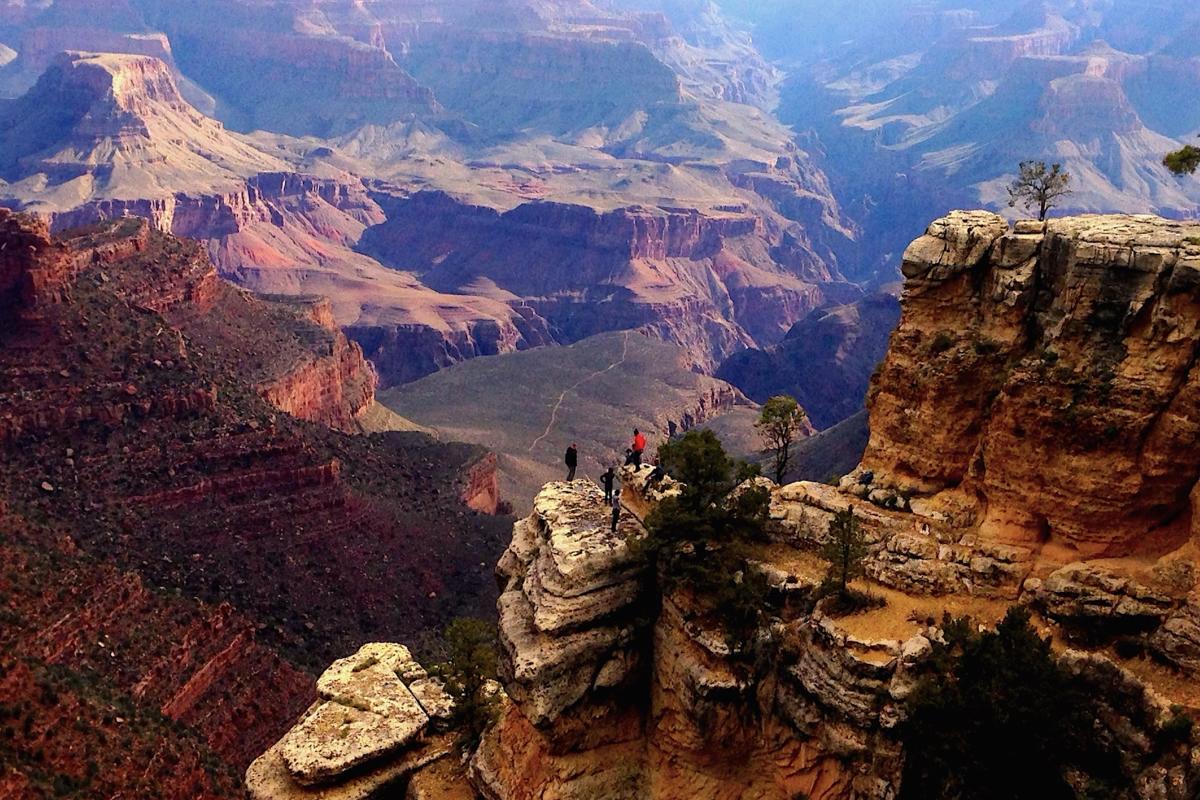
Embarking on a journey from the vibrant desert oasis of Scottsdale, Arizona, to the awe-inspiring depths of the Grand Canyon is a quintessential American adventure. This iconic trip offers more than just a destination; it’s an exploration through diverse landscapes, rich history, and unparalleled natural beauty. While the allure of the Grand Canyon is undeniable, understanding the logistics of getting there from Scottsdale – specifically the distance, travel time, and best routes – is crucial for a seamless and enjoyable experience. This guide delves into all the essential details to help you plan your unforgettable excursion to one of the world’s most magnificent natural wonders.
Understanding the Journey: Distance and Drive Time
The first step in planning any road trip is to grasp the fundamental logistics: how far is it, and how long will it take? The distance from Scottsdale to the Grand Canyon varies slightly depending on which rim you intend to visit, but the vast majority of visitors head to the South Rim, which is open year-round and offers the most accessible viewpoints and services.
The Direct Route: Scottsdale to Grand Canyon South Rim
For most travelers, the primary destination will be the Grand Canyon South Rim (Grand Canyon Village). This route offers the most straightforward and well-maintained path, making it the preferred choice for road-trippers.
- Distance: The approximate driving distance from Scottsdale to the Grand Canyon South Rim is between 220 to 235 miles (354 to 378 kilometers).
- Estimated Drive Time: Under ideal conditions, meaning without significant traffic, road construction, or extended stops, the drive typically takes between 3.5 to 4.5 hours. However, it’s always prudent to budget at least 5 hours to account for a fuel stop, a quick stretch, and perhaps a scenic overlook or two along the way.
The journey largely follows Interstate 17 (I-17) northbound from the Phoenix metropolitan area, through high desert and then into cooler pine forests as you ascend in elevation. This route takes you directly to Flagstaff, a pivotal gateway city. From Flagstaff, you’ll typically take US Route 180 (US-180) west or Arizona State Route 64 (AZ-64) north, both of which lead directly to the South Rim entrance.
North Rim Considerations
While less frequented due to its more remote location and seasonal closures, the Grand Canyon North Rim offers a distinctly different perspective of the canyon. If your plans include visiting the North Rim, be aware that the drive is considerably longer and only accessible seasonally, typically from mid-May to mid-October.
- Distance to North Rim: Approximately 330 to 350 miles (531 to 563 kilometers) from Scottsdale.
- Estimated Drive Time: This extended journey typically requires 6 to 7 hours of driving, not including stops. The route involves traversing more diverse terrain and often requires passing through areas north of the canyon, making it a much longer commitment. For most first-time visitors or those on a tighter schedule, the South Rim remains the primary and most practical choice.
Choosing Your Mode of Transportation
While the allure of the Grand Canyon is constant, the method of travel from Scottsdale can significantly shape your experience. Depending on your budget, time constraints, and preference for independence versus convenience, several options are available.
Driving: The Most Popular Choice
Driving yourself remains the most popular and often recommended way to reach the Grand Canyon from Scottsdale. It offers unparalleled flexibility and the freedom to explore at your own pace.
- Pros:
- Flexibility: You dictate your schedule, including departure times, duration of stops, and detours to other attractions.
- Scenic Stops: The route offers numerous opportunities to pull over for photographs, enjoy a picnic, or explore charming towns.
- Cost-Effective: Especially for groups or families, a rental car can be more economical than individual tour fares.
- Comfort: Travel in your own space with your preferred amenities.
- Cons:
- Driver Fatigue: The 3.5 to 4.5-hour drive can be tiring, especially if you plan to do a lot of hiking upon arrival.
- Navigation: While generally straightforward, having a reliable GPS or map (and ideally, an offline map for areas with spotty signal) is essential.
- Parking: Parking at the Grand Canyon can be challenging, particularly during peak seasons, requiring early arrival.
If you opt to drive, consider renting a comfortable vehicle. While a 4×4 isn’t necessary for the main roads, a car with good clearance can be beneficial if you plan on exploring any unpaved forest roads outside the immediate park area. Ensure your vehicle is in good condition, and check tire pressure, oil, and fluid levels before departing.
Alternative Transport Options
For those who prefer not to drive, or who seek a different kind of experience, several alternatives exist.
- Shuttle Services and Guided Tours: Numerous companies offer day trips or multi-day tours from Phoenix and Scottsdale directly to the Grand Canyon.
- Pros: Convenience (no driving, navigation, or parking worries), often includes insightful commentary from guides, can be a great way to meet fellow travelers.
- Cons: Less flexible schedule, potentially more expensive than driving yourself, limited time at specific viewpoints. These tours often pick up from major hotels in Scottsdale.
- Air Travel (Scenic Flights/Helicopter Tours): For a truly spectacular and time-efficient experience, consider a scenic flight. These tours typically depart from airports in Phoenix, Scottsdale, or even directly from outside the Grand Canyon.
- Pros: Breathtaking aerial views of the canyon, significantly reduces travel time, unique perspective.
- Cons: Very expensive, less time on the ground within the park itself.
- Bus Tours: Similar to guided tours, but often on larger coaches and can be a more budget-friendly option.
- Pros: Economical, organized travel.
- Cons: Least flexible, often involve more passengers, limited individual interaction.
- Train Travel (from Williams): While not direct from Scottsdale, you can drive to Williams, Arizona (approximately 2.5-3 hours from Scottsdale), and then take the historic Grand Canyon Railway into the park.
- Pros: A nostalgic and unique experience, no driving stress once in Williams, scenic train journey.
- Cons: Requires driving to Williams first, specific train schedule, adds to overall travel time.
Essential Stops and Scenic Detours Along the Way
The journey from Scottsdale to the Grand Canyon is not merely about reaching a destination; it’s an opportunity to immerse yourself in the diverse beauty of Arizona. Depending on your time and interests, several towns and natural attractions offer worthwhile detours.
Prescott and Sedona: Red Rock Wonders
If you have an extra day or two, consider extending your trip to include these enchanting towns before or after your Grand Canyon visit.
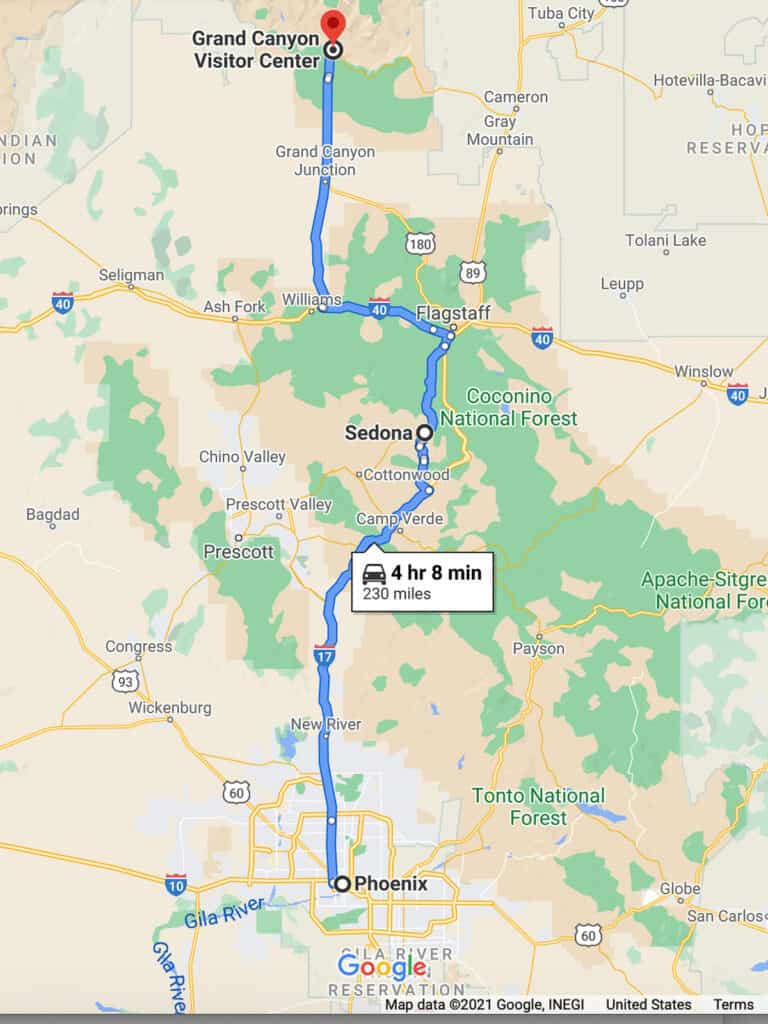
- Prescott: Known for its historic Whiskey Row and charming Victorian architecture, Prescott offers a glimpse into Arizona’s past. It’s about a 1.5-hour drive northwest of Scottsdale and provides a cooler, pine-forested retreat.
- Sedona: Famous for its stunning red rock formations, vibrant arts scene, and spiritual vortexes, Sedona is a highly recommended detour. It’s about a 2-hour drive north of Scottsdale and approximately an hour south of Flagstaff. Sedona is perfect for short hikes, scenic drives (like the Red Rock Scenic Byway), and exploring unique shops and galleries. Adding Sedona to your itinerary typically adds an extra night but is often considered well worth it.
Flagstaff: Gateway to the Grand Canyon
Flagstaff serves as a crucial hub for travelers heading to the Grand Canyon. Situated at a higher elevation, it offers cooler temperatures and a different atmosphere from Scottsdale.
- Stop for Services: Flagstaff is an excellent place to refuel your vehicle, grab a meal, or pick up any last-minute supplies before heading into the park. It has a wide array of restaurants, grocery stores, and accommodations.
- Local Attractions: If time permits, consider visiting the Lowell Observatory, where Pluto was discovered, or exploring the historic downtown area. For those making a multi-day trip, Flagstaff can serve as a convenient and comfortable overnight stop.
Williams: The Grand Canyon Railway Hub
About an hour west of Flagstaff, the historic town of Williams proudly proclaims itself the “Gateway to the Grand Canyon.” This town retains much of its United States Route 66 charm.
- Grand Canyon Railway: As mentioned, Williams is the departure point for the Grand Canyon Railway. If you’re interested in a unique journey into the park, staying a night in Williams and taking the train is a memorable option.
- Route 66 Nostalgia: Explore the shops and diners along the historic Route 66 in Williams for a dose of Americana.
Planning Your Grand Canyon Experience
Once you’ve navigated the distance and chosen your preferred mode of transport, the focus shifts to maximizing your time at the Grand Canyon itself. The South Rim, being the most popular and accessible, offers a wealth of activities and viewpoints.
South Rim: Accessibility and Attractions
The South Rim is open 24 hours a day, 365 days a year, ensuring constant access to its majestic vistas.
- Key Viewpoints: Don’t miss iconic spots like Mather Point, Yavapai Point, and the Desert View Watchtower. Each offers a unique perspective of the canyon’s immense scale and geological layers. The park operates an efficient shuttle bus system to access many viewpoints, reducing traffic and parking headaches.
- Activities:
- Hiking: Options range from short, paved walks along the Rim Trail to challenging multi-day treks into the canyon via trails like Bright Angel Trail or South Kaibab Trail. Remember that hiking down is optional, but hiking back up is mandatory, and it’s much harder than it looks.
- Ranger Programs: Free, informative talks and guided walks are offered by park rangers daily.
- Museums and Visitor Centers: Learn about the canyon’s geology, ecology, and human history.
- Lodging: Accommodations are available both inside the park (e.g., El Tovar, Bright Angel Lodge) and in the gateway town of Tusayan, just outside the south entrance. Booking well in advance, especially for in-park lodging, is essential.
When to Visit
The time of year you visit can greatly impact your experience.
- Spring (April-May) and Fall (September-October): These are generally considered the best times to visit, offering pleasant temperatures, fewer crowds than summer, and beautiful light for photography.
- Summer (June-August): Expect large crowds, high temperatures, especially during the day, and potential afternoon thunderstorms. However, all services are fully operational.
- Winter (November-March): Offers a unique, serene experience with fewer visitors and the chance to see the canyon dusted with snow. Some roads and services may be limited, but the main South Rim viewpoints remain open.
Park Entry and Fees
The Grand Canyon National Park charges an entrance fee per vehicle or per person. Consider purchasing an America the Beautiful pass if you plan to visit multiple national parks within a year. It’s always a good idea to check the official National Park Service website for current fees, operating hours, and any alerts before your visit.
Maximizing Your Journey from Scottsdale
Making the most of your trip involves not just reaching the Grand Canyon but also ensuring a smooth and enjoyable journey from Scottsdale and back.
Practical Tips for a Smooth Trip
Preparation is key to a hassle-free adventure.
- Hydration: The Arizona desert climate is dry. Carry plenty of water, even in cooler months.
- Car Maintenance: If driving your own vehicle, ensure it’s in top condition. If renting, familiarize yourself with its features.
- Mapping and Navigation: Download offline maps for your phone as cell service can be spotty in certain areas, particularly within the park itself.
- Pack Layers: Temperatures can fluctuate dramatically from Scottsdale to the Grand Canyon, and even within the canyon itself, especially between day and night. Dress in layers.
- Sun Protection: Sunscreen, hats, and sunglasses are essential year-round.
- Start Early: An early departure from Scottsdale not only helps you avoid traffic but also allows you to reach the Grand Canyon before the biggest crowds descend, giving you better access to parking and viewpoints.
Combining the Journey with Other Arizona Gems
Your trip from Scottsdale to the Grand Canyon can easily be integrated into a larger Arizona itinerary. After experiencing the grandeur of the canyon, you might consider heading further east to places like Petrified Forest National Park or north to Monument Valley, offering contrasting but equally stunning desert landscapes. Scottsdale, with its luxurious resorts, vibrant arts scene, and access to numerous hiking trails, serves as an excellent starting and ending point for exploring the diverse wonders of the Southwest.
In conclusion, the journey from Scottsdale to the Grand Canyon is a manageable and highly rewarding one. With proper planning, understanding the approximately 220-235 miles and 3.5 to 4.5 hours of driving to the South Rim, and considering the various transportation and detour options, you are well on your way to experiencing one of the world’s most breathtaking natural spectacles. This trip promises not just incredible views but also cherished memories of the vast and varied landscapes that define the American Southwest.
LifeOutOfTheBox is a participant in the Amazon Services LLC Associates Program, an affiliate advertising program designed to provide a means for sites to earn advertising fees by advertising and linking to Amazon.com. Amazon, the Amazon logo, AmazonSupply, and the AmazonSupply logo are trademarks of Amazon.com, Inc. or its affiliates. As an Amazon Associate we earn affiliate commissions from qualifying purchases.