
Boston, a city steeped in history and renowned for its vibrant culture, often sparks curiosity among discerning food enthusiasts regarding its standing in the global culinary arena. When the question “Are there any Michelin Star restaurants in Boston?” arises, the immediate answer might surprise some: officially, no. However, this absence from the highly coveted Michelin Guide should not be misinterpreted as a lack of world-class dining experiences. On the contrary, Boston’s culinary landscape is a sophisticated tapestry of innovative chefs, exceptional ingredients, and unforgettable atmospheres, quietly earning national and international acclaim without the direct spotlight of the esteemed French tire company. This article delves into why Boston hasn’t yet received Michelin recognition, explores the caliber of its fine dining scene, and highlights the establishments that are undoubtedly operating at a Michelin-level standard.
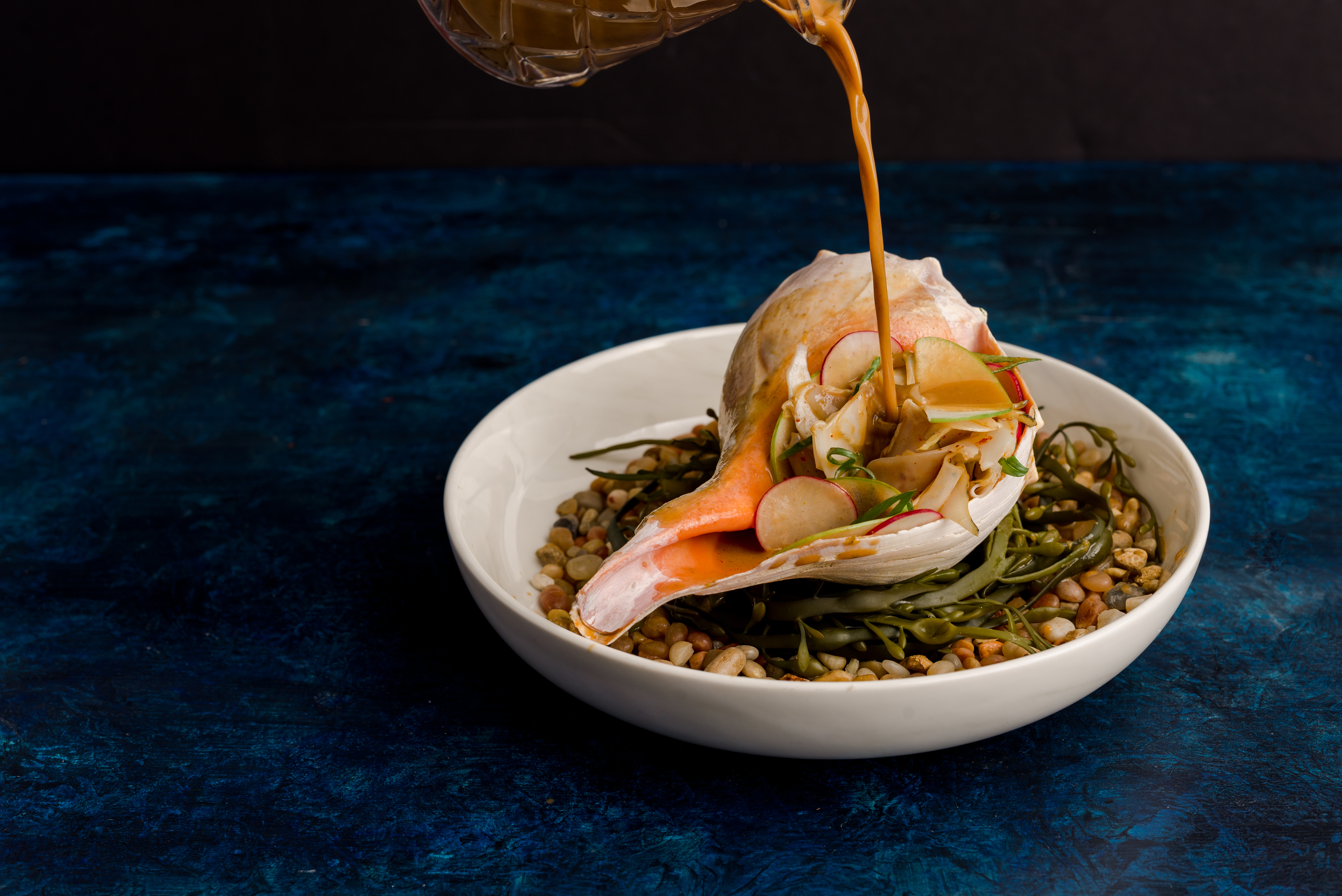
Understanding the Michelin Guide’s Reach
To fully appreciate Boston’s position, it’s crucial to understand the intricate workings and geographical expansion strategy of the Michelin Guide.
What is a Michelin Star?
A Michelin Star is arguably the most prestigious accolade a restaurant can achieve, signifying culinary excellence and an unforgettable dining experience. Awarded by anonymous inspectors who dine independently and pay their own bills, these stars are given based on five universal criteria: the quality of the ingredients, mastery of cooking, harmony of flavors, the personality of the chef through their cuisine, and consistency both over time and across the entire menu. A single star denotes “a very good restaurant in its category,” two stars signify “excellent cooking, worth a detour,” and three stars, the highest honor, mean “exceptional cuisine, worth a special journey.” Beyond the stars, the guide also recognizes restaurants with a “Bib Gourmand” for good quality, good value cooking, and the “Green Star” for sustainable gastronomy.
Why Isn’t Boston in the Michelin Guide (Yet)?
The primary reason Boston lacks Michelin Stars is not due to a deficiency in its culinary offerings but rather the selective expansion model of the Michelin Guide. Michelin is a private company, and its guide’s expansion into new cities and regions is often driven by strategic partnerships, typically with local tourism boards or economic development entities. These partnerships involve significant financial investment to cover the costs associated with anonymous inspections, publishing, and marketing.
Currently, in the United States, the Michelin Guide primarily covers select major metropolitan areas known for their robust culinary scenes, including New York City, Washington D.C., Chicago, California (covering several cities like San Francisco and Los Angeles), Florida (covering Miami, Orlando, and Tampa), and Colorado. While Boston undoubtedly possesses the culinary talent and restaurant infrastructure to compete, it simply hasn’t been a chosen expansion city by Michelin yet. The city’s thriving food scene continues to evolve, making it a strong candidate for future consideration.
The Impact of Michelin Recognition
For cities fortunate enough to be included in the Michelin Guide, the impact is profound. Michelin Stars bring international prestige, acting as a powerful magnet for culinary tourism. Restaurants receiving stars often experience a surge in bookings, increased revenue, and enhanced visibility. This, in turn, can stimulate the local economy, attract top culinary talent, and elevate the city’s overall reputation as a gastronomic destination. The absence of these stars in Boston means its exceptional restaurants rely more on word-of-mouth, local critical acclaim, and national recognition from other prestigious awards like the James Beard Awards.
Boston’s Unofficial Michelin Contenders: A Glimpse into Elite Dining
Despite the lack of official stars, Boston’s culinary landscape is rich with establishments that consistently deliver dining experiences on par with those found in Michelin-recognized cities. These restaurants embody innovation, dedication to quality, and a profound respect for ingredients.
Innovation and Excellence: Restaurants Pushing Boundaries
Boston’s top chefs are not content with merely replicating classic dishes; they are actively pushing the boundaries of culinary artistry. Many establishments showcase inventive tasting menus that reflect seasonal availability, global influences, and unique culinary techniques. Chefs in Boston are known for their creativity, precision, and ability to transform familiar ingredients into extraordinary gastronomic journeys. Their relentless pursuit of perfection in flavor, presentation, and dining concept truly sets them apart. From avant-garde interpretations of New England cuisine to meticulous Japanese omakase, the level of craftsmanship is consistently high.
Farm-to-Table Philosophy and Local Ingredients
One of Boston’s’s greatest strengths lies in its access to pristine New England ingredients. The city benefits from a thriving network of local farms, purveyors, and, most notably, its proximity to some of the world’s freshest seafood. Chefs here expertly leverage these resources, crafting menus that celebrate seasonal bounty and the region’s rich agricultural and maritime heritage. The “farm-to-table” or “sea-to-table” philosophy isn’t just a trend; it’s a deeply ingrained ethos that ensures the highest quality and freshest flavors reach the diner’s plate. This commitment to sourcing excellence is a hallmark of Michelin-level establishments worldwide.
The Fine Dining Experience Beyond the Star
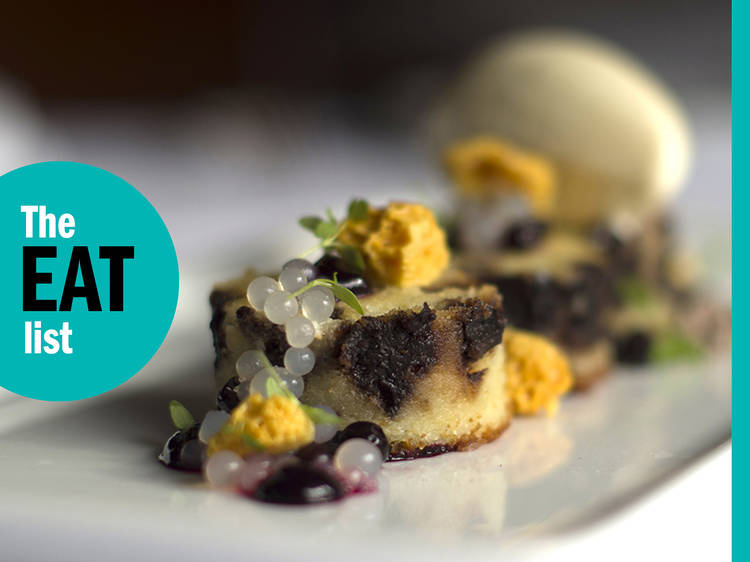
A truly exceptional restaurant experience extends beyond the food itself. In Boston’s top-tier restaurants, every detail is meticulously curated. Service is impeccable, attentive without being intrusive, and knowledgeable about every dish and wine pairing. The ambiance ranges from elegantly formal to chic and contemporary, always designed to enhance the meal. Sommelier-curated wine lists feature rare vintages and expertly chosen pairings that complement the cuisine, while cocktail programs offer creative and sophisticated libations. These elements collectively create an immersive dining experience that transcends a simple meal, embodying the very essence of what a Michelin Star signifies.
Iconic Establishments Redefining Boston’s Culinary Landscape
While lacking official stars, several Boston restaurants are widely regarded as being on par with Michelin-starred venues in other cities. They consistently receive rave reviews from critics and diners alike, often appearing on “best of” lists nationally.
Classic Elegance and Historic Venues
Boston offers a range of establishments that combine timeless elegance with exceptional cuisine. For instance, Menton, Chef Barbara Lynch’s flagship, stands out as a beacon of luxury French-inspired dining in the Seaport District. Its sophisticated tasting menus, impeccable service, and refined atmosphere have consistently placed it among the nation’s elite. Another notable mention is Grill 23 & Bar, an institution known for its prime steaks and extensive wine list, housed in a magnificent former bank building in Back Bay. Its consistent quality and grand setting offer a classic fine dining experience. Neptune Oyster in the North End provides an exquisite, albeit intimate, seafood experience, famed for its raw bar and inventive dishes that showcase the freshness of New England’s waters. These venues exemplify how Boston marries its historical charm with contemporary culinary excellence.
Modern Culinary Artistry
For those seeking cutting-edge cuisine, Boston does not disappoint. O Ya in the Leather District is a prime example, offering an extraordinary omakase experience that redefines Japanese dining with audacious flavor combinations and exquisite presentation. It’s often cited by food critics as a Michelin-level standout. Uni, located in the Back Bay’s The Eliot Hotel, transforms into an intimate izakaya at night, serving creative Japanese small plates, sushi, and sashimi with a vibrant atmosphere. Tasting Counter in Somerville takes a truly unique approach, offering a multi-course tasting menu served directly by the chefs from an open kitchen, fostering an intimate and interactive experience focused on seasonal ingredients and innovative techniques. These restaurants showcase the dynamic and forward-thinking spirit of Boston’s culinary scene.
Exploring Diverse Flavors
Boston’s fine dining extends to diverse culinary traditions as well. Mistral, an elegant French Mediterranean bistro in the South End, has been a consistent performer, known for its sophisticated yet comforting cuisine and vibrant atmosphere. For Italian aficionados, Sorellina offers refined modern Italian cuisine in a chic setting in the Back Bay, featuring exquisite pasta dishes and expertly prepared main courses that elevate classic flavors. These examples highlight the breadth and depth of high-caliber dining available throughout the city, proving that culinary excellence knows no single cuisine.
The Future of Fine Dining in Boston
The absence of Michelin Stars has done little to stifle the ambition and growth of Boston’s restaurant scene. The city continues to attract top talent and foster innovative culinary concepts.
Growing Momentum and National Recognition
Boston’s chefs and restaurants consistently receive accolades from other esteemed organizations. The James Beard Awards, often referred to as the “Oscars of the food world,” frequently nominate and award Boston chefs and restaurants. National publications regularly feature Boston in their “best restaurants” lists, recognizing its growing influence and unique culinary identity. This national recognition serves as a testament to the city’s high standards and burgeoning reputation, indicating that it is indeed a prime candidate for future Michelin Guide expansion.
What Could Michelin Recognition Mean for Boston?
Should the Michelin Guide eventually extend its reach to Boston, the impact would be transformative. It would undoubtedly draw an even larger influx of international tourists, eager to experience its newly validated culinary gems. This increased visibility would further solidify Boston’s position as a global food destination, benefiting not only the star-recipients but also the broader hospitality industry and local economy. It would also likely intensify competition among chefs, spurring even greater innovation and pushing the city’s culinary boundaries further.

Experiencing Boston’s Culinary Scene
For visitors to Boston, the lack of Michelin Stars should not deter exploration of its exceptional dining. Instead, it offers a unique opportunity to discover world-class cuisine without the often-exorbitant prices or impossible reservation queues sometimes associated with Michelin-starred venues in other cities. Engage with local critics, read food blogs, and ask residents for recommendations. Be adventurous and explore beyond the obvious; Boston’s true culinary treasures often lie in unexpected places, waiting to be discovered.
In conclusion, while Boston does not yet boast any official Michelin Star restaurants, its culinary scene is unequivocally operating at a level that rivals many Michelin-recognized cities. With a rich array of innovative chefs, unparalleled access to fresh New England ingredients, and a dedication to creating unforgettable dining experiences, Boston stands as a premier gastronomic destination, stars or no stars. For any food lover, a journey through Boston’s restaurants is a rewarding exploration of creativity, flavor, and hospitality that easily warrants a special trip.
LifeOutOfTheBox is a participant in the Amazon Services LLC Associates Program, an affiliate advertising program designed to provide a means for sites to earn advertising fees by advertising and linking to Amazon.com. Amazon, the Amazon logo, AmazonSupply, and the AmazonSupply logo are trademarks of Amazon.com, Inc. or its affiliates. As an Amazon Associate we earn affiliate commissions from qualifying purchases.