
California conjures images of sun-drenched beaches, towering redwoods, vibrant cities, and endless adventure. From the glamour of Los Angeles to the iconic hills of San Francisco and the technological innovation of Silicon Valley, it’s a dream destination for travelers and a coveted home for many. However, beneath the allure of its diverse landscapes and rich culture lies a complex housing market, notorious for its high costs. For anyone considering an extended stay, a move, or even an investment in accommodation within the Golden State, understanding the intricacies of rent increase regulations is paramount.
Whether you’re a property owner looking to manage your investment, a digital nomad planning a long-term stint in Southern California, or a family contemplating a new chapter in Northern California, the question “How much can you raise rent in California?” is fundamental. The answer isn’t a simple percentage; it’s a nuanced interplay of statewide legislation, local ordinances, and specific property exemptions. Navigating this landscape requires careful attention to detail, as the rules dictate not just rental income, but also tenant protections and the overall stability of the housing market. This guide aims to demystify California’s rent control environment, offering clarity for landlords, tenants, and anyone interested in the state’s vibrant accommodation scene.
Understanding California’s Rental Landscape: An Overview
California’s rental market is unique, characterized by high demand, limited supply, and a strong political will to protect tenants from excessive rent hikes and arbitrary evictions. This environment has led to a multi-layered system of rent control that includes both statewide laws and individual city ordinances, each with its own set of rules and exceptions. For travelers planning an extended visit, understanding these regulations can influence decisions about long-term rentals versus hotel stays, while for property owners, it’s crucial for compliance and sustainable investment.
Historically, rent control in California was primarily a localized phenomenon, with several cities implementing their own strict rules. However, the housing crisis intensified, leading to the enactment of a landmark statewide law. This dual approach means that a property might be subject to state law, local law, or in some cases, both, with the stricter of the two generally taking precedence. This complexity underscores why a thorough understanding is essential, preventing potential legal pitfalls and ensuring fair practices for all parties involved in the California rental market.
The Foundation: The Tenant Protection Act of 2019 (AB 1482)
The most significant development in California rent control in recent years is the passage of the Tenant Protection Act of 2019, also known as AB 1482. This statewide law came into effect on January 1, 2020, establishing baseline rent caps and just cause eviction protections for many rental properties across the state. It was designed to address the housing affordability crisis by offering a safety net where local rent control ordinances did not exist, or to supplement them where they did.
Statewide Rent Cap: The 5% + CPI Rule
AB 1482 introduces a statewide rent cap that limits how much landlords can raise rent annually. The cap is set at 5% plus the percentage change in the cost of living (Consumer Price Index, or CPI) for the area where the property is located, with a maximum total increase of 10% in any 12-month period. This applies to existing tenants, meaning landlords cannot raise the rent by more than this amount for a tenant currently living in the unit. It’s important to note that the CPI varies by region and is announced annually. This means the specific percentage will fluctuate year to year and location by location within California. For properties that are not exempt from AB 1482 and are not subject to a stricter local rent control ordinance, this is the primary guideline for rent increases. Understanding this cap is crucial for long-term budget planning, whether you’re considering a move to a new California city or managing an existing rental property.

Just Cause Eviction Protections
Beyond rent caps, AB 1482 also provides significant just cause eviction protections for tenants who have lived in a unit for at least 12 months. This means that after a tenant has resided in a property for a year, landlords must have a legitimate, “just cause” reason to evict them. These reasons generally fall into two categories:
- At-Fault Just Cause: This includes situations where a tenant violates the lease, fails to pay rent, causes significant damage, or uses the property for illegal purposes.
- No-Fault Just Cause: These are reasons not attributed to the tenant’s actions, such as the owner or a close family member intending to move into the unit, withdrawal of the property from the rental market, or extensive renovations requiring the tenant to vacate. In many no-fault cases, landlords are required to provide relocation assistance to the tenant.
These protections offer stability to tenants and impact landlords by requiring careful documentation and adherence to proper eviction procedures, ensuring the California experience remains accessible and fair for residents.
Local Ordinances: Where City-Specific Rules Apply
While AB 1482 provides a statewide baseline, many cities and counties in California have their own, often more stringent, rent control and tenant protection ordinances. When both state law and a local ordinance apply, the law that provides the greater protection to the tenant (usually the stricter one) takes precedence. This localized approach means that understanding the rules requires looking beyond the state level to the specific municipality where the property is located. For those exploring destinations like San Francisco or Santa Monica for an extended stay, these local nuances are particularly important.
Cities with Stronger Rent Control: Los Angeles, San Francisco, Oakland, San Jose
Several major California cities have long-standing and robust rent control laws that predate AB 1482 and often offer greater protections. Some of the most prominent examples include:
- San Francisco: Famous for its strict rent control, San Francisco’s ordinance limits annual rent increases to a percentage based on CPI, which is often lower than the AB 1482 cap. It also has very strong just cause eviction protections and requires landlords to pay significant relocation fees for no-fault evictions. Many properties built before June 1979 are covered.
- Los Angeles: The Los Angeles Rent Stabilization Ordinance (RSO) covers approximately two-thirds of the city’s rental units, typically those built before October 1978. It imposes its own annual rent increase limits, which are usually tied to CPI and are often lower than the state’s 5% + CPI cap. Like San Francisco, it has strong just cause eviction requirements and relocation assistance provisions.
- Oakland: Oakland’s Rent Adjustment Program covers most residential units built before 1995 and has annual rent increase limits typically tied to a lower CPI percentage. It also has strong eviction protections and requires landlords to register their units and pay relocation fees in certain circumstances.
- San Jose: San Jose’s Apartment Rent Ordinance (ARO) covers multi-unit properties built before September 1979. It caps annual rent increases at a specific percentage (usually 5%) and provides just cause eviction protections.
- Other Cities: Numerous other cities, including Santa Monica, West Hollywood, and Beverly Hills, have their own rent control ordinances, each with unique caps, covered properties, and eviction rules.
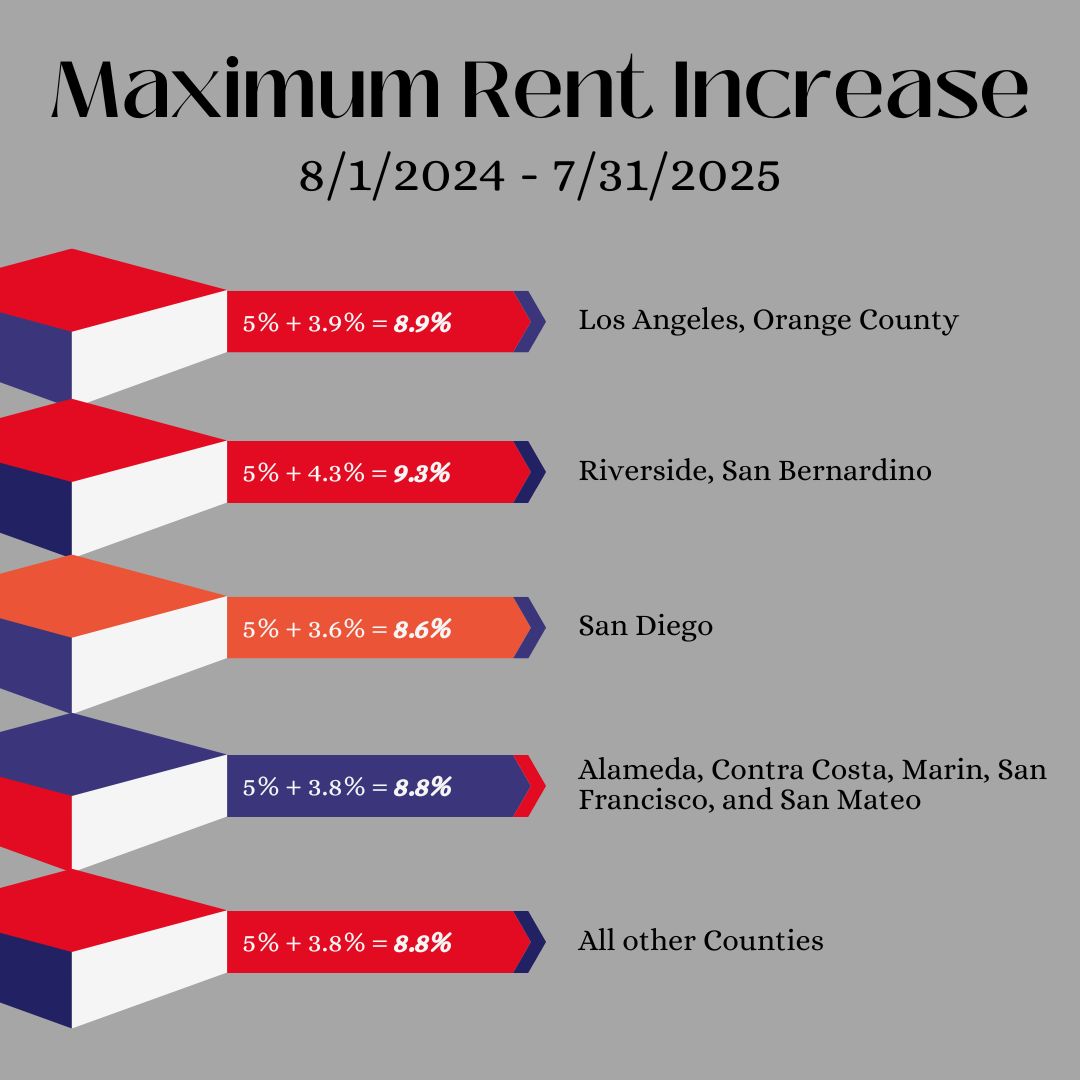
Travelers looking for a long-term stay in these iconic California destinations should be aware that the availability and cost of rentals are heavily influenced by these local laws.
Rent Boards and Their Role
Many cities with strong rent control ordinances establish dedicated Rent Boards or Housing Departments to administer and enforce their rules. These boards play a crucial role in:
- Setting Annual Rent Increase Limits: They often publish the permissible rent increase percentages each year based on local CPI.
- Resolving Disputes: They act as mediators or adjudicators for disputes between landlords and tenants regarding rent increases, evictions, or maintenance issues.
- Providing Information and Resources: They offer guidance and educational materials to both property owners and renters to help them understand their rights and responsibilities.
- Processing Petitions: Landlords can sometimes petition for higher rent increases under specific circumstances (e.g., substantial capital improvements), and tenants can petition to challenge illegal increases.
For anyone navigating the rental market in these cities, engaging with the local rent board can be an invaluable step, whether for clarification on a specific property’s status or for dispute resolution. This infrastructure is a testament to California’s commitment to regulating its complex housing market.
Exemptions and Special Cases: Navigating the Nuances
The rent control landscape in California is not monolithic; both AB 1482 and many local ordinances include various exemptions. These exceptions can significantly alter how much rent can be raised and whether just cause eviction protections apply. Understanding these nuances is critical for property owners determining their obligations and for tenants assessing their rights, especially in areas like Palm Springs where housing dynamics can shift.
Newer Construction Exemption
One of the most common exemptions, found in both AB 1482 and many local ordinances, applies to newer construction. The intention behind this exemption is to encourage new housing development by not subjecting recently built properties to rent control, thereby making investment in new construction more attractive.
- Under AB 1482: Properties that have been issued a certificate of occupancy within the last 15 years are generally exempt from both the rent cap and the just cause eviction provisions. This is a rolling exemption, meaning a building built in 2010 would become subject to AB 1482 in 2025.
- Under Local Ordinances: Many city ordinances have their own “new construction” exemptions, often using different dates. For example, San Francisco’s rent control applies to units built before June 1979, and Los Angeles’s RSO applies to units built before October 1978. Properties built after these dates are generally exempt from the local rent control but might still fall under AB 1482 if they are older than 15 years. This layering means a property might be exempt from local rent control but still subject to state rules.

This distinction is vital for those looking for modern apartments or considering investing in newer residential complexes, particularly in booming areas near attractions like Disneyland or Hollywood Walk of Fame.
Single-Family Homes and Condominiums
Another significant area of exemption often applies to single-family homes and condominiums.
- Under AB 1482: Single-family homes and condominiums are generally exempt from the rent cap and just cause eviction provisions if they are not owned by a corporation, a real estate investment trust (REIT), or a limited liability company (LLC) in which at least one member is a corporation. Additionally, the landlord must provide specific notice to the tenant that the property is exempt. This aims to protect small, individual landlords.
- Under Local Ordinances: The treatment of single-family homes and condominiums varies widely. Some older, stricter local ordinances, like in San Francisco, might include some single-family homes in their rent control, especially if they were previously part of a multi-unit structure or have specific tenant histories. Others, like Los Angeles’ RSO, generally do not cover single-family homes or condominiums.
This exemption is particularly relevant for those seeking a more private long-term rental experience, perhaps a vacation home near Lake Tahoe or a residence in Napa Valley, as these types of properties often have more flexibility in rent adjustments, assuming they meet the ownership and notice requirements.
Owner-Occupied Duplexes
AB 1482 also includes an exemption for owner-occupied duplexes, where the owner resides in one of the units as their primary residence at the beginning of the tenancy and continues to do so. These properties are exempt from the just cause eviction provisions. This exemption reflects a recognition of the unique dynamics of owner-occupied smaller rental properties, often providing more flexibility for landlords who share their living space with tenants.
Implications for Travelers and Long-Term Stays
For individuals drawn to California’s lifestyle, from exploring the grandeur of Yosemite National Park to experiencing the coastal beauty of Big Sur, understanding rent control is not just a matter for landlords and local residents. It has direct implications for how long-term accommodations are found, the costs involved, and even the investment opportunities within this vibrant state.
Finding Long-Term Accommodation
The presence of rent control laws, particularly in popular urban centers, can affect the availability and pricing of long-term rental units.
- Stability for Existing Tenants: For tenants already in rent-controlled units, the laws provide significant stability, protecting them from abrupt, substantial rent increases. This makes staying in a desirable location more feasible over time.
- Impact on New Rentals: When a rent-controlled unit becomes vacant, landlords are generally allowed to reset the rent to market rate for the new tenant. This is known as “vacancy decontrol.” Consequently, newly available units, especially in high-demand areas, can command very high initial rents. This means that travelers or new residents seeking long-term accommodation might face a competitive market with steep entry prices.
- Short-Term vs. Long-Term: The regulations also influence the balance between short-term vacation rentals (which are typically exempt from rent control) and traditional long-term leases. In some areas, strict rent control might push property owners towards short-term rentals if they believe it offers greater flexibility or profitability, potentially reducing the supply of affordable long-term options.
For digital nomads or families planning extended holidays, researching the specific rent control laws of their target city (e.g., San Francisco, Los Angeles, San Jose) is crucial to accurately budget for accommodation and understand the potential challenges of securing a long-term lease.
Investment Opportunities in California Real Estate
For those looking beyond just visiting and considering an investment in California real estate, rent control is a critical factor influencing profitability and risk.
- Reduced Rent Growth Potential: In rent-controlled properties, the potential for annual rent increases is capped, which can limit the growth of rental income compared to properties in unregulated markets. Investors must factor this into their financial projections.
- Tenant Protections and Costs: The strong just cause eviction laws and potential relocation assistance requirements can add complexities and costs for landlords. Evictions, even for legitimate reasons, can be lengthy and expensive, impacting investment returns.
- Exemptions as Opportunities: The exemptions for newer construction, single-family homes, and condominiums can present specific investment opportunities. Properties that fall under these exemptions offer landlords more flexibility in setting and adjusting rents, which can be attractive to investors seeking higher potential returns or less regulatory oversight.
- Market Dynamics: California’s desirability ensures continued demand for housing. Investors must balance the regulatory environment with the state’s strong property value appreciation and consistent tenant demand, particularly in prime locations.
Understanding the specific type of property and its eligibility for various exemptions is key to making informed investment decisions in California‘s diverse real estate market.
Conclusion
The question of “How much can you raise rent in California?” reveals a intricate system designed to balance the interests of property owners and tenants within one of the most dynamic and desirable states in the U.S. From the baseline protections of AB 1482 to the often-stricter mandates of local city ordinances, the Golden State’s approach to rent control is comprehensive and continuously evolving.
For property owners, navigating these regulations means staying informed about both state and local laws, understanding exemptions, and ensuring compliance to avoid legal complications. For travelers, digital nomads, and prospective residents, grasping these rules is essential for budgeting long-term stays, making informed choices about accommodation, and understanding the true cost of living in various California locales.
Ultimately, California’s rent control measures reflect its commitment to housing stability amidst a vibrant, yet challenging, real estate landscape. Whether you’re dreaming of a luxurious extended stay or planning a permanent move, understanding these fundamental housing regulations will be a crucial step in enjoying all that California has to offer.
LifeOutOfTheBox is a participant in the Amazon Services LLC Associates Program, an affiliate advertising program designed to provide a means for sites to earn advertising fees by advertising and linking to Amazon.com. Amazon, the Amazon logo, AmazonSupply, and the AmazonSupply logo are trademarks of Amazon.com, Inc. or its affiliates. As an Amazon Associate we earn affiliate commissions from qualifying purchases.