
Considering a move or an extended stay in Hawaii often brings forth a cascade of logistical questions, and chief among them for many is the practical concern of transportation. While the allure of the Aloha State is undeniable, navigating its unique geographical challenges requires careful planning, especially when it comes to personal vehicles. Shipping your car to Hawaii is a significant lifestyle decision that balances convenience, cost, and the desire for personal freedom on the islands. It’s an investment that can profoundly impact your experience, whether you’re relocating permanently, embarking on a long-term remote work stint, or simply craving the familiarity of your own ride for an extended vacation. This guide delves into the intricate details of car shipping costs, the process involved, and the key factors to consider, providing a professional and insightful look at what it truly takes to bring your vehicle to paradise.

Understanding the Core Costs of Car Shipping to Hawaii
The expense of shipping a car to Hawaii is not a fixed figure; rather, it’s a dynamic calculation influenced by a variety of factors. Gaining a clear understanding of these variables is the first step in budgeting accurately for your move or extended visit.
Vehicle Specifications and Type
One of the most immediate determinants of shipping cost is the vehicle itself. Larger, heavier vehicles naturally occupy more space and require more effort to transport, leading to higher prices. Standard sedans will typically be at the lower end of the cost spectrum, while SUVs, trucks, and luxury cars, especially those with custom modifications, will command a premium. Dimensions such as length, width, height, and the vehicle’s overall weight are all considered by shipping companies when generating a quote. It’s also worth noting that non-standard vehicles, like motorcycles or RVs, have their own specific pricing structures due to their unique handling requirements.
Origin and Destination Ports
The journey from the U.S. mainland to Hawaii is a long one, and the specific ports involved significantly impact the total cost. Most car shipments originate from major West Coast ports, with Long Beach Port and Oakland Port in California being the most common departure points. Shipping from other parts of the U.S. will incur additional ground transportation costs to get your vehicle to one of these primary ports.
Upon arrival in Hawaii, the primary destination is often Honolulu Port on Oahu. However, if your final destination is one of the outer islands like Maui, Kauai, or the Big Island, your vehicle will require inter-island shipping, adding another layer of cost and transit time. For instance, shipping to Kahului Port on Maui or Hilo Port on the Big Island will be more expensive than simply picking it up in Honolulu.
Shipping Method: Roll-on/Roll-off vs. Container Shipping
Two primary methods are available for shipping cars overseas:
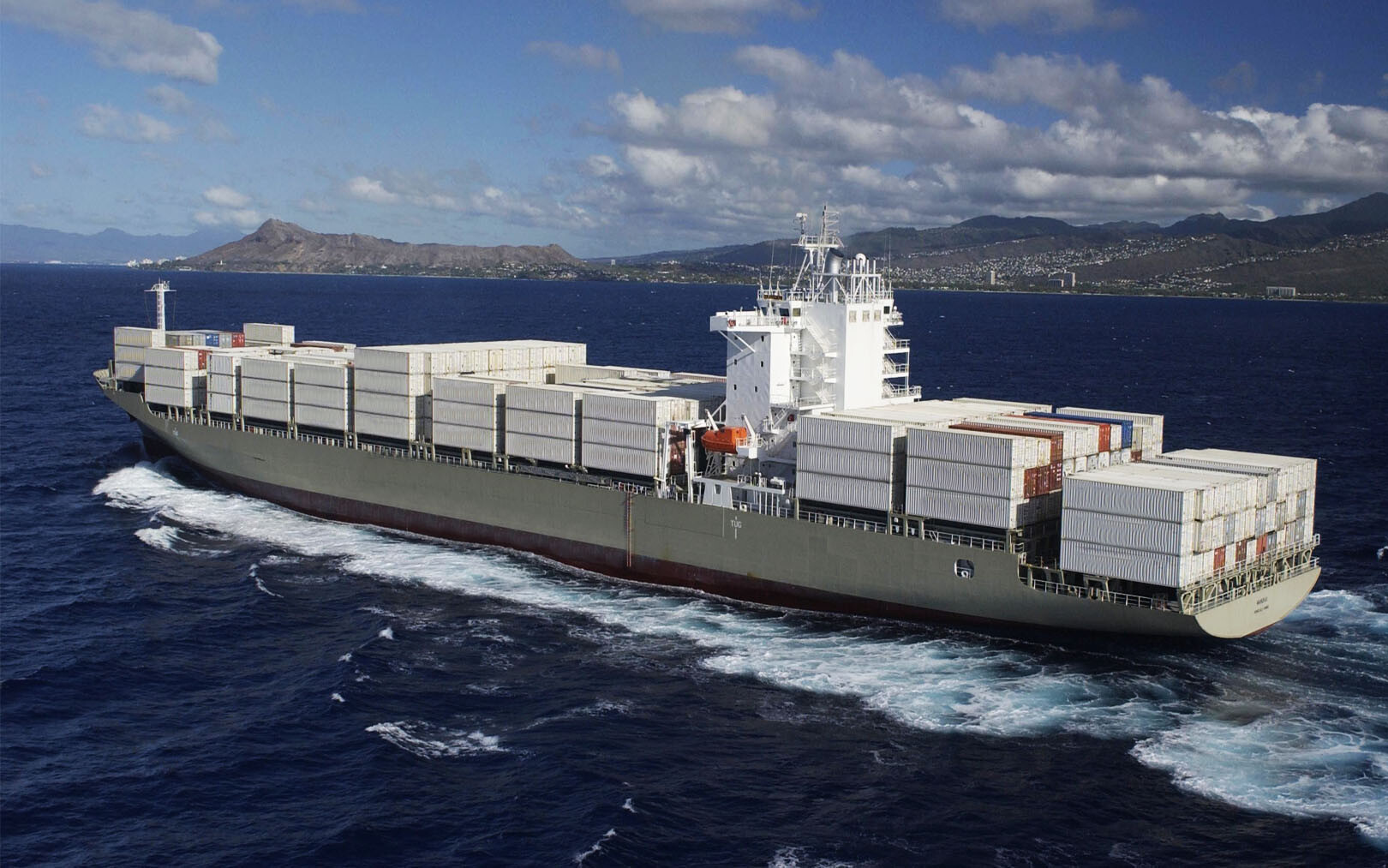
- Roll-on/Roll-off (RORO): This is generally the most economical option. With RORO, your vehicle is driven onto a specialized cargo ship, secured, and then driven off at the destination port. It’s a straightforward process, but your car must be in drivable condition, and you cannot store personal items inside the vehicle during transit.
- Container Shipping: This method offers greater security and flexibility. Your vehicle is loaded into a shipping container. You can opt for a “shared container,” where your car is placed with other vehicles to split the cost, or a “private container,” which offers exclusive use for your car and allows you to pack personal belongings inside (within certain limits and regulations). Container shipping is more expensive than RORO but provides enhanced protection from the elements and greater peace of mind, making it a preferred choice for luxury vehicles or those requiring extra care.
Insurance and Additional Services
While basic cargo insurance is often included in the shipping cost, it typically covers only damage incurred during the actual sea voyage. Comprehensive insurance that covers your vehicle from door-to-door, including potential damages during ground transport or port handling, is an additional but highly recommended expense. Many shipping companies also offer optional services such as expedited shipping, vehicle tracking, or even storage solutions, all of which will contribute to the final price tag.
The Logistics of Shipping Your Car to the Aloha State
Beyond the financial considerations, understanding the logistical framework for shipping your car to Hawaii is crucial for a smooth and stress-free experience. Proper preparation and adherence to regulations can prevent delays and unexpected costs.
Pre-Shipping Vehicle Preparation
Before your car can be accepted for shipment, it must meet specific requirements. This typically includes:
- Cleaning: Your vehicle must be thoroughly cleaned, both interior and exterior, to prevent the spread of invasive species and to facilitate accurate inspection for pre-existing damage.
- Fuel Level: Regulations usually require the fuel tank to be no more than a quarter full. This is a safety measure to reduce fire risk during transit.
- Removing Personal Items: For RORO shipping, all personal belongings must be removed from the vehicle. Even for container shipping, there are strict limits on what can be left inside, and anything remaining is typically uninsured. Remove toll passes, garage door openers, and any valuable items.
- Mechanical Soundness: The car must be in good running condition (unless shipping via container, where non-running vehicles can sometimes be accommodated with extra fees) with working brakes, steering, and a charged battery.
Required Documentation
Gathering the necessary paperwork well in advance is paramount. You will typically need:
- Vehicle Title and Registration: Proof of ownership is essential. If there’s a lien on the vehicle, you’ll need a letter from the lienholder authorizing the shipment.
- Valid Photo ID: For the registered owner.
- Power of Attorney: If someone else is dropping off or picking up the vehicle on your behalf.
- Bill of Lading: This is the contract between you and the shipping company, detailing the terms of carriage.
- Agricultural Clearance: Upon arrival in Hawaii, all vehicles must pass an agricultural inspection to prevent the introduction of pests. A clean vehicle helps this process go smoothly.
Drop-off and Pick-up Procedures
The process at the ports involves inspections, paperwork verification, and scheduling. At drop-off, a detailed inspection report of your vehicle’s condition will be created. It’s critical to review this document thoroughly and take your own photos for your records. Upon arrival at the Hawaii port, you’ll be notified when your vehicle is ready for pick-up, often after it has cleared customs and agricultural inspections. You’ll need to present your ID and a copy of the bill of lading to retrieve your car. Be prepared for potential waiting times at the ports.
Shipping vs. Renting: A Lifestyle and Financial Calculation for Hawaii
Deciding whether to ship your car or rent one upon arrival is a pivotal lifestyle and financial consideration for anyone planning an extended stay in Hawaii. Each option presents its own set of advantages and disadvantages.
Long-Term Convenience and Familiarity
For those relocating permanently or planning to live in Hawaii for several months or more, shipping your own car often proves to be the more convenient and comfortable option. Having your familiar vehicle provides a sense of normalcy and eliminates the hassle of dealing with rental car contracts, fluctuating prices, and limited availability, especially during peak tourist seasons. It’s also often a necessity for families or individuals with specific needs, offering predictable reliability and personal space.
Cost-Benefit Analysis for Short vs. Long Visits
The financial tipping point between shipping and renting typically lies in the duration of your stay. For short vacations (a few weeks), renting is almost always more cost-effective. However, for stays exceeding two to three months, the accumulating cost of a rental car can quickly surpass the expense of shipping your own vehicle. Hawaii has some of the highest rental car rates in the U.S., making long-term rentals particularly expensive. When performing your cost-benefit analysis, factor in not just the shipping fees but also potential vehicle registration costs in Hawaii, insurance adjustments, and the depreciation of your vehicle during transit.
Accessibility and Exploration
Hawaii is much more than its main tourist strips. Having your own car provides unparalleled freedom to explore the islands’ hidden gems, local spots, and less-traveled paths. It allows for spontaneous road trips to remote beaches, hiking trails, or charming small towns that might be inaccessible or inconvenient via public transport or rideshares. This independence is a significant lifestyle enhancement, enabling a deeper immersion into the local culture and natural beauty of the islands.
Navigating the Market: Choosing a Reliable Car Shipper
Selecting the right car shipping company is perhaps the most crucial step in ensuring a smooth and secure transportation process for your vehicle. A reputable company will offer transparency, excellent customer service, and reliable service.
Researching Reputable Companies
Begin your search by researching companies specializing in shipping vehicles to Hawaii. Look for companies with a strong track record, positive customer reviews, and proper licensing and insurance. Websites like the Better Business Bureau (BBB) or industry-specific review platforms can provide valuable insights into a company’s reputation and service quality. Pay attention to feedback regarding communication, delivery times, and handling of claims.
Obtaining Multiple Quotes
Do not settle for the first quote you receive. Contact at least three to five different shipping companies to compare prices, services, and transit times. Be thorough when providing details about your vehicle and shipping needs to ensure accurate quotes. Ask about all potential fees, including port charges, fuel surcharges, and insurance options, to avoid any surprises later on. A transparent quote that breaks down each cost component is a good sign of a trustworthy provider.
Understanding the Contract and Insurance
Before signing any agreement, read the contract meticulously. Pay close attention to the terms and conditions regarding transit times, cancellation policies, and, most importantly, insurance coverage. Clarify what exactly is covered by the basic insurance and discuss options for supplemental coverage if needed. Understanding the claims process in advance can save significant stress should an unforeseen incident occur. A reputable company will be happy to answer all your questions and ensure you are fully informed before proceeding.
Shipping a car to Hawaii is a substantial undertaking, both logistically and financially. While the costs can range from approximately $1,500 to $3,000+ depending on the factors discussed, the investment often pays dividends in convenience, freedom, and the ability to fully embrace the island lifestyle. By carefully researching, planning, and selecting a reliable shipping partner, you can ensure your vehicle arrives safely, ready to transport you through the enchanting landscapes of Hawaii.
LifeOutOfTheBox is a participant in the Amazon Services LLC Associates Program, an affiliate advertising program designed to provide a means for sites to earn advertising fees by advertising and linking to Amazon.com. Amazon, the Amazon logo, AmazonSupply, and the AmazonSupply logo are trademarks of Amazon.com, Inc. or its affiliates. As an Amazon Associate we earn affiliate commissions from qualifying purchases.