
When considering a career in law enforcement, a crucial aspect that often comes to the forefront of prospective officers’ minds is compensation. The salary of a police officer in Florida is not a static figure; it’s a dynamic element influenced by a multitude of factors, including experience, rank, location within the state, and the specific department’s budget and compensation structure. This exploration delves into the earning potential for Florida police officers, offering insights that can be as varied and vibrant as the state itself.
Understanding the nuances of police salaries is important for anyone contemplating this vital public service role. It’s not just about the base pay; it’s also about the benefits, overtime opportunities, and the potential for career advancement that contribute to the overall financial picture. For those interested in public safety and serving communities across the Sunshine State, knowing the salary landscape is a fundamental step.
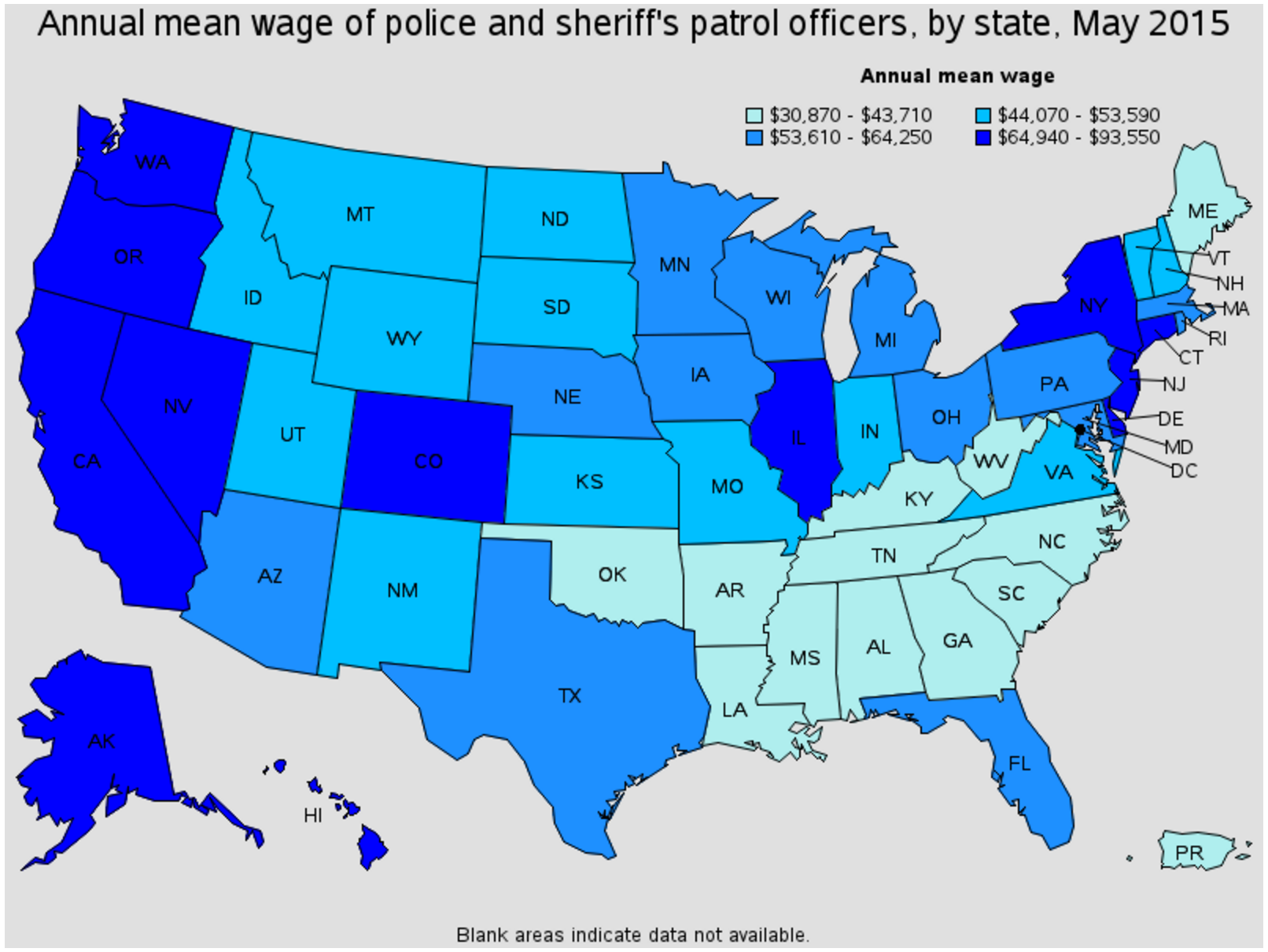
The allure of Florida extends beyond its beautiful beaches and theme parks, drawing individuals from all walks of life seeking opportunities. For those drawn to the profession of policing, the financial remuneration is a significant consideration. This article aims to provide a comprehensive overview of what police officers can expect to earn in Florida, shedding light on the variables that shape their income.
Understanding Salary Determinants
The financial compensation for a police officer in Florida is a complex equation, with several key variables playing a significant role. These factors can lead to considerable differences in take-home pay, even between officers working in the same state but for different agencies.
Experience and Rank Progression
A fundamental driver of salary is an officer’s tenure and the progression through the ranks. Entry-level officers, typically those fresh out of the academy, will naturally earn less than their more seasoned counterparts. As an officer gains experience, demonstrates leadership potential, and successfully navigates promotional exams and evaluations, they can ascend to higher ranks. These ranks, such as Corporal, Sergeant, Lieutenant, and Captain, come with increased responsibilities and, consequently, higher salaries. The typical career path for a Florida police officer involves starting as a Patrol Officer and working towards these supervisory and leadership positions, each step offering a tangible increase in earnings.
For example, a newly appointed police officer might start with an annual salary in the low to mid-$40,000s. After several years of dedicated service and positive performance reviews, this individual could see their salary climb into the $50,000s or $60,000s as a Senior Officer. Further progression to Sergeant could push their earnings into the $60,000s to $70,000s range, with higher ranks like Lieutenant and Captain potentially earning well into the $70,000s and even $80,000s or beyond, depending on the size and budget of the department. This progression is not merely a matter of time; it often involves ongoing training, specialization, and a proven track record of effective policing.
Geographic Location within Florida
Florida is a state of diverse economic landscapes, and this diversity directly impacts police salaries. Major metropolitan areas often have a higher cost of living and, in turn, tend to offer higher salaries to attract and retain qualified officers. Conversely, smaller towns and rural areas might offer more modest compensation packages.
Consider the difference between a large metropolitan police department like the one in Miami-Dade County or Orlando compared to a police force in a smaller city in the panhandle. The demand for officers, the complexity of the crime, and the tax base available for funding law enforcement salaries all contribute to these disparities. Officers in the more densely populated and economically vibrant regions of South Florida, the Tampa Bay area, or the Orlando metropolitan area are likely to command higher base salaries than those in more rural parts of the state. This is a common trend across the United States, where urban centers generally offer greater financial incentives for public service roles.
Furthermore, the specific needs and challenges of different jurisdictions can influence salary structures. A department facing a higher volume of serious crime or a more complex operational environment might offer more competitive pay to attract officers with specialized skills or a willingness to work in demanding conditions.
Department Size and Budget
The size of a police department and its allocated budget are arguably among the most significant factors influencing officer salaries. Larger, well-funded departments, such as those in major cities like Jacksonville, Tampa, or Miami, generally have the resources to offer more competitive salary ranges and more comprehensive benefits packages. These departments often handle a higher call volume and a broader spectrum of criminal activity, necessitating larger workforces and, by extension, higher payroll expenditures.
Smaller departments, while often fostering a closer-knit community feel, may operate with more constrained budgets. This can translate into lower starting salaries and slower salary progression. However, it’s important to note that smaller departments might sometimes offer specialized roles or unique opportunities that appeal to certain officers, even if the base pay is not as high as in larger agencies. The overall financial health of the municipality or county that the police department serves plays a direct role in its ability to fund its officers adequately.
Average Salaries and Compensation Packages
While precise figures can fluctuate, understanding the average salary ranges provides a solid baseline for what police officers can expect to earn in Florida. Beyond the base salary, a comprehensive compensation package often includes various benefits that add significant value.
Base Salary Ranges
According to various salary aggregators and data sources, the average base salary for a police officer in Florida typically falls within a broad range. Entry-level positions might start in the vicinity of $40,000 to $48,000 annually. With a few years of experience, this can rise to an average of $50,000 to $60,000. More experienced officers, particularly those in supervisory roles or specialized units, can see their base salaries reach $60,000 to $75,000 or even higher.

It’s crucial to recognize that these are averages, and individual salaries can fall outside these ranges based on the specific factors already discussed. For instance, an officer in a highly specialized unit within the Miami Police Department with 15 years of experience could earn considerably more than the state average. Conversely, a new recruit in a smaller, less affluent town might start at the lower end of the spectrum.
Overtime and Additional Pay
Beyond the base salary, many Florida police officers have opportunities to earn additional income through overtime. This is particularly common in departments that experience high call volumes, staff shortages, or require officers for special events or extended investigations. Overtime pay, often calculated at 1.5 times the regular hourly rate, can significantly boost an officer’s annual earnings.
Some departments also offer specialized pay or stipends for officers who possess specific skills or certifications. This could include pay for working in dangerous areas, proficiency in a foreign language, or expertise in fields like K-9 handling, bomb disposal, or cybercrime investigation. These additional compensation elements are vital components of a police officer’s overall financial well-being and earning potential.
Benefits and Pension Plans
A significant part of any police officer’s compensation package is the benefits they receive. These often include comprehensive health insurance, dental, and vision coverage, which are essential for a profession that can be physically and mentally demanding. Paid time off, including vacation days, sick leave, and holidays, also contributes to the overall value of the employment.
Perhaps one of the most attractive benefits for many law enforcement professionals is participation in a pension plan. While the landscape of public sector pensions has evolved over the years, many Florida police departments still offer defined benefit pension plans. These plans provide a retirement income based on years of service and salary, offering financial security after a career in public service. In addition to pensions, many departments also offer 401(k) or 403(b) retirement savings plans, allowing officers to supplement their pension or build additional retirement wealth. The long-term financial security provided by these benefits is a critical consideration when evaluating a career in law enforcement.
Factors Affecting Salary Growth and Specialization
The trajectory of a police officer’s salary in Florida is not necessarily linear. Several factors can influence how quickly an officer’s earnings grow, and the pursuit of specialized roles can open up new avenues for increased compensation.
Promotions and Special Assignments
As previously mentioned, promotions are a primary driver of salary growth. Moving from patrol officer to detective, for instance, often comes with a pay increase, along with a change in duties and responsibilities. Detectives typically investigate more complex cases and may work longer hours, but their compensation reflects this increased expertise and workload. Further promotions to supervisory roles like Sergeant or Lieutenant come with even greater salary jumps, as these positions involve managing teams, overseeing operations, and making critical decisions.
Beyond formal promotions, officers can also benefit from special assignments or joining specialized units. These can include roles in:
- K-9 Units: Officers working with canine partners often receive additional training and a stipend.
- SWAT Teams: Membership on a Special Weapons and Tactics team can come with hazard pay or specialized duty pay.
- Narcotics or Vice Units: These units often deal with high-risk situations and may offer salary incentives.
- Traffic Homicide Investigations: Officers specializing in accident reconstruction and investigation may see higher compensation.
- Training or Academy Instructors: Experienced officers who transition to teaching roles can earn more due to their expertise.
These specialized roles not only offer variety and challenge but also provide opportunities for increased earnings, reflecting the advanced skills and dedication required.
Education and Certifications
While a high school diploma or GED is typically the minimum educational requirement, pursuing further education can positively impact an officer’s career and earning potential. An associate’s or bachelor’s degree in criminal justice, criminology, or a related field can make an officer more competitive for promotions and specialized roles. Some departments may even offer a salary incentive or a preference for candidates with higher education.
Furthermore, obtaining specialized certifications can enhance an officer’s resume and open doors to better-paying positions. These certifications might be in areas such as accident investigation, advanced crime scene analysis, interrogation techniques, or leadership development. The ongoing commitment to professional development and continuous learning is often rewarded through salary increases and career advancement opportunities in Florida law enforcement.

Union Representation and Collective Bargaining
In many Florida police departments, officers are represented by labor unions or police benevolent associations. These organizations play a crucial role in negotiating salary increases, benefits, and working conditions on behalf of their members. Collective bargaining agreements, often negotiated every few years, can significantly influence the starting salaries, pay scales, and annual raises for police officers within a particular department or municipality.
The strength and effectiveness of union representation can vary, but generally, unionized departments tend to have more standardized and competitive compensation structures. Union contracts often outline clear pathways for salary progression, provide protections for officers, and ensure that compensation keeps pace with the cost of living and the demands of the job. For prospective officers, understanding the presence and influence of a union within a department can provide valuable insight into the potential for salary growth and overall job security.
In conclusion, the earnings of a police officer in Florida are shaped by a dynamic interplay of experience, rank, location, department resources, and individual initiative. While the base salary provides a foundation, overtime, specialized pay, and robust benefits packages contribute significantly to the overall financial well-being of officers. As officers advance in their careers, pursue further education, and embrace specialized assignments, their earning potential can steadily increase, making law enforcement a financially rewarding career for those dedicated to serving the communities of the Sunshine State.
LifeOutOfTheBox is a participant in the Amazon Services LLC Associates Program, an affiliate advertising program designed to provide a means for sites to earn advertising fees by advertising and linking to Amazon.com. Amazon, the Amazon logo, AmazonSupply, and the AmazonSupply logo are trademarks of Amazon.com, Inc. or its affiliates. As an Amazon Associate we earn affiliate commissions from qualifying purchases.