
Once the undisputed global epicenter of culture, commerce, and relentless energy, New York City seems to be undergoing a profound metamorphosis. The question “What Happened To New York City?” echoes through its bustling streets, vibrant neighborhoods, and iconic landmarks, hinting at a subtle yet significant shift in its very essence. This isn’t about a city in decline, but rather one in flux, adapting to new realities, evolving its identity, and redefining what it means to be the Big Apple in the 21st century. From the soaring skyscrapers of Manhattan to the diverse boroughs, a narrative of change is unfolding, impacting everything from where we stay to how we experience its unparalleled attractions.

The initial shockwaves of external events, particularly the global pandemic, undoubtedly played a pivotal role in initiating this re-evaluation. The exodus of some businesses and residents, coupled with the dramatic halt in international tourism, left a void that prompted introspection. However, to attribute the current state solely to these recent disruptions would be an oversimplification. New York City has always been a city of constant reinvention, a testament to its resilience and adaptability. What we are witnessing now is a more nuanced evolution, a response to evolving economic landscapes, shifting urban planning philosophies, and changing resident and visitor expectations.
This exploration delves into the multifaceted changes that are reshaping New York City, examining the impact on its legendary hospitality sector, the reinvention of its world-renowned attractions, and the subtle yet significant shifts in its vibrant lifestyle. We will uncover how the city is navigating these transformations, striving to maintain its allure while embracing a new chapter in its storied history.
The Shifting Landscape of Accommodation and Hospitality
The very fabric of how we experience New York City is intimately tied to where we choose to rest our heads. The hospitality industry, a cornerstone of the city’s tourism, has been at the forefront of this transformation. Gone are the days when a standard hotel room was the only viable option for most travelers.
A Diversification of Stay Options
The pandemic accelerated a trend that was already brewing: the demand for more varied and personalized accommodation. While iconic hotels like the Plaza Hotel and Waldorf Astoria New York continue to offer unparalleled luxury and classic New York charm, their market share is now complemented by a burgeoning array of alternatives.
- Apartment Rentals and Long-Term Stays: For extended visits or those seeking a more local feel, apartment rentals have become increasingly popular. Platforms offering everything from chic SoHo lofts to family-friendly apartments in Brooklyn have made it easier than ever to find a home away from home. This trend caters to a growing segment of travelers, including digital nomads and families, who desire more space, privacy, and the ability to immerse themselves in a neighborhood’s daily rhythm. The ease of booking and comparison tools available today empower travelers to find the perfect long-term stay that fits their budget and lifestyle.
- Boutique Hotels and Unique Experiences: Beyond the grand establishments, a vibrant ecosystem of boutique hotels has emerged, each offering a distinct personality and curated experience. These smaller, more intimate properties often focus on design, local art, and personalized service, providing a welcome alternative to the more corporate feel of larger chains. From a charming stay in the Greenwich Village to a stylish urban retreat in Chelsea, these hotels contribute significantly to the city’s diverse accommodation tapestry.
- Resorts within the City: While the term “resort” might conjure images of sandy beaches and sprawling grounds, New York City has adapted this concept. Some hotels, particularly those with extensive amenities like rooftop pools, spa facilities, and multiple dining options, offer a resort-like experience within the urban jungle. These havens provide a sanctuary from the city’s constant buzz, allowing guests to relax and recharge without ever leaving the metropolitan area.
The shift is not just about the types of properties available but also about the amenities and services offered. New York City‘s hotels and accommodations are increasingly focusing on integrating local culture, offering curated experiences, and providing top-notch amenities that cater to both luxury and budget-conscious travelers. From high-speed Wi-Fi for the business traveler to dedicated family suites and pet-friendly policies, the emphasis is on flexibility and meeting diverse needs.
Reinventing Iconic Landmarks and Local Attractions
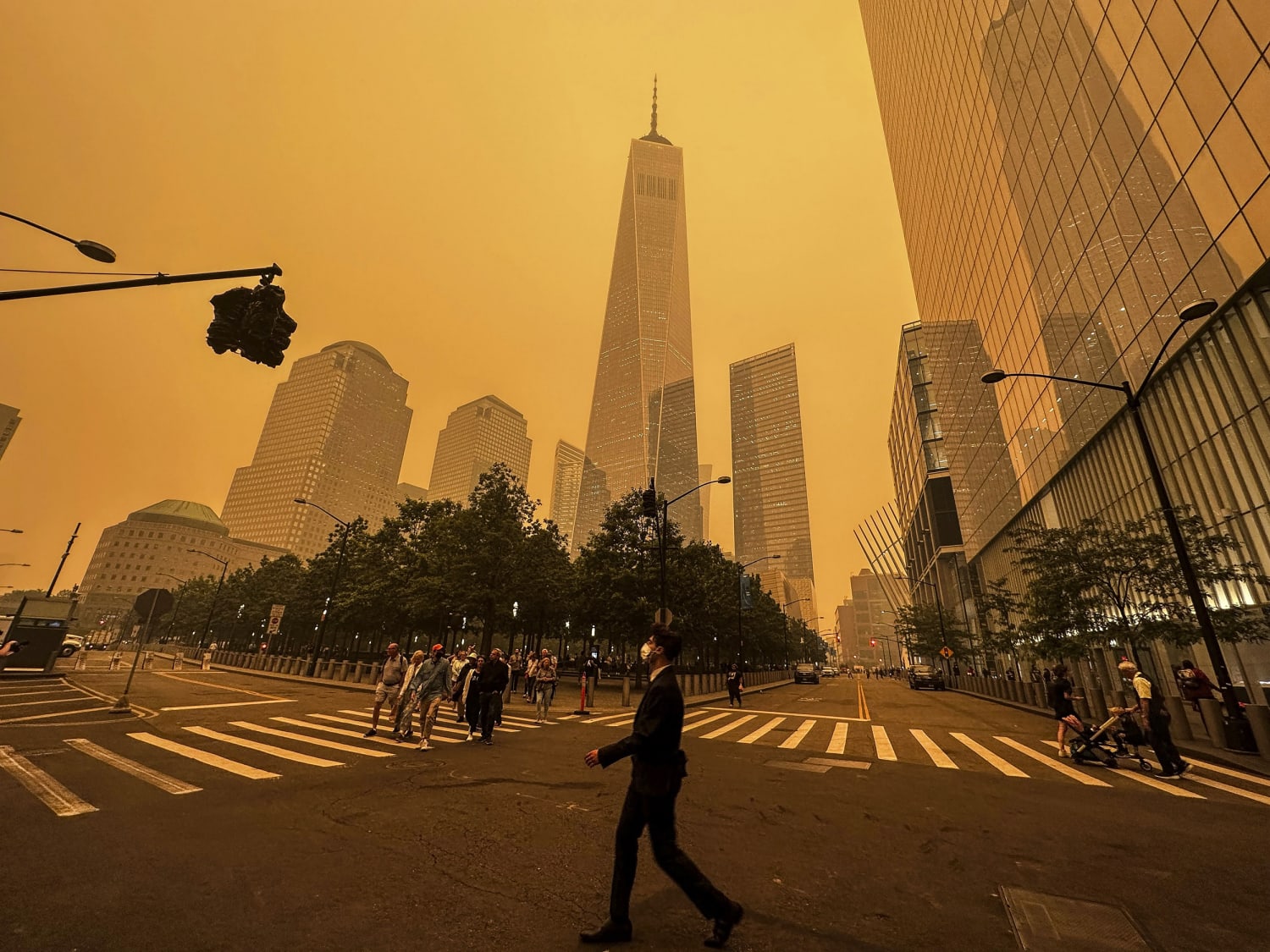
New York City is synonymous with its legendary landmarks. The Statue of Liberty, Empire State Building, and Central Park are global icons, drawing millions of visitors annually. However, what has happened to these beloved sites, and how are they adapting to changing visitor expectations and the need for sustainable tourism?
Evolution in Experience and Accessibility
The core of these attractions remains, but the way we interact with them is evolving. The focus has shifted from mere sightseeing to immersive experiences.
- Enhanced Visitor Engagement: Many landmarks are investing in digital enhancements, interactive exhibits, and guided tours that offer deeper historical and cultural insights. Museums like the Metropolitan Museum of Art and the Museum of Modern Art are not just showcasing art; they are creating engaging narratives that connect visitors with the stories behind the masterpieces. This evolution acknowledges that modern travelers often seek more than just a visual spectacle; they desire understanding and connection.
- Focus on Sustainability and Preservation: With increased awareness of environmental impact, many attractions are prioritizing sustainable practices. This includes reducing waste, promoting public transportation for access, and implementing conservation efforts to preserve the natural beauty of places like Yankee Stadium or the historical architecture of Wall Street. The history of these places is being preserved not just in their physical form but also in their commitment to a responsible future.
- Discovering Lesser-Known Gems: While the famous landmarks continue to draw crowds, there’s a growing appreciation for New York City‘s hidden gems. Exploring the historic streets of Harlem, the vibrant art scene in Bushwick, or the culinary delights of Flushing in Queens offers a more authentic and often less crowded experience. This shift reflects a desire among travelers to go beyond the obvious and discover the multifaceted character of the city.
- The Rise of Experiential Tourism: Beyond the static landmarks, New York City is a hub for incredible experiences. From Broadway shows and live music venues in Greenwich Village to culinary tours through diverse neighborhoods and walking tours focusing on specific historical periods or architectural styles, the emphasis is on active participation. This aligns perfectly with the website’s focus on guides, experiences, and local culture.
The accessibility of information through travel guides and online resources has empowered visitors to plan their trips with greater precision, identifying not only the must-see attractions but also the niche experiences that resonate with their personal interests.
Navigating the Evolving Lifestyle and Culture of New York City
The intangible spirit of New York City – its energy, diversity, and ceaseless drive – is what truly sets it apart. While the physical landscape and its attractions are evolving, so too is the lifestyle and cultural tapestry that defines the city.
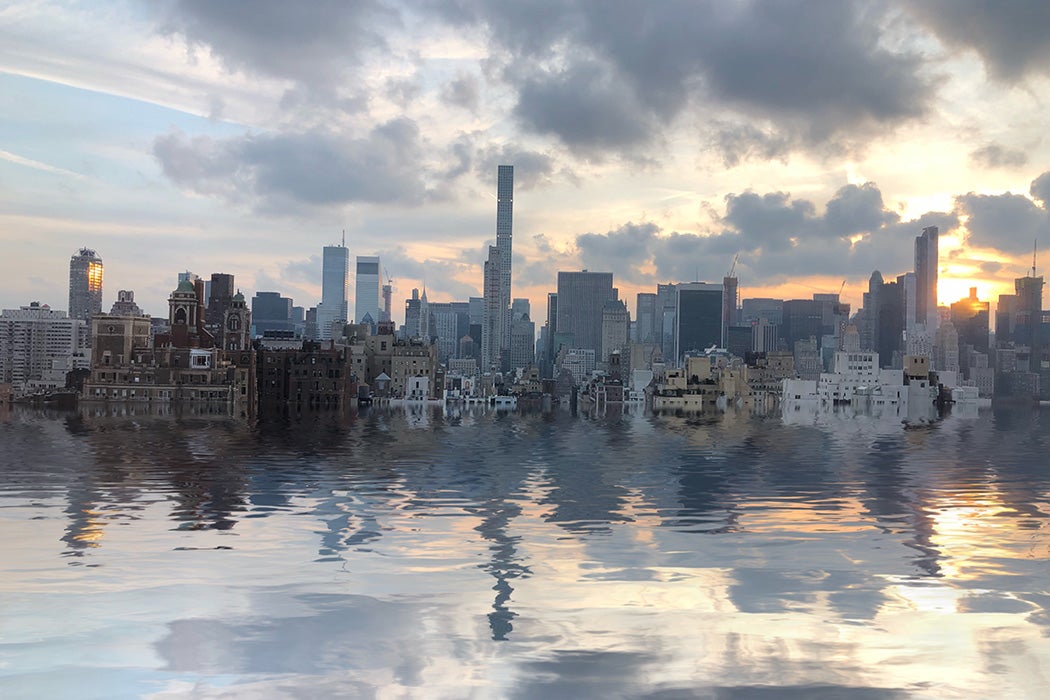
A City for Every Traveler
New York City has always been a melting pot, and this diversity is more pronounced than ever, catering to a spectrum of lifestyles.
- Luxury and Budget Travel Converge: While New York City is undeniably a hub for luxury travel, with world-class shopping on Fifth Avenue and opulent hotels, it has also become more accessible for budget-conscious travelers. The proliferation of affordable dining options, free attractions like walking across the Brooklyn Bridge or exploring Governor’s Island, and a wider range of accommodation choices ensure that the city’s magic is within reach for everyone.
- Family-Friendly Adventures: New York City has long been a destination for family trips, and efforts are continuously being made to enhance these experiences. From interactive museums and engaging parks like Prospect Park to kid-friendly Broadway shows and specialized walking tours, the city offers a wealth of activities that cater to all ages. The development of family suites in hotels and the availability of resources for planning family itineraries make it easier for parents to navigate the city with their children.
- The Business Traveler’s Evolving Needs: For business travelers, New York City remains a critical hub. However, the definition of a “business stay” is expanding. Beyond the conventional hotel, serviced apartments and co-working spaces within hotels are becoming more prevalent, offering flexibility and a more integrated work-life balance. The city’s robust public transportation system and the increasing connectivity of its neighborhoods continue to make it an efficient base for business.
- Embracing Local Culture and Cuisine: The true essence of New York City lies in its neighborhoods and the unique cultures they represent. From the diverse culinary landscape of Queens to the artistic enclaves of Brooklyn, there’s a growing emphasis on experiencing the local flavor. Food tours, neighborhood explorations, and participation in local festivals offer a deeper dive into the city’s rich cultural heritage. The tips and insights provided by local guides and tourism boards are invaluable in unlocking these authentic experiences.
In essence, “What Happened To New York City?” isn’t a question of loss, but one of ongoing adaptation and evolution. The city that never sleeps is still awake, but it’s perhaps breathing a little differently, embracing new rhythms, and offering an ever-expanding array of experiences for all who venture to its storied shores. The core magic remains, amplified by a renewed focus on personal journeys, authentic connections, and a sustainable future, ensuring that New York City will continue to captivate for generations to come.
LifeOutOfTheBox is a participant in the Amazon Services LLC Associates Program, an affiliate advertising program designed to provide a means for sites to earn advertising fees by advertising and linking to Amazon.com. Amazon, the Amazon logo, AmazonSupply, and the AmazonSupply logo are trademarks of Amazon.com, Inc. or its affiliates. As an Amazon Associate we earn affiliate commissions from qualifying purchases.