
The allure of the Arizona sun is undeniable, not just for its breathtaking landscapes and warm climate, but also for its immense potential as a solar energy powerhouse. For owners of residential properties, vacation rentals, or even small boutique accommodations across the state, understanding the costs associated with solar panel installation is crucial. Investing in solar energy not only offers significant long-term savings on utility bills but also enhances a property’s appeal, aligning with a growing demand for sustainable living and eco-conscious travel options. This guide delves into the financial aspects of going solar in the Grand Canyon State, providing a comprehensive overview for anyone considering this valuable upgrade for their Arizona accommodation.
The Appeal of Solar for Arizona Accommodation Owners
Arizona boasts one of the highest solar irradiance levels in the United States, making it an ideal location for harnessing solar power. For individuals managing accommodation, whether a personal home for long-term residency, a short-term rental in Phoenix, or a serene lodge near Flagstaff, the benefits extend beyond mere environmental stewardship. Solar panels offer a tangible pathway to significantly reduce or even eliminate electricity costs, which can be particularly high during Arizona’s sweltering summers when air conditioning runs constantly.
Moreover, properties equipped with solar panels often command higher resale values and can attract a specific demographic of guests or tenants who prioritize sustainability. A solar-powered home or rental property can be marketed as an “eco-friendly stay,” appealing to a segment of the market increasingly interested in reducing their carbon footprint, even while on vacation or seeking a new long-term residence. This can lead to increased occupancy rates or a competitive edge in the rental market, especially in popular destinations like Scottsdale or Sedona. The stability of energy costs also provides a significant advantage, insulating property owners from fluctuating utility rates and offering predictable operational expenses, a critical factor for financial planning in the accommodation sector.
Understanding the Upfront Investment for Arizona Properties
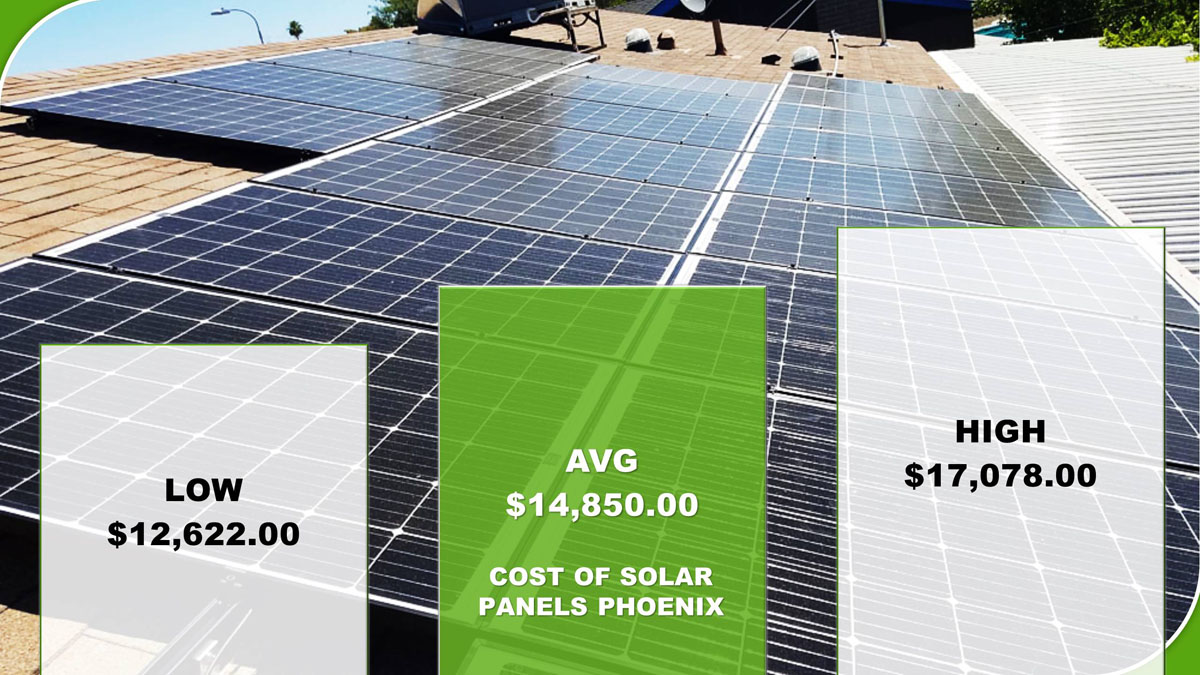
The initial cost of installing solar panels in Arizona varies depending on several factors, including system size, panel efficiency, installer fees, and specific property characteristics. On average, the cost for a typical residential solar system in Arizona ranges from $2.50 to $3.50 per watt before incentives. For a standard 6-kilowatt (kW) system, which is common for many single-family homes, this translates to an average gross cost between $15,000 and $21,000. However, many homes, particularly larger ones or those with high energy consumption (e.g., properties with pools or multiple HVAC units), might require systems ranging from 8 kW to 12 kW or even larger, pushing gross costs into the $20,000 to $42,000+ bracket.
Several key components contribute to this overall cost:
- Solar Panels: The most visible part of the system, their cost varies by brand, efficiency, and warranty. Premium panels offer higher power output and often come with longer warranties but at a higher price point.
- Inverters: These devices convert the DC electricity generated by panels into AC electricity usable by the property. String inverters, micro-inverters, and power optimizers each have different costs and benefits.
- Mounting Hardware: Racks and mounts secure the panels to the roof. The complexity of the roof (e.g., multiple angles, shading issues, type of roofing material) can influence the labor and hardware costs.
- Labor and Permitting: Installation costs include the expertise of certified technicians, electrical work, and the necessary permits from local municipalities like Tucson or Mesa. These fees can vary significantly between different installers.
- System Design: Customizing the solar system to meet the specific energy needs and aesthetic preferences of an Arizona property also adds to the cost. This includes assessing optimal panel placement to maximize sun exposure and minimize shading.
While these figures represent the upfront investment, it’s critical for accommodation owners to consider the robust incentives available, which significantly reduce the net cost and improve the overall return on investment.
Incentives and Returns for Accommodation Providers
The true cost of solar panels in Arizona is often substantially lower than the gross figure due to various federal and state incentives designed to encourage solar adoption.
Federal Solar Investment Tax Credit (ITC)
The most significant incentive is the federal Investment Tax Credit (ITC), which currently allows homeowners and commercial property owners to deduct 30% of the cost of installing a solar energy system from their federal taxes. This credit applies to both residential and commercial solar installations, making it highly beneficial for any Arizona accommodation. For a $20,000 system, the ITC alone would reduce the net cost by $6,000, bringing it down to $14,000. It’s crucial for property owners to verify their eligibility and consult with a tax professional.

Arizona State and Utility Incentives
While Arizona does not currently offer a state-specific solar tax credit, other programs and policies benefit solar owners:
- Property Tax Exemption: Solar energy systems are exempt from property tax assessments in Arizona. This means that while adding solar increases the value of your accommodation, it does not increase your property tax bill, providing ongoing savings.
- Net Energy Metering (NEM): Net Energy Metering (NEM) policies allow solar owners to send excess electricity generated by their panels back to the grid in exchange for credits on their utility bills. While the original full retail rate NEM has been phased out by major utilities like Arizona Public Service (APS) and Salt River Project (SRP) in favor of “net billing” or “buyback rates,” these programs still offer significant savings by compensating solar producers for their surplus energy. The specifics of these programs vary by utility and can impact the overall financial benefits.
- Local Programs: Some local municipalities or utility companies may offer additional rebates or incentives. It’s advisable to check with your specific utility provider (APS, SRP, Tucson Electric Power, etc.) for the most current offerings.
Return on Investment (ROI) and Payback Period
Considering these incentives, the typical payback period for a solar panel system in Arizona can range from 5 to 10 years. After this period, the electricity generated is essentially free, leading to substantial savings over the system’s 25-30+ year lifespan. For accommodation owners, these savings directly translate to increased profitability for rental properties or reduced living expenses for long-term residents. Furthermore, properties with solar panels are consistently shown to have a higher appraisal value, making the investment a strong asset for any Arizona property owner. The environmental benefit of reduced carbon emissions also enhances a property’s appeal to an eco-conscious clientele, adding intangible value that contributes to marketability.
Financing Options for Solar Accommodation Projects
For many Arizona accommodation owners, the upfront cost of solar panels can be a hurdle. Fortunately, various financing options make solar energy accessible, allowing properties to benefit from reduced electricity bills without a large initial capital outlay.
Cash Purchase
Paying for the solar system outright with cash offers the maximum financial benefit. It eliminates interest payments, maximizes eligibility for the federal ITC, and ensures the fastest payback period. This option is ideal for property owners who have the necessary funds readily available and want to see immediate and long-term savings without additional financial obligations.
Solar Loans
Solar loans are a popular option, functioning much like a home improvement loan. Property owners take out a loan to cover the installation costs and repay it over a set period, typically 10 to 20 years. The monthly loan payments are often structured to be less than or comparable to the savings on electricity bills, making the transition to solar cash-flow positive from day one. Many lenders specialize in solar financing, offering competitive interest rates and flexible terms. The federal ITC can also be used to pay down a portion of the loan principal, further reducing the overall cost.
Power Purchase Agreements (PPAs) and Leases
For accommodation owners who prefer not to own their solar system or incur any upfront costs, Power Purchase Agreements (PPAs) and solar leases are viable alternatives.
- Solar Lease: With a solar lease, a third-party company installs and maintains the solar panels on your property. In return, you pay a fixed monthly “rent” for the use of the system. While you don’t own the system and therefore don’t directly benefit from the federal ITC (the leasing company claims it), you still enjoy lower, predictable electricity costs.
- Power Purchase Agreement (PPA): Similar to a lease, a PPA involves a third party owning and maintaining the solar system. Instead of paying a fixed monthly lease payment, you purchase the electricity generated by the panels at a fixed rate per kilowatt-hour (kWh) that is typically lower than your utility’s rate. This provides predictable energy costs and protection against rising utility prices.
Both leases and PPAs offer zero upfront costs and remove maintenance responsibilities, making them attractive for accommodation owners who prioritize ease of implementation and predictable energy expenses. However, the long-term savings are generally not as high as with direct ownership, and transferring these agreements during a property sale can sometimes be complex.
Choosing the Right Solar Solution for Your Arizona Accommodation
Selecting the optimal solar panel system for your Arizona accommodation requires careful consideration of several factors beyond just cost. The goal is to maximize energy production while aligning with your property’s specific needs and aesthetic.
Qualified Installers
The quality of installation profoundly impacts the system’s performance and longevity. It is paramount to choose a reputable, experienced solar installer based in Arizona. Look for companies with:
- NABCEP Certification: The North American Board of Certified Energy Practitioners (NABCEP) is a respected certification for solar professionals, indicating high standards of knowledge and expertise.
- Positive Reviews and References: Check online reviews and ask for local references to gauge customer satisfaction and reliability.
- Comprehensive Warranties: Reputable installers offer warranties on both their workmanship and the solar equipment itself. Look for long product warranties (10-25 years for panels) and performance guarantees.
- Local Knowledge: An Arizona installer will be familiar with local permitting requirements, utility regulations (e.g., APS or SRP specific rules), and climate considerations that affect solar performance.
System Sizing and Energy Needs
Properly sizing your solar system is critical. An undersized system won’t meet your accommodation’s energy demands, while an oversized one is an unnecessary expense. A professional installer will conduct a detailed energy audit, analyzing your property’s historical electricity consumption, typically over the past 12 months. Factors considered include:
- Property Type: Single-family home, multi-unit dwelling, vacation rental, or a small hotel.
- Occupancy Levels: How many people reside or stay at the property, influencing appliance usage and HVAC demands.
- Major Appliances: The presence of electric water heaters, large air conditioning units, electric vehicle (EV) chargers, or pools significantly impacts energy needs.
- Future Plans: Consider any future energy upgrades, such as adding an EV charger or converting to electric appliances, to ensure the system can accommodate these.

Maintenance and Monitoring
Modern solar panel systems require minimal maintenance, primarily occasional cleaning to remove dust and debris, especially during Arizona’s monsoon season. Most systems come with monitoring capabilities that allow you to track energy production in real-time via a smartphone app or online portal. This helps ensure the system is performing optimally and allows for quick identification of any issues. Understanding these ongoing considerations is important for long-term accommodation value and guest satisfaction, as an efficiently running solar system contributes to lower operating costs and a consistent, eco-friendly experience.
LifeOutOfTheBox is a participant in the Amazon Services LLC Associates Program, an affiliate advertising program designed to provide a means for sites to earn advertising fees by advertising and linking to Amazon.com. Amazon, the Amazon logo, AmazonSupply, and the AmazonSupply logo are trademarks of Amazon.com, Inc. or its affiliates. As an Amazon Associate we earn affiliate commissions from qualifying purchases.