
The Sunshine State, a perennial favorite for tourists and residents alike, boasts a vibrant tourism industry, drawing millions to its sun-drenched beaches, world-class theme parks, and rich cultural tapestry. From the bustling streets of Miami to the historic charm of St. Augustine, Florida offers a diverse range of experiences for every traveler. While the allure of this vacation paradise is undeniable, a crucial element often overlooked in the grand narrative of tourism is the workforce that sustains it. The individuals who craft these unforgettable experiences, from hotel concierges to theme park attendants and tour guides, are integral to the state’s economic engine. Understanding the compensation of a key segment of this workforce, specifically educators, can offer valuable insights into the broader economic landscape that supports and is supported by the tourism sector.
The Economic Interplay: Tourism and the Education Sector
Florida’s identity as a premier tourist destination is intrinsically linked to its economic vitality. The tourism industry is a colossal contributor to the state’s Gross Domestic Product (GDP), generating billions of dollars annually and supporting hundreds of thousands of jobs. This economic powerhouse, however, doesn’t operate in a vacuum. It relies on a well-educated populace, a strong infrastructure, and a thriving community. The education sector, therefore, plays a foundational role. Teachers, in their capacity to shape future generations, are instrumental in cultivating the skilled workforce that the tourism industry, among others, depends upon.
Teacher Salaries: A Snapshot
Delving into teacher salaries in Florida requires a nuanced understanding of various influencing factors. These include the specific school district, the teacher’s level of experience, educational attainment, and the subject they teach. However, an examination of average salaries provides a valuable benchmark for understanding the economic standing of these essential professionals.
Average Teacher Salaries in Florida:
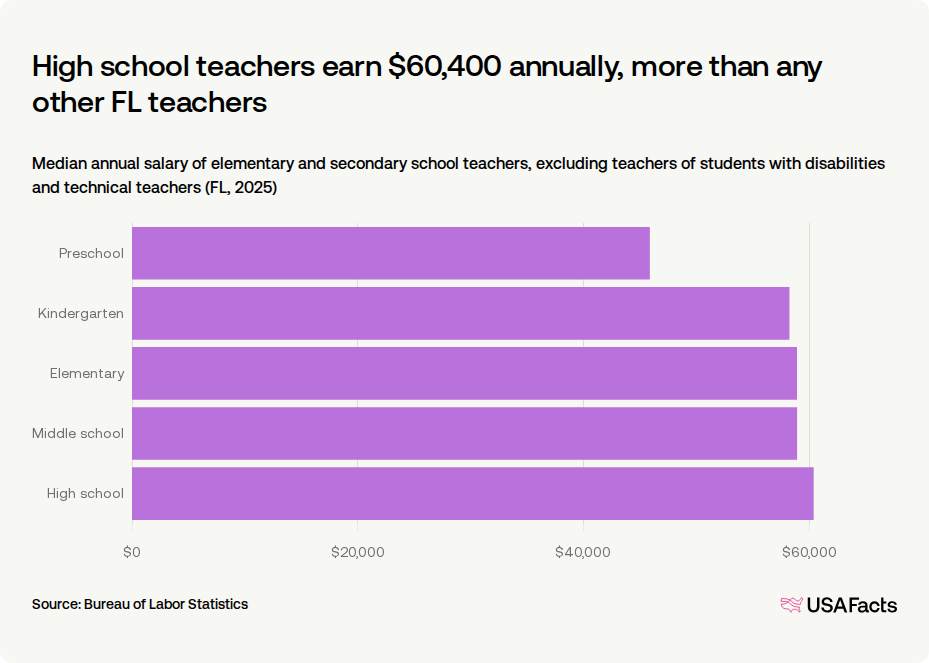
While exact figures fluctuate annually and vary by district, the average salary for a K-12 teacher in Florida generally falls within a competitive range, aiming to attract and retain qualified educators. These averages are often reported by organizations like the Florida Department of Education and various teacher unions. For instance, recent data often places the statewide average for public school teachers in the range of $50,000 to $60,000 annually. It’s important to note that this is an average, and individual salaries can be significantly higher or lower.
Factors Influencing Salary:
- Experience: New teachers typically start at the lower end of the pay scale, with salaries gradually increasing with each year of service. Longevity bonuses or incremental raises are common.
- Education: Teachers with advanced degrees, such as a Master’s or Doctorate, often command higher salaries. Districts recognize the increased expertise and commitment that advanced education signifies.
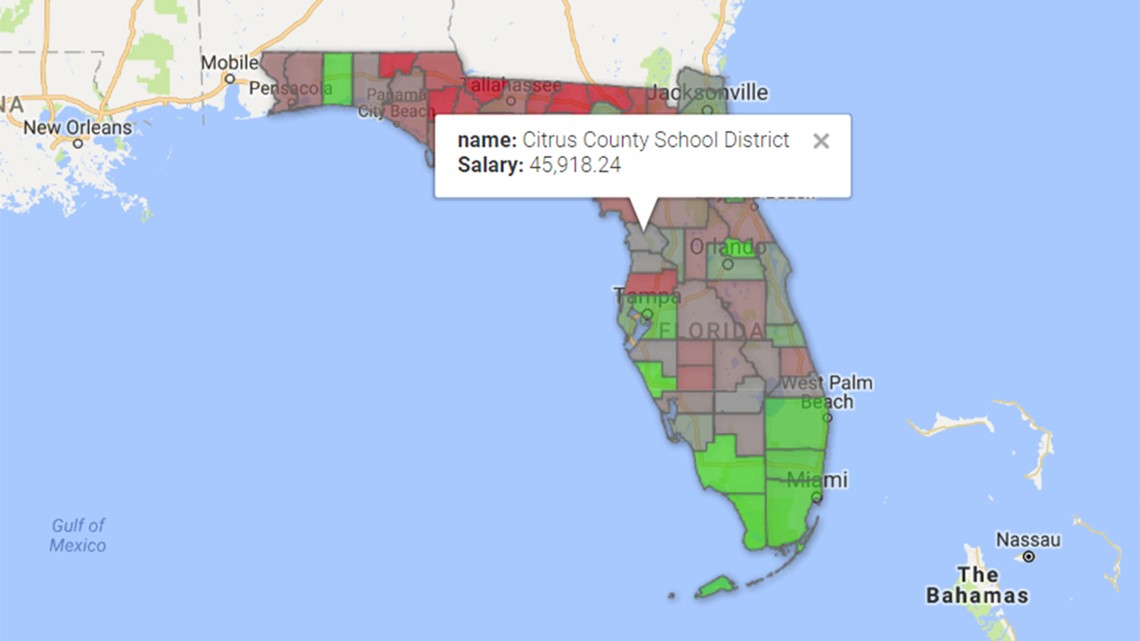
- District Wealth and Funding: Wealthier school districts, often those in more affluent areas or those that receive higher local funding, tend to offer more competitive salaries and better benefits packages compared to less affluent districts. This disparity can create variations in teacher compensation even within the same region.
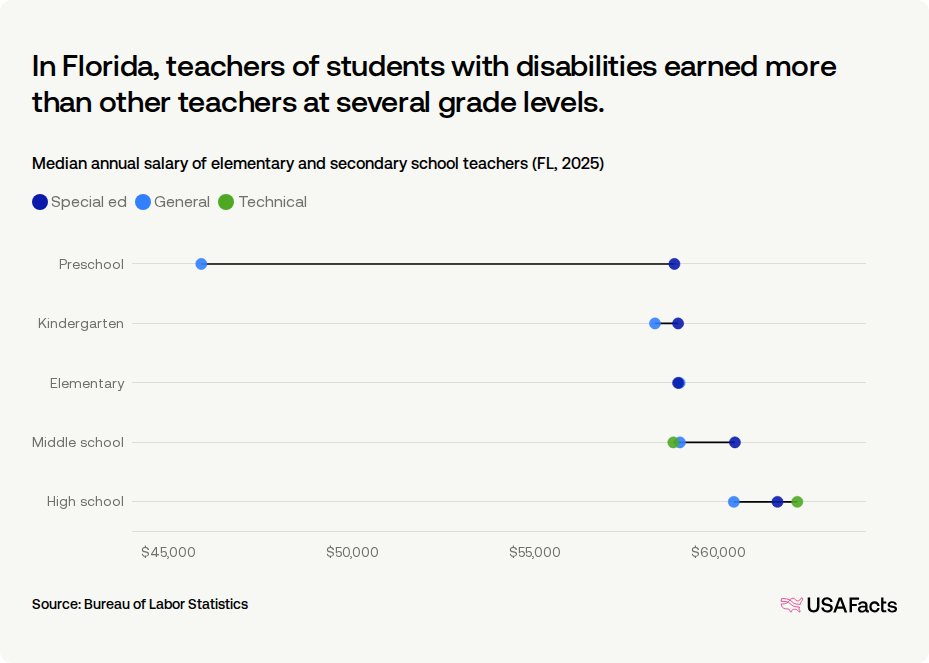
- Subject Area Demand: In some cases, teachers specializing in high-demand subjects, such as certain STEM fields (Science, Technology, Engineering, and Mathematics) or special education, might receive stipends or higher base pay to attract them to these critical roles.
The Role of Tourism in Supporting Public Services
The economic engine of tourism in Florida has a ripple effect that extends to public services, including education. Tax revenues generated by tourist activities, such as sales taxes on goods and services, hotel taxes, and a portion of property taxes from tourism-related businesses, contribute significantly to the state’s general fund. This funding is then allocated to various public sectors, including education.
Tax Revenue and Education Funding:
A substantial portion of the state budget is dedicated to funding public education. Tourist-generated revenue plays a vital role in this allocation. When tourists spend money on attractions, accommodations, dining, and retail, they contribute to the tax base that ultimately supports Florida’s schools. This includes funding for teacher salaries, classroom resources, school infrastructure, and extracurricular programs. Without the robust influx of capital from the tourism sector, the financial capacity of school districts to offer competitive compensation and invest in educational quality would be considerably diminished.
Indirect Economic Benefits:
Beyond direct tax contributions, the tourism industry indirectly supports education through job creation. Many individuals working in tourism-related fields are parents whose children attend public schools. The economic stability provided by these jobs allows families to invest in their children’s education and contribute to the local community. Furthermore, a well-educated populace is essential for the continued growth and sophistication of the tourism industry itself, creating a virtuous cycle. Businesses within the tourism sector often rely on a local talent pool that is well-prepared by the education system.
Comparing Teacher Compensation in Florida’s Tourism Hubs
To illustrate the impact of the tourism economy on local compensation, it is insightful to examine teacher salaries in areas heavily reliant on tourism. Cities and regions that attract a significant number of visitors often exhibit different economic dynamics, which can influence public sector wages.
Major Tourism Destinations and Salary Variations
Orlando and Central Florida: As the theme park capital of the world, home to giants like Walt Disney World Resort and Universal Orlando Resort, the Orlando metropolitan area has an economy deeply intertwined with tourism. School districts in this region, such as the Orange County Public Schools district, often strive to offer competitive salaries to attract educators to an area with a high cost of living and a constant demand for services. While specific salary schedules vary, teachers in these bustling tourist hubs may see compensation levels that are somewhat influenced by the overall economic prosperity driven by visitor spending.
Miami-Dade County: Miami, a global hub for culture, business, and tourism, also presents a unique economic landscape. The Miami-Dade County Public Schools district, one of the largest in the nation, faces the challenge of providing competitive salaries in a high-cost urban environment. The substantial economic activity generated by hotels, restaurants, international visitors, and cruise lines in Miami contributes to the tax base, which in turn can impact the resources available for teacher compensation.
Tampa Bay Area: The Tampa Bay region, encompassing cities like Tampa and St. Petersburg, is another major tourist draw, known for its beaches, professional sports, and vibrant cultural scene. School districts in this area, such as Hillsborough County Public Schools, operate within an economy that benefits significantly from tourism. The compensation offered to teachers here reflects both state mandates and local economic conditions influenced by visitor expenditure.
Cost of Living Considerations
It is crucial to consider the cost of living when evaluating teacher salaries. Areas with a high volume of tourism often experience a higher cost of living, particularly concerning housing. While salaries in these regions might appear higher on paper, the increased expenses for daily living can offset some of the benefits. This is a factor that policymakers and school districts must continually assess to ensure that teacher compensation remains adequate for educators to live comfortably within the communities they serve. The economic impact of tourism can exacerbate these cost-of-living pressures, making competitive salaries even more critical.
The Future of Teacher Compensation and Florida’s Tourism Economy
As Florida continues to solidify its position as a leading global tourism destination, the symbiotic relationship between the tourism sector and the education system will only become more pronounced. Ensuring that teachers are adequately compensated is not merely an issue of fairness; it is a strategic imperative for the long-term prosperity of the state.
Investing in Education for Sustained Tourism Growth
A robust and well-funded education system is a cornerstone of a thriving economy, particularly for a service-oriented industry like tourism. When Florida invests in its teachers, it is, in essence, investing in the future workforce that will continue to innovate and excel within the tourism sector. This includes:
- Skilled Workforce Development: Educated individuals are more likely to fill the diverse roles required by the tourism industry, from management positions in hotels and resorts to specialized roles in hospitality and customer service.
- Innovation and Service Excellence: A strong educational foundation fosters critical thinking and creativity, which are essential for developing new attractions, enhancing guest experiences, and maintaining Florida’s competitive edge in the global tourism market.
- Community Well-being: Well-compensated teachers contribute to stronger communities, which are more attractive places to live and visit. This positive cycle benefits everyone, including the tourism industry.
Policy and Advocacy for Teacher Support
The conversation around teacher pay in Florida is ongoing, with various stakeholders advocating for improvements. Efforts by teacher unions, parent organizations, and state legislators aim to raise teacher salaries to national averages or higher, recognizing the vital role educators play. These discussions often highlight the need for sustainable funding models that reflect the economic contributions of sectors like tourism. As tourism continues to flourish, there is an opportunity to leverage its economic success to further invest in the educators who are foundational to the state’s overall prosperity and its ability to attract and retain talent across all sectors. The commitment to competitive teacher salaries is a testament to Florida’s understanding that its future, both as an educational leader and a premier tourist destination, depends on its people.
LifeOutOfTheBox is a participant in the Amazon Services LLC Associates Program, an affiliate advertising program designed to provide a means for sites to earn advertising fees by advertising and linking to Amazon.com. Amazon, the Amazon logo, AmazonSupply, and the AmazonSupply logo are trademarks of Amazon.com, Inc. or its affiliates. As an Amazon Associate we earn affiliate commissions from qualifying purchases.