
The Brew-Tourism Ripple Effect: A Potential Merger’s Impact
The brewing industry, a dynamic blend of heritage and innovation, increasingly finds itself intertwined with the vibrant world of tourism. For many destinations, local breweries have become integral attractions, drawing travelers eager to explore unique flavors, production processes, and the stories behind their favorite pints. News of a potential merger involving a significant player like the Boston Beer Company, known for its flagship Samuel Adams brand, inevitably sends ripples through this intricate ecosystem. Such a development is not merely a corporate transaction; it carries profound implications for the burgeoning craft beer tourism segment, affecting everything from local visitor experiences to the broader perception of craft authenticity across America.

The rise of dedicated craft beer trails, immersive brewery tours, and tasting room visits has solidified beer as a legitimate and compelling draw for tourists. These experiences offer a deep dive into local culture, economy, and community spirit, appealing to a demographic that values discovery and unique, authentic encounters over mass-produced uniformity. A merger of this magnitude could reshape the landscape, influencing the diversity of offerings, the narratives spun around specific brands, and ultimately, the choices available to a discerning beer traveler.
Boston’s Brewing Heritage and the Visitor Experience
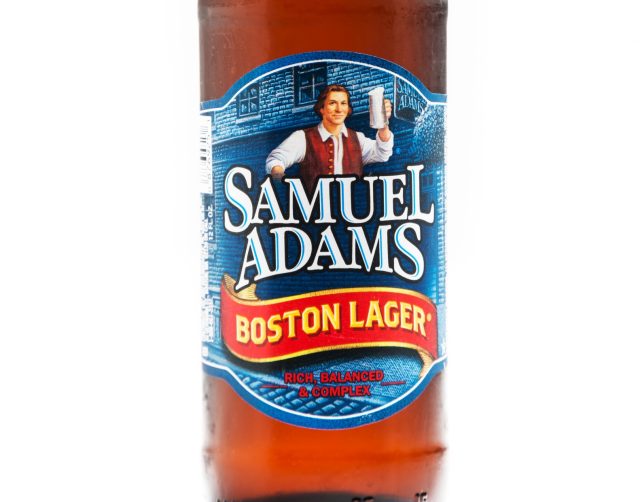
Boston, with its rich history and enduring spirit, holds a special place in the annals of American brewing. The Boston Beer Company, through its Samuel Adams brand, has played a pivotal role in popularizing craft beer and putting Boston on the map as a destination for beer enthusiasts. The Samuel Adams Boston Brewery in the Jamaica Plain neighborhood has long been a pilgrimage site for visitors, offering tours that narrate the history of the company, the brewing process, and the broader craft beer movement. It’s an attraction that blends industrial heritage with modern consumer appeal, providing a tangible link to the city’s innovative past and present.
For tourists, the allure of visiting a place like the Samuel Adams Boston Brewery lies in its perceived authenticity and its connection to a pioneering brand. A potential merger raises questions about how this authenticity might be maintained or altered. Will the narrative change? Will the unique local character of the brewery experience remain intact, or will it become just another outpost of a larger, potentially more corporate entity? Tourists often seek out experiences that feel genuinely local and independent. Any perceived shift away from these values could subtly, yet significantly, impact Boston’s appeal as a craft beer destination, affecting footfall, engagement, and the city’s overall standing in the competitive world of experiential tourism. The desire to taste a beer brewed on-site, to hear the stories directly from the source, and to feel a connection to a local enterprise is a powerful motivator for many travelers.
Craft Beer Trails Across America and Brand Consolidation
Beyond Boston, the Boston Beer Company’s brands are ubiquitous, featuring prominently in restaurants, bars, and retail outlets across America. They are often found alongside smaller, regional craft offerings, serving as a gateway for many consumers into the broader world of craft beer. The national footprint of a company like Boston Beer Company means that any significant corporate event, such as a merger, resonates far beyond its immediate operational base.
For craft beer tourists embarking on brewery tours or exploring regional beer trails, the presence of diverse, independent breweries is a key draw. These trails are curated experiences designed to showcase local innovation and flavor profiles. The concern among tourists and craft beer enthusiasts alike is that widespread mergers and acquisitions can lead to a homogenization of the market. While larger entities may bring efficiencies and broader distribution, there is an inherent risk of diminishing the diversity that defines the craft beer landscape. Tourists, increasingly sophisticated in their preferences, are often on a quest for something novel and distinctive—a limited-release brew, a unique ingredient, or a brewing philosophy that stands apart. If consolidation reduces the number of truly independent players, it could inadvertently lessen the ‘discovery’ aspect that makes craft beer tourism so compelling. The charm of visiting a small, independent brewery in a less-traveled town, discovering a hidden gem, could be overshadowed if the market becomes dominated by a few mega-brands, even if those brands originated as craft pioneers.
Authenticity and Local Culture: The Tourist’s Perspective
At the heart of craft beer tourism is a quest for authenticity and an immersion into local culture. Travelers aren’t just looking for a drink; they’re seeking a story, a connection, and an experience that reflects the spirit of the place they’re visiting. This is particularly true for food and beverage tourism, where the provenance of a product and the local traditions surrounding it are paramount. A potential merger of a company like Boston Beer Company inevitably sparks discussions about how such transactions affect the perception of ‘craft’ and ‘local’ in the eyes of the tourist.
The integrity of a brand’s origin story, its commitment to traditional brewing methods, and its role within the local community are all factors that contribute to its appeal as a tourist attraction. Many smaller breweries, for instance, are deeply embedded in their communities, acting as de facto cultural centers, hosting events, and drawing visitors who are keen to support local businesses. When a well-known craft brand merges with a larger entity, there is often a public debate about whether it retains its “craft” identity or becomes another segment of a larger corporate portfolio. This perception can significantly influence tourist choices, especially for those who prioritize supporting independent enterprises and experiencing genuine local flavors.
Preserving Unique Local Flavors Amidst Industry Shifts
The beauty of the craft beer movement lies in its sheer variety. From robust stouts in the Pacific Northwest to crisp lagers in the Midwest and experimental IPAs in New England, each region boasts its distinct brewing identity. This regional distinctiveness is a powerful magnet for beer tourists, who often plan their itineraries around tasting specific local styles or visiting renowned breweries in different areas. The concern with large-scale mergers is the potential for homogenization. While the acquiring company might pledge to maintain brand integrity, the pressure for efficiency, standardization, and broader market appeal can sometimes lead to a dilution of unique local flavors or a shift away from experimental, small-batch offerings that initially captivated consumers and tourists.
For destinations that have successfully cultivated a unique beer culture, preserving these distinct flavors is crucial for sustaining their tourism appeal. If flagship brands or influential local breweries become part of larger conglomerates, the focus might shift from local innovation to national distribution and broader appeal. This doesn’t necessarily mean a decline in quality, but it could mean a loss of the specific, often quirky, characteristics that define a region’s craft beer scene for a tourist. However, industry shifts also create opportunities for new, independent breweries to emerge, filling any perceived void and offering fresh, localized experiences that continue to draw discerning travelers. These newcomers often become the next generation of tourist attractions, championing hyper-local ingredients and innovative brewing techniques.
The Evolving Palate of the Craft Beer Tourist
Today’s craft beer tourist is increasingly sophisticated and knowledgeable. They are not merely seeking a pint; they are looking for an educational experience, a culinary adventure, and an opportunity to connect with passionate brewers. This discerning palate drives demand for variety, quality, and a compelling narrative behind each brew. They are interested in farm-to-glass operations, barrel-aging programs, and collaborations that push the boundaries of flavor.
A merger can impact the options available to this evolving palate in several ways. While a merged entity might have greater resources for innovation or broader distribution, it might also lead to a perception of reduced risk-taking or a focus on more commercially viable styles. For the tourist who meticulously researches their next brewery visit, any hint of a brand losing its independent spirit or unique voice could diminish its appeal. Tasting room experiences, which are central to craft beer tourism, thrive on the intimate connection between brewer and consumer, the storytelling, and the availability of exclusive, often experimental, brews. If a merger changes this dynamic, it could affect how tourists engage with the brand and the overall enjoyment of their visit. The expectation for a unique and memorable experience at every stop along a beer trail means that even subtle changes in a brand’s ethos post-merger can have a tangible impact on its tourist appeal.
Navigating the Future of Craft Beer Tourism
The prospect of a merger involving a company as influential as Boston Beer Company underscores the constant evolution within the craft beverage sector. For the tourism industry, this means an ongoing need to adapt and innovate in how it promotes and presents craft beer experiences. Destinations aiming to attract beer tourists must remain agile, focusing on highlighting the authentic, diverse, and independent aspects of their local brewing scenes, irrespective of larger corporate movements.
Tourism boards, local businesses, and individual breweries play a crucial role in curating and communicating the unique stories and offerings that define their beer culture. Emphasizing small, hyper-local breweries, celebrating regional ingredients, and fostering a vibrant community around beer can ensure that the spirit of craft beer tourism continues to thrive. The narrative for the tourist must always center on discovery, quality, and genuine connection.
Tips for the Discerning Beer Traveler
For those planning a beer-focused trip, navigating an evolving industry requires a thoughtful approach. Research is paramount: look for independent breweries with strong local ties, check out community events and beer festivals, and seek out establishments that prioritize unique, small-batch offerings. Visiting taprooms directly often provides the most authentic experience, allowing direct engagement with brewers and the opportunity to sample beers not widely distributed.
Supporting local means more than just buying a beer; it means engaging with the people behind the product, understanding their vision, and contributing directly to the local economy and cultural fabric. Exploring diverse neighborhoods, talking to locals, and being open to new tastes will always yield the most rewarding and memorable beer tourism experiences, regardless of how the larger industry landscape shifts.

The Enduring Appeal of Craft
Ultimately, the appeal of craft beer tourism is rooted in a desire for connection, authenticity, and discovery. While corporate consolidations may alter the landscape, the fundamental allure of exploring diverse flavors, understanding the art of brewing, and immersing oneself in local culture will remain. The spirit of craft—characterized by innovation, passion, and a commitment to quality—will continue to drive travelers to seek out new and exciting beer experiences. The industry may evolve, but the core human desire to explore, taste, and connect with genuine craft will endure, shaping the future of beer tourism in exciting and unpredictable ways.
LifeOutOfTheBox is a participant in the Amazon Services LLC Associates Program, an affiliate advertising program designed to provide a means for sites to earn advertising fees by advertising and linking to Amazon.com. Amazon, the Amazon logo, AmazonSupply, and the AmazonSupply logo are trademarks of Amazon.com, Inc. or its affiliates. As an Amazon Associate we earn affiliate commissions from qualifying purchases.