
For many aspiring professionals in the veterinary field, the Golden State presents a unique blend of opportunities and challenges. California is renowned for its progressive lifestyle, diverse communities, and, notably, its high cost of living. Understanding the earning potential for veterinarians in this dynamic state is crucial for those considering a career here, as it directly impacts their quality of life, financial stability, and long-term professional satisfaction. The financial landscape for vets in California is shaped by numerous factors, from the type of practice and years of experience to the specific geographic region within the state. Navigating these nuances is key to building a sustainable and rewarding lifestyle as a veterinary professional.

Understanding the Veterinary Landscape in California
California boasts a vibrant and diverse veterinary market, reflecting its large population of pet owners, expansive agricultural industry, and significant wildlife conservation efforts. This breadth of demand translates into a wide array of career paths for veterinarians, each with its own compensation structure.
Types of Veterinary Practice
The specialization a veterinarian chooses profoundly impacts their earning potential. General practice veterinarians, who primarily work with companion animals (dogs, cats, small mammals), form the backbone of the profession and often represent the entry-level salary benchmark. Their work typically involves routine check-ups, vaccinations, minor surgeries, and managing common illnesses.
On the other hand, specialists often command higher salaries due to their advanced training and expertise. This includes veterinary surgeons, internal medicine specialists, dermatologists, oncologists, cardiologists, and emergency and critical care veterinarians. These roles require additional years of residency and board certification, making their services more premium.
Beyond companion animals, veterinarians can work in various other sectors:
- Large Animal Practice: Focusing on livestock (cattle, horses, pigs, sheep) in agricultural regions.
- Equine Practice: Dedicated exclusively to horses, often involving sports medicine and specialized care.
- Exotic Animal Practice: Catering to non-traditional pets like reptiles, birds, and amphibians.
- Public Health: Working for government agencies on disease control, food safety, and public health initiatives.
- Academia and Research: Contributing to veterinary education and scientific discovery, often found at institutions like the UC Davis School of Veterinary Medicine.
- Corporate and Pharmaceutical: Roles in veterinary product development, sales, and management.
Each of these specializations brings a different set of skills, responsibilities, and, consequently, a distinct salary range.
Factors Influencing Salary
Several critical factors contribute to the variation in veterinary salaries across California:
- Experience Level: Naturally, entry-level veterinarians typically earn less than those with several years of experience. With each year, expertise grows, and so does the capacity to handle complex cases and leadership roles, leading to higher compensation.
- Education and Specialization: As mentioned, board-certified specialists earn significantly more than general practitioners. A Doctor of Veterinary Medicine (DVM) is the baseline, but further certifications or advanced degrees can increase earning power.
- Geographic Location: Salary expectations vary considerably depending on whether a practice is located in a high-cost-of-living metropolitan area or a more rural, affordable region. Urban areas with a higher density of affluent pet owners often offer higher salaries but also come with higher living expenses.
- Type of Employer: Corporate veterinary groups (e.g., VCA Animal Hospitals, Banfield Pet Hospital) might offer structured salaries, benefits packages, and opportunities for advancement. Private practices, while potentially offering more autonomy, can have more variable compensation structures depending on the practice’s profitability and owner’s discretion. Emergency and specialty hospitals often pay more due to the demanding nature of the work and the specialized services provided.
- Skills and Procedures: Vets proficient in advanced surgical techniques, ultrasound, endoscopy, or other specialized procedures can command higher compensation.
- Workload and Hours: Veterinarians working longer hours, on-call shifts, or in high-volume clinics may see higher overall earnings, sometimes through production-based bonuses.
Average Salaries Across California’s Major Regions
While specific figures fluctuate with market demand and economic conditions, general salary ranges provide a valuable benchmark. It’s important to note that these are averages, and individual salaries can fall outside these ranges based on the factors listed above.
Southern California (e.g., Los Angeles, San Diego)
Southern California, encompassing major metropolitan areas like Los Angeles, San Diego, and Orange County, is known for its high population density and a large number of affluent pet owners. This region typically offers some of the highest veterinary salaries in the state, often reflecting the exceedingly high cost of living.
- Entry-level general practitioners: May start in the range of $80,000 – $110,000 per year.
- Experienced general practitioners: Can expect to earn between $120,000 – $170,000 annually.
- Specialists (e.g., surgeons, internal medicine): Salaries can easily exceed $180,000, with some highly experienced specialists earning upwards of $250,000 or more, especially in emergency and critical care or specialized surgery.
Northern California (e.g., San Francisco Bay Area, Sacramento)
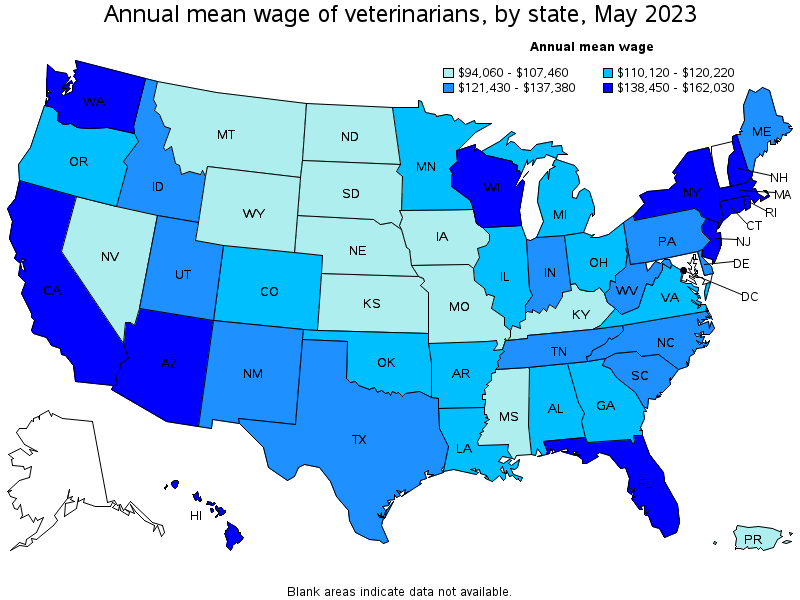
The San Francisco Bay Area mirrors, and in some cases surpasses, Southern California in terms of cost of living, which is reflected in veterinary salaries. The state capital, Sacramento, offers a slightly more moderate but still competitive market.
- Entry-level general practitioners (Bay Area): Often start around $90,000 – $120,000. In Sacramento, this might be closer to $85,000 – $115,000.
- Experienced general practitioners (Bay Area): Can earn $130,000 – $180,000+. In Sacramento, this range could be $120,000 – $160,000.
- Specialists (Bay Area): Compensation is often similar to or slightly higher than Southern California, with many earning well over $200,000. The presence of large animal practices in surrounding areas also creates opportunities for specialized equine and farm animal vets.
Central California (e.g., Fresno)
Central California, encompassing cities like Fresno, Bakersfield, and Modesto, tends to have a lower cost of living compared to the coastal metros. This region also has a strong demand for large animal veterinarians due to its agricultural backbone.
- Entry-level general practitioners: Typically range from $75,000 – $100,000.
- Experienced general practitioners: Usually earn $100,000 – $140,000.
- Specialists: While fewer positions might be available compared to major metros, specialists can still command higher salaries, often between $150,000 – $200,000, particularly those serving both companion animals and the lucrative equine or dairy industries.
The Cost of Living vs. Vet Salaries in the Golden State
The discussion of veterinary salaries in California is incomplete without addressing the state’s notorious cost of living. While salaries are generally higher than the national average, the purchasing power can be significantly diminished in major urban centers. This is a crucial “lifestyle” consideration for any professional.
Housing and Lifestyle Considerations
Housing costs are by far the largest expense for most Californians. Median home prices and rental rates in Los Angeles and the San Francisco Bay Area can be two to three times the national average. Even with a six-figure salary, owning a home, especially close to work, can be a distant dream for many vets, particularly those fresh out of veterinary school burdened with student loan debt.
This reality often forces veterinarians to commute longer distances from more affordable outlying areas, impacting their work-life balance and overall lifestyle. For those prioritizing homeownership or a more spacious living environment, Central California or more rural parts of Northern California might offer a better quality of life relative to income, despite potentially lower absolute salaries. Other lifestyle costs, such as groceries, utilities, and transportation, are also generally higher throughout the state.
Balancing Debt and Income
Veterinary education is expensive, with many DVM graduates accumulating substantial student loan debt, often in the range of $150,000 to $200,000 or more. While California’s higher salaries can help service these debts, the high cost of living means a larger portion of one’s income might go towards essential expenses rather than debt repayment or savings. Prospective veterinarians should carefully consider their financial plan, including potential loan repayment assistance programs, when deciding to practice in high-cost areas of California.
Career Growth and Future Outlook for Vets in California
Despite the financial pressures, the long-term career outlook for veterinarians in California remains robust, driven by a growing pet-owning population and advances in veterinary medicine. Opportunities for career growth and increased earning potential are plentiful.
Specialization and Advanced Degrees
Pursuing specialization is a clear path to higher income and enhanced professional satisfaction. The demand for veterinary specialists in California’s affluent markets is consistently high, allowing these professionals to command premium fees for their unique expertise. Residency programs, fellowships, and board certification not only elevate earning potential but also open doors to research, teaching, and leadership roles.

Practice Ownership and Entrepreneurship
For many veterinarians, the ultimate goal is to own their own practice. Practice ownership offers the highest earning potential, as owners benefit from the entire revenue stream of the clinic, not just their professional salary. However, it also comes with significant responsibilities, including management, staffing, and financial oversight. In California, starting or acquiring a practice can be very expensive, especially in prime locations, but the rewards can be substantial for successful entrepreneurs. Building a strong brand and client base within California’s competitive market can lead to a highly lucrative and fulfilling career.
In conclusion, while veterinarians in California can expect higher-than-average salaries, these figures must be weighed against the state’s elevated cost of living. Strategic career planning, including specialization and considering regional differences, is essential to achieve a comfortable and fulfilling lifestyle in the Golden State.
LifeOutOfTheBox is a participant in the Amazon Services LLC Associates Program, an affiliate advertising program designed to provide a means for sites to earn advertising fees by advertising and linking to Amazon.com. Amazon, the Amazon logo, AmazonSupply, and the AmazonSupply logo are trademarks of Amazon.com, Inc. or its affiliates. As an Amazon Associate we earn affiliate commissions from qualifying purchases.