
Understanding the intricacies of sales tax in California is paramount for any traveler planning an extended stay, a leisurely exploration, or even a brief sojourn through the Golden State. While the allure of its diverse landscapes, from the sun-drenched beaches of Southern California to the majestic peaks of the Sierra Nevada, is undeniable, financial preparedness is key to maximizing enjoyment and avoiding unwelcome surprises. Sales tax in California is not a monolithic figure; it’s a dynamic calculation influenced by a combination of statewide, county, and local district rates, creating a complex but navigable system for visitors.
The Components of California Sales Tax
California’s sales tax structure is designed to fund various public services and infrastructure projects, with revenue distributed across state, county, and local levels. For travelers, this translates into a variable tax rate depending on the specific geographic location within the state.
Statewide Base Rate
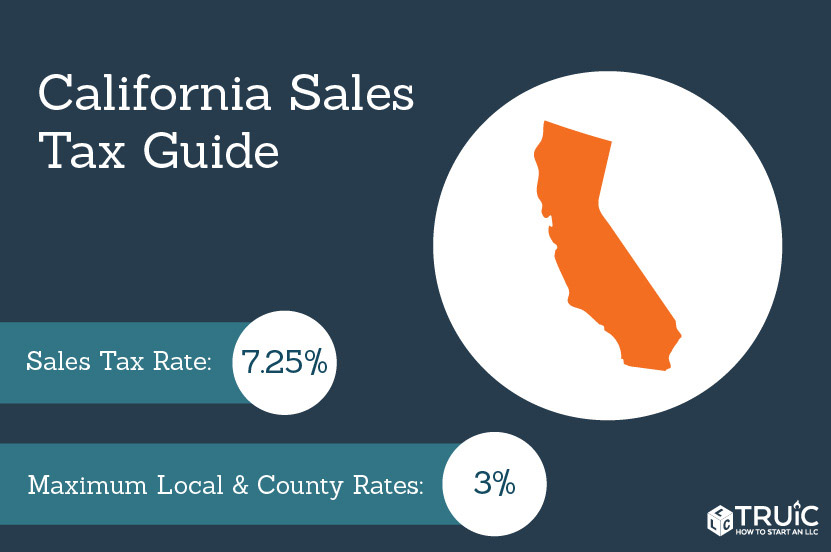
At its core, California imposes a statewide sales and use tax. This rate forms the foundation upon which all other local taxes are added. Currently, the statewide base rate is 7.25%. This rate applies to the sale of tangible personal property and certain services throughout the state. When you purchase goods or services, this percentage is the initial component of the tax you will encounter.
County and District Taxes
Beyond the statewide rate, counties and specific local districts have the authority to levy additional sales and use taxes. These are often referred to as “add-on” taxes. The most common of these are district taxes, which can be authorized by a majority vote of the electorate within a county or a specific geographic area within a county. These district taxes can be imposed for a variety of purposes, such as funding transportation projects, public safety initiatives, or local government operations.
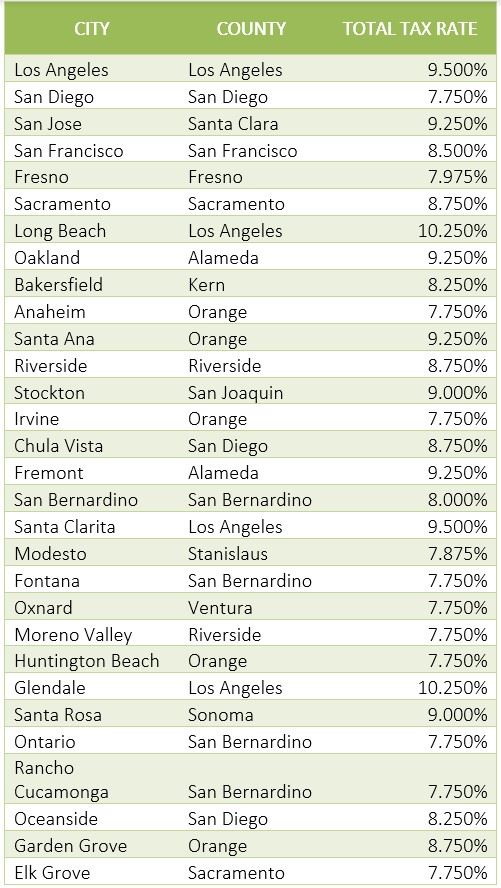
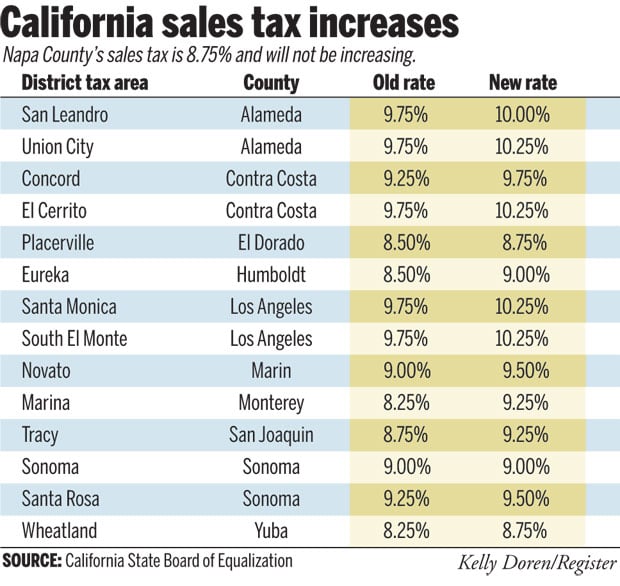
The combination of these various district taxes with the statewide base rate results in a wide range of total sales tax rates across California. For instance, a purchase made in Los Angeles will likely have a different total sales tax rate than one made in San Francisco or a more rural county. This variability is a crucial factor for travelers to consider when budgeting for their trip.
Use Tax
It is also important to understand California’s “use tax.” Use tax is essentially the counterpart to sales tax and is imposed on items purchased outside of California for use within the state, but on which sales tax was not paid. This is particularly relevant for online purchases or items acquired during trips outside the state. If you purchase an item online from a retailer who does not collect California sales tax, you are generally responsible for paying the use tax directly to the state. This ensures that California receives tax revenue on goods and services consumed within its borders, regardless of where the transaction occurred. The rate for use tax is the same as the applicable sales tax rate in your locality.
Navigating the Tax Landscape by Region
Given the variation in local taxes, understanding the approximate sales tax rates in popular tourist destinations is highly beneficial for trip planning. While these rates can change, knowing the general range allows for better financial forecasting.
Major Metropolitan Areas
-
Los Angeles County: This populous county typically has some of the highest combined sales tax rates in the state due to multiple district taxes. Travelers visiting cities like Los Angeles, Santa Monica, or Long Beach can expect to encounter rates that often hover around 9.5%. This includes the state’s 7.25% base, plus various county and special district taxes.
-
Orange County: Home to popular attractions like Disneyland Resort and numerous beaches, Orange County also features combined rates that can reach approximately 7.75% to 8.75%, depending on the specific city.
-
San Diego County: Visitors to San Diego and its surrounding areas will generally find sales tax rates in the range of 7.75% to 8.75%. This includes the 7.25% state rate plus local district taxes.
-
San Francisco Bay Area: This economically vibrant region, encompassing cities like San Francisco, Oakland, and San Jose, often has higher sales tax rates due to a significant number of voter-approved district taxes. Rates in these urban centers can commonly reach 8.5% to over 10%. For example, the city and county of San Francisco itself often has one of the highest combined rates in the state.
Other Popular Travel Destinations
-
Central Coast (e.g., Santa Barbara, Monterey): Regions along the picturesque Central Coast, such as Santa Barbara and Monterey, typically have sales tax rates ranging from 7.75% to 8.75%.
-
Wine Country (e.g., Napa, Sonoma): While famous for its vineyards and wineries, the sales tax in areas like Napa Valley and Sonoma County generally falls within the 7.75% to 8.75% range.
-
Mountain and Desert Regions (e.g., Lake Tahoe, Palm Springs): Even in more resort-oriented or natural areas like Lake Tahoe or Palm Springs, sales tax rates can vary, but often remain within the 7.75% to 8.75% bracket.
It is crucial to note that these are approximate figures. The precise rate for any given transaction depends on the specific address where the sale takes place.
What is Taxed and What Isn’t?
Understanding the scope of taxable items and services is as important as knowing the rates. In California, sales tax generally applies to the retail sale of tangible personal property.
Tangible Personal Property
This includes a vast array of goods that travelers might purchase, such as:
- Clothing and accessories
- Souvenirs and gifts
- Electronics
- Groceries (though some exemptions apply, discussed below)
- Restaurant meals and prepared foods
- Hotel amenities and room service items
Services
While the primary focus is on tangible goods, certain services are also subject to sales tax. This can include:
- Repair and maintenance services for tangible personal property
- Some telecommunication services
- Lodging (hotels, motels, vacation rentals)
- Admissions to certain places of amusement, entertainment, or recreation.
Exemptions and Special Cases
California does provide exemptions for certain essential items and specific types of transactions to ease the tax burden on consumers.
-
Food for Home Consumption: Unprepared food sold in grocery stores for consumption at home is generally exempt from sales tax. This includes items like fruits, vegetables, bread, dairy products, and meats. However, prepared foods, such as deli items, hot foods, and restaurant meals, are taxable.
-
Prescription Medicines: Prescription drugs dispensed by a licensed pharmacist are exempt. Over-the-counter medications are generally taxable.
-
Medical Devices: Certain medical devices and supplies may be exempt.
-
Interstate Sales: Sales shipped out of California to another state are generally not subject to California sales tax, provided the seller ships the goods to the out-of-state destination.
-
Business-to-Business Transactions: Certain transactions between businesses may be exempt or subject to different rules.
-
Specific Local Exemptions: While rare, some localities might have specific exemptions, though this is less common than variations in tax rates.
For travelers, the most significant exemption to be aware of is often the one concerning groceries for home consumption. This can lead to different tax treatments for items purchased at a supermarket versus a convenience store or restaurant.
Tips for Travelers to Manage Sales Tax
Being aware of California’s sales tax system can significantly improve a traveler’s financial experience. Here are some practical tips:
Budgeting Accurately
Before your trip, research the approximate sales tax rate for the specific cities or regions you plan to visit. Add this percentage to your estimated spending on goods and services. For example, if you plan to spend $1000 on shopping and dining in a Los Angeles area with a 9.5% sales tax, you should budget an additional $95 for taxes.
Understanding Purchase Location
The sales tax rate is determined by the physical location where the sale is completed – typically the point of sale. If you are shopping, the address of the store applies. If you are dining, it’s the restaurant’s location. This is especially important if you are traveling between different counties or cities within a single day.
Online Shopping Considerations
If you plan to make online purchases for delivery to your hotel or a temporary address in California, be aware that most online retailers are required to collect and remit California sales tax. If a retailer does not collect the tax, you are responsible for reporting and paying the use tax when you file your California tax return. Many travelers may not need to file a California tax return for a short visit, but it’s a point of compliance to be aware of for larger purchases.
Utilizing Tax Calculators
The California Department of Tax and Fee Administration (CDTFA) provides resources, including a sales and use tax rate finder. You can input a specific address or zip code to get the most current and accurate tax rate for that location. This is an invaluable tool for precise budgeting.
Groceries vs. Prepared Foods
Distinguishing between items taxed as “food for home consumption” and those taxed as prepared foods can lead to savings. Purchasing raw ingredients from a supermarket for meals at your rental property or accommodation is typically tax-free, whereas buying a pre-made sandwich or salad from the same store will incur sales tax. Similarly, dining at a restaurant is subject to sales tax.
Large Purchases and Destination
For significant purchases, consider where you are buying the item. If you are purchasing something substantial, such as furniture or a large electronic, knowing the exact tax rate at different retail locations can influence your decision. Furthermore, if the item is to be shipped to a different location, the shipping destination’s tax rate may apply.
By familiarizing yourself with these aspects of California’s sales tax, travelers can approach their journey with greater financial confidence, ensuring that their focus remains on the incredible experiences the state has to offer, from the iconic theme parks of Anaheim to the cultural treasures of San Francisco. A little bit of preparation goes a long way in making any trip to the Golden State both enjoyable and financially sound.
LifeOutOfTheBox is a participant in the Amazon Services LLC Associates Program, an affiliate advertising program designed to provide a means for sites to earn advertising fees by advertising and linking to Amazon.com. Amazon, the Amazon logo, AmazonSupply, and the AmazonSupply logo are trademarks of Amazon.com, Inc. or its affiliates. As an Amazon Associate we earn affiliate commissions from qualifying purchases.