
Understanding the financial landscape of California is paramount for anyone considering a move, extended stay, or simply managing their finances within the Golden State. Taxes are a significant component of the cost of living and can profoundly impact one’s lifestyle, from the choices available for housing and recreation to long-term financial planning. While California is celebrated for its vibrant culture, economic opportunities, and diverse natural beauty, it also has a reputation for a complex and often high tax structure. For residents, business professionals, or even those on long-term assignments, grasping these financial realities is crucial to navigating life here successfully.
Understanding California’s Tax Landscape
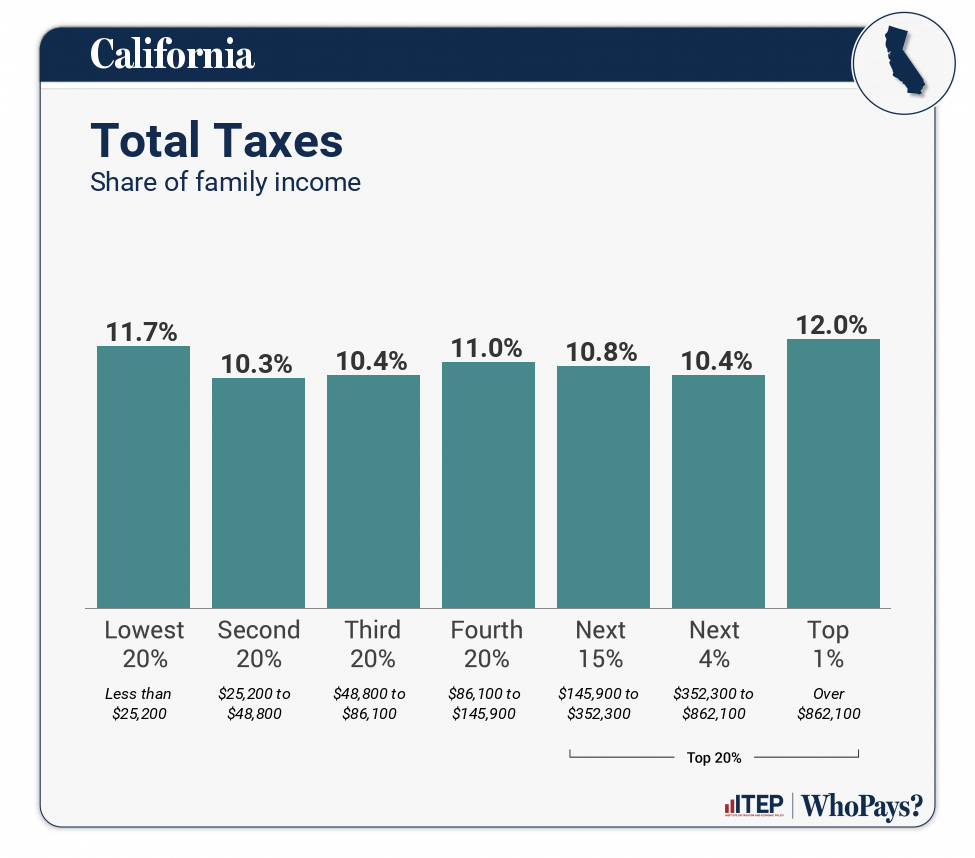
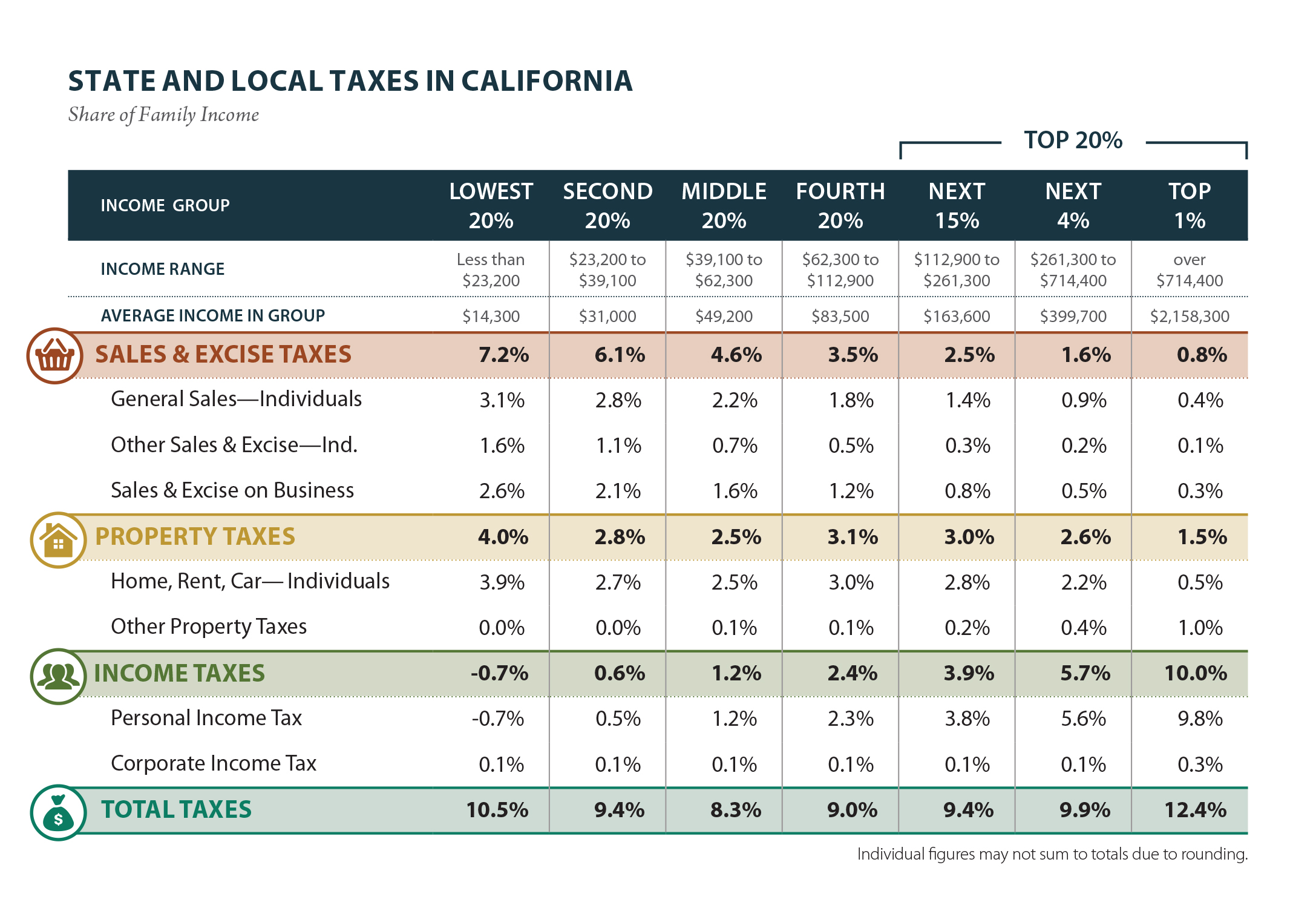
California’s tax system is often cited as one of the most progressive and highest in the United States. This reputation is largely due to its high state income tax rates, substantial sales taxes, and property tax considerations, all of which contribute to the overall cost of maintaining a desired lifestyle. These taxes fund a vast array of public services, including education, infrastructure, environmental protection, and social programs, which many argue contribute to the state’s high quality of life and robust economy. However, for individuals and businesses, the cumulative effect of these taxes requires careful financial planning and budgeting.
The unique blend of high earners in tech hubs like Silicon Valley, entertainment industries in Hollywood, and agricultural sectors across the state means that the tax burden is distributed across a diverse economic base. For those moving to California from states with lower tax rates, the adjustment can be significant. It affects everything from discretionary spending on luxury travel or dining to essential expenses like housing and transportation. Understanding these dynamics is the first step toward making informed financial decisions that support your chosen lifestyle in California.
Key Taxes Affecting Your California Lifestyle
Several distinct types of taxes significantly influence the financial experience of living or doing business in California. Each has its own structure and impact, and together they form the complex web of financial obligations for individuals and entities in the state.
State Income Tax: A Progressive Structure
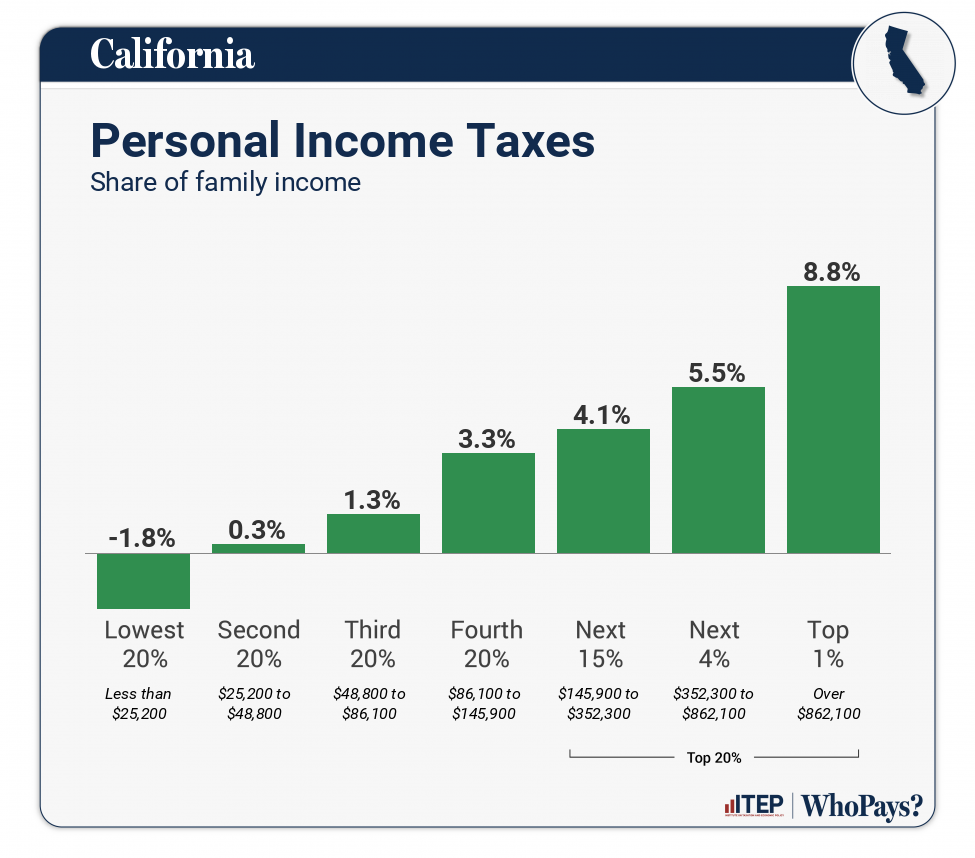
California boasts the highest top marginal income tax rate in the nation. The state’s income tax system is progressive, meaning higher earners pay a larger percentage of their income in taxes. For 2023, the income tax rates range from 1% to 12.3%, with an additional 1% surcharge on taxable incomes over $1 million, often referred to as the “mental health services tax.” This can bring the effective top marginal rate for high-income individuals to 13.3%.
For those pursuing a luxury lifestyle or working in high-paying industries, a substantial portion of their income can be allocated to state taxes. Conversely, middle-income families, while benefiting from lower brackets, still face rates that are often higher than in many other states. This progressive structure means that decisions about where to live, where to establish a business, or even whether to take on a higher-paying job, are often weighed against the state’s income tax implications. Remote workers considering moving to California must also understand that their income will likely be subject to these state taxes, even if their employer is based elsewhere.
Sales Tax: Impact on Everyday Spending
California has one of the highest statewide sales tax rates, currently at 7.25%. However, this is just the base rate. Most cities and counties impose additional district sales taxes, which can push the combined sales tax rate much higher. For example, in many parts of Los Angeles County or Alameda County, the combined sales tax can exceed 9% or even 10%.
This pervasive tax impacts nearly every consumer purchase, from daily groceries (though some food items are exempt) and restaurant meals to clothing, electronics, and vehicles. For individuals on a budget, high sales taxes can significantly reduce purchasing power and make everyday living more expensive. For those pursuing a lifestyle involving frequent shopping or luxury goods, the cumulative sales tax paid over a year can be substantial. It’s a hidden cost that adds up quickly and needs to be factored into any realistic budget for living in California.
Property Taxes: A Major Consideration for Homeowners
Property taxes in California are unique due to Proposition 13, passed in 1978. This proposition limits the annual increase in assessed property value to a maximum of 2% per year, until the property is sold. At the time of sale, the property is reassessed to its current market value. The base property tax rate is generally 1% of the assessed value, with additional local levies and special assessments varying by district.
While Proposition 13 can offer significant protection to long-term homeowners against rapidly rising property values and corresponding tax bills, it also means that new homebuyers often face substantially higher property tax burdens based on current market values, which are notoriously high in California. For individuals considering long-term stays, retirement, or building wealth through real estate, understanding Proposition 13 is critical. It influences not only the initial cost of homeownership but also the long-term affordability and equity growth potential, directly impacting financial lifestyle choices.
Other Notable Taxes
Beyond the primary income, sales, and property taxes, California levies several other taxes that contribute to the overall cost of living. These include a relatively high gas tax, which impacts transportation costs, especially in a state where driving is often a necessity. Vehicle registration fees are also notable and can vary significantly based on the car’s value and age. Furthermore, various local taxes, utility taxes, and specific industry taxes (e.g., cannabis excise tax) add to the financial obligations. While individually smaller, these taxes collectively add to the cost of maintaining a specific lifestyle, particularly for those who frequently drive, own multiple vehicles, or engage in taxed recreational activities.
The Cost-Benefit Analysis of the California Lifestyle
Given the relatively high tax burden, many ponder what makes California such an attractive place for millions. The answer often lies in a compelling cost-benefit analysis. The taxes collected in California fund a comprehensive network of public services and infrastructure that contribute to a high quality of life, robust economic opportunities, and a diverse range of lifestyle choices.
These investments lead to world-class public universities like the University of California system, innovative research, and cutting-edge healthcare facilities. The state’s commitment to environmental protection has preserved vast natural landscapes, from the beaches of San Diego to the forests of Redwood National Park and the mountains of the Sierra Nevada, offering unparalleled recreational opportunities.
Economically, California remains a global leader in technology, entertainment, agriculture, and innovation, providing abundant job opportunities and driving a dynamic economy. This vibrancy attracts talent and capital from across the globe. For many, the unique blend of career prospects, natural beauty, cultural richness, and progressive social values outweighs the higher financial costs. Whether it’s the allure of a tech career, the dream of working in film, or simply the desire for a sunny, outdoor-centric lifestyle, the perceived value often justifies the tax commitment for those who choose to live here.
Navigating California Taxes for Different Lifestyles
Effectively managing taxes in California requires strategic planning tailored to individual circumstances, whether you are a long-term resident, a business professional, or a digital nomad.
For the Resident: Financial Planning and Budgeting
For permanent residents, proactive financial planning is essential. This includes understanding all available tax deductions and credits, which can significantly reduce your taxable income. Consulting with a qualified tax professional is often advisable to optimize your tax strategy, especially for those with complex financial situations, such as self-employment income, investments, or property ownership. Budgeting meticulously for sales tax, property tax, and other levies beyond income tax will provide a clearer picture of your actual disposable income and ensure long-term financial health. Planning for significant purchases or life changes with tax implications in mind can prevent unexpected financial strains.
For the Business Professional: Implications for Work and Relocation
Business professionals contemplating relocation to California or starting a business in the state must conduct thorough due diligence regarding tax implications. Corporate income tax, franchise tax, and specific industry taxes can significantly affect profitability and operational costs. For individuals, understanding how stock options, bonuses, and other forms of compensation are taxed is crucial. The high cost of living, exacerbated by taxes, can influence salary negotiations and overall compensation expectations. Engaging a local tax attorney or financial advisor can provide invaluable insights into navigating California’s business and individual tax environment, ensuring compliance and maximizing financial efficiency.
For the Long-Term Visitor/Digital Nomad: Residency Rules
Digital nomads and long-term visitors need to pay close attention to California’s residency rules for tax purposes. The state has stringent criteria for determining who is considered a resident, and simply spending more than six months in the state can trigger residency status, making all your income, regardless of its source, subject to California income tax. This can have significant implications for individuals earning income remotely or from out-of-state sources. Understanding the factors that determine residency, such as voter registration, driver’s license, property ownership, and bank accounts, is critical to avoid unintentional tax liabilities. Seeking professional advice is highly recommended for those whose work and living situations might straddle state lines.
Future Outlook: Tax Changes and Economic Trends
California’s tax policies are not static; they are continually shaped by economic trends, legislative debates, and the state’s fiscal needs. Discussions surrounding wealth taxes, changes to Proposition 13, and adjustments to income tax brackets are perennial topics in state politics. Economic shifts, such as recessions or periods of rapid growth, also influence tax revenues and, consequently, legislative decisions regarding tax rates and programs.
Staying informed about these potential changes is essential for financial planning. For individuals and businesses committed to the California lifestyle, adaptability and ongoing financial education are key to successfully navigating the state’s unique tax environment and ensuring long-term financial stability. While the tax burden in California can be substantial, a comprehensive understanding and proactive approach allow many to thrive amidst the vibrant opportunities and unparalleled experiences the Golden State offers.
LifeOutOfTheBox is a participant in the Amazon Services LLC Associates Program, an affiliate advertising program designed to provide a means for sites to earn advertising fees by advertising and linking to Amazon.com. Amazon, the Amazon logo, AmazonSupply, and the AmazonSupply logo are trademarks of Amazon.com, Inc. or its affiliates. As an Amazon Associate we earn affiliate commissions from qualifying purchases.