
The arrival at a premier lodging establishment often sets the tone for the entire stay. Whether you are pulling up to the grand entrance of the Four Seasons Hotel New York in the heart of Manhattan or arriving for a sun-drenched retreat at the Beverly Hills Hotel in California, the valet attendant is typically the first point of contact. This interaction, while brief, is governed by a long-standing tradition of hospitality etiquette: tipping. For many travelers, the question of how much to tip a valet remains one of the most common sources of social anxiety. Understanding the nuances of gratuity ensures that your stay begins with grace and professional mutual respect.

The Fundamentals of Hotel Valet Gratuity
Valet service is more than just a convenience; it is a premium amenity that offers security, time-saving benefits, and a seamless transition from the road to the lobby. While the cost of the service itself may be included in your room rate or charged as a daily fee—often seen in bustling urban centers like Chicago or San Francisco—the tip is an acknowledgment of the personal effort exerted by the staff.
When to Hand Over the Cash
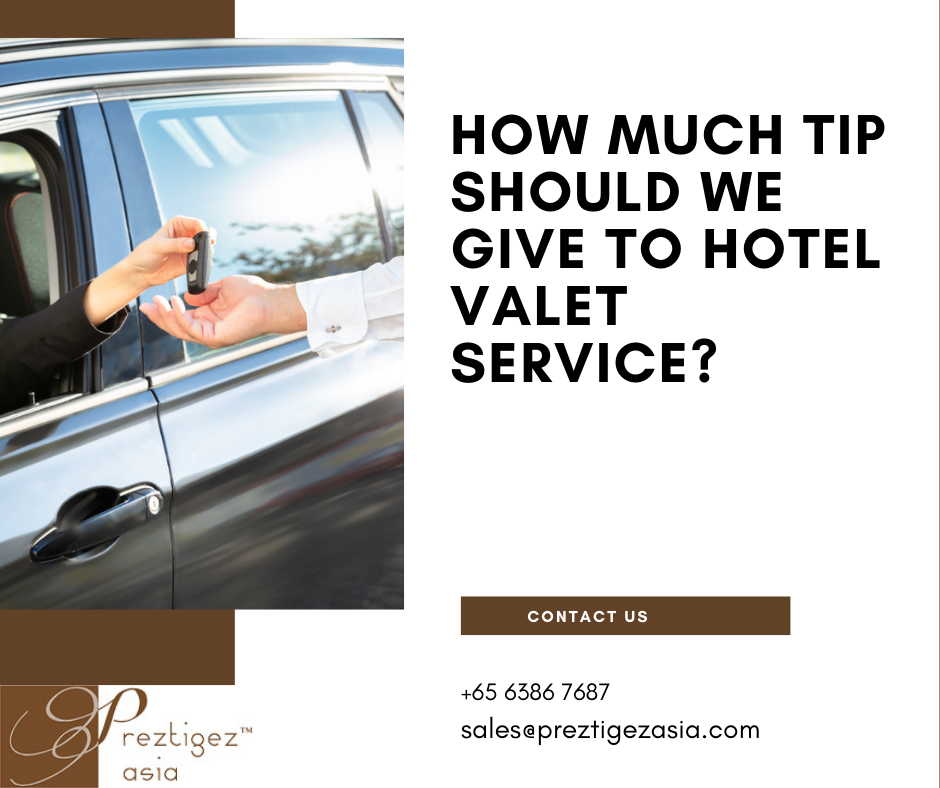
A common debate among travelers is whether to tip during the drop-off, the pick-up, or both. Historically, the standard practice has been to tip upon the retrieval of the vehicle. This is the moment the service is completed, and the attendant has successfully returned your car to you in a timely fashion. However, tipping at drop-off can sometimes yield benefits, particularly in high-traffic environments like the Wynn Las Vegas in Las Vegas.
Tipping at the start of your stay can signal to the staff that you value their care, which may lead to your car being parked in a more accessible “front-of-house” spot. If you are staying at a luxury resort such as The Ritz Carlton Tokyo in Japan, where service is exceptionally precise, a tip at both ends of the transaction is considered a generous and appreciated gesture, though not strictly required.
Calculating the Ideal Amount
In the United States, the baseline for a valet tip generally ranges from $2 to $5. For a standard mid-range hotel, a $2 or $3 tip is perfectly acceptable. However, at five-star establishments or luxury boutiques, $5 has become the modern standard. If the attendant goes above and beyond—such as helping with several heavy bags, cleaning your windshield, or providing local directions to Central Park—increasing the tip to $10 is a professional way to show gratitude.
It is important to remember that valet attendants often share their tips with the team behind the scenes who are actually running the “stack” or the parking garage. Therefore, your $5 bill is likely supporting a small group of hardworking individuals dedicated to keeping the flow of traffic moving at a busy city hotel like the Fairmont Royal York in Toronto.
Global Variations in Valet Culture
Tipping culture is not a monolith; it shifts significantly as you cross international borders. What is considered standard in Miami might be viewed as unusual or even offensive in other parts of the world. As a global traveler, adapting to local customs is a key component of sophisticated travel.
The Tipping Culture in North America and Beyond
In North America, specifically in the United States and Canada, tipping is deeply embedded in the service industry economy. Many service workers rely on gratuities to supplement their hourly wages. When visiting a destination like Mexico, particularly at high-end resorts in Cancun or Los Cabos, tipping is also highly expected. In these regions, using the local currency, such as the Mexican Peso, is often preferred, though US Dollars are widely accepted in tourist zones.
Contrast this with Europe. In countries like France or Italy, service charges are frequently included in the bill, and the pressure to tip is lower. However, at legendary hotels like The Savoy in London or Hotel de Crillon in Paris, a small gratuity of €2 to €5 is still the norm for valet services as a sign of respect for the high level of service.
Navigating No-Tip Cultures
In certain parts of Asia, most notably Japan, tipping is generally not practiced and can sometimes be met with confusion or a polite refusal. In Tokyo or Kyoto, the philosophy of “Omotenashi”—wholehearted hospitality—means that excellent service is provided as a matter of pride, not for financial incentive. If you are staying at The Peninsula Hong Kong in Hong Kong, the rules are slightly different due to Western influences, and a small tip may be accepted, but it is rarely demanded.

Similarly, in Australia and New Zealand, tipping is not mandatory, though it is becoming more common in major cities like Sydney. If a valet at The Langham Sydney provides exceptional assistance, a few dollars are appreciated but never expected.
Special Circumstances and Premium Services
The “standard” tip is a useful baseline, but various factors can necessitate an adjustment. The complexity of the task and the environment in which the service is provided play a significant role in determining the final amount.
Handling High-End Vehicles and Luxury Resorts
If you are arriving at the Burj Al Arab in Dubai in a high-performance sports car or a luxury SUV, the responsibility placed on the valet is higher. The care required to park and retrieve an exotic vehicle often warrants a larger tip. In these ultra-luxury environments, tips of $20 or more are not uncommon, especially if the guest expects the vehicle to remain in a highly visible, secure location near the entrance.
Furthermore, at sprawling resorts such as Aulani in Hawaii, the distance between the valet stand and the parking facility might be substantial. The time it takes for an attendant to retrieve your vehicle in Honolulu heat should be factored into your gratuity.
Dealing with Heavy Luggage and Inclement Weather
Weather is a major factor that guests often overlook. If an attendant is sprinting through a downpour in Seattle or braving a snowstorm at a ski resort like The St Regis Aspen Resort in Aspen, the tip should reflect the hardship. A $5 to $10 tip is a meaningful way to acknowledge their dedication to your comfort despite the elements.
Additionally, if the valet is doubling as a bellhop—assisting with heavy luggage, golf clubs, or ski gear—you should tip for both services. A good rule of thumb is $2 per bag in addition to the base valet tip. This ensures that the staff at establishments like Marriott International or Hilton Worldwide properties feel valued for the physical labor involved.
The Transition to Digital and Cashless Tipping
We are currently living in a transitional era for gratuity. As society moves toward a cashless economy, the old habit of carrying a pocketful of $1 and $5 bills is fading. This has created a challenge for both travelers and hotel staff.
Many modern hotels, including those under the Hyatt Hotels Corporation umbrella, have begun implementing digital tipping solutions. These systems allow guests to scan a QR code on the valet ticket and send a tip directly to the attendant via a smartphone. While convenient, these systems are not yet universal.
When staying at a historic property such as the Grand Hotel on Mackinac Island, cash remains king. It is always advisable to visit an ATM or the hotel’s front desk upon arrival to break larger bills into smaller denominations. If you find yourself without cash at the moment of retrieval, a sincere apology followed by a promise to “catch them next time” is acceptable, provided you follow through later in your stay.
Navigating the Psychology of Hospitality and Service
The act of tipping is ultimately a tool for building a positive relationship with the people who are facilitating your travel experience. In the hospitality world, valet attendants are often the “eyes and ears” of the property. They know the best local spots in New Orleans, the quickest routes to the Eiffel Tower in Paris, and which restaurants in Rome are actually worth the wait.
By tipping fairly and consistently, you establish yourself as a “preferred guest.” This reputation can lead to smoother interactions throughout your stay. Whether you are checking into the Bellagio Hotel and Casino or a quiet bed and breakfast in Vermont, the human element of service remains the same.
In conclusion, while the question of “how much” can vary by city, country, and car, the core principle remains: $2 to $5 for standard service, $5 to $10 for exceptional service or difficult conditions, and always a respectful acknowledgment of the person behind the wheel. Whether you are exploring the landmarks of Washington DC or the beaches of the French Riviera, mastering the art of the valet tip is a hallmark of the seasoned and considerate traveler.
LifeOutOfTheBox is a participant in the Amazon Services LLC Associates Program, an affiliate advertising program designed to provide a means for sites to earn advertising fees by advertising and linking to Amazon.com. Amazon, the Amazon logo, AmazonSupply, and the AmazonSupply logo are trademarks of Amazon.com, Inc. or its affiliates. As an Amazon Associate we earn affiliate commissions from qualifying purchases.