
The allure of a career in law enforcement in California is undeniable, combining a profound sense of public service with the dynamic lifestyle offered by one of the most vibrant states in the United States. From the bustling streets of Los Angeles to the iconic vistas of San Francisco and the sun-drenched beaches of San Diego, police officers play a critical role in maintaining safety and order. However, prospective officers, and indeed anyone interested in the economics of public service, often ask a fundamental question: “How much does a California police officer actually make?” The answer is complex, reflecting not only base salary but also a comprehensive benefits package, overtime potential, and crucially, the exceptionally high cost of living that defines much of the Golden State. Understanding this financial landscape is essential for grasping the true lifestyle and accommodation choices available to those who serve.

The Financial Landscape of Law Enforcement in California
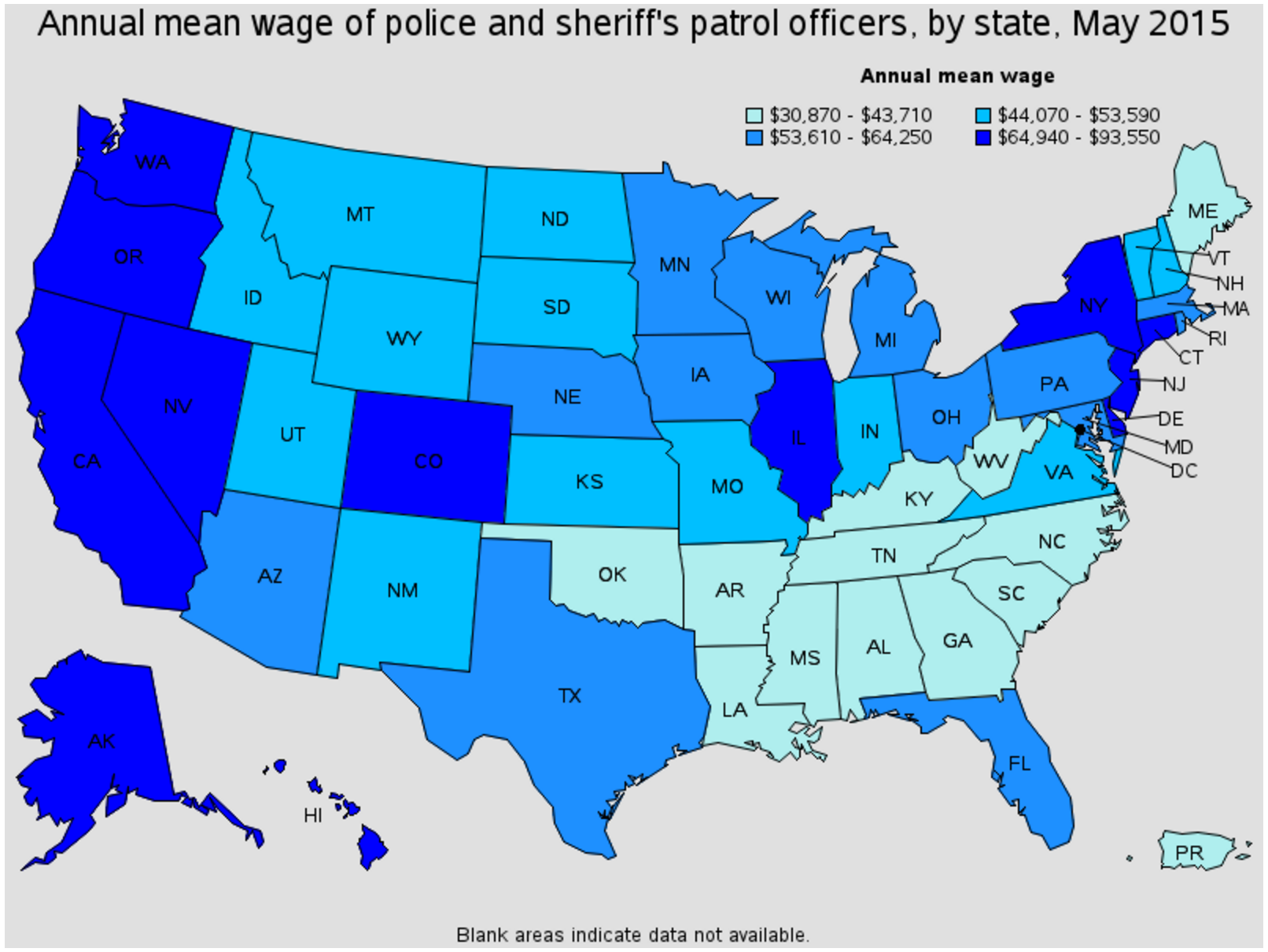
A police officer’s compensation in California is not a static figure. It varies significantly based on factors such as the specific department, geographic location, years of experience, rank, and specialized assignments. Generally, California police officers are among the highest-paid in the nation, a necessary offset to the state’s elevated expenses, especially when it comes to housing and daily living.
Base Salaries: A Snapshot Across the State
Entry-level police officers typically start with a competitive base salary, which then increases steadily with experience and progression through the ranks. In larger, more affluent metropolitan areas, salaries tend to be higher. For instance, a new recruit with the Los Angeles Police Department (LAPD) might begin with a base salary in the range of $70,000 to $80,000 per year, quickly rising to well over $100,000 within a few years. Similarly, officers in the San Francisco Police Department (SFPD) or the San Jose Police Department often see starting wages in the mid-$80,000s, escalating to six figures relatively early in their careers.
Contrast this with departments in less expensive regions, such as parts of the Central Valley like Bakersfield or Fresno, where starting salaries might be in the $60,000 to $70,000 range. While still respectable, the purchasing power of these salaries can feel very different depending on the local economy. Even within Southern California, there can be significant differences. An officer in Irvine or Anaheim (in Orange County) may command a higher starting salary than one in Riverside or Stockton, reflecting the local economic conditions and recruitment competition.
The California Highway Patrol (CHP), a statewide agency, offers a more standardized pay scale, but even here, geographic differentials or specific assignments can lead to variations. A CHP officer assigned to a high-cost area like the Bay Area might receive additional pay incentives. Top-tier cities like Oakland, Fremont, Santa Clara, and Long Beach consistently rank among the highest-paying for police officers in California. For example, a veteran officer in San Jose or San Francisco could easily earn a base salary of $120,000 to $150,000 or more, not including benefits or overtime.
Beyond the Base: Benefits and Overtime
The true financial picture for a California police officer extends far beyond the base salary. The benefits package is often substantial, adding considerable value to the overall compensation. These typically include:
- Health, Dental, and Vision Insurance: High-quality plans for officers and their families are standard, significantly reducing out-of-pocket medical expenses, which is a crucial aspect of family lifestyle planning.
- Retirement Plans: Most departments participate in robust pension systems, such as the Public Employees’ Retirement System (PERS). These defined-benefit plans often allow officers to retire with a substantial percentage of their highest earnings after 20-30 years of service, offering immense long-term financial security for later-life travel and enjoyment.
- Paid Time Off: Generous vacation, sick leave, and holidays are common, providing ample opportunity for family trips or personal leisure, whether exploring Yosemite National Park, relaxing in Palm Springs, or enjoying a staycation in Monterey.
- Uniform and Equipment Allowances: These often cover the costs of necessary gear, reducing personal expenses.
- Education and Training Incentives: Many departments offer tuition reimbursement or pay incentives for higher education, encouraging professional development.
- Life Insurance and Disability Benefits: Providing a safety net for officers and their loved ones in unforeseen circumstances.
Perhaps one of the most significant enhancers of an officer’s income is overtime pay. Due to staffing shortages, special events, or critical incidents, overtime can be frequent and lucrative. It’s not uncommon for officers, particularly those willing to work extra shifts, to boost their annual income by tens of thousands of dollars through overtime. This additional income can greatly influence one’s lifestyle, perhaps funding a luxury travel experience, a down payment on a home, or a more upscale accommodation choice during vacations.
Navigating California’s Cost of Living on a Police Salary
While California police officers are well-compensated, their salaries must be viewed through the lens of the state’s notorious cost of living, which is among the highest in the United States. This factor profoundly impacts everything from housing and daily expenses to the feasibility of travel and leisure, directly affecting an officer’s overall lifestyle.
Regional Disparities and Housing Challenges
Housing is, without a doubt, the single largest expense in California. In areas like the Bay Area (encompassing cities like San Francisco, Oakland, and San Jose) and much of Southern California (including Los Angeles, Orange County, and San Diego), median home prices can easily exceed $1 million, with rents for even modest apartments often reaching $2,500 to $3,500 or more per month.
An officer earning a six-figure salary in San Francisco or Los Angeles might still find homeownership challenging within the city limits, often opting to commute from more affordable suburban communities. This choice impacts daily life, travel time, and overall quality of life. For instance, an officer working in Santa Monica might live in a more inland city like Riverside or Chula Vista if they serve San Diego. This balancing act between proximity to work and affordable accommodation is a constant consideration.
Even in cities with slightly lower costs, like Sacramento or Fresno, the cost of living still surpasses the national average. This means that while an officer’s salary might look impressive on paper, a significant portion is immediately allocated to essential expenses, especially accommodation. The ability to afford a comfortable home, whether it’s a house in Santa Rosa or an apartment in Long Beach, dictates much of their financial freedom.
Lifestyle Implications: Travel and Leisure
Despite the high cost of living, the robust salaries and benefits often allow California police officers to enjoy a comfortable lifestyle, including opportunities for travel and leisure. The state itself is a prime destination for tourism, offering everything from the theme park thrills of Disneyland to the natural beauty of Lake Tahoe and the rugged coastline of Big Sur.
An officer’s income can support various travel styles, from budget-conscious camping trips in state parks to more luxurious stays in Napa Valley resorts or family vacations to attractions like Universal Studios Hollywood or the USS Midway Museum in San Diego. The generous paid time off means they have the opportunity to explore these destinations or even embark on international adventures.
The ability to afford quality accommodation, whether for a weekend getaway in Malibu or a longer family vacation, is directly tied to their earning power. Many choose staycations, exploring local landmarks like the Golden Gate Bridge, Alcatraz Island, Hollywood Sign, Griffith Observatory, Getty Center, Santa Monica Pier, Pier 39, or Golden Gate Park, which are often just a short drive from their homes. For officers who manage to find more affordable housing, the remaining disposable income can be substantial, allowing for more frequent or extravagant travel experiences.
Career Progression and Earning Potential
A career as a police officer in California offers significant opportunities for professional growth and increased earning potential. Advancement within a department not only brings greater responsibility but also a substantial boost in salary and benefits, further enhancing one’s lifestyle and financial security.
Advanced Roles and Special Units
Police departments are hierarchical organizations with numerous paths for promotion. An officer can advance from patrol officer to corporal, sergeant, lieutenant, captain, and even to chief. Each promotion comes with a significant salary increase. For example, a sergeant in a major metropolitan department like Los Angeles or San Francisco could earn upwards of $150,000 to $180,000 annually, not including overtime and benefits. Command staff can exceed $200,000 to $300,000 per year, putting them in a very comfortable financial position to afford premier accommodations, luxury travel, and an elevated lifestyle.
Beyond the traditional promotional ladder, officers can specialize in various units, which often come with special assignment pay. These units include:
- SWAT Teams: Highly trained tactical units responding to critical incidents.
- K9 Units: Officers working with trained police dogs.
- Detective Bureaus: Investigating specific types of crimes, such as homicide, narcotics, or cybercrime.
- Traffic Divisions: Specializing in accident reconstruction or traffic enforcement, often with the California Highway Patrol.
- Training Officers: Responsible for mentoring new recruits at academies that meet Police Officer Standards and Training (POST) requirements.
- Community Relations: Engaging with the public and addressing specific neighborhood concerns.
- School Resource Officers: Working within educational institutions.
These specialized roles not only offer more diverse work but also typically come with a 5-15% increase in base pay, acknowledging the additional skills, risks, and responsibilities involved. For instance, an officer in the Santa Clara County Sheriff’s Office or Alameda County Sheriff’s Office specializing in high-tech crime in Silicon Valley might see a substantial pay bump due to the unique expertise required.
Retirement and Long-Term Financial Security
One of the most attractive long-term benefits of a career in California law enforcement is the robust pension system. Most officers, upon retiring after 20-30 years of service, can receive a pension that provides a significant percentage of their highest average salary for the rest of their lives. This financial security in retirement is a major draw, distinguishing public service from many private sector jobs.
A typical pension formula might offer 2% or 3% of an officer’s final average salary multiplied by their years of service. This means an officer retiring after 30 years with a final average salary of $120,000 could receive an annual pension of $72,000 to $108,000, depending on the specific formula. This provides a stable income stream that can support a comfortable retirement lifestyle, allowing for extensive travel, long-term stays in desired destinations, or simply enjoying the many attractions California has to offer, from the glamor of Beverly Hills and Hollywood to the serene beauty of Northern California’s wine country. The availability of such a secure retirement income allows officers to plan their post-career lifestyle with confidence, whether that involves booking luxurious hotels for extended vacations or investing in a second home.

The Intangible Rewards and Challenges
Beyond the tangible financial compensation, a career as a police officer in California offers significant intangible rewards and faces unique challenges, both of which contribute to the overall lifestyle of those who serve.
Community Impact and Job Satisfaction
For many, the primary motivation for becoming a police officer is the desire to make a positive impact on their community. The satisfaction derived from helping citizens, solving crimes, and maintaining public safety is an immeasurable reward. Whether it’s patrolling neighborhoods in Modesto or responding to emergencies in Santa Ana, the feeling of contributing directly to the well-being of society can be a powerful source of job satisfaction. This sense of purpose is a core component of a fulfilling lifestyle, transcending monetary compensation. It fosters a connection to the local culture and community, which is often a key aspect of tourism and local experiences.
However, the job also comes with considerable stress and danger. Officers routinely face challenging and traumatic situations, requiring immense resilience and mental fortitude. The demanding nature of the work often necessitates strong support systems and a commitment to personal wellness, which can influence how officers choose to spend their leisure time and disposable income – perhaps prioritizing restorative travel or comfortable home environments.
Conclusion
So, how much does a California police officer make? The answer is “quite a bit,” particularly when considering the total compensation package including salary, extensive benefits, and significant overtime opportunities. However, this impressive financial figure must always be weighed against the state’s exceptionally high cost of living, especially concerning housing and daily expenses.
Ultimately, a career in California law enforcement offers a financially stable and potentially lucrative path, enabling a comfortable lifestyle that includes opportunities for travel, quality accommodation, and enjoying the diverse attractions of the Golden State and beyond. It’s a demanding profession, but for those dedicated to public service, the financial rewards, coupled with the profound sense of purpose, can make it an incredibly fulfilling career choice within one of the most dynamic states in the nation.
LifeOutOfTheBox is a participant in the Amazon Services LLC Associates Program, an affiliate advertising program designed to provide a means for sites to earn advertising fees by advertising and linking to Amazon.com. Amazon, the Amazon logo, AmazonSupply, and the AmazonSupply logo are trademarks of Amazon.com, Inc. or its affiliates. As an Amazon Associate we earn affiliate commissions from qualifying purchases.