
When planning a trip, booking accommodation, or simply exploring the vast and varied landscapes of the United States, a seemingly mundane detail often holds unexpected significance: the zip code. In California, a state synonymous with innovation, diverse cultures, and breathtaking natural beauty, understanding what a zip code represents goes far beyond just postal delivery. For travelers, tourists, and those seeking temporary or long-term accommodation, a California zip code acts as a powerful geographical descriptor, a window into a neighborhood’s character, lifestyle, and proximity to attractions. It’s a fundamental tool that helps pinpoint everything from a vibrant cultural hotspot to a serene natural retreat, a luxury resort to a budget-friendly apartment, or a bustling business district to a quiet residential area perfect for a family vacation.

This guide delves into the essence of a California zip code, revealing how this alphanumeric identifier is crucial for navigating the Golden State. We’ll explore its structure, its profound implications for travel planning, tourism experiences, and finding the perfect place to stay, all while connecting it to the unique lifestyle offerings that make California a world-renowned destination.
The Anatomy of a California Zip Code: More Than Just Mail
At its core, a zip code, or Zone Improvement Plan code, is a system used by the United States Postal Service to efficiently sort and deliver mail. However, in California, these five-digit numbers, often extended to ZIP+4 codes, serve as much more than a logistical convenience. They are a precise geographical shorthand that delineates distinct areas, each with its own characteristics, demographics, and accessibility.
Understanding the Basics and Their Geographic Significance
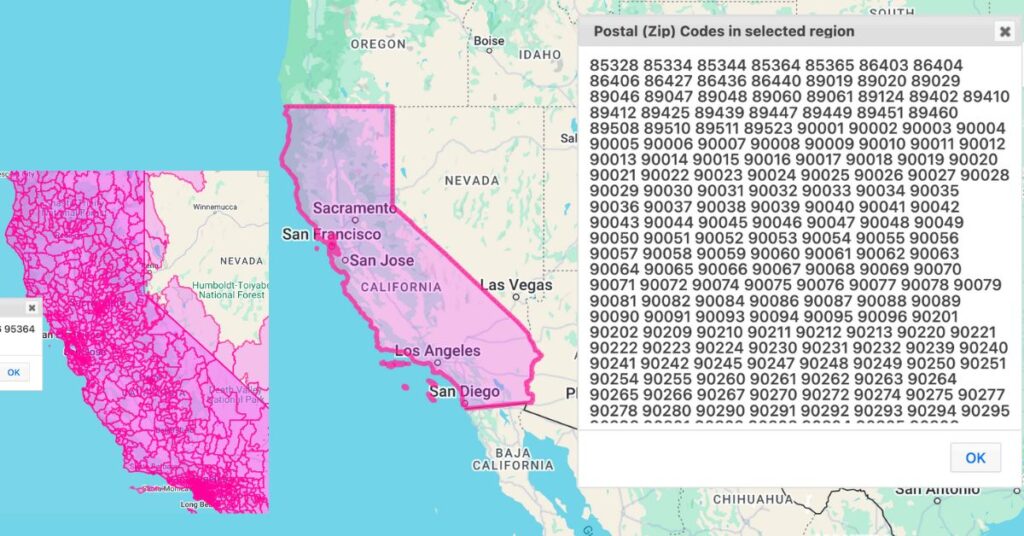
Every California zip code represents a specific geographic region, ranging from a few blocks in a dense urban center to vast stretches of rural land. The first digit typically indicates a broad group of U.S. states, with California predominantly falling under the ‘9’ designation, alongside other western states. The subsequent digits further narrow down the location, moving from larger regions to smaller post offices and delivery routes. For instance, the 90210 zip code instantly evokes images of Beverly Hills glamour, while 94101 points to the bustling heart of San Francisco.
This geographic precision is invaluable for anyone exploring California. Beyond mail, zip codes are used by local governments for urban planning, by businesses for market analysis, and by real estate agents to define property values and neighborhood attributes. For visitors, this means that a zip code can provide immediate context about the environment they are entering. Are they in a commercial district, a residential neighborhood, or an industrial zone? The zip code often offers the first clue, helping travelers set realistic expectations and plan their movements effectively. Understanding the boundaries and characteristics associated with different zip codes is the first step in unlocking a richer, more informed California experience, whether you’re seeking adventure, relaxation, or business opportunities.
Zip Codes as Navigational Tools for Travelers
For the modern traveler, a California zip code is an indispensable navigational tool, particularly in sprawling metropolitan areas like Los Angeles or the diverse regions of Southern California. Rather than simply looking at a city name, which can encompass vast and varied areas, a zip code helps to pinpoint exact locations and understand local accessibility. Imagine planning to visit Hollywood in Los Angeles. While the general area is famous, different zip codes within Hollywood might lead you to the historic Hollywood Walk of Fame, the scenic Hollywood Hills with their iconic sign views, or quieter residential streets. Similarly, in San Francisco, knowing the zip code for Fisherman’s Wharf ensures you’re looking at accommodation and attractions in the heart of the tourist action, distinct from, say, the financial district or the Mission District.
Zip codes also play a crucial role in assessing travel times and logistics. A hotel in one zip code might be a quick walk to a major attraction, while another in an adjacent zip code could require a significant commute through traffic. This becomes especially pertinent when considering attractions like Disneyland Park in Anaheim or Universal Studios Hollywood in Universal City. Knowing the specific zip code of your chosen destination allows you to use mapping services more effectively, estimate Uber or Lyft fares, and plan public transportation routes with greater accuracy. This precision helps travelers avoid common pitfalls like underestimating distances or unknowingly booking in an inconvenient location, ensuring a smoother and more enjoyable journey across the Golden State.
Unlocking California’s Diversity: Zip Codes for Travel and Tourism
California’s immense geographical and cultural diversity is one of its greatest assets. From rugged coastlines to majestic mountains, sprawling deserts to fertile valleys, and bustling cities to quaint towns, each region offers a unique experience. Zip codes are instrumental in helping travelers navigate this vast tapestry, serving as keys to unlocking specific destinations, cultural hotspots, and culinary adventures.
Discovering Iconic Landmarks and Attractions
For many, a trip to California is defined by its world-famous landmarks and attractions. A zip code can directly guide tourists to these renowned sites, ensuring they are in the immediate vicinity of their desired experiences. Consider the architectural marvel of the Golden Gate Bridge in San Francisco; its specific zip code points to the best viewing points and access roads. Likewise, a visit to the Santa Monica Pier is best planned by searching within its precise zip code, which identifies accommodations and activities right on the beachfront.
Beyond urban icons, California’s natural wonders also benefit from zip code precision. While a national park like Yosemite National Park or Sequoia National Park covers a vast area, specific zip codes exist for visitor centers, lodges, and popular trailheads, guiding adventurers to the most accessible and relevant entry points. Similarly, for those seeking the desert mystique of Death Valley National Park or the wine country charm of Napa Valley and Sonoma Valley, zip codes help distinguish between core tourist areas and more remote regions, ensuring visitors can target their experiences effectively. From the historic island of Alcatraz Island in San Francisco Bay to the family-friendly excitement of the San Diego Zoo, knowing the relevant zip code streamlines the planning process and enhances the overall tourism experience.

Exploring Local Culture and Culinary Experiences
California’s true spirit often resides in its diverse neighborhoods, each boasting a distinct culture, history, and culinary scene. Zip codes act as geographic markers for these unique enclaves, allowing travelers to dive deep into local experiences that go beyond the typical tourist traps. For example, to immerse oneself in the rich heritage and vibrant atmosphere of San Francisco’s Chinatown, knowing its specific zip code helps to pinpoint authentic eateries, traditional shops, and cultural landmarks. Similarly, in San Diego, the zip code for Little Italy immediately signals a hub of Italian restaurants, charming cafes, and a lively community spirit, distinct from the historic entertainment district of the Gaslamp Quarter.
Beyond major cities, zip codes can define regions known for specific cultural pursuits or culinary delights. The coastal zip codes of Malibu suggest a relaxed, upscale beach culture with fresh seafood and oceanfront dining, while inland zip codes in Palm Springs point to a mid-century modern aesthetic, desert resorts, and a thriving arts scene. Even within a single city, different zip codes can denote drastically different culinary landscapes—from gourmet dining experiences in Beverly Hills to diverse ethnic street food in Long Beach or Oakland. By using zip codes as a guide, visitors can intentionally seek out specific cultural events, local markets, or unique gastronomic adventures, truly enriching their California journey and experiencing the state like a local.
Precision Planning: Zip Codes for Accommodation and Lifestyle
One of the most practical applications of California zip codes for travelers is in planning accommodation. The location of your stay can dramatically influence your entire trip experience, from daily commutes to the overall ambiance and cost. Zip codes provide invaluable insights, helping visitors pinpoint the ideal lodging that aligns with their budget, preferences, and lifestyle needs.
Tailoring Your Stay: From Luxury Resorts to Budget-Friendly Stays
The zip code of a prospective hotel or rental property is often a direct indicator of its pricing tier and the type of experience it offers. For instance, the zip code for Beverly Hills (90210) is synonymous with ultra-luxury, featuring world-class hotels like The Peninsula Beverly Hills and Waldorf Astoria Beverly Hills, renowned for their opulent suites, impeccable service, and high-end amenities. Similarly, the zip codes encompassing Laguna Niguel or Coronado signal upscale coastal resorts such as the Ritz-Carlton Laguna Niguel or the historic Hotel del Coronado in San Diego, offering exquisite experiences tailored for discerning travelers.
Conversely, travelers on a tighter budget might focus on zip codes in areas surrounding major attractions but not directly within the most expensive districts. For example, while staying directly adjacent to Disneyland Park in Anaheim can be costly, slightly further out zip codes might offer more affordable hotels, suites, or even vacation rentals that are still convenient via a short drive or shuttle. Similarly, within a city like Oakland, various zip codes present different price points and types of accommodation, from trendy boutique hotels to more economical long-term stay apartments. By strategically using zip codes in their accommodation search, travelers can effectively compare options, find hidden gems, and ensure their lodging aligns perfectly with their financial plan and desired level of comfort, whether it’s a lavish villa, a cozy apartment, or a standard hotel.
Lifestyle Insights: Family Trips, Business Stays, and Beyond
Beyond just cost and luxury, California zip codes offer deep insights into the prevailing lifestyle of a neighborhood, which is crucial for tailoring a trip to specific needs, be it a family vacation, a business trip, or a romantic getaway. Different zip codes often correlate with distinct demographic profiles and community characteristics.
For family trips, selecting a zip code near attractions like Disneyland Park or Universal Studios Hollywood is an obvious choice, but understanding the local zip code can also reveal areas with family-friendly restaurants, parks, and safe environments. Coastal zip codes in places like Santa Monica, Monterey, or San Diego’s Pacific Beach often cater to families with beach access, promenades, and kid-friendly activities.
For business travelers, zip codes in the heart of Silicon Valley, such as those in San Jose, Palo Alto, or Santa Clara, directly indicate proximity to major tech companies, convention centers, and corporate headquarters. These areas typically offer hotels with business amenities, reliable transportation, and networking opportunities. In contrast, a zip code in the historic downtown of Sacramento would suggest access to government offices and state business.
Zip codes also highlight areas known for specific recreational pursuits or cultural experiences. Want to explore surfing culture? Look for zip codes along the coast in Malibu or Huntington Beach. Dreaming of a tranquil artist retreat? A zip code in Carmel-by-the-Sea or Mendocino would be ideal. Planning a luxurious spa escape? Zip codes in Palm Springs or Santa Barbara will guide you to exquisite resorts. Understanding the lifestyle implications of different California zip codes allows travelers to make highly informed decisions, ensuring their accommodation and surrounding environment perfectly complement the purpose and style of their trip, whether it’s a romantic getaway, an educational tour, or a relaxing retreat.
In conclusion, what initially appears as a simple five-digit number is, in fact, a sophisticated key to navigating the diverse and dynamic landscape of California. For anyone looking to travel, explore, or reside in the Golden State, mastering the art of interpreting California zip codes is an invaluable skill. It empowers you to pinpoint attractions, uncover local cultures, select ideal accommodations, and ultimately craft experiences that are perfectly tailored to your desires, transforming a generic trip into an unforgettable California adventure.
LifeOutOfTheBox is a participant in the Amazon Services LLC Associates Program, an affiliate advertising program designed to provide a means for sites to earn advertising fees by advertising and linking to Amazon.com. Amazon, the Amazon logo, AmazonSupply, and the AmazonSupply logo are trademarks of Amazon.com, Inc. or its affiliates. As an Amazon Associate we earn affiliate commissions from qualifying purchases.