
Understanding the earning potential for a medical assistant in Texas is crucial for aspiring healthcare professionals and those considering a career change. The Lone Star State offers a dynamic job market for medical assistants, influenced by a variety of factors including geographic location, experience level, and the specific type of healthcare facility. This comprehensive guide delves into the salary landscape for medical assistants across Texas, providing insights into what you can expect to earn.
Factors Influencing Medical Assistant Salaries in Texas
Several key elements contribute to the salary of a medical assistant in Texas. A thorough understanding of these factors will help individuals set realistic salary expectations and identify opportunities for career advancement.

Experience Level and Education
The most significant driver of salary for any profession, including medical assisting, is experience. Entry-level medical assistants, typically those with a recent certification or associate’s degree, will generally earn less than their more seasoned counterparts. As a medical assistant gains practical experience, develops specialized skills, and takes on greater responsibilities, their earning potential increases proportionally.
- Entry-Level: Medical assistants with less than two years of experience often fall into the lower end of the salary range. Their roles may focus on fundamental clinical and administrative tasks under direct supervision.
- Mid-Career: With two to five years of experience, medical assistants usually command higher salaries. They may be entrusted with more complex duties, patient education, and potentially some supervisory responsibilities.
- Experienced/Senior: Professionals with over five years of experience, and those who have acquired specialized certifications (e.g., in phlebotomy, EKG, or specific medical specialties), can expect to earn significantly more. These individuals often possess advanced clinical skills and are adept at managing patient flow and electronic health records.
Education also plays a role. While a high school diploma or GED is often the minimum requirement, many employers prefer or require candidates to have completed a post-secondary certificate or associate’s degree program in medical assisting. These programs provide a more robust foundation in medical terminology, anatomy, physiology, patient care procedures, and administrative duties, which can lead to better job prospects and higher starting salaries.
Geographic Location within Texas
Texas is a vast state with diverse economic landscapes, and this is reflected in the salary variations for medical assistants. Major metropolitan areas, with their higher cost of living and greater demand for healthcare services, tend to offer more competitive salaries. Conversely, rural areas or smaller towns may offer lower wages.
- Major Metropolitan Areas: Cities like Houston, Dallas, Austin, and San Antonio are hubs for numerous hospitals, large clinics, and specialized medical centers. The concentration of these facilities, coupled with a larger patient population, drives up demand for skilled medical assistants. Consequently, salaries in these urban centers are typically higher. For example, a medical assistant in Houston might earn a higher hourly wage than one in a smaller town in West Texas.
- Suburban and Smaller Cities: Areas surrounding major metropolitan centers, as well as mid-sized cities, often present a middle ground in terms of salary. Demand is still present, but it may not be as intense as in the core urban areas.
- Rural Areas: Medical assistants working in more remote or rural parts of Texas may find that salaries are lower. However, the cost of living in these areas is also typically less, which can offset the lower wage to some extent.
Type of Healthcare Facility
The setting in which a medical assistant works significantly impacts their salary. Different types of healthcare facilities have varying pay scales based on their operational structure, patient volume, and the complexity of services offered.
- Hospitals: Working in a hospital setting, especially in larger medical centers or specialized departments, often leads to higher salaries. Hospitals frequently offer more comprehensive benefits packages and may require a broader range of clinical skills. The fast-paced environment and the critical nature of patient care in a hospital can command a premium.
- Physician Offices/Clinics: Private physician practices and smaller clinics may offer slightly lower salaries compared to hospitals, but they can provide a more consistent and predictable work environment. Salaries can vary greatly depending on the specialty of the practice (e.g., cardiology, dermatology, pediatrics).
- Outpatient Surgery Centers: These facilities, which focus on same-day surgical procedures, can offer competitive salaries due to the specialized nature of the work and the need for efficient patient management.
- Urgent Care Centers: The demand for urgent care services has grown, and medical assistants in these settings often find good earning potential, especially in busy urban and suburban locations.
- Specialty Clinics: Clinics focusing on specific medical fields, such as dermatology, orthopedics, or ophthalmology, may offer specialized training and compensation that reflects the expertise required.
Specialty Certifications and Skills
Possessing additional certifications beyond a general medical assisting credential can significantly boost a medical assistant’s earning potential. These certifications demonstrate proficiency in specific clinical or administrative areas, making the assistant more valuable to employers.
- Phlebotomy Certification: The ability to draw blood is a core skill, and formal certification can be advantageous.
- EKG Technician Certification: Proficiency in performing electrocardiograms is often sought after.
- Certified Clinical Medical Assistant (CCMA): This is a widely recognized certification that validates a broad range of clinical and administrative competencies.
- Certified Medical Administrative Assistant (CMAA): Focuses specifically on the administrative aspects of medical assisting.
- Other Specialized Skills: Skills such as proficiency in specific Electronic Health Record (EHR) systems (e.g., Epic, Cerner), knowledge of medical billing and coding, or experience with specific diagnostic equipment can also command higher pay.
Average Medical Assistant Salaries in Texas

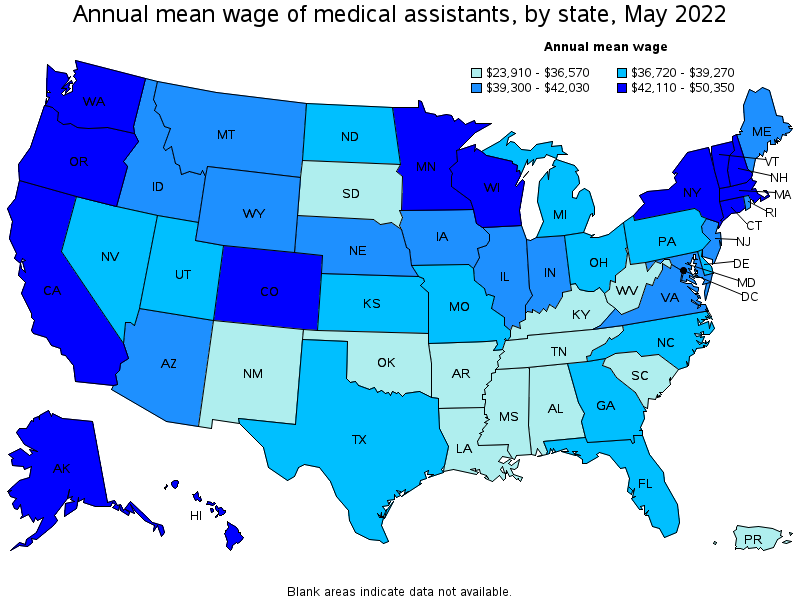
Pinpointing an exact average salary can be challenging due to the aforementioned variables. However, based on data from various employment resources, we can provide an estimated range for medical assistant salaries in Texas.
Salary Range Overview
Across Texas, medical assistants can expect a wide range of annual salaries. Entry-level positions might start around $30,000 to $35,000 per year, while experienced professionals in high-demand areas and specialized roles could earn upwards of $45,000 to $55,000 annually. Some sources suggest that the average salary for a medical assistant in Texas hovers around $38,000 to $42,000 per year.
- Hourly Wage: When broken down into hourly rates, this translates to approximately $15 to $20 per hour for the average medical assistant. Entry-level positions might start closer to $14-$16 per hour, while highly experienced individuals could earn $20-$25 per hour or more.
City-Specific Salary Insights
To provide a more granular view, let’s consider salary expectations in some of Texas’s prominent cities:
- Austin: As a rapidly growing tech and healthcare hub, Austin generally offers higher salaries. Medical assistants here can expect an average annual salary in the range of $40,000 to $45,000, with experienced professionals potentially earning more.
- Dallas-Fort Worth Metroplex: The Dallas area, including Fort Worth and surrounding suburbs, is a large employment market. Salaries are competitive, with averages often falling between $39,000 and $44,000 annually.
- Houston: Being the largest city in Texas, Houston boasts a vast healthcare industry. Medical assistants in Houston can typically earn between $38,000 and $43,000 per year on average.
- San Antonio: While generally offering slightly lower salaries than Austin or Dallas, San Antonio still presents good earning opportunities, with averages often in the $37,000 to $42,000 range.
It’s important to note that these figures are averages and can fluctuate based on the specific employer and the individual’s qualifications.
Career Advancement and Salary Growth for Medical Assistants in Texas
The role of a medical assistant offers a solid foundation for a career in healthcare, with numerous pathways for salary growth and professional development. Continuous learning, skill acquisition, and strategic career moves can lead to substantial increases in earning potential over time.
Strategies for Increasing Earning Potential
Medical assistants looking to maximize their income in Texas can employ several effective strategies:
- Pursue Advanced Certifications: As mentioned earlier, obtaining specialized certifications (e.g., CCMA, CMAA, phlebotomy, EKG) is one of the most direct ways to increase earning power. Employers often provide higher pay for individuals with demonstrated expertise in specific areas.
- Gain Experience in High-Demand Specialties: Certain medical specialties are consistently in high demand, and medical assistants with experience in these areas may command better salaries. This includes specialties like cardiology, oncology, dermatology, and specialty surgery.
- Develop Strong Administrative and EHR Skills: Proficiency in managing Electronic Health Records (EHR) systems, medical billing software, and other administrative technologies is highly valued. A strong command of these systems can make an assistant indispensable.
- Seek Opportunities in Larger Healthcare Systems: Hospitals and large multi-specialty medical groups often have more structured pay scales and offer better benefits. Moving to a larger organization can lead to salary bumps and more opportunities for advancement.
- Consider Supervisory or Lead Roles: With experience, medical assistants can aim for roles such as Lead Medical Assistant or Office Manager, which come with increased responsibilities and higher salaries. These positions often involve overseeing other staff, managing clinic operations, and ensuring quality patient care.
- Pursue Further Education: For those interested in advancing beyond the medical assistant role, pursuing an associate’s or bachelor’s degree in nursing (RN), health administration, or a related field can open doors to significantly higher-paying professions. Many employers offer tuition reimbursement programs that can support this transition.
The Role of Continuous Education and Professional Development
The healthcare landscape is constantly evolving, with new technologies, procedures, and regulations emerging regularly. Medical assistants who commit to continuous education and professional development will not only stay relevant but also position themselves for career advancement and increased earning potential.
Attending workshops, participating in continuing education units (CEUs) required for certifications, and staying abreast of industry trends are crucial. Networking with other healthcare professionals at conferences or through professional organizations can also provide valuable insights into career opportunities and salary benchmarks.
For instance, a medical assistant who takes the initiative to learn about new diagnostic imaging equipment or advanced patient intake protocols within their clinic demonstrates a commitment to growth that employers will recognize and reward. This proactive approach is key to long-term success and financial well-being in the medical assisting profession in Texas.
In conclusion, while the average salary for a medical assistant in Texas provides a useful benchmark, actual earnings are highly dependent on a confluence of factors. By understanding these influences and proactively seeking opportunities for skill development and career advancement, medical assistants can significantly enhance their earning potential and build a rewarding career in the vibrant healthcare sector of the Lone Star State.
LifeOutOfTheBox is a participant in the Amazon Services LLC Associates Program, an affiliate advertising program designed to provide a means for sites to earn advertising fees by advertising and linking to Amazon.com. Amazon, the Amazon logo, AmazonSupply, and the AmazonSupply logo are trademarks of Amazon.com, Inc. or its affiliates. As an Amazon Associate we earn affiliate commissions from qualifying purchases.