
Vail, Colorado, a renowned ski resort town nestled high in the Rocky Mountains, beckons travelers with its world-class slopes, charming European-inspired village, and vibrant year-round atmosphere. But for many planning their visit, a crucial piece of practical information often surfaces: “What altitude is Vail, Colorado?” Understanding the elevation of this popular destination is not merely a trivia point; it’s a vital consideration for health, comfort, and maximizing the enjoyment of your vacation. Vail’s impressive altitude significantly influences the local climate, the intensity of outdoor activities, and the potential for altitude sickness. This guide delves into the specific elevations of Vail, its surrounding areas, and what this means for your travel experience.
The Elevation of Vail Village and Surrounding Areas
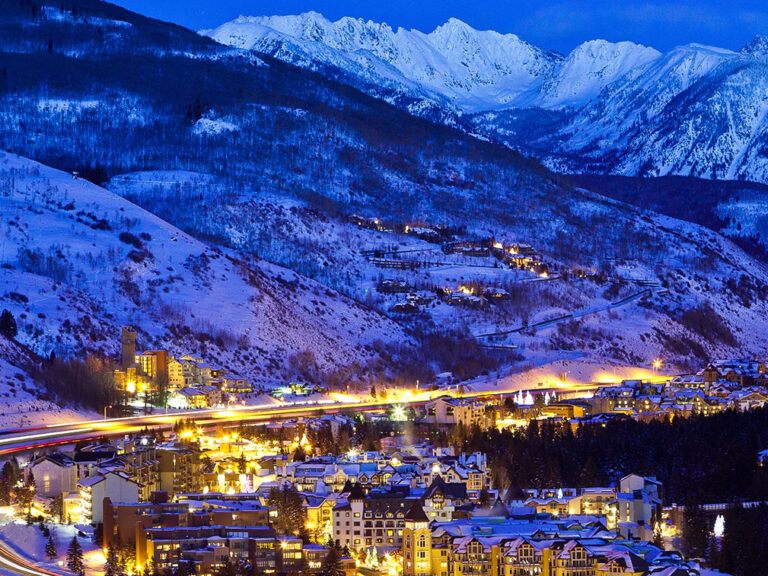
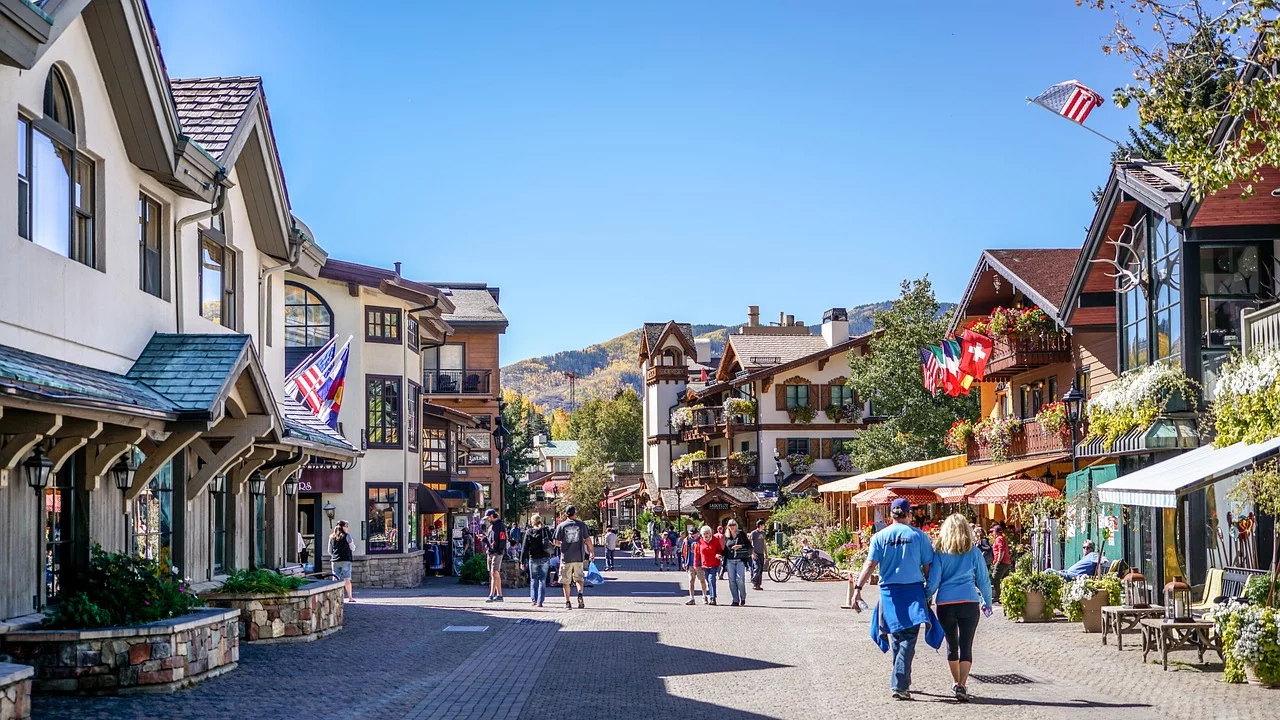
At its core, the town of Vail Village sits at a significant elevation, setting the stage for its alpine character. The base of the Vail Ski Resort, one of the largest and most esteemed ski areas in North America, is located at approximately 8,150 feet (2,484 meters) above sea level. This is the elevation you’ll encounter as you stroll through the pedestrian-friendly streets of the village, browsing its upscale boutiques, savoring gourmet dining, and enjoying the lively après-ski scene.
However, Vail’s elevation is not static; it climbs dramatically as you ascend the mountain. The summit of Vail Mountain reaches a breathtaking 11,570 feet (3,527 meters). This significant difference in elevation between the base and the summit is what allows for the resort’s vast and varied ski terrain, offering challenging runs for advanced skiers and snowboarders at higher altitudes, while the lower slopes provide a more moderate experience. For those not skiing or snowboarding, gondolas offer panoramic views from the mountain’s peak, providing an accessible way to experience the high-alpine environment.
Beyond the immediate resort boundaries, the surrounding areas also reflect this high-altitude setting. The town of Vail itself spans a range of elevations as it follows the course of Gore Creek. The official elevation often cited for the town center is around 8,150 feet. However, some residential areas and facilities on the outskirts may be slightly higher or lower. When considering travel to Vail, it’s important to recognize that you will be spending your entire visit at a significant elevation, requiring acclimatization and awareness.
Impact of Altitude on Climate and Environment
The high elevation of Vail plays a fundamental role in shaping its unique climate and natural environment. This is a place where winter truly means winter, with substantial snowfall and consistently cold temperatures from late November through April. The average annual snowfall at Vail Ski Resort is over 300 inches, contributing to its reputation as a premier ski destination. The thin air at these altitudes also contributes to the crispness of the atmosphere and the intensity of the sun’s rays, even on cloudy days.
During the summer months, the altitude moderates temperatures, offering a refreshing escape from the heat of lower elevations. While valley floors might experience warm days, Vail typically enjoys pleasant daytime temperatures and cool evenings, perfect for hiking, mountain biking, and exploring the alpine meadows bursting with wildflowers. The alpine tundra found at the highest elevations of Vail Mountain supports a unique ecosystem of hardy plants and provides a starkly beautiful, treeless landscape.
The elevation also influences the local hydrology. Snowmelt from the high peaks feeds numerous streams and rivers, including the aforementioned Gore Creek, a vital water source and a popular spot for fly-fishing. The dramatic elevation changes also create stunning geological features, from sheer rock faces to deep canyons, contributing to the rugged beauty of the Colorado Rocky Mountains.
Altitude Sickness: Understanding and Prevention
The most significant consideration for travelers visiting Vail due to its altitude is the potential for altitude sickness, also known as acute mountain sickness (AMS). This condition occurs when your body doesn’t have enough time to adjust to the lower oxygen levels found at higher elevations. Symptoms can range from mild discomfort to severe and potentially life-threatening conditions.
Symptoms and Risk Factors
Common symptoms of altitude sickness include headache, nausea, dizziness, fatigue, shortness of breath, and loss of appetite. These typically begin to appear within 12 to 24 hours of ascending to a higher altitude. Factors that increase an individual’s risk include a rapid ascent, a history of altitude sickness, dehydration, overexertion, and consumption of alcohol or sedatives. Age is not necessarily a determining factor; younger, fitter individuals can be just as susceptible as older adults.
Strategies for Acclimatization and Prevention
Fortunately, there are well-established strategies to mitigate the risks associated with high-altitude travel. The most effective method is to ascend gradually. If possible, spend a night or two at an intermediate elevation (e.g., Denver, which is around 5,280 feet) before traveling to Vail. Upon arrival in Vail, it is crucial to take it easy for the first 24 to 48 hours. Avoid strenuous activities, limit alcohol consumption, and refrain from heavy meals.
Staying well-hydrated is paramount. Drink plenty of water throughout the day, more than you typically would at sea level. Dehydration can exacerbate altitude sickness symptoms. Oxygen levels in the air at Vail are approximately 70% of what you would find at sea level, so supporting your body’s hydration is vital for oxygen transport.
Listen to your body. If you start to experience symptoms, do not push yourself. Rest, drink water, and consider descending to a lower altitude if symptoms worsen or persist. For some individuals, a doctor may prescribe medications such as acetazolamide (Diamox) to aid in acclimatization. This medication helps your body adjust to the lower oxygen levels more quickly. It’s advisable to consult with your physician before your trip to discuss preventative measures and potential prescriptions.
Experiencing Vail’s Altitude: Activities and Considerations
The altitude of Vail is not just a number; it’s an integral part of the experience. Whether you’re a seasoned skier or a summer hiker, understanding the elevation’s influence will enhance your enjoyment and safety.
Winter Sports and High-Altitude Thrills
During the winter, the altitude is what makes Vail Ski Resort a premier destination. The high elevation ensures reliable snow conditions, and the vast expanse of the mountain, from its base at 8,150 feet to its summit at 11,570 feet, offers an incredible variety of terrain. Skiing and snowboarding at these altitudes can be exhilarating, but it’s also more physically demanding. You may find yourself breathing harder and tiring more quickly than you would at lower elevations. Pacing yourself, taking breaks, and staying hydrated are essential, especially on your first few days. Remember that the sun’s rays are stronger at high altitudes, so wearing sunscreen, lip balm, and protective eyewear is crucial to prevent sunburn and snow blindness.
Summer Adventures and Alpine Landscapes
In the summer, Vail transforms into an adventurer’s paradise. Hiking and mountain biking trails wind through forests and ascend to meadows with stunning panoramic views. The Gore Creek Trail offers a relatively flat option along the creek, while trails ascending Vail Mountain provide a more challenging workout with rewarding vistas. The thin air can make even moderate hikes feel more strenuous, so be prepared for this increased exertion. Guided nature walks can offer insights into the unique alpine flora and fauna that thrive at these elevations. Even a leisurely gondola ride to the summit provides a taste of the high-alpine environment without the physical exertion.
Dining and Relaxation at Altitude
Even dining and relaxation in Vail can be influenced by the altitude. Some visitors find that their appetites are diminished upon arrival. It’s advisable to eat light, easily digestible meals initially. Alcohol can also have a more pronounced effect at higher elevations due to the thinner air, so moderating your intake is recommended. Many visitors find that simply enjoying the crisp mountain air and the stunning scenery is a form of relaxation in itself. The serene environment of Vail, coupled with the awareness of its elevated position, creates a truly distinct and memorable travel experience.
Planning Your High-Altitude Visit to Vail
A successful trip to Vail involves more than just booking your accommodation and activities; it requires informed preparation regarding the town’s significant altitude. Understanding the elevations involved and their potential impact on your well-being is key to a comfortable and enjoyable stay.
Pre-Trip Preparations and Health Considerations
Before you depart for Vail, consider consulting your doctor, especially if you have pre-existing health conditions such as heart or lung disease. Discuss your travel plans and any concerns you may have about altitude sickness. If you are prone to motion sickness, you might also find the winding mountain roads leading to Vail to be challenging, so carrying appropriate remedies could be beneficial. Ensure you pack comfortable clothing suitable for varying weather conditions, as mountain weather can change rapidly. Layers are always recommended. High-SPF sunscreen, sunglasses, and a hat are non-negotiable items for protecting yourself from the intense sun at altitude.
Travel and Accommodation Choices
When booking your travel, consider the route you will take. Flying directly into Eagle County Regional Airport (EGE) is the closest option to Vail, significantly reducing your travel time at high altitude compared to flying into Denver International Airport (DIA) and driving. If you are driving from Denver, the journey involves ascending to altitudes above 10,000 feet through mountain passes before descending to Vail.
Your choice of accommodation can also play a role in your acclimatization. Staying in Vail Village or Lionshead puts you at the base elevation, allowing for easier exploration without immediate strenuous climbs. However, some properties, particularly those higher up in the surrounding hills, might be at slightly greater elevations. If you’re concerned about the initial impact of altitude, opting for accommodation within the main village area could be a sensible choice. Many hotels and resorts in Vail offer amenities like spas and fitness centers that can be helpful for relaxation and recovery.

Embracing the High-Altitude Lifestyle
Ultimately, embracing the altitude is part of the unique charm of visiting Vail. It’s a place that encourages you to slow down, appreciate the majestic natural surroundings, and connect with the invigorating mountain environment. By being informed about the elevation, taking proactive steps to acclimatize, and respecting your body’s signals, you can ensure your visit to this stunning Colorado destination is filled with memorable experiences and not hindered by altitude-related discomfort. The breathtaking views, the crisp air, and the sheer scale of the Rocky Mountains await those who come prepared to experience them at their magnificent height.
LifeOutOfTheBox is a participant in the Amazon Services LLC Associates Program, an affiliate advertising program designed to provide a means for sites to earn advertising fees by advertising and linking to Amazon.com. Amazon, the Amazon logo, AmazonSupply, and the AmazonSupply logo are trademarks of Amazon.com, Inc. or its affiliates. As an Amazon Associate we earn affiliate commissions from qualifying purchases.