
Understanding the earning potential of a New York City cab driver is a complex endeavor, influenced by a multitude of factors that extend beyond simple hourly wages. The iconic yellow cab, a symbol of the city’s vibrant energy, represents more than just transportation; it’s a mobile office for thousands of individuals navigating the bustling streets. This exploration delves into the various components that contribute to a driver’s income, from fare structures and tips to operational costs and the evolving landscape of urban mobility.
The Mechanics of Earning: Fares, Tips, and Bonuses
The primary revenue stream for a New York City cab driver is generated through fares. These fares are regulated by the New York City Taxi and Limousine Commission (TLC), ensuring a standardized pricing system. The fare structure typically comprises a base fare, a per-mile charge, and a per-minute charge for time spent in traffic. Additionally, there are surcharges for things like late-night rides, trips to and from airports (such as John F. Kennedy International Airport and LaGuardia Airport), and the infamous Metropolitan Commuter Transportation District surcharge.

Fare Breakdown and Daily Potential
A typical fare begins with a base rate upon entry, followed by incremental charges for distance and time. For instance, a ride across Midtown Manhattan might yield a certain amount, while a longer journey to the outer boroughs could significantly increase the meter. Drivers aim to maximize their earnings by strategically positioning themselves in high-demand areas and during peak hours. These periods often include morning and evening commutes, weekends, and events like concerts or sporting matches at venues such as Madison Square Garden.
The average daily earnings can fluctuate wildly. On a good day, with consistent fares and minimal traffic delays, a driver might gross several hundred dollars. However, it’s crucial to differentiate between gross earnings and net income, as a significant portion of this revenue goes towards operational expenses.
The Importance of Tips
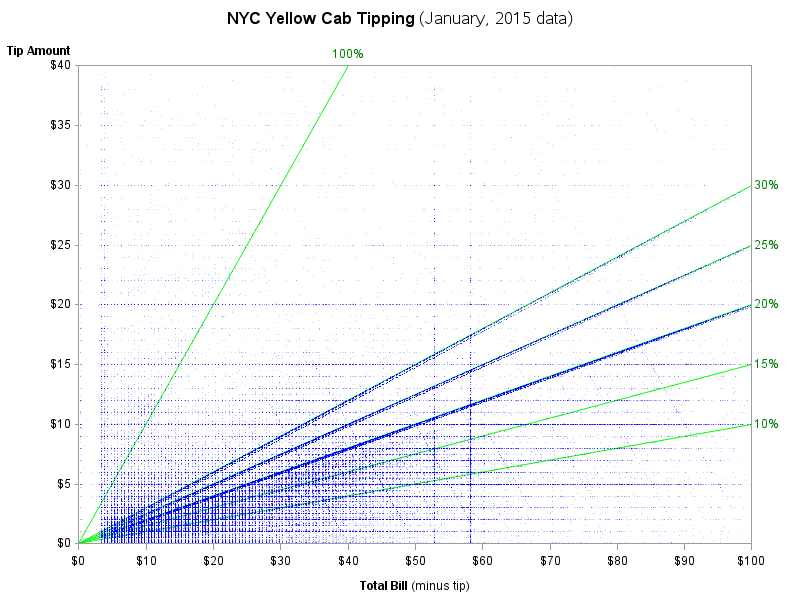
Tips form a substantial, albeit variable, component of a cab driver’s income. While not guaranteed, generous tips can significantly augment a driver’s earnings, especially on longer rides or when providing exceptional customer service. Tourists, often unfamiliar with the city’s intricacies or appreciative of a driver’s local knowledge and safe navigation, are frequently more inclined to tip. Conversely, short rides or rides during periods of heavy traffic where the meter ticks up quickly might result in lower tip percentages. Professional courtesy, a clean vehicle, and a friendly demeanor can all contribute to a more positive tipping experience for the driver.
Bonuses and Incentives
While less common for individual drivers, fleet owners or specific ride-hailing platforms may occasionally offer performance-based bonuses or incentives. These could be tied to completing a certain number of rides within a timeframe, driving during off-peak hours to meet demand, or maintaining high customer satisfaction ratings. Such incentives, when available, can provide a welcome boost to a driver’s overall income.
The Unseen Costs: Operating Expenses and Deductions
The glamorous image of a cab driver navigating the streets of New York City often overlooks the considerable operational costs involved. These expenses directly impact the driver’s take-home pay, transforming gross earnings into net income.
Vehicle Expenses
For owner-operators, the initial purchase or lease of a vehicle is a major investment. Beyond that, regular maintenance is paramount. This includes oil changes, tire rotations, brake replacements, and general upkeep to ensure the vehicle’s reliability and compliance with TLC regulations. Fuel costs are also a significant daily expense, fluctuating with global oil prices. For drivers who lease their vehicles, these costs are often bundled into a daily or weekly fee.
Insurance and Licensing
Operating a taxi in New York City requires comprehensive insurance, which can be costly. This coverage protects both the driver and passengers in the event of an accident. Furthermore, drivers must maintain their TLC driver’s license, which involves renewal fees and adherence to ongoing safety and training requirements.
Fuel and Maintenance
Fuel is a constant expenditure. A driver might spend a substantial portion of their daily earnings on gasoline or diesel. Regular maintenance, including washes and interior cleaning to maintain passenger comfort and hygiene, also adds to the cumulative costs.

Other Deductions
Depending on the employment arrangement, drivers may also face deductions for dispatch fees, credit card processing fees (for credit card payments, which are mandatory), and potentially even parking tickets or tolls, which are usually borne by the driver.
Factors Influencing Income Variability
The life of a New York City cab driver is characterized by significant income variability. Several key factors contribute to this fluctuation, making it challenging to pinpoint an exact average income.
Time of Day and Week
As mentioned, peak hours—typically weekday mornings and evenings—and weekend nights generally offer the highest earning potential due to increased demand. Conversely, driving during off-peak hours or on holidays when fewer people are commuting might lead to lower earnings.
Location and Strategy
Drivers who strategically position themselves in high-traffic areas such as Times Square, near major transportation hubs like Grand Central Terminal, or in popular entertainment districts are likely to secure more fares. Understanding the city’s rhythm and anticipating demand in different neighborhoods is a skill that seasoned drivers develop.
Vehicle Type and Condition
The type of vehicle driven can also play a role. Traditional yellow cabs, hybrid vehicles, or electric vehicles might have different operational costs and passenger appeal. The overall condition and cleanliness of the cab can also influence customer satisfaction and tipping habits.
Competition and Market Dynamics
The landscape of urban transportation is constantly evolving. The rise of ride-sharing services like Uber and Lyft has introduced significant competition for traditional yellow cabs. While yellow cabs remain a ubiquitous presence, drivers must adapt to this competitive environment. Factors such as surge pricing by ride-sharing apps can influence passenger choices and, consequently, the demand for traditional taxis.
Driver Experience and Skill
More experienced drivers often possess a better understanding of the city’s traffic patterns, optimal driving routes, and customer service nuances. This experience can translate into more efficient driving, higher fare accumulation, and better tipping. Skill in navigating the city’s complex street grid, especially during rush hour, is invaluable.
Net Earnings and Lifestyle Considerations
When all expenses are accounted for, the net earnings of a New York City cab driver can vary considerably. A common range often cited for net income, after deducting all operating costs, is between $30,000 and $60,000 annually, though some highly successful drivers may exceed this. This figure is heavily dependent on the number of hours worked, the efficiency of their operation, and their ability to secure consistent fares and tips.
Work Hours and Flexibility
One of the primary attractions of being a cab driver is the potential for flexible hours. Many drivers choose to work long shifts, sometimes 12 hours or more, to maximize their earnings. Others opt for shorter, more concentrated shifts during peak times. This flexibility allows for a more personalized work-life balance, though it often requires a significant time commitment.
The Future of the Yellow Cab
The iconic yellow cab is facing a period of significant transition. While the digital age has brought new challenges, the enduring presence of these vehicles speaks to their continued relevance. Efforts to modernize the fleet, integrate with ride-sharing apps, and enhance the passenger experience are ongoing. For drivers, adapting to these changes, embracing new technologies, and maintaining a high standard of service will be crucial for sustained success in the dynamic New York City transportation sector. The earning potential remains, but it is increasingly tied to adaptability and a keen understanding of the evolving urban mobility ecosystem.
LifeOutOfTheBox is a participant in the Amazon Services LLC Associates Program, an affiliate advertising program designed to provide a means for sites to earn advertising fees by advertising and linking to Amazon.com. Amazon, the Amazon logo, AmazonSupply, and the AmazonSupply logo are trademarks of Amazon.com, Inc. or its affiliates. As an Amazon Associate we earn affiliate commissions from qualifying purchases.