
The allure of Italy, with its ancient history, vibrant culture, exquisite cuisine, and breathtaking landscapes, draws millions of travelers annually. For those embarking on this adventure from California, a significant consideration is the journey itself—specifically, the flight duration. Crossing the Atlantic Ocean from the West Coast of the United States to Southern Europe is a substantial undertaking, typically involving a significant commitment of time in the air. Understanding the factors that influence flight times and how to best prepare for this long-haul journey is crucial for a smooth and enjoyable travel experience.

Understanding the Transatlantic Journey
The flight from California to Italy is a quintessential long-haul international flight, traversing multiple continents and time zones. Unlike shorter regional flights, these journeys demand meticulous planning and an understanding of the intricate logistics involved.
Geographic Realities
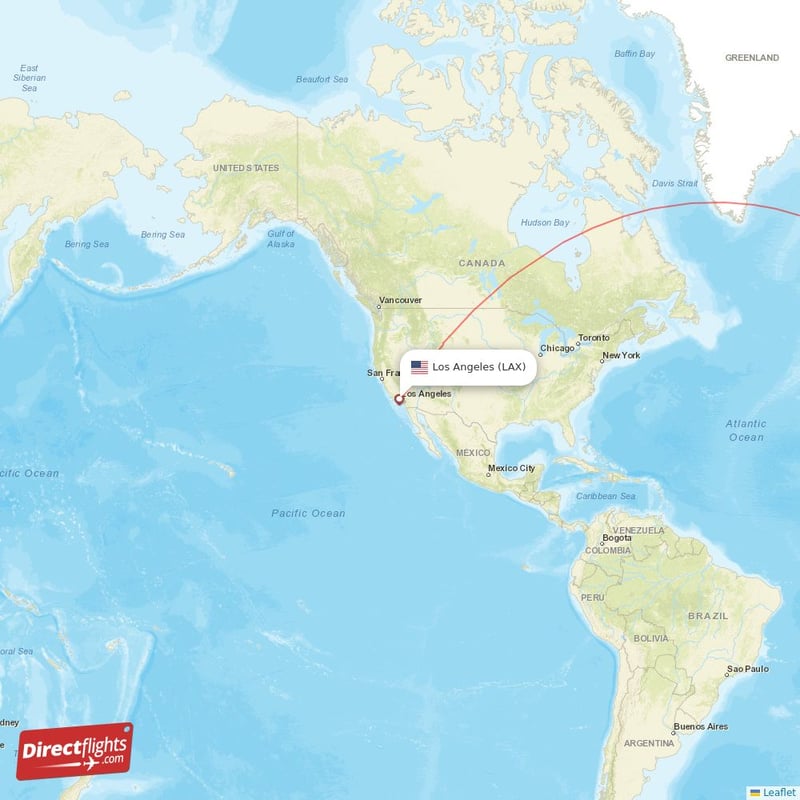
California is situated on the western edge of North America, while Italy lies in Southern Europe. The immense geographical distance between these two points—approximately 6,000 to 7,000 miles (9,600 to 11,200 kilometers) depending on the specific cities—is the primary determinant of flight duration. Aircraft must cover this vast expanse, typically flying over the United States, Canada, and then across the Atlantic Ocean before entering European airspace and descending into Italy.
Factors Influencing Flight Duration
Several variables contribute to the total travel time, making it more complex than a simple point-to-point calculation:
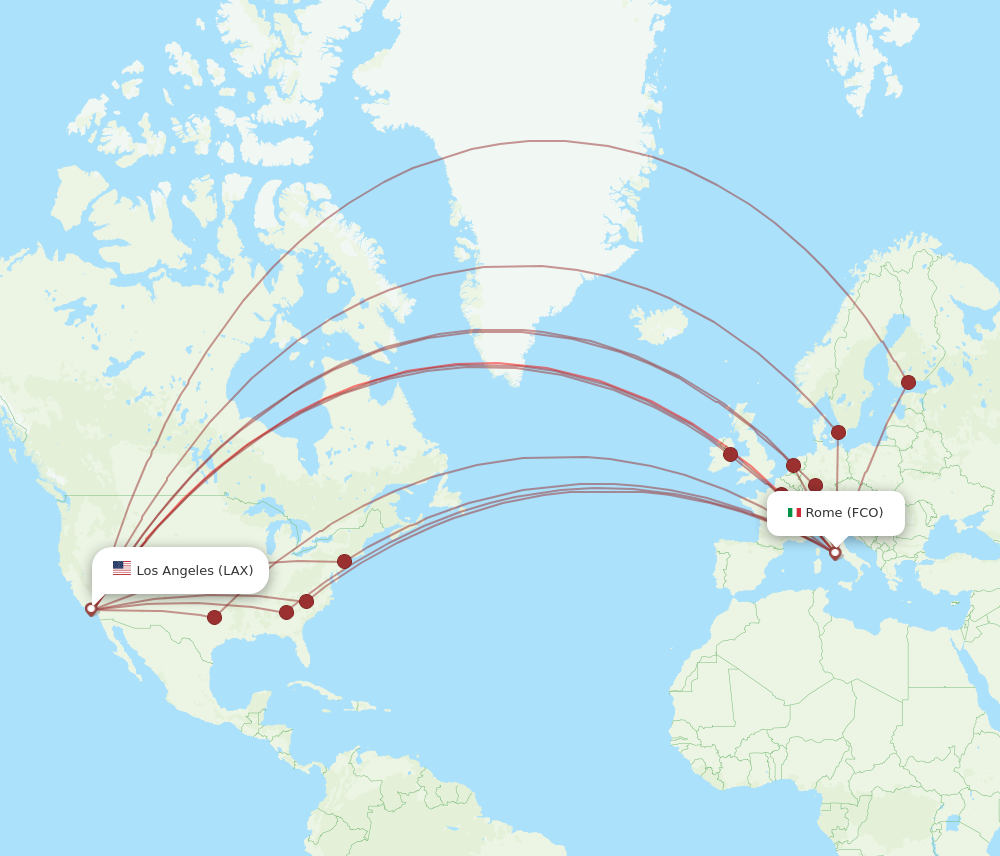
- Direct vs. Connecting Flights: The most significant factor is whether the flight is direct or involves one or more layovers. Direct flights are rare from California to Italy, meaning most travelers will experience at least one connection, often in a major European hub like Frankfurt, Amsterdam, or Paris, or a large East Coast U.S. city such as New York or Washington D.C..
- Layover Duration: The length of layovers can dramatically inflate total travel time. A short, efficient layover might be 2-3 hours, while longer ones can extend to 6-8 hours or even overnight.
- Departure and Arrival Airports: Specific airports in California and Italy play a role. Flying from Los Angeles International Airport (LAX) to Rome Fiumicino Airport (FCO) might have different options than flying from San Diego International Airport (SAN) to Milan Malpensa Airport (MXP).
- Aircraft Type and Speed: Modern long-range aircraft are designed for efficiency, but minor differences in cruising speed can add or subtract minutes from the flight.
- Tailwinds and Headwinds: Jet streams, powerful currents of air in the upper atmosphere, can either provide a boost (tailwinds) or create resistance (headwinds). Flights traveling eastbound across the Atlantic often benefit from tailwinds, making them slightly faster than westbound return journeys.
- Air Traffic Control and Route Optimization: Air traffic congestion, especially around major hubs, and optimized flight paths can also subtly impact actual flight times.
Typical Flight Times from Major California Hubs
While specific times fluctuate, general estimates can provide a useful guide for planning. These figures represent the actual flying time, not including layovers.
From Los Angeles (LAX)
Los Angeles International Airport (LAX) is a primary gateway for international travel from California.
- Direct Flights (Rare): If a direct flight were available, the flying time to Rome or Milan would typically be in the range of 12 to 13 hours. As of late, direct flights are extremely limited or seasonal, making connections the standard.
- One-Stop Flights: Most flights from LAX to Italy involve one stop, often in a major European city like London, Paris, Frankfurt, or Amsterdam, or an East Coast U.S. city.
- Total Travel Time (including layover): Expect anywhere from 15 to 20 hours for an efficient one-stop journey. This range accounts for the flight segments plus a reasonable layover of 2-4 hours. Longer layovers can easily push total time beyond 20 hours.
From San Francisco (SFO)
San Francisco International Airport (SFO) also serves as a major international hub for Northern California. The distances are comparable to Los Angeles.
- Direct Flights (Rare): Similar to LAX, direct flights are uncommon. If available, flying time would be around 12 to 13 hours.
- One-Stop Flights: A typical one-stop journey from SFO to major Italian cities like Rome or Milan will likely route through a European capital or an East Coast U.S. city.
- Total Travel Time (including layover): Anticipate 15 to 20 hours for a one-stop itinerary, again depending heavily on the layover duration.
From Other California Airports
For travelers departing from smaller California airports like San Diego (SAN), Sacramento (SMF), or Oakland (OAK), the journey will almost certainly involve an initial domestic flight to a larger hub (either LAX, SFO, or an East Coast airport) before continuing internationally. This adds at least one more flight segment and potentially another layover, extending the total travel time.
- Total Travel Time: Expect total travel times ranging from 18 to 25+ hours, depending on the number of stops and the efficiency of connections.
The Impact of Layovers and Connections
For most journeys from California to Italy, connecting flights are inevitable. The choice of airline, routing, and layover strategy significantly impacts the overall travel experience.
Direct vs. Connecting Flights
While rare, a hypothetical direct flight saves immense time and reduces the logistical complexities of navigating multiple airports. However, connecting flights offer several advantages:
- Cost Savings: Connecting flights are often more affordable than direct options due to increased competition on popular routes and the flexibility of routing.
- More Options: A wider array of airlines, departure times, and destination cities in Italy become available with connections.
- Break from Flying: For some, a layover provides a welcome opportunity to stretch, walk around, grab a fresh meal, or even explore a new city if the layover is long enough.
Optimizing Layovers
When booking, consider the following to make the most of your layover:
- Minimum Connection Time (MCT): Airlines and airports have established minimum connection times. Ensure your chosen layover exceeds this to allow for potential delays, gate changes, and security re-checks, especially when transferring between international and domestic terminals or different airlines. A 2-3 hour layover is generally safe for international-to-international connections in most major hubs.
- Terminal Transfers: Be aware if your connection requires changing terminals, which might involve shuttle buses, trains, or considerable walking.
- Visa Requirements: If your layover is in a country where you require a transit visa (e.g., Canada or some European nations depending on your nationality and destination), ensure you have the necessary documentation. For U.S. citizens transiting through the Schengen Area to Italy, a separate transit visa is usually not required.
- Airline Consistency: Flying with the same airline or alliance (e.g., Star Alliance, SkyTeam, Oneworld) often means smoother baggage transfers and better assistance in case of delays.
Time Zones, Jet Lag, and Arrival Experience
Beyond the sheer duration of the flight, the impact of crossing nine time zones must be prepared for, particularly the effects of jet lag.
Battling Jet Lag Effectively
Jet lag occurs when your body’s internal clock (circadian rhythm) is disrupted by rapid travel across multiple time zones. Traveling eastward from California to Italy typically means losing hours, which can be more challenging than gaining them.
- Pre-Flight Adjustment: Start shifting your sleep schedule a few days before departure, going to bed and waking up earlier.
- Hydration: Drink plenty of water throughout the flight and avoid excessive caffeine and alcohol, which can exacerbate dehydration and disrupt sleep.
- Movement: Get up and move around the cabin every few hours to promote circulation and prevent stiffness.
- Onboard Sleep Strategy: Try to sleep on the plane, especially during the hours it would be nighttime at your Italian destination. Use an eye mask, earplugs, and a neck pillow to create a conducive sleep environment.
- Sunlight Exposure: Upon arrival in Italy, seek natural sunlight during the daytime to help reset your internal clock. Avoid napping for too long during the day.
- Gradual Activity: Don’t plan strenuous activities for your first day. A light stroll and an early dinner are preferable to a packed itinerary.
Planning Your First Day in Italy
After a long journey, your arrival experience can set the tone for your trip.
- Pre-Arranged Transport: Consider pre-booking an airport transfer to your accommodation. Navigating public transport or finding a taxi can be stressful when tired and disoriented.
- Accommodation Check-in: Confirm your hotel’s check-in time. If you arrive early, inquire about luggage storage so you can freshen up and explore nearby while waiting for your room.
- Light Itinerary: Plan a relaxed first day. Perhaps a gentle walk, a casual meal, and an early night to maximize your chances of adapting to the new time zone. Prioritize rest over immediate sightseeing.
Maximizing Comfort on Long-Haul Flights
A long flight to Italy can be comfortable with the right preparation and mindset.
Seat Selection and In-Flight Amenities
- Seat Choice: If possible, select seats in advance. A window seat offers a view and a wall to lean on, while an aisle seat provides easier access to stretch your legs and use the lavatory without disturbing others. Extra legroom seats or exit rows are worth considering for added comfort.
- Upgrade Options: Explore economy plus, premium economy, or business class upgrades if your budget allows. These offer significantly more space, better service, and enhanced amenities, making the long journey much more tolerable.
- Comfort Essentials: Pack a small bag with essentials: a comfortable neck pillow, eye mask, earplugs, noise-canceling headphones, and warm socks. A light blanket might be useful if the cabin gets chilly.
Hydration and Movement
- Stay Hydrated: The dry cabin air can be dehydrating. Drink water regularly and accept water refills from flight attendants.
- Move Regularly: Perform simple stretches in your seat and walk the aisles periodically. This helps prevent deep vein thrombosis (DVT) and reduces stiffness. Compression socks can also be beneficial.
Entertainment and Sleep Strategies
- In-Flight Entertainment: Utilize the airline’s entertainment system, which typically offers a wide selection of movies, TV shows, and music.
- Personal Devices: Load your tablet or smartphone with your own movies, e-books, podcasts, or music to ensure a personalized entertainment experience, especially during parts of the flight when screens might be off.
- Controlled Sleep: Try to align your sleep with your destination’s time zone. If it’s nighttime in Italy, attempt to sleep on the plane. If it’s daytime, try to stay awake and engage in activities.
In conclusion, a flight from California to Italy is a significant journey, typically spanning 15 to 20 hours with one stop. By understanding the factors influencing flight duration, optimizing layovers, and employing strategies to combat jet lag and maximize comfort, travelers can transform this long-haul experience into an integral, manageable, and even enjoyable part of their Italian adventure.
LifeOutOfTheBox is a participant in the Amazon Services LLC Associates Program, an affiliate advertising program designed to provide a means for sites to earn advertising fees by advertising and linking to Amazon.com. Amazon, the Amazon logo, AmazonSupply, and the AmazonSupply logo are trademarks of Amazon.com, Inc. or its affiliates. As an Amazon Associate we earn affiliate commissions from qualifying purchases.