
The allure of California is undeniable. From the sun-drenched beaches of Southern California to the majestic redwoods of the North, the Golden State offers a kaleidoscope of experiences that draw millions of travelers each year. Tourists flock to iconic destinations like Disneyland in Anaheim, the vibrant streets of San Francisco, the cultural heart of Los Angeles, and the wine country of Napa Valley. These visitors, in turn, fuel a massive tourism industry, creating a demand for a wide array of services, from charming boutique hotels and sprawling resorts to unique local experiences and long-term accommodation options.

Amidst this thriving ecosystem of travel and leisure, a crucial profession plays a pivotal role in connecting people with their ideal California experiences: the real estate agent, or realtor. While many associate realtors with the sale and purchase of homes, their expertise extends far beyond residential properties. In a state as dynamic and diverse as California, realtors are instrumental in facilitating the leasing of vacation villas, the acquisition of prime hotel locations, the development of new attractions, and the management of resort properties. Understanding how much these professionals make in such a lucrative market is a question that piques the interest of many, especially given the state’s reputation for high living costs and significant economic activity. This article delves into the earning potential of realtors in California, exploring the factors that influence their income and the various avenues through which they generate revenue.
The Diverse Income Streams of California Realtors
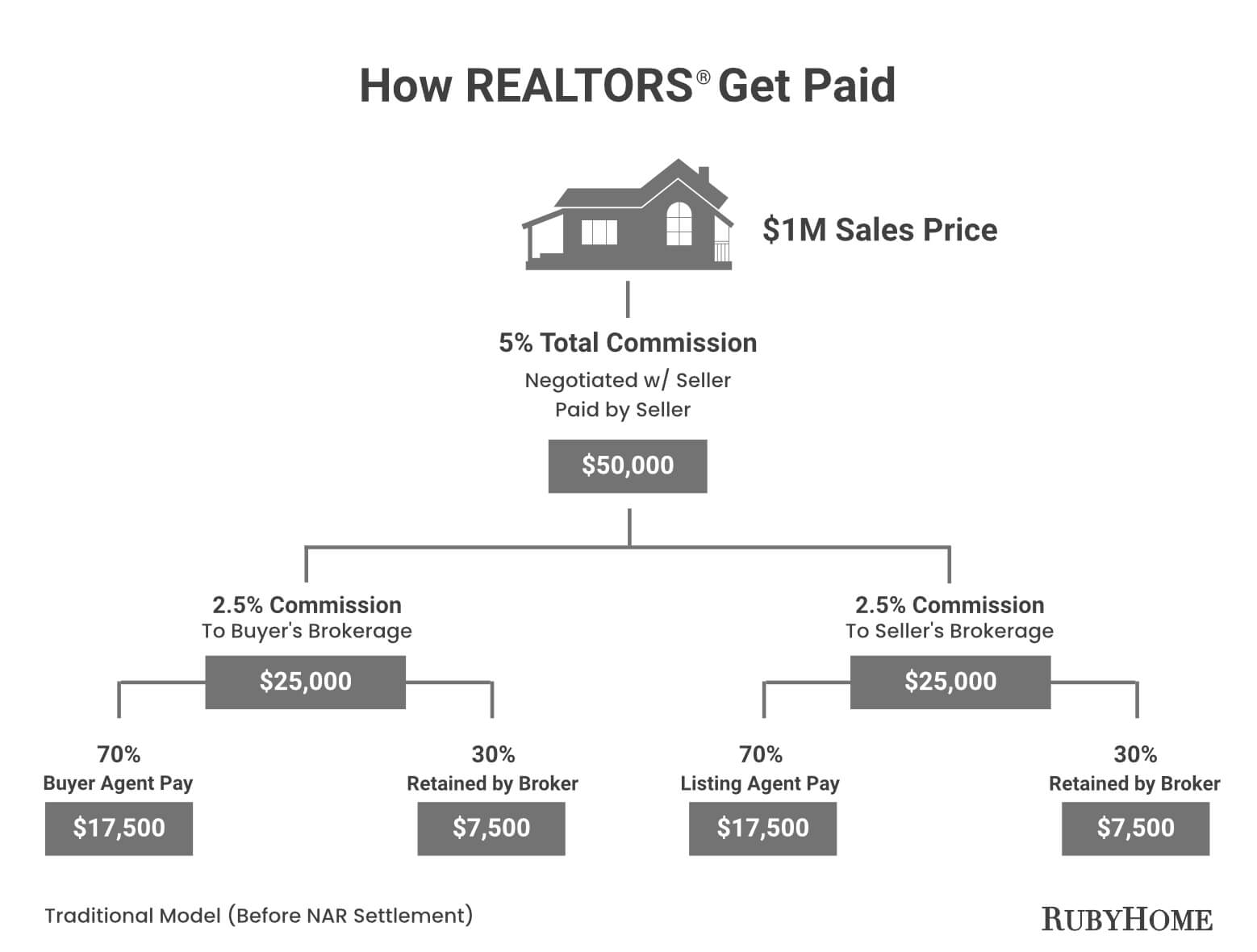
A realtor’s income in California, much like in other states, is not a fixed salary. Instead, it is largely commission-based, meaning their earnings are directly tied to the successful completion of transactions. This dynamic makes the profession inherently entrepreneurial, rewarding hard work, dedication, and market savvy. The commissions are typically a percentage of the sale price or lease value, and this percentage is then split between the buyer’s agent and the seller’s agent. Furthermore, these agents often share a portion of their commission with their brokerage firm, which provides essential infrastructure, marketing support, and licensing compliance.
Commission Structures and Splits
The standard commission rate in California real estate can vary but often falls within the range of 5% to 6% of the property’s sale price. This commission is then typically divided equally between the listing agent (representing the seller) and the buyer’s agent (representing the buyer). For instance, on a $700,000 home sale, a 5% commission would amount to $35,000. This would then be split, with each agent receiving $17,500. From this amount, the agent usually pays a commission split to their brokerage. A common brokerage split might be 50/50, meaning the agent would then take home $8,750 from that particular transaction.
However, these splits can be negotiable and often improve as an agent gains experience and closes more deals, with some experienced agents negotiating splits as high as 80% or 90% in their favor. Beyond standard residential sales, realtors involved in commercial properties, multi-unit dwellings, or properties that are part of larger tourism developments, like hotels or resorts, might negotiate different commission structures or higher percentage rates due to the larger transaction values involved. For example, a realtor facilitating the sale of a prominent hotel in San Francisco or a luxury villa in Malibu could see significantly higher earnings from a single deal than from multiple residential sales.
Beyond Traditional Sales: Diversifying Revenue
While sales commissions form the bedrock of a realtor’s income, successful agents in California often diversify their revenue streams to create a more stable and lucrative career. This diversification is particularly relevant in a state so heavily reliant on its robust tourism and lifestyle sectors.
- Leasing and Property Management: Realtors can earn commissions from leasing properties, whether it’s a long-term rental apartment in Los Angeles or a short-term vacation villa in Palm Springs. Property management services, where agents handle the day-to-day operations of rental properties for owners, can provide a steady stream of income through monthly management fees, often a percentage of the rental income. This is especially pertinent for investors who own multiple accommodation units or vacation rental properties catering to the travel market.
- Referral Fees: Building a strong network is crucial. Realtors can earn income through referral fees when they refer clients to other agents specializing in different areas or property types. For instance, a realtor focused on residential sales might refer an investor looking for commercial properties to a colleague who specializes in that niche, receiving a percentage of the resulting commission. Similarly, referrals to reputable hotel booking services or travel agencies, for clients seeking accommodation or experiences, could also generate income if such partnerships are established.
- Consulting and Advisory Services: Experienced realtors, particularly those with a deep understanding of specific markets within California, can offer consulting services. This might involve advising developers on tourism projects, assisting hotel investors with market analysis, or guiding individuals on the best accommodation strategies for their travel needs. These services can be billed hourly or on a project basis, providing another avenue for income independent of direct sales.
- Real Estate Investment: Some realtors leverage their market knowledge and financial acumen to invest in properties themselves, whether it’s residential homes, commercial spaces, or even small boutique hotels. By identifying undervalued properties or promising investment opportunities, they can generate passive income through rental revenue and capital appreciation.
Factors Influencing a Realtor’s Earning Potential in California
The average income of a realtor in California can vary dramatically, influenced by a confluence of factors that range from the individual agent’s skills and efforts to broader market conditions and the specific niche they occupy within the real estate landscape.
Individual Performance and Expertise
The most significant determinant of a realtor’s earnings is their performance. This includes:
- Sales Volume and Value: The number of transactions an agent closes and the total value of those transactions directly impact their commission earnings. A realtor who consistently closes high-value deals, such as luxury condos in Beverly Hills or commercial properties in downtown San Francisco, will naturally earn more than one handling lower-value transactions.
- Market Specialization: Real estate is a broad field. Agents who specialize in specific niches often command higher earnings. For example, a realtor focusing on luxury resorts in Lake Tahoe, vineyard properties in Sonoma, or beachfront apartments in San Diego can develop deep expertise and a targeted client base, leading to more lucrative deals. This specialization is particularly valuable in California, where diverse markets cater to distinct lifestyle preferences, from bustling urban centers to serene natural landscapes.
- Marketing and Networking Skills: Effective marketing and strong networking abilities are paramount. Top-earning realtors invest in robust marketing strategies, utilizing digital platforms, social media, and traditional advertising to reach potential clients. They also cultivate extensive networks of past clients, industry professionals, and community members, leading to a steady flow of referrals and repeat business.
- Negotiation and Sales Acumen: The ability to negotiate favorable terms for clients and close deals efficiently is a hallmark of successful realtors. This requires deep market knowledge, strong communication skills, and a keen understanding of buyer and seller motivations.

Market Conditions and Economic Factors
The overall health of the California real estate market and the broader economy significantly influence realtor earnings.
- Real Estate Market Trends: Periods of strong market growth, with rising property values and high demand, generally lead to higher earnings for realtors. Conversely, market downturns or fluctuations can reduce transaction volumes and, consequently, commission income. California‘s real estate market is known for its dynamism, with regional variations in growth and demand influenced by factors like job creation, interest rates, and housing supply.
- Economic Health of California: The state’s economic prosperity, driven by sectors like technology in Silicon Valley, entertainment in Los Angeles, and agriculture in the Central Valley, directly impacts the real estate market. A robust economy generally translates to higher disposable incomes, increased investment in property, and greater demand for both residential and commercial real estate, including properties that support the tourism and lifestyle sectors.
- Cost of Living and Operating Expenses: While California offers immense earning potential, it also comes with a high cost of living and substantial operating expenses for realtors. These include brokerage fees, marketing costs, professional development, licensing fees, and the general expenses associated with running a business. These costs must be factored into an agent’s net income.
Location Within California
The specific geographic location within California plays a vital role in a realtor’s earning potential due to vastly different market values and property types.
- High-Cost Urban Centers: Areas like San Francisco, Palo Alto, Los Angeles, and Beverly Hills boast some of the highest real estate prices in the nation. Realtors operating in these markets, even with fewer transactions, can achieve very high incomes due to the substantial commission amounts generated by luxury properties and prime commercial spaces.
- Popular Tourist Destinations: Realtors in areas heavily reliant on tourism, such as San Diego‘s coastal communities, Napa Valley‘s wine country, or the ski resorts around Lake Tahoe, often find opportunities in vacation rental properties, hotels, and resorts. The demand for short-term and long-term accommodation in these locales can translate into significant leasing and sales commissions, especially for properties marketed towards travel enthusiasts seeking unique experiences.
- Emerging Markets: Other regions in California, while perhaps not as historically expensive, may offer growth potential. Realtors in these areas can build their business by identifying opportunities and providing valuable services to a growing population.
Average Earnings and Income Projections for California Realtors
Pinpointing an exact “average” income for a realtor in California is challenging due to the wide range of variables at play. However, we can explore general trends and provide context for potential earnings. It’s crucial to differentiate between gross commission income and net income after expenses and splits.
The Spectrum of Realtor Incomes
The income of a realtor in California can range from modest earnings for new agents to multi-million dollar incomes for top-tier professionals.
- Entry-Level Agents: Newly licensed realtors often face a steep learning curve and may experience an initial period of lower earnings as they build their client base and gain experience. During their first year or two, many may earn between $30,000 and $60,000 annually, sometimes less, as they rely heavily on initial brokerage support and learn the ropes. Their income is highly dependent on mentorship and the volume of leads provided by their brokerage.
- Mid-Career Agents: With a few years of experience, successful agents who have honed their skills, built a solid network, and established a reputation can expect to earn anywhere from $70,000 to $150,000 or more per year. These agents are typically closing a consistent number of deals and have a good understanding of their chosen market. They might be specializing in specific neighborhoods or property types, such as family homes in suburban Orange County or starter condos in urban Sacramento.
- Top Producers and Luxury Specialists: The highest earners in California real estate are often those who operate in high-value markets, specialize in luxury properties, or have established significant businesses in areas like commercial real estate, development, or high-end tourism-related accommodation. These individuals can earn several hundred thousand dollars to well over a million dollars annually. Their success is built on years of expertise, extensive networks, and a proven track record of handling complex and high-stakes transactions, often involving significant investments in lifestyle properties or commercial ventures that cater to the travel industry.
The Impact of Specialization on Earnings
Realtors who focus on niches that align with California‘s robust economy and its appeal as a global destination often see higher earning potential.
- Luxury Real Estate: Selling multi-million dollar homes in Beverly Hills, beachfront estates in Malibu, or sprawling vineyards in Sonoma County offers substantial commission checks. This niche requires a sophisticated understanding of high-net-worth individuals, exclusive marketing strategies, and impeccable client service.
- Commercial Real Estate: Investing in and selling commercial properties, including office buildings, retail spaces, and industrial warehouses, can be highly lucrative. Realtors specializing in this area often work with developers, investors, and businesses, facilitating transactions that can range from hundreds of thousands to tens of millions of dollars. This can include properties crucial to the tourism infrastructure, such as acquiring or developing new hotels or resorts.
- Investment Properties and Multi-Unit Dwellings: California‘s strong rental market, both for residential and commercial purposes, creates significant opportunities for realtors who help clients invest in properties that generate rental income. This includes single-family homes, duplexes, apartment buildings, and even properties suitable for conversion into short-term rentals or boutique hotels, catering to the discerning travel market.
- Relocation Services: With California attracting talent from around the globe, realtors who specialize in relocation services for individuals and corporate clients can build a strong business. This often involves assisting clients with finding not just a home, but also understanding the local lifestyle, accommodation options, and community amenities.
The Entrepreneurial Nature of Real Estate
Ultimately, a realtor’s income in California is a direct reflection of their entrepreneurial spirit, hard work, and ability to navigate a competitive yet rewarding market. Success is not guaranteed, and it requires dedication, continuous learning, and a genuine passion for helping clients achieve their real estate goals, whether they are seeking their dream home, an investment property, or the perfect accommodation for their next California adventure. The landscape of California, with its diverse cities like San Francisco, Los Angeles, and San Diego, its stunning natural landmarks, and its vibrant cultural scene, provides a fertile ground for ambitious realtors to thrive and build prosperous careers.
LifeOutOfTheBox is a participant in the Amazon Services LLC Associates Program, an affiliate advertising program designed to provide a means for sites to earn advertising fees by advertising and linking to Amazon.com. Amazon, the Amazon logo, AmazonSupply, and the AmazonSupply logo are trademarks of Amazon.com, Inc. or its affiliates. As an Amazon Associate we earn affiliate commissions from qualifying purchases.