
Navigating the intricacies of alcohol purchase regulations can be a crucial part of planning any trip, especially when venturing into a new state like Texas. Whether you’re a resident, a traveler looking to stock up for your stay at a resort or a cozy apartment, or simply curious about local customs, understanding Texas’s alcohol laws is essential. This comprehensive guide will break down the cuándo, dónde, and cómo of purchasing alcoholic beverages across the Lone Star State, ensuring you can enjoy your Texas experience responsibly and without any unexpected hiccups.
The laws surrounding alcohol sales in Texas are a mosaic of state-level statutes and local ordinances, creating a nuanced landscape that can sometimes be confusing. For travelers planning a visit, perhaps staying in a charming villa near a renowned landmark or exploring the vibrant tourism scene, knowing these rules can prevent awkward situations. This article aims to demystify these regulations, covering everything from the general hours of sale to specific restrictions on different types of alcohol and locations.
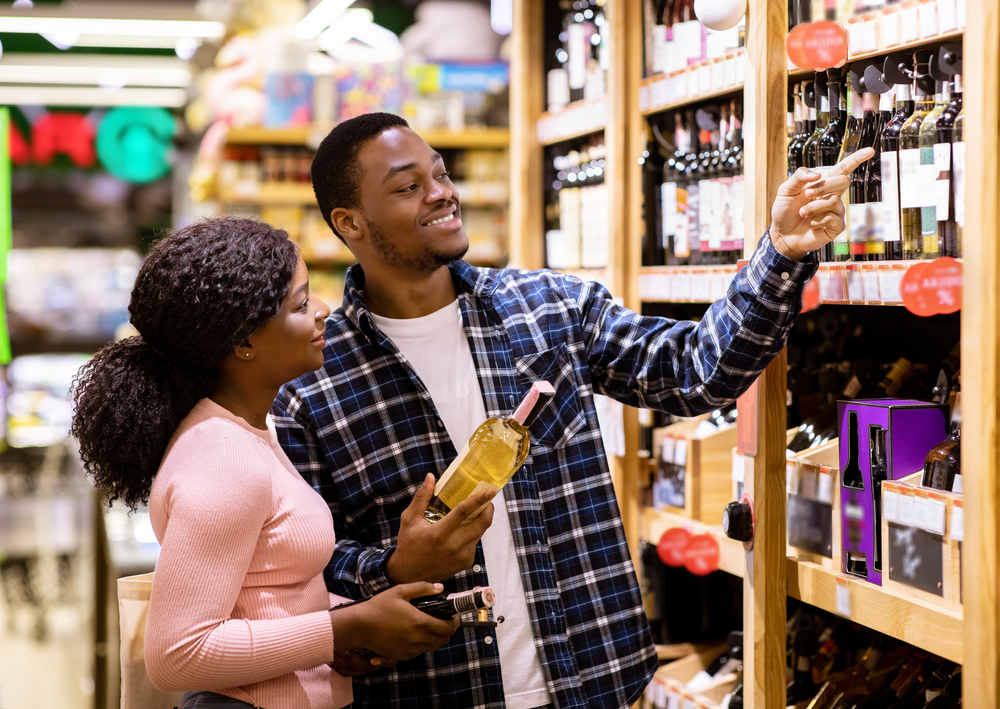
Understanding Texas Alcohol Sales: The General Landscape
At its core, Texas operates under a system of permits that dictate who can sell alcohol and when. These permits are issued by the Texas Alcoholic Beverage Commission (TABC), the state agency responsible for regulating the sale and distribution of alcoholic beverages. The general rule of thumb for purchasing alcohol is that it can typically be done between 7:00 AM and midnight on weekdays and Saturdays. However, this is just the starting point, and several factors can influence these hours.
Weekday and Saturday Sales
For most retail establishments like liquor stores, grocery stores, and convenience stores, the standard hours for selling beer, wine, and spirits are from 7:00 AM to midnight on weekdays (Monday through Friday) and Saturdays. This window provides ample opportunity for both residents and visitors to make their purchases. If you’re exploring a new city like Austin or Dallas and need to grab some drinks for your hotel room at the Grand Hyatt Hotel or a rented suite, this timeframe should generally suffice.
Sunday Sales: A Bit More Nuance
Sundays present a slightly different picture, primarily due to historical “blue laws” that were in place to restrict commerce on the Sabbath. While many of these restrictions have been relaxed over the years, some remain. In Texas, liquor stores are generally not permitted to sell liquor on Sundays. However, grocery stores and convenience stores can sell beer and wine on Sundays, typically starting at noon and ending at midnight. This means that if you’re planning a Sunday brunch and want to pick up some mimosas or a bottle of wine, you’ll be able to do so from most supermarkets. If your heart is set on spirits, you’ll need to plan your purchase for a day before Sunday.
Local Option Elections: The Power of the Precinct
It’s crucial to understand that Texas allows for local option elections. This means that individual counties, or even specific precincts within a county, can vote on whether to allow or prohibit the sale of alcoholic beverages, and under what conditions. This can lead to significant variations in alcohol sales hours and availability from one town to another, or even within different neighborhoods of the same city.
For instance, a city might be a “wet” area, allowing alcohol sales, while a neighboring county might be “dry,” prohibiting it entirely. Within a “wet” area, there can still be “moist” precincts where only beer and wine can be sold, but not liquor. This is why it’s always a good idea to check local ordinances if you’re traveling to a less populated area or are unsure about the regulations in your specific destination. This is particularly relevant if you’re planning a budget travel adventure or a family trip to a more remote destination.
Specific Rules for Different Types of Alcohol and Establishments
The regulations don’t just stop at the time of day; they also extend to the types of alcohol sold and the venues where you can purchase them. Understanding these distinctions is key to a smooth shopping experience.
Liquor Stores vs. Grocery and Convenience Stores
There’s a distinct difference in what can be purchased and when from dedicated liquor stores compared to grocery stores and convenience stores.
- Liquor Stores: These establishments are generally permitted to sell liquor (distilled spirits), as well as beer and wine. However, as mentioned, they are typically prohibited from selling liquor on Sundays and on certain federal holidays like Thanksgiving Day, Christmas Day, and New Year’s Day.
- Grocery Stores and Convenience Stores: These retailers are licensed to sell beer and wine. They can operate within the general weekday and Saturday hours of 7:00 AM to midnight, and on Sundays from noon to midnight. This makes them a convenient option for picking up beverages for a casual dinner at your hotel or for enjoying during a relaxing stay at a resort.

On-Premise Consumption: Bars and Restaurants
When you’re dining out or enjoying a night at a bar, the rules for alcohol sales are slightly different.
- Bars and Restaurants: Establishments licensed for on-premise consumption (like bars, pubs, and restaurants) can generally sell alcoholic beverages from 7:00 AM to 2:00 AM, seven days a week. This applies to all types of alcohol, including beer, wine, and spirits. So, whether you’re enjoying a steak dinner in Houston or grabbing a drink at a lively establishment near the Alamo in San Antonio, you can expect to find alcohol available during these hours. This flexibility is often a welcome aspect for tourists exploring the rich local culture and food scene of Texas.
It’s worth noting that even for on-premise establishments, local option elections can still play a role. Some “dry” areas might not permit any on-premise alcohol sales, while others might have specific restrictions on hours.
Special Considerations and Exceptions
Beyond the general rules, there are a few special circumstances and exceptions that travelers should be aware of. These can impact your ability to purchase alcohol, especially around holidays or specific events.
Federal Holidays
As briefly mentioned, liquor stores are typically closed on certain federal holidays: Thanksgiving Day, Christmas Day, and New Year’s Day. On these days, you will not be able to purchase liquor from a liquor store. However, grocery and convenience stores may still be open and able to sell beer and wine, depending on their own store policies and local regulations. It’s always wise to stock up in advance if your travel plans coincide with these holidays.
Graduation Ceremonies and Specific Events
In some very specific instances, there might be temporary restrictions related to large public events, such as graduation ceremonies or specific festivals. These are less common and usually apply to sales in the immediate vicinity of the event and are enacted for public safety. For the vast majority of travelers, these exceptions are unlikely to impact their purchasing decisions.
Age Restrictions and Identification
This is a fundamental aspect of alcohol purchases everywhere, and Texas is no exception. You must be at least 21 years of age to legally purchase or consume alcohol in Texas. Be prepared to show a valid, government-issued photo ID (such as a driver’s license, passport, or military ID) to prove your age when purchasing alcohol. This applies to all types of alcohol and all purchase locations. For those visiting from countries with different drinking ages, it’s vital to remember this rule. This is a critical point for anyone enjoying luxury travel or even just a simple business stay.
Driving and Alcohol
While not directly about purchasing, it’s impossible to discuss alcohol in Texas without touching upon related laws, particularly those concerning driving. Texas has strict impaired driving laws, and the legal blood alcohol content (BAC) limit is 0.08%. It is never advisable to drive after consuming any amount of alcohol. Utilize ride-sharing services, taxis, or public transportation to ensure your safety and the safety of others, especially when exploring the vastness of Texas and its many attractions.

Tips for a Smooth Experience
To ensure your alcohol purchasing experience in Texas is as smooth as possible, here are a few practical tips:
- Plan Ahead: If you know you’ll need alcohol for a specific occasion or on a Sunday, try to make your purchases earlier in the week or on Saturday.
- Check Local Ordinances: For travelers venturing off the beaten path, a quick online search for “alcohol sales hours [city/county name]” can save you a trip.
- Carry Identification: Always have a valid ID on you, especially if you plan to purchase alcohol.
- Understand Venue Types: Remember that liquor stores have different restrictions than grocery stores, and bars/restaurants have their own operating hours.
- Designated Driver or Alternative Transportation: If you plan to consume alcohol, always have a safe way to get around.
By keeping these guidelines in mind, you can confidently navigate the world of alcohol sales in Texas, whether you’re staying at a boutique hotel, exploring nature reserves, or immersing yourself in the history of famous places. Enjoy your travels and your time in the Lone Star State!
LifeOutOfTheBox is a participant in the Amazon Services LLC Associates Program, an affiliate advertising program designed to provide a means for sites to earn advertising fees by advertising and linking to Amazon.com. Amazon, the Amazon logo, AmazonSupply, and the AmazonSupply logo are trademarks of Amazon.com, Inc. or its affiliates. As an Amazon Associate we earn affiliate commissions from qualifying purchases.