
Renewing your vehicle registration in Texas is a crucial annual task for every vehicle owner in the Lone Star State. Far from being a mere bureaucratic hurdle, it’s a vital step in ensuring your vehicle is legally permitted to operate on public roads, contributing to safety and revenue for infrastructure improvements. While the process might seem straightforward, understanding the nuances and available options can save you time and potential headaches. This guide will walk you through everything you need to know about renewing your vehicle registration in Texas, from understanding the requirements to choosing the most convenient method for your busy lifestyle, ensuring your journeys across the state, whether for exploring Big Bend Ranch State Park or enjoying a culinary tour of Austin, remain uninterrupted.
Understanding Your Texas Vehicle Registration Renewal
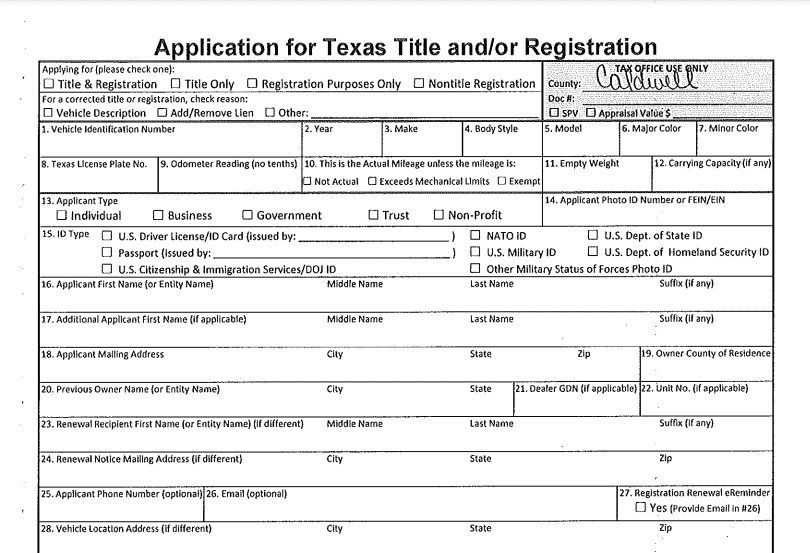
Before you can renew your registration, it’s essential to understand what it entails and what you’ll need. Vehicle registration in Texas is managed by the Texas Department of Motor Vehicles (TxDMV). The renewal process is designed to be accessible, offering various methods to suit different preferences.
The Importance of Vehicle Registration
Vehicle registration serves several critical purposes. Firstly, it confirms that your vehicle meets state safety and emissions standards. In many counties within Texas, a passing vehicle inspection is a prerequisite for registration renewal. This inspection ensures your vehicle is roadworthy, contributing to the overall safety of all drivers and passengers. Secondly, the fees collected from registration contribute directly to the state’s transportation infrastructure. This funding is used for maintaining and improving roads, bridges, and highways, ensuring smoother and safer travel experiences for everyone, whether you’re commuting to work or embarking on a luxury travel adventure to a luxury resort. Finally, registration provides a record of vehicle ownership, which is essential for law enforcement and insurance purposes.
Key Requirements for Renewal
To renew your vehicle registration in Texas, you will generally need the following:
- Current Vehicle Inspection Report: In most counties, you must have a valid vehicle inspection report (VIR). This report is generated by a certified inspection station. The inspection typically covers safety features like brakes, lights, tires, and emissions testing in certain metropolitan areas like Houston and Dallas. You can find authorized inspection stations through the TxDMV website.
- Proof of Insurance: Texas law requires all drivers to maintain minimum liability insurance coverage. You will need to provide proof of this insurance during the renewal process. This is a critical step to ensure financial responsibility in case of an accident, a consideration for any type of trip, from a budget travel excursion to a family trip.
- Your Current Registration Renewal Notice: The TxDMV typically mails a renewal notice to the address on file about 60 days before your registration expires. This notice contains important information, including your vehicle’s license plate number, VIN, and a renewal identification number (RIN) if you plan to renew online or by mail. While not strictly mandatory for all renewal methods, having it handy can expedite the process.
- Payment: Be prepared to pay the required registration fees. These fees can vary depending on the type of vehicle and its weight.
Understanding Your Registration Expiration Date
Your vehicle registration in Texas is valid for one year, expiring on the last day of the month indicated on your current registration sticker and documents. It’s crucial to renew your registration before it expires to avoid late penalties and potential citations. While you can renew up to 90 days before your expiration date, it’s advisable to complete the renewal shortly after receiving your notice or well before the expiration month to ensure you have ample time to address any unforeseen issues, such as a failed inspection.
Methods for Renewing Your Texas Vehicle Registration
The TxDMV offers several convenient ways to renew your vehicle registration, catering to various preferences and lifestyles. Whether you’re planning a trip to a charming small town like Georgetown or seeking a tranquil stay at a secluded villa, ensuring your vehicle is legal to drive is paramount.
Online Renewal: The Digital Convenience
Renewing your registration online is often the quickest and most convenient method. The TxDMV’s official renewal website, Texas.gov, is your gateway to this process.
- Visit the Official Website: Navigate to the Texas.gov vehicle registration renewal portal.
- Enter Your Information: You will typically need to enter your license plate number and either your Vehicle Identification Number (VIN) or your Renewal Identification Number (RIN) from your renewal notice.
- Verify Inspection and Insurance: The system will usually verify your vehicle’s inspection status and insurance electronically. If there are any discrepancies, you may need to visit a physical location or update your information before proceeding.
- Pay Fees: You can pay the registration fees using a credit card, debit card, or e-check.
- Receive Your New Sticker: Once your renewal is processed, your new registration sticker will be mailed to the address on file. This typically takes a few business days. It’s wise to renew online several weeks before your expiration date to ensure you receive your sticker in time, especially if you have upcoming travel plans, perhaps to the Alamo in San Antonio.
Renewal by Mail: The Traditional Approach
For those who prefer a more traditional method or face issues with online renewal, renewing by mail is a viable option.
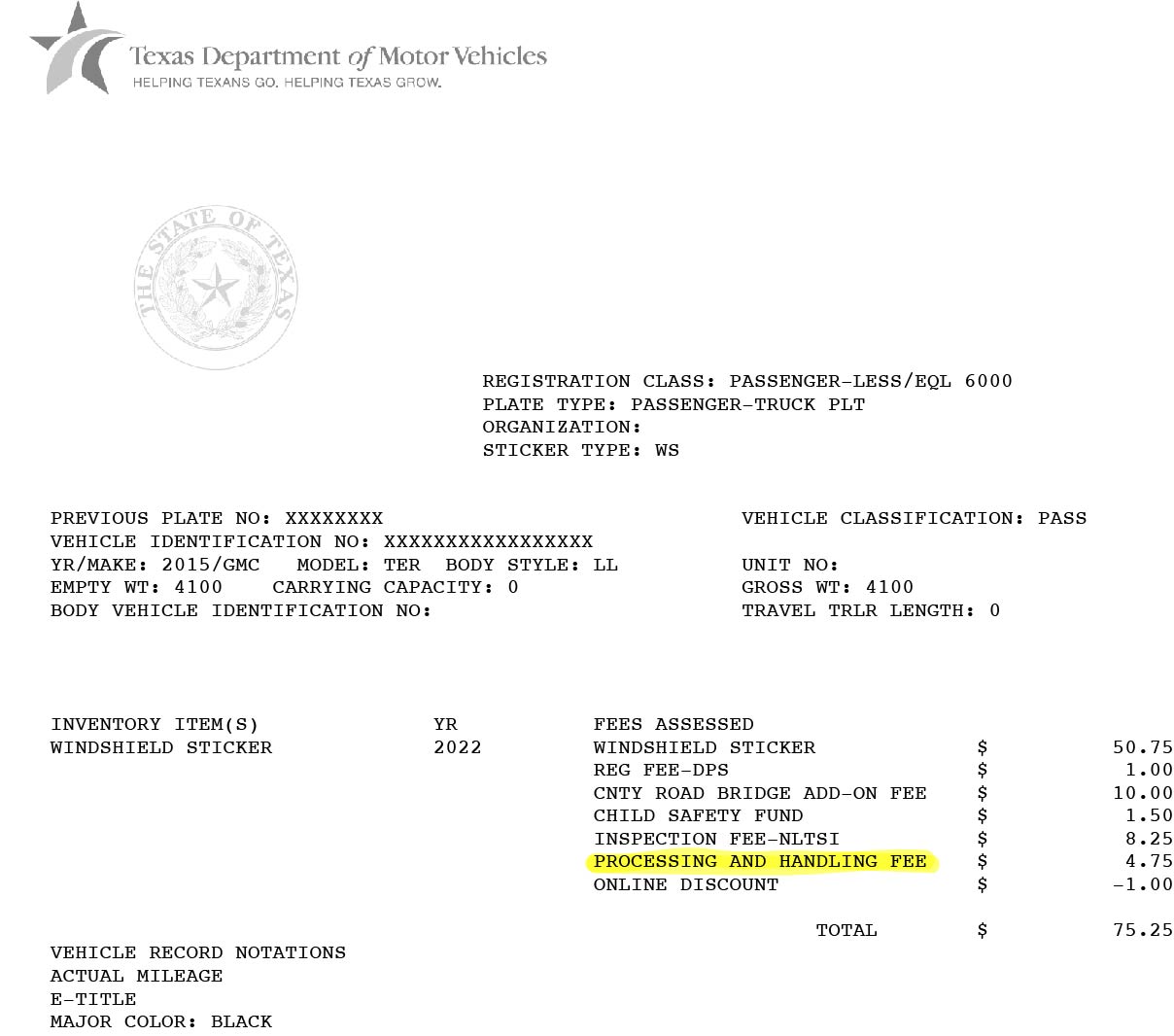
- Complete the Renewal Notice: Fill out the required information on your vehicle registration renewal notice.
- Include Supporting Documents: Attach a copy of your current vehicle inspection report and proof of insurance.
- Write a Check or Money Order: Make a check or money order payable to the TxDMV for the total amount due. Ensure you write your license plate number on the check.
- Mail Your Application: Send the completed renewal notice, supporting documents, and payment to the address provided on the renewal notice. The TxDMV recommends mailing your renewal at least two weeks before your expiration date to allow for processing and mailing time.
In-Person Renewal: The Local Option
You can also renew your registration in person at a local county tax assessor-collector’s office or an authorized third-party license plate vendor. This method is ideal if you need immediate assistance or prefer face-to-face interaction.
- Locate an Office: Find a county tax assessor-collector’s office or an authorized license plate vendor near you. A quick search on the TxDMV website can provide a list of locations.
- Bring Required Documents: Carry your current vehicle inspection report, proof of insurance, and your renewal notice (if available).
- Make Payment: You can typically pay with cash, check, money order, or credit/debit card, though payment methods may vary by office.
- Receive Your Sticker: Upon successful completion of the renewal, you will usually receive your new registration sticker on the spot. This is a great option if you’re planning a spontaneous road trip or need immediate confirmation that your registration is up-to-date.
Renewal via the MyTexasVehicle App
The TxDMV also offers a mobile app, MyTexasVehicle, which provides convenient access to various vehicle-related services, including registration renewal. This app offers a streamlined experience for users who prefer managing their vehicle information on their mobile devices, similar to how one might book accommodation or research local culture before a tourism excursion.
- Download the App: Search for “MyTexasVehicle” in your device’s app store and download it.
- Log In or Create an Account: Create an account or log in if you already have one.
- Navigate to Renewal: Access the vehicle registration renewal section.
- Enter Details and Pay: Follow the on-screen prompts to enter your vehicle information and complete the payment process.
Common Issues and Tips for a Smooth Renewal
While the Texas vehicle registration renewal process is generally smooth, a few common issues can arise. Being aware of these and following best practices can help you avoid delays.
Vehicle Inspection Failures
One of the most frequent roadblocks to registration renewal is a failed vehicle inspection. If your vehicle does not pass the inspection, you will be given a report detailing the reasons for the failure. You have 60 days from the date of the initial inspection to have the necessary repairs made and pass a re-inspection at an authorized station. It’s advisable to get your inspection done well before your registration expires to allow ample time for any required repairs. If you plan a long-term stay at a resort or a leisurely exploration of national parks, ensuring your vehicle is road-legal is fundamental.
Insurance Verification Problems
Ensuring your insurance information is accurately reflected in the state system is crucial. If your insurance company has not updated your policy information with the state, or if there’s a data entry error, your renewal may be flagged. Double-check that your insurance provider is up-to-date with the TxDMV. If you recently changed insurance providers, allow a few days for the information to be processed. This is especially important if your travels might take you through different states, where adherence to local regulations is key.
Address Changes
It’s vital to keep your mailing address updated with the TxDMV. If your renewal notice is sent to an old address, you might miss the deadline or encounter difficulties in receiving your new registration sticker. You can update your address online through the TxDMV website or by visiting a county tax assessor-collector’s office. This ensures that important notifications, like your registration renewal, reach you promptly, whether you’re staying in a downtown hotel or a remote cabin.
Late Fees and Penalties
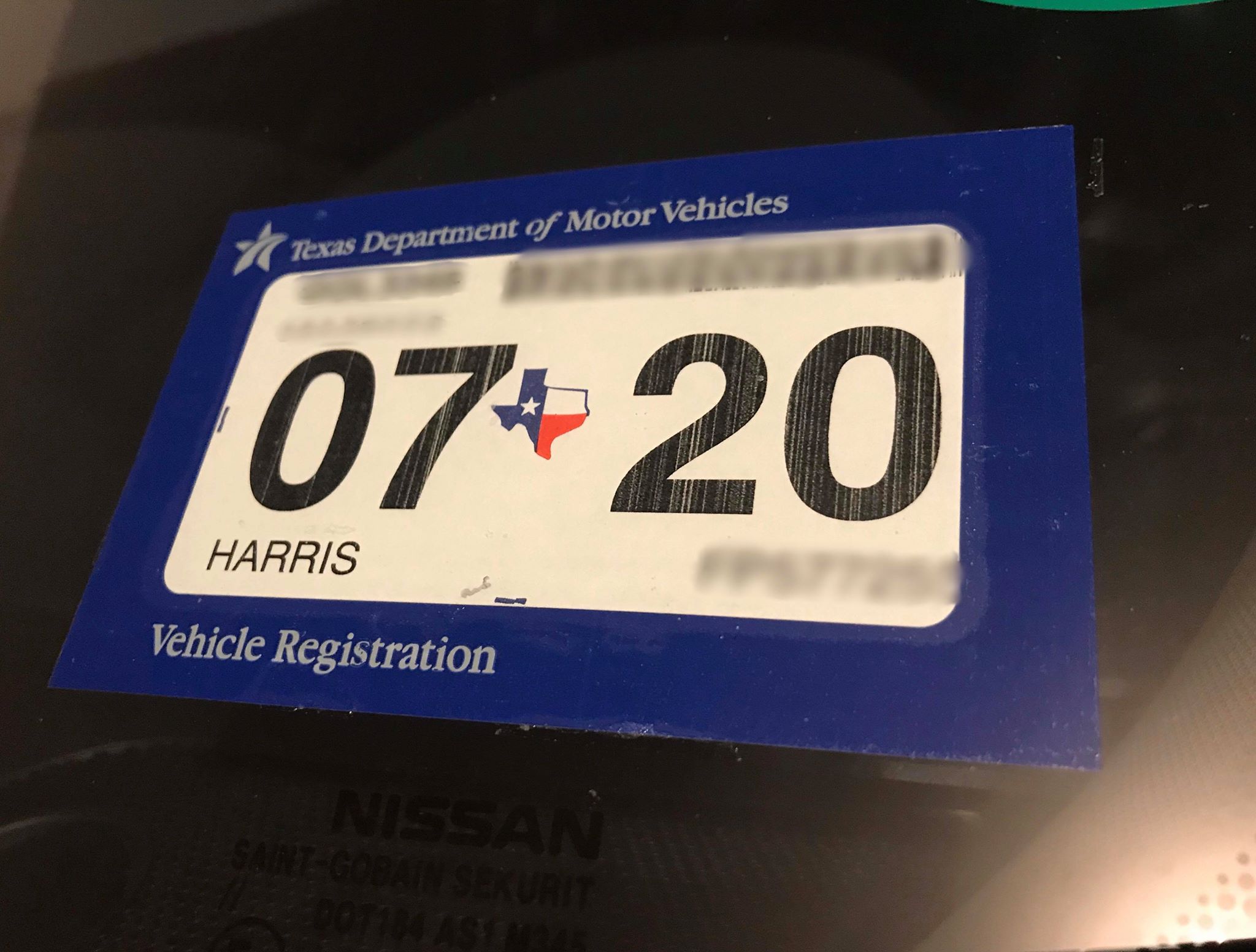
Failing to renew your registration by its expiration date can result in late fees and penalties. In Texas, there is a grace period, but it’s limited. To avoid these extra costs and the risk of being ticketed, always aim to renew your registration on time. Planning your renewal around milestones like a business stay or a family vacation to the Texas coast can help ensure you don’t overlook this important annual task.
By understanding the requirements, utilizing the convenient renewal methods, and being mindful of potential issues, renewing your vehicle registration in Texas can be a straightforward process, keeping you on the road legally and safely for all your adventures, from exploring the historic San Jacinto Monument to enjoying the vibrant nightlife of Dallas.
LifeOutOfTheBox is a participant in the Amazon Services LLC Associates Program, an affiliate advertising program designed to provide a means for sites to earn advertising fees by advertising and linking to Amazon.com. Amazon, the Amazon logo, AmazonSupply, and the AmazonSupply logo are trademarks of Amazon.com, Inc. or its affiliates. As an Amazon Associate we earn affiliate commissions from qualifying purchases.