
Navigating the requirements for owning and operating a vehicle in the Golden State often leads to one prominent question: “How much does a smog check cost in California?” While seemingly a straightforward query, the answer involves a nuanced understanding of various factors that influence the final price. This essential automotive service, mandated by the state to ensure vehicles meet emissions standards, is a recurring expense for many Californian drivers. Understanding these costs is crucial for budgeting and ensuring compliance, whether you’re a seasoned resident or a newcomer to the vibrant landscape of California.
Understanding the Smog Check System in California
The California Air Resources Board (CARB) oversees the state’s Smog Check program, a vital component of the effort to maintain air quality and reduce pollution. The program is designed to identify vehicles that emit excessive pollutants, thereby contributing to the state’s ongoing battle against smog and its associated health impacts. This comprehensive program applies to most gasoline-powered vehicles manufactured after 1975, as well as diesel vehicles newer than 1997 and some electric vehicles that have been modified. The goal is to ensure that every vehicle on the road adheres to strict emission regulations, contributing to a healthier environment for all Californians.
Why is a Smog Check Necessary?
The necessity of a smog check in California stems from the state’s unique geographical and meteorological conditions, which make it particularly susceptible to air pollution. Vast urban centers, a high population density, and a large number of vehicles on the road contribute to significant emissions. Furthermore, the topography of many Californian regions, with surrounding mountains, can trap pollutants, exacerbating smog levels. The Smog Check program acts as a critical tool in mitigating these challenges by ensuring that vehicles are not disproportionately contributing to the problem. By identifying and requiring repairs for high-emitting vehicles, the state aims to:
- Improve Air Quality: Reduce the amount of harmful pollutants released into the atmosphere, leading to cleaner air.
- Protect Public Health: Lower the incidence of respiratory illnesses and other health issues linked to air pollution.
- Comply with Federal Standards: Meet federally mandated air quality standards, avoiding potential penalties.
- Promote Vehicle Maintenance: Encourage regular maintenance of vehicles, leading to better fuel efficiency and reduced wear and tear.
The program’s effectiveness is directly tied to the participation and compliance of vehicle owners. Therefore, understanding the costs associated with this process is a fundamental aspect of responsible vehicle ownership in California. Whether you are planning a road trip through the scenic Pacific Coast Highway or simply commuting to work in Los Angeles, a valid smog certificate is a non-negotiable requirement.
Factors Influencing Smog Check Costs
The price you pay for a smog check in California isn’t a fixed number. It’s a variable cost influenced by several key factors, making it essential to understand these elements when budgeting for this required service. While the state sets guidelines, the actual charges are determined by individual licensed stations and the specific needs of your vehicle.
The Base Smog Check Fee
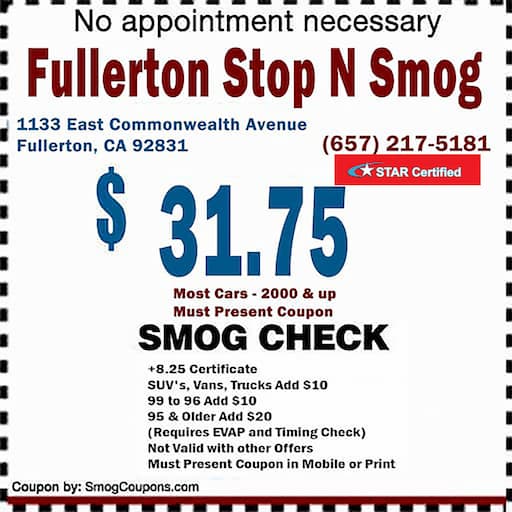
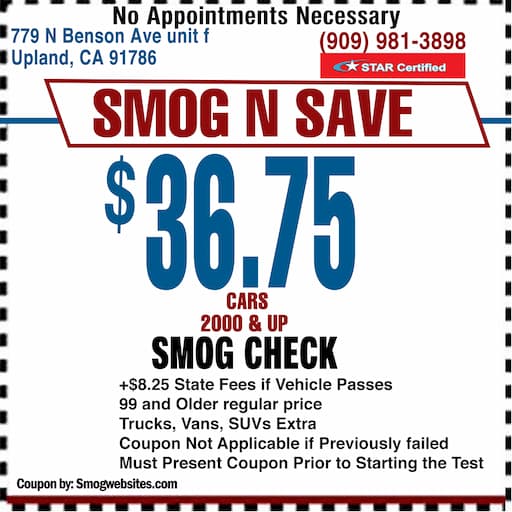
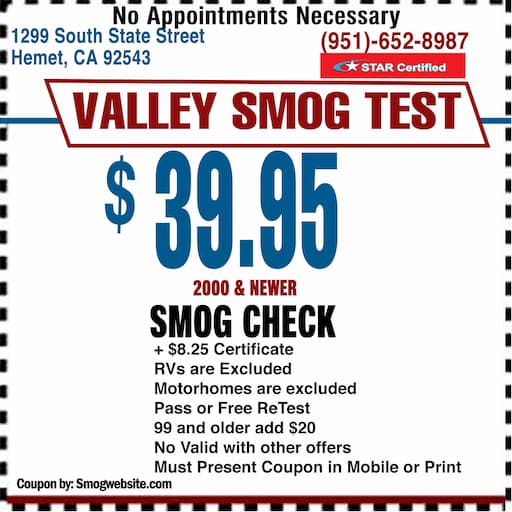
The foundational cost of a smog check typically covers the diagnostic inspection itself. This involves connecting your vehicle to specialized testing equipment to measure its emissions. The inspection verifies that your car’s catalytic converter, oxygen sensors, and other emissions control components are functioning correctly. Most licensed smog check stations in California will charge a base fee for this service. This fee can vary from station to station. You might find some offering a lower base price to attract customers, while others may have slightly higher prices reflecting their overhead or perceived value. It’s common to see these base fees ranging from $29.95 to $70 or more.
Additional Services and Repairs
The base fee is for the inspection only. If your vehicle fails the smog check, the cost will inevitably increase. This is where the expenses can escalate significantly, depending on what repairs are necessary. Common reasons for a failed smog check include issues with the:
- Catalytic Converter: This is a crucial component that converts harmful pollutants into less harmful substances. Replacement can be one of the more expensive repairs.
- Oxygen Sensors: These sensors monitor the amount of oxygen in the exhaust, helping the engine’s computer adjust the fuel mixture for optimal combustion and emissions.
- Spark Plugs and Ignition System: Worn spark plugs or other ignition system problems can lead to incomplete combustion and increased emissions.
- Exhaust Leaks: Leaks in the exhaust system can affect sensor readings and the overall efficiency of emissions control.
- Evaporative Emission Control System (EVAP): This system prevents fuel vapors from escaping into the atmosphere. Leaks or malfunctions in the EVAP system can cause a failed smog check.
The cost of these repairs varies widely based on the specific part needed, the make and model of your vehicle, and the labor rates of the repair shop. For minor issues, a simple adjustment or part replacement might cost under $100. However, if a major component like the catalytic converter needs replacement, the cost could easily run into several hundred dollars, or even over a thousand for certain vehicles. It’s always advisable to get a detailed quote for any recommended repairs before authorizing them.
Type of Vehicle and Smog Check Required
The type of vehicle you own can also influence the cost of a smog check. While the general process is similar for most vehicles, certain types might have specialized testing requirements or parts that are more expensive to diagnose or repair. For instance, older, classic vehicles or those with performance modifications might require a more in-depth inspection or specialized parts that are less readily available and thus more costly. While not always a dramatic price difference, it’s a factor to consider. Furthermore, some hybrid vehicles or those utilizing alternative fuel systems might have unique testing protocols, potentially influencing the labor involved and the overall price.
Location and Station Choice
As with many services, the geographical location and the specific smog check station you choose can affect the price. Stations in more affluent areas or those catering to luxury vehicles might charge higher rates compared to stations in less expensive regions. Similarly, some stations may offer “coupon” prices or discounts, especially for first-time customers or for specific times of the year. Exploring options and comparing prices among different licensed stations in your vicinity is a wise strategy to find the most cost-effective smog check. A quick online search for “smog check near me” will often reveal a list of local stations, many of which will display their pricing or offer online promotions. When comparing, always ensure that the station is licensed by the Bureau of Automotive Repair (BAR).
Navigating Smog Check Requirements and Costs in California
Understanding the ins and outs of California’s Smog Check program is more than just knowing the price; it’s about understanding the process, the potential pitfalls, and how to navigate it efficiently and affordably. Whether you’re a new resident preparing to register your vehicle or a long-time driver facing your biennial check, being informed empowers you to make better decisions and avoid unexpected expenses.
When is a Smog Check Required?
In California, smog checks are typically required every two years for most gasoline-powered vehicles, diesel vehicles, and some alternative-fuel vehicles. However, there are specific instances when a smog check is mandated outside of this regular cycle. These include:
- Transfer of Ownership: When you buy or sell a vehicle, the seller is responsible for providing the buyer with a valid smog certificate. This applies even if the vehicle was recently smog-checked.
- Out-of-State Registration: If you are bringing a vehicle from another state into California, you will need to obtain a smog check as part of the registration process.
- Change of Address: If you move to a new county within California, you may need to get a smog check.
- Vehicle Rebuilt or Modified: If your vehicle has been rebuilt after being declared a total loss or has undergone significant modifications, it may require a specialized smog check.
Certain vehicles are exempt from the biennial smog check requirement. These typically include vehicles that are eight model years old or newer, which are subject to an annual “Exhaust System Evaluation Fee” instead of a smog check. However, once these vehicles reach their ninth model year, they will require a biennial smog check. Additionally, vehicles manufactured before 1975, electric vehicles, and some gasoline-electric hybrids are exempt. It’s always best to verify your vehicle’s specific requirements with the California Department of Motor Vehicles (DMV).
Finding a Licensed Smog Check Station
It is paramount to use a licensed smog check station. The state of California licenses and regulates these stations to ensure they adhere to specific standards and use approved equipment. You can verify a station’s license status on the Bureau of Automotive Repair (BAR) website. There are two main types of licensed stations:
- Test-Only Stations: These stations can only perform the smog inspection. If your vehicle fails, you will need to take it to a licensed repair station for the necessary repairs. These stations often offer lower prices for the inspection itself, as they do not profit from repairs.
- Test and Repair Stations: These stations can perform both the inspection and the necessary repairs. This can be more convenient, as you can potentially get everything done at one location. However, their base inspection prices might be slightly higher to compensate for their repair services.
When choosing a station, consider both price and convenience. Reading online reviews can also provide insights into customer experiences. A quick search for “licensed smog check stations in California” will direct you to resources that can help you locate one near you, whether you are in San Francisco, San Diego, or anywhere in between.
Dealing with a Failed Smog Check
Failing a smog check can be a stressful experience, but it’s important to approach it methodically. The station will provide you with a report detailing the reasons for the failure.
- Understand the Failure: Carefully review the report to understand which emissions components failed. This will help you discuss the necessary repairs with your mechanic.
- Get Repair Estimates: If you used a test-only station, take the report to a licensed repair station for an estimate. If you used a test and repair station, they will provide an estimate for the repairs. Consider getting a second opinion or estimate from another licensed repair station, especially for more costly repairs.
- Consider the “Directed Vehicle” Program: For certain older vehicles that repeatedly fail smog checks, the state may direct them to a Directed Vehicle Test Center for a more thorough inspection. These centers are equipped to handle complex diagnostic challenges.
- Repair Assistance Programs: In some cases, California offers repair assistance programs for low-income vehicle owners. These programs can help cover the cost of necessary repairs to bring a vehicle into compliance. Information on these programs can usually be found on the BAR website.
- Re-Test: After repairs are completed, your vehicle will need to be re-tested to ensure it now passes the smog check. The cost of the re-test is often included in the repair price or is a significantly reduced fee.
By understanding these factors and options, vehicle owners in California can better manage the costs and requirements of the Smog Check program, ensuring their vehicles are both compliant and environmentally responsible. This proactive approach can save time, money, and contribute to the overall well-being of the state’s environment, allowing for more enjoyable experiences exploring the diverse attractions California has to offer, from the beaches of Malibu to the mountains of Lake Tahoe.
LifeOutOfTheBox is a participant in the Amazon Services LLC Associates Program, an affiliate advertising program designed to provide a means for sites to earn advertising fees by advertising and linking to Amazon.com. Amazon, the Amazon logo, AmazonSupply, and the AmazonSupply logo are trademarks of Amazon.com, Inc. or its affiliates. As an Amazon Associate we earn affiliate commissions from qualifying purchases.