
Planning a trip to the Golden State or considering a move to its sun-drenched shores? One essential aspect of budgeting for travel and daily life, especially in a state renowned for its sprawling landscapes and iconic road trips, is understanding the cost of fuel. California, a land of diverse attractions from the bustling cityscapes of Los Angeles and San Francisco to the serene beauty of Yosemite National Park, consistently ranks among the states with the highest fuel prices in the United States. This elevated cost is largely attributed to a complex web of taxes – state, federal, and local – alongside other factors like environmental regulations and unique market dynamics. For any traveler envisioning a scenic drive along the Pacific Coast Highway or a journey through the vineyards of Napa Valley, a clear understanding of California’s fuel tax structure is paramount for effective trip planning and managing your lifestyle budget.

The state’s commitment to robust infrastructure, environmental initiatives, and public services is directly linked to these fuel taxes. While they might seem like an added burden at the pump, these levies play a crucial role in maintaining the very roads that connect stunning destinations like Lake Tahoe to the vibrant nightlife of Hollywood. This article will break down the intricacies of California’s fuel tax, explore its impact on various travel styles, and offer practical tips for navigating fuel costs while enjoying all that this magnificent state has to offer. Whether you’re planning a luxurious escape to a Beverly Hills resort, a budget-friendly family adventure to the Disneyland Resort in Anaheim, or a business trip to Sacramento, understanding how much you’re truly paying for fuel is key to a smooth and enjoyable experience.
Understanding California’s Fuel Tax Landscape
California’s fuel tax isn’t a single, flat fee but rather a layered system comprising several components, each contributing to the overall price you see at the gas station. This intricate structure is designed to fund various state and federal programs, primarily focusing on transportation infrastructure. When you fill up your tank, you’re contributing to a pool of funds essential for maintaining roads, bridges, and public transit systems, which are vital for both residents and the millions of tourists who flock to the state annually.
The Components of California’s Gas Tax
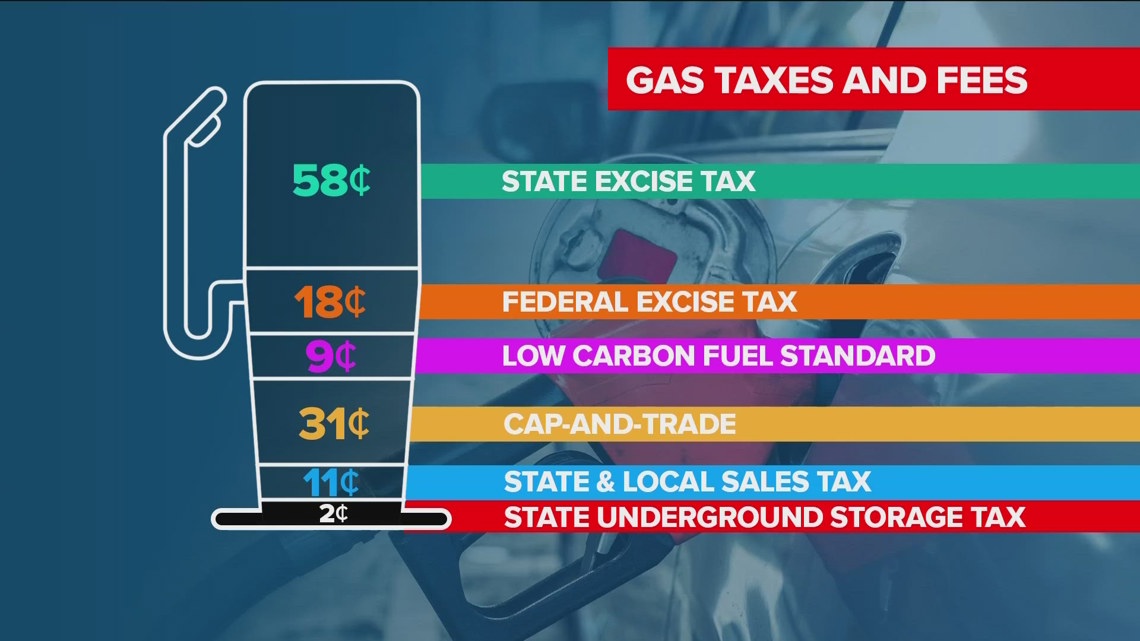
The fuel price in California is influenced by several taxes and fees:
- State Excise Tax: This is the largest component of California’s fuel tax, levied per gallon. Unlike a sales tax, it’s a fixed amount that doesn’t fluctuate with the price of gas itself. As of recent updates, this tax hovers around $0.57 to $0.58 per gallon for gasoline and a slightly higher rate for diesel. This revenue is primarily directed towards state transportation projects, including highway maintenance, public transit improvements, and local street repairs.
- State Sales Tax: In addition to the excise tax, gasoline is also subject to California’s statewide sales tax, which has a base rate of 7.25%. However, many cities and counties impose additional district sales taxes, meaning the actual sales tax rate you pay can vary significantly depending on your location, potentially ranging up to 10.75% or even higher in some areas. This tax is applied to the base price of the fuel before the excise tax is added in some calculations, adding another layer of complexity.
- Federal Excise Tax: This is a uniform tax applied across the entire United States. For gasoline, it’s currently $0.184 per gallon, and for diesel, it’s $0.244 per gallon. Federal fuel taxes contribute to the Highway Trust Fund, supporting national infrastructure projects.
- Cap-and-Trade Fees: California’s groundbreaking Cap-and-Trade program, designed to reduce greenhouse gas emissions, also adds to the cost of fuel. Refiners must purchase allowances for the emissions associated with the fuel they sell, and these costs are typically passed on to consumers at the pump. This fee can fluctuate based on market conditions but generally adds several cents per gallon.
- Underground Storage Tank Fees: A smaller fee is also included to fund the cleanup of leaking underground fuel storage tanks, ensuring environmental protection.
When combined, these taxes and fees significantly elevate the final price per gallon. For example, if the base price of gasoline is $3.00 per gallon, adding approximately $0.58 (state excise), $0.184 (federal excise), an average of $0.30 for sales tax (roughly 8% on $3.00), and another $0.10-$0.20 for cap-and-trade and other fees, the total can easily push the price well over $4.00 a gallon before even considering refining costs, distribution, and retailer markups. This comprehensive tax structure makes California a unique and often expensive market for fuel.
Why We Pay: The Purpose of Fuel Taxes
The primary purpose of fuel taxes in California is to generate revenue for transportation-related expenditures. The sheer scale of the state’s population, economic activity, and tourist traffic places immense demands on its infrastructure. Funds collected from fuel taxes are critical for:
- Road Maintenance and Repair: From major interstates to local streets in cities like San Diego and Pasadena, regular maintenance is essential to ensure safety and efficiency. Potholes, cracks, and general wear and tear require constant attention, and fuel tax revenue directly supports these efforts.
- New Infrastructure Projects: As California continues to grow, so does the need for new roads, bridges, and expanded transit options. Fuel taxes help finance these large-scale projects, facilitating better connectivity and reducing congestion.
- Public Transit Support: A portion of fuel tax revenue is often allocated to public transportation systems, encouraging alternatives to private vehicle use and supporting environmental goals. This includes funding for buses, light rail, and other mass transit initiatives in metropolitan areas.
- Environmental Initiatives: The Cap-and-Trade program and other environmental fees embedded in fuel prices directly support efforts to combat climate change, promote cleaner air, and invest in sustainable energy solutions, aligning with California’s ambitious environmental targets.
Essentially, every gallon of gas purchased contributes to keeping California moving, protecting its environment, and enhancing the travel experience for everyone, from daily commuters to tourists exploring destinations like Big Sur or Redwood National Park.
Historical Context and Recent Changes
California’s fuel tax rates have not remained static; they have evolved over time to address changing infrastructure needs and economic realities. A significant change occurred with the passage of Senate Bill 1 (SB 1), known as the Road Repair and Accountability Act of 2017. This landmark legislation substantially increased the state’s fuel excise tax and vehicle registration fees to generate billions of dollars for vital transportation projects.
The key provisions of SB 1 included:
- An immediate increase in the gasoline excise tax, with subsequent annual adjustments for inflation.
- An increase in the diesel excise tax and the diesel sales tax.
- New or increased vehicle registration fees.
These changes were implemented to tackle a substantial backlog of deferred maintenance on roads, bridges, and public transit across the state. The justification was clear: decades of underinvestment had led to deteriorating infrastructure, impacting travel times, vehicle wear and tear, and public safety. By indexing the fuel tax to inflation, the legislation aimed to create a more stable and predictable funding source, preventing future funding shortfalls.
For travelers and residents, these adjustments mean higher prices at the pump, but they also promise improved roads and more efficient transit systems, ultimately enhancing the overall travel and lifestyle experience in California. Understanding this historical context helps clarify why California fuel prices are notably higher than in many other states.
Fuel Tax and Your California Travel Budget
For anyone planning to explore the vast and varied landscapes of California, from the desert vistas of Death Valley National Park to the picturesque coastline of Monterey and Carmel-by-the-Sea, fuel costs will be a significant line item in your travel budget. The state’s high fuel taxes directly translate to higher expenses at the pump, necessitating careful planning, especially for road trips or longer stays. This section delves into how these taxes impact various travel styles and offers a comparative look at fuel costs.
Planning a Road Trip: What to Expect at the Pump
Road trips are synonymous with the quintessential California experience. Whether you’re driving the iconic Pacific Coast Highway, exploring the national parks like Joshua Tree National Park, or journeying between vibrant cities, you’ll be covering considerable distances. The cumulative effect of California’s fuel taxes means that your total fuel expenditure will be noticeably higher compared to states like Arizona or Nevada.
For example, a drive from San Diego to San Francisco is roughly 500 miles. A car averaging 25 miles per gallon would consume 20 gallons of fuel. With an average price of $5.00 per gallon (which can fluctuate significantly based on crude oil prices, local demand, and specific station pricing, but provides a good estimation for California), that trip alone would cost around $100 in fuel. If you’re undertaking a multi-day itinerary visiting several attractions, these costs can quickly add up.
Travelers should factor in:
- Higher per-gallon costs: Expect to pay $1.00 to $1.50 more per gallon than the national average in many parts of California.
- Fluctuations: Fuel prices can vary significantly even within a short distance. Cities tend to have higher prices than rural areas, and prices can surge around major holidays or during peak tourist seasons.
- Diesel premiums: Diesel fuel often carries a higher tax burden and can be more expensive than regular gasoline, impacting those traveling with RVs or certain larger vehicles.
To mitigate surprises, consider downloading gas price comparison apps before your trip. These tools can help you find the cheapest fuel stations along your route, potentially saving you a substantial amount over the course of a long road trip.
Impact on Different Travel Styles (Budget, Luxury, Family)
Fuel tax impacts travel budgets differently depending on the chosen style of travel:
- Budget Travel: For budget-conscious travelers, high fuel costs can be a significant concern. Every dollar spent on gas is a dollar less for accommodation, food, or activities. Budget travelers might opt for shorter road trips, focus on areas with good public transport like San Francisco or Los Angeles, or choose accommodations that are centrally located to minimize driving. Renting a fuel-efficient vehicle also becomes a priority.
- Luxury Travel: While luxury travelers might be less sensitive to minor price fluctuations, even they need to consider fuel costs, especially if their itinerary involves extensive driving. A private chauffeured tour, for instance, will incorporate these costs into its pricing. If driving a luxury vehicle, which often requires premium fuel, the overall fuel bill will be even higher due to both the premium fuel requirement and California’s higher taxes. However, luxury travelers might also have more flexibility to splurge on electric vehicle rentals or guided tours where fuel is an embedded cost.
- Family Trips: Families often travel with larger vehicles or RVs, which typically have lower fuel efficiency. This means family trips can incur substantial fuel expenses. Planning routes that minimize backtracking, packing snacks to avoid frequent stops, and utilizing loyalty programs at gas stations can help manage costs. Activities that offer carpooling options or are accessible via public transit, such as a day at Universal Studios Hollywood, can also help families save.
Regardless of your travel style, understanding the impact of California’s fuel tax allows for more realistic budgeting and helps avoid unexpected expenses that could detract from your overall travel experience.
Comparing Fuel Costs: California vs. Other States
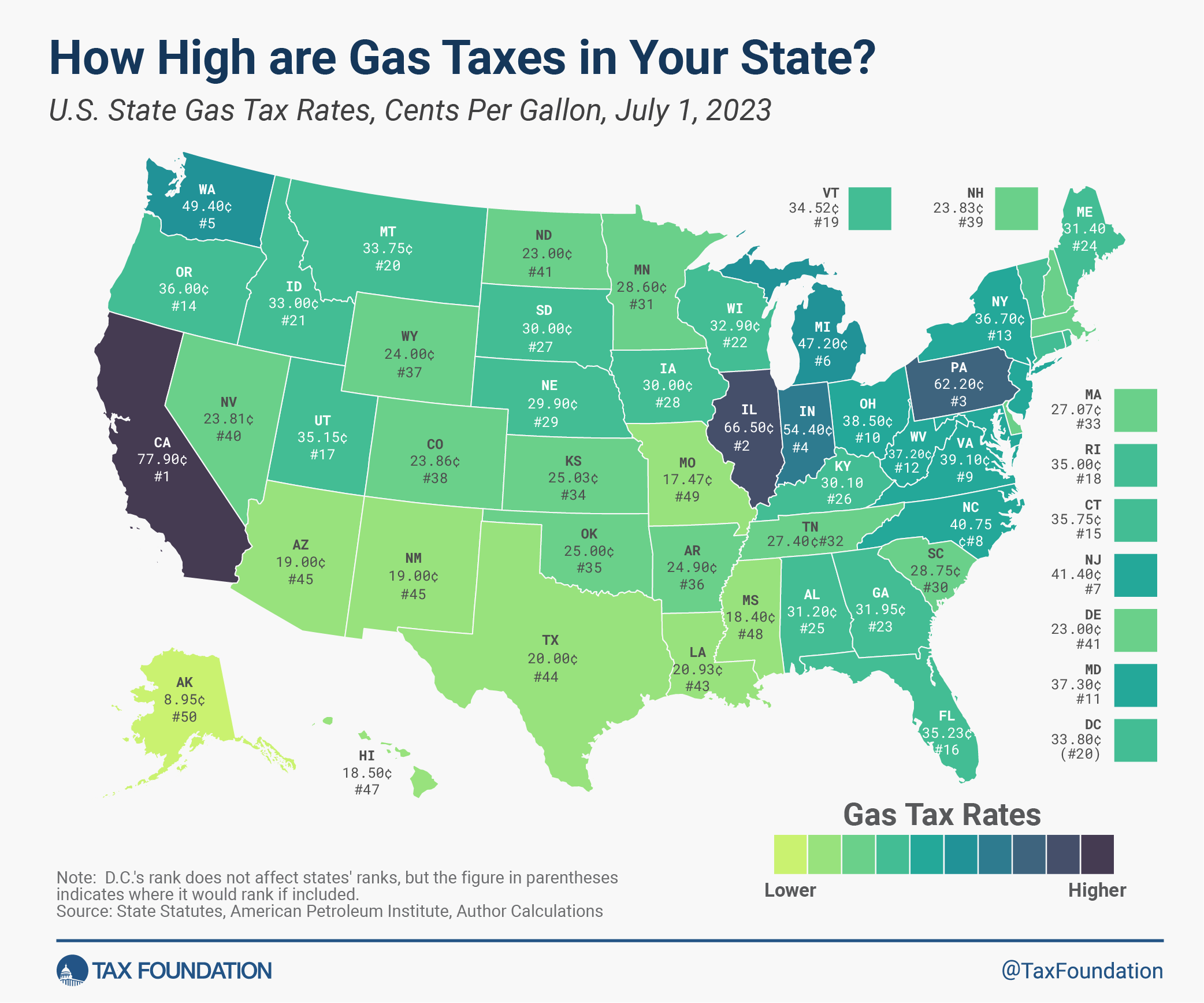
California consistently ranks among the top states for highest gasoline prices in the United States, often second only to Hawaii. This stark difference is primarily attributable to the higher state excise tax, stringent environmental regulations (like cleaner-burning fuel formulations unique to California), and the state’s Cap-and-Trade program.
To illustrate, while the national average might be around $3.50 per gallon, California prices could easily be over $5.00 per gallon. Neighboring states like Oregon, Nevada, and Arizona typically have significantly lower fuel prices. For travelers driving into California from these states or Mexico, it’s common practice to fill up your tank completely before crossing the border to take advantage of the lower prices.
- Federal Tax: The federal excise tax is the same everywhere in the United States.
- State Taxes: This is where the major differences lie. California’s state excise tax is among the highest, coupled with a general sales tax on fuel and other environmental fees not present in most other states.
- Environmental Regulations: California’s unique fuel blends, designed to reduce smog, are more expensive to produce than standard blends used elsewhere.
- Market Dynamics: California’s isolated fuel market, with limited pipeline access from other regions, can also contribute to higher prices during supply disruptions.
Understanding this disparity helps travelers set realistic expectations and plan fuel stops strategically, especially when embarking on cross-state journeys or planning extended stays within the Golden State.
Navigating Fuel Costs for a Seamless California Experience
While California’s fuel taxes are a fixed reality, there are numerous strategies travelers and residents can employ to minimize their impact on the overall cost of living and travel. By making informed choices about transportation, vehicle selection, and travel habits, you can still enjoy the state’s incredible attractions without breaking the bank at the pump. This proactive approach ensures a more enjoyable and budget-friendly California experience, whether you’re exploring the urban jungles or the natural wonders.
Strategies for Saving on Fuel in the Golden State
Savvy travelers can implement several tactics to reduce their fuel expenditure in California:
- Fuel Price Apps: Utilize smartphone applications like GasBuddy or AAA Mobile to locate the cheapest gas prices in your vicinity or along your planned route. Prices can vary significantly between gas stations, even those just a few blocks apart, especially in metropolitan areas.
- Loyalty Programs: Join loyalty programs offered by major gas station chains or grocery stores. These often provide discounts per gallon, which can add up over a long trip. Some credit cards also offer cash back or rewards on fuel purchases.
- Fill Up Strategically: As mentioned, if you’re entering California from a neighboring state like Oregon or Nevada, ensure your tank is full before crossing the border. Similarly, if you’re traveling from an urban area to a more remote national park, fill up in the city where prices tend to be more competitive.
- Maintain Your Vehicle: A well-maintained vehicle is a fuel-efficient vehicle. Ensure your tires are properly inflated, your oil is changed regularly, and your air filter is clean. These simple steps can improve your gas mileage by several percentage points.
- Drive Smart: Aggressive driving, such as rapid acceleration and hard braking, consumes more fuel. Maintain a steady speed, use cruise control on highways, and anticipate traffic to reduce unnecessary stops and starts. Reducing your speed by even 5-10 mph can significantly improve fuel economy, especially on long stretches of road.
By incorporating these habits, you can effectively counteract some of the burden imposed by California’s higher fuel taxes, leaving more room in your budget for dining out in Santa Barbara or exploring a museum in San Francisco.
Exploring Alternatives: Public Transport and Electric Vehicles
For those looking to minimize or even eliminate their fuel tax burden, California offers increasingly robust alternatives:
- Public Transportation: In major metropolitan areas like Los Angeles, San Francisco, and San Diego, public transportation can be an excellent option for exploring city attractions. San Francisco’s BART, Muni, and iconic cable cars provide extensive coverage. Los Angeles Metro system is continuously expanding, connecting key areas and tourist sites. Using public transit not only saves on fuel but also parking fees and the stress of driving in heavy traffic.
- Electric Vehicles (EVs): California is at the forefront of the EV revolution, with a vast and continually growing network of charging stations. Renting an EV for your trip can completely bypass gasoline taxes. While you’ll pay for electricity, these costs are typically lower than gasoline, and many hotels, resorts, and public parking lots offer complimentary charging. For residents, purchasing an EV comes with various state and federal incentives, further sweetening the deal. This is especially appealing given California’s climate and air quality goals, making it a sustainable and often more economical choice for long-term use.
- Ride-Sharing and Biking: For shorter distances, ride-sharing services are widely available. In bike-friendly cities and towns, renting a bicycle can be a fantastic way to explore local culture and attractions, enjoying the fresh air without any fuel costs.
Embracing these alternatives not only helps save money but also contributes to California’s environmental goals, aligning with a sustainable lifestyle and responsible tourism.
Fuel Efficiency and Rental Car Choices
When renting a car for your California adventure, prioritizing fuel efficiency can make a substantial difference:
- Compact or Mid-size Sedans: For most solo travelers or couples, a compact or mid-size sedan offers excellent fuel economy and is usually sufficient for navigating both city streets and highways.
- Hybrid Vehicles: Many rental companies now offer hybrid options. While they might have a slightly higher rental fee, the savings at the pump, especially in California with its high gas prices, can quickly offset this extra cost.
- Avoid Over-Sizing: Unless you genuinely need the space for a large family or extensive luggage, avoid renting large SUVs or trucks, which consume significantly more fuel.
- Check the Fuel Policy: Be mindful of the rental car company’s fuel policy. Some require you to return the car with a full tank, while others offer prepaid fuel options. Often, filling up yourself before returning the vehicle is the most economical choice.
By carefully selecting your rental vehicle and understanding its fuel efficiency, you can exert greater control over your travel budget and enjoy the scenic drives of California, whether it’s through the vineyards of Napa Valley or the vibrant streets of Palm Springs, without excessive fuel worries.
Beyond the Pump: The Broader Economic and Environmental Impact
The conversation about fuel tax in California extends far beyond the immediate cost at the pump. It delves into the very fabric of the state’s economy, its commitment to sustainability, and the future of transportation. These taxes are not just revenue generators; they are instruments of public policy, shaping how residents live, how businesses operate, and how millions of tourists experience the Golden State. The vision is to build a more resilient, accessible, and environmentally friendly California for generations to come.
Funding Infrastructure and Sustainable Tourism
The substantial revenue collected from California’s fuel taxes forms the bedrock of its transportation infrastructure funding. This funding is critical for:
- Maintaining High-Quality Roads: Well-maintained roads are not just a convenience; they are essential for economic activity, tourism, and daily life. They ensure that goods can be transported efficiently, commuters can reach their workplaces, and tourists can access world-renowned attractions like the Golden Gate Bridge or Yosemite National Park safely and comfortably. Without these funds, the state’s vast network of highways, freeways, and local streets would quickly deteriorate, leading to increased vehicle wear, longer travel times, and a diminished travel experience.
- Investing in Public Transportation: A portion of fuel tax revenue is channeled into public transit systems, supporting the expansion and modernization of buses, trains, and light rail. This investment is crucial for reducing traffic congestion, improving air quality, and providing accessible transportation options for diverse communities and visitors. Efficient public transport in cities like San Francisco and Los Angeles not only reduces the need for personal vehicles but also enhances the tourism experience by making it easier to navigate popular sites.
- Promoting Sustainable Tourism: By enabling investments in public transport and alternative fuel infrastructure, fuel taxes indirectly support California’s commitment to sustainable tourism. A well-connected state with options beyond single-occupancy vehicle travel reduces the carbon footprint of tourism, preserving the natural beauty that attracts visitors in the first place, from the beaches of San Diego to the forests of Redwood National Park. These investments are fundamental to maintaining California’s reputation as a leading travel destination.
The higher fuel taxes, therefore, can be viewed as an investment in the state’s future, ensuring that its infrastructure can support its dynamic economy and vibrant tourism industry.
The Shift Towards Electric: Future of Fuel Taxes
California is a global leader in the transition to electric vehicles (EVs), setting ambitious goals for phasing out gasoline-powered vehicle sales. This significant shift has profound implications for the future of fuel taxes:
- Declining Gasoline Tax Revenue: As more drivers switch to EVs, the revenue generated from gasoline excise taxes will inevitably decline. This creates a funding gap for transportation infrastructure, as EVs do not contribute to the traditional fuel tax system.
- New Revenue Models: To address this impending shortfall, California and other states are exploring alternative funding mechanisms. One prominent solution is a “road usage charge” or “mileage-based fee,” where drivers pay based on the number of miles they travel, regardless of their vehicle’s fuel type. California has already conducted pilot programs for such a system, demonstrating its feasibility. This model ensures that all road users contribute equitably to infrastructure maintenance, distributing the burden more fairly between gasoline and electric vehicle owners.
- EV Registration Fees: Currently, EV owners in California pay an annual registration fee that is slightly higher than gasoline vehicles, intended to partially offset their non-contribution to fuel taxes. However, this fee is generally not enough to fully replace lost fuel tax revenue.
- Continued Investment in Charging Infrastructure: As the EV transition accelerates, state funds (partially derived from current fuel taxes and other sources) will continue to be critical for building out a robust and accessible charging infrastructure across the state, from urban centers to remote national parks, ensuring a seamless experience for EV drivers.
The future of fuel taxation in California is dynamic, reflecting the state’s innovative approach to environmental protection and transportation planning. While current fuel taxes might seem high, they are part of a larger strategy to maintain a world-class infrastructure and pave the way for a sustainable, electric future. For travelers and residents alike, staying informed about these developments will be crucial for budgeting and planning transportation in the evolving landscape of the Golden State.
LifeOutOfTheBox is a participant in the Amazon Services LLC Associates Program, an affiliate advertising program designed to provide a means for sites to earn advertising fees by advertising and linking to Amazon.com. Amazon, the Amazon logo, AmazonSupply, and the AmazonSupply logo are trademarks of Amazon.com, Inc. or its affiliates. As an Amazon Associate we earn affiliate commissions from qualifying purchases.