
Exploring the diverse landscapes of California, from the bustling streets of Los Angeles to the scenic routes along the Pacific Coast Highway, is an unforgettable experience for any traveler. However, an unexpected souvenir many tourists wish to avoid is a speeding ticket. For visitors unfamiliar with local traffic laws and their financial implications, a moment of inattention behind the wheel can quickly escalate into a significant budget drain and a source of unnecessary stress. Understanding the potential costs and consequences of a speeding ticket in California is a crucial tip for any tourist planning to drive in the Golden State, helping to ensure a smoother, more enjoyable, and budget-friendly vacation.
Understanding California’s Traffic Laws as a Visitor
California traffic laws are among the strictest in the United States, and this applies equally to residents and out-of-state visitors. Speed limits are rigorously enforced, and ignorance of the law is never an excuse. For tourists, a speeding ticket isn’t just a minor inconvenience; it’s a direct hit to your travel budget, potentially diverting funds from exciting activities or exquisite dining experiences. Beyond the initial fine, there are a myriad of additional fees and assessments that can quickly inflate the total cost, transforming a simple ticket into a substantial financial burden.
The Basic Financial Burden
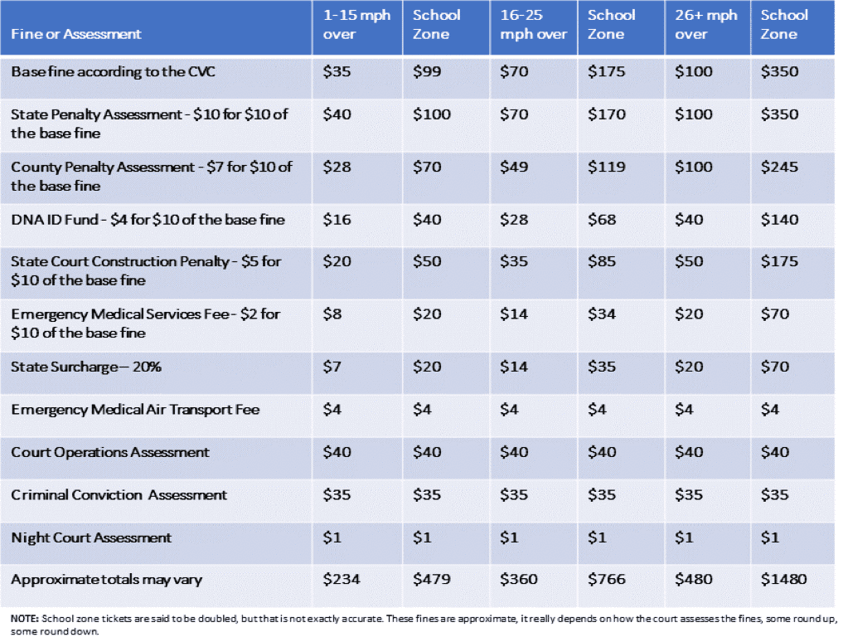
The base fine for a speeding ticket in California might seem manageable at first glance, but it’s deceptively low. For instance, speeding 1-15 mph over the limit typically carries a base fine of around $35. However, this is merely the starting point. California adds numerous “penalty assessments” to this base fine, which are state and county surcharges designed to fund various public services. These assessments can multiply the original fine several times over.
Consider this breakdown for a typical speeding violation:
- Base Fine: The initial amount charged for the specific violation.
- State Penalty Assessment: An additional $10 for every $10 of the base fine.
- County Penalty Assessment: A further $7 for every $10 of the base fine.
- Court Construction Fee: A $5 charge for every $10 of the base fine.
- Emergency Medical Services Fund: A $4 charge for every $10 of the base fine.
- DNA Identification Fund: A $4 charge.
- Night Court Fee: An additional $1 fee (even if you don’t go to night court).
- Traffic Violator School Fee: An administrative fee, usually around $50-60, if you choose this option.
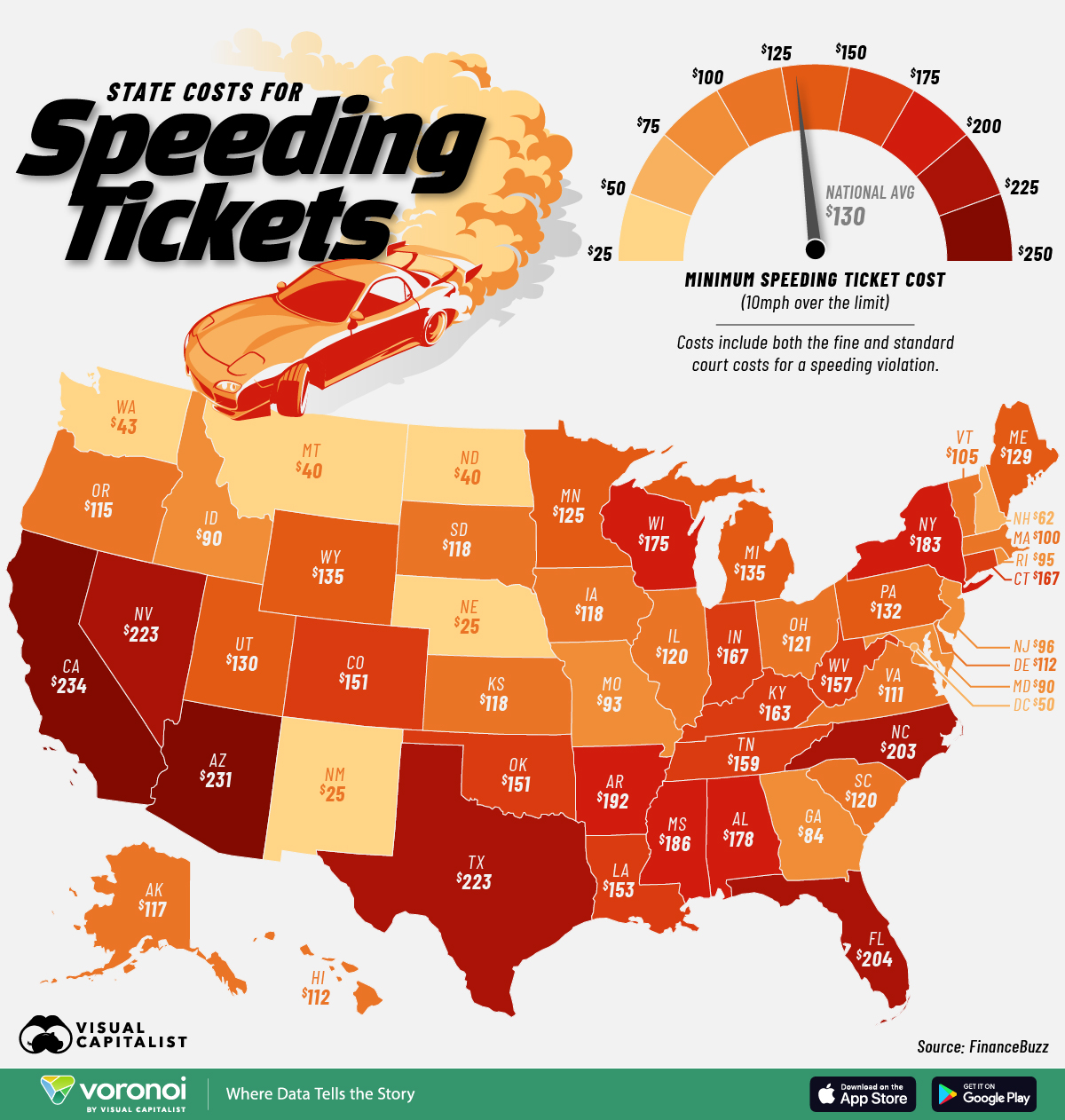
When all these assessments are factored in, a $35 base fine for speeding 1-15 mph over the limit can easily transform into a total payment of $230 to $250 or more. If you were caught speeding 16-25 mph over the limit, where the base fine is around $70, the total cost could jump to over $360. For more egregious violations, such as speeding over 100 mph, the fines can exceed $900, accompanied by a mandatory court appearance and a possible license suspension. This unforeseen expense can significantly impact a carefully planned vacation budget, leaving less for souvenirs, attractions, or dining experiences in vibrant cities like San Francisco or San Diego.
Beyond the Fine: Additional Fees and Assessments
The financial ramifications of a speeding ticket extend beyond the initial fine and penalty assessments. Tourists should be aware of potential administrative fees, especially if they fail to address the ticket promptly.
- Late Fees: Ignoring a ticket is never advisable. Failing to pay or respond by the due date will result in additional late fees, often escalating the total amount owed significantly.
- Failure to Appear: If you were cited with a “fix-it” ticket or ordered to appear in court and failed to do so, a warrant could be issued for your arrest, and substantial failure-to-appear fees will be added, potentially costing hundreds of dollars more. While less common for simple speeding tickets, it’s a risk.
- Vehicle Impoundment/Towing Fees: In extreme cases, such as reckless driving or excessive speeding, law enforcement might impound your rental vehicle. The fees for towing, storage, and retrieval can be exorbitant, easily running into hundreds, if not thousands, of dollars, utterly ruining a vacation.
For a tourist, these unexpected costs represent a significant hit, far more than just the price of the ticket. It’s money that could have been spent on a memorable visit to Yosemite National Park or a gourmet meal in Napa Valley.
The Point System and Out-of-State Drivers
One of the most critical aspects for out-of-state drivers to understand is California’s “point” system. When you receive a moving violation, points are typically assigned to your driving record maintained by the California DMV (Department of Motor Vehicles).
Impact on Your Driving Record
A standard speeding ticket in California typically adds one point to your driving record. While this record is primarily for California residents, many states have agreements to share driving record information. This means a speeding ticket received while vacationing in California could potentially appear on your home state’s driving record. The implications are severe:
- Increased Insurance Premiums: Even one point on your record, especially for a moving violation, can lead to a significant increase in your auto insurance premiums back home. This increased cost can persist for several years, making your California vacation far more expensive in the long run than anticipated.
- License Suspension/Revocation: Accumulating too many points within a certain period (e.g., 4 points in 12 months) can lead to your driving privileges being suspended or revoked in California. While this directly affects your ability to drive in the state, your home state may also honor the suspension, leaving you without a license entirely. This is a severe risk for international visitors who may face difficulties renting cars or even driving legally upon returning home.
Defensive Driving Courses: A Tourist’s Option?
To mitigate the impact of a speeding ticket, many California drivers opt to attend traffic school. For eligible violations, completing an approved traffic school program prevents the point from being added to your DMV record, thereby avoiding increased insurance rates. This can be a viable option for tourists as well, although it comes with its own set of considerations:
- Eligibility: You must meet specific criteria to be eligible for traffic school. Generally, you cannot have attended traffic school within the last 18 months, and the violation cannot be too severe (e.g., speeding over 100 mph is typically not eligible).
- Cost: While it saves on future insurance hikes, traffic school itself has a fee (usually $20-$40 for online courses) in addition to an administrative fee paid to the court (typically $50-$60).
- Time Commitment: Traffic school involves several hours of coursework. For a tourist, this means dedicating precious vacation time to an online course, which can be an inconvenience. However, it’s often a worthwhile trade-off to protect your driving record and avoid higher insurance premiums.
- Out-of-State Completion: Most California approved traffic school programs are online, making them accessible to tourists even after they have returned home. This flexibility is a significant benefit for visitors.
Navigating the Process: What to Do If You Get a Ticket
Receiving a speeding ticket while on vacation can be disorienting, especially when you’re far from home. Knowing the proper steps to take can alleviate stress and ensure you handle the situation effectively.
Pleading Guilty or Contesting the Ticket
Upon receiving a ticket, you generally have two main options:
- Plead Guilty and Pay the Fine: This is the most straightforward option. You pay the fine, potentially enroll in traffic school if eligible, and accept the consequences. For many tourists, especially those on a tight schedule, this is often the preferred route to put the incident behind them. Payment can typically be made online, by mail, or in person at the relevant county courthouse.
- Contest the Ticket in Court: You have the right to plead not guilty and request a trial. This means appearing before a judge to present your case. For a tourist, contesting a ticket presents significant logistical challenges. It requires returning to California for court dates, which can be costly and time-consuming, potentially extending your stay or requiring a return trip. While you can sometimes hire a local attorney to represent you, this adds another layer of expense. Unless you have compelling evidence to refute the violation (e.g., faulty radar gun, incorrect signage, emergency situation), contesting a speeding ticket as a tourist is often not practical or financially viable.
Essential Tips for Tourists
- Do Not Ignore the Ticket: This is paramount. Ignoring a California speeding ticket will lead to severe penalties, including higher fines, a civil assessment fee, and potentially a hold on your driving license, which could prevent you from renewing your license in your home state or even lead to an arrest warrant if you return to California.
- Read the Ticket Carefully: Pay attention to the court jurisdiction, due date, and instructions for payment or appearance. Note the issuing agency (e.g., California Highway Patrol, Los Angeles Police Department, Orange County Sheriff’s Department).
- Contact the Court if Unsure: If you have questions or are confused about the process, contact the traffic court in the county where the ticket was issued. Their contact information should be on the ticket.
- Consider Traffic School: If eligible, it’s generally a wise investment to protect your driving record and future insurance premiums, even if it means sacrificing some vacation time to an online course.
- Keep Records: Always keep copies of the ticket, any correspondence, and proof of payment or traffic school completion.
Budgeting for the Unexpected: Avoiding Speeding Fines
The best way to manage the cost of a speeding ticket is, naturally, to avoid getting one altogether. For tourists, this means being extra vigilant and proactive in understanding California’s driving environment. Think of it as another essential travel tip to ensure your vacation funds are spent on experiences, not penalties.
Familiarize Yourself with California Speed Limits
California has several standard speed limits that drivers should be aware of:
- Urban Freeways and Divided Highways: Typically 65 mph.
- Rural Freeways and Unmarked Highways: Often 70 mph, though always watch for posted signs.
- Two-Lane Undivided Highways: Usually 55 mph.
- Residential and Business Districts: Generally 25 mph, unless otherwise posted.
- School Zones: 25 mph when children are present.
- Construction Zones: Reduced speed limits are strictly enforced and often carry double fines.
- Specific Areas: Be aware of “Basic Speed Law,” which states you must never drive faster than is safe for current conditions, regardless of the posted limit. Heavy traffic, rain, or fog may necessitate driving slower than the maximum speed.
Always look for posted speed limit signs. When in doubt, err on the side of caution. Relying on GPS navigation is helpful for directions but may not always provide real-time speed limit changes or construction zone advisories.

Driving Safely for a Stress-Free Vacation
Beyond avoiding fines, safe driving practices enhance your overall travel experience.
- Allow Ample Time: Rush hour traffic in major California cities like Los Angeles or San Francisco can be notoriously slow. Budget extra time for travel between destinations to avoid feeling pressured to speed.
- Stay Alert and Focused: Long drives through scenic areas can be mesmerizing, but it’s crucial to stay focused on the road and traffic conditions. Avoid distractions from passengers, phones, or even the stunning scenery.
- Understand Rental Car Features: Familiarize yourself with your rental car before heading out. Some cars have powerful engines that can inadvertently lead to speeding if you’re not accustomed to them.
- Utilize Cruise Control: On long stretches of highway, cruise control can help maintain a consistent and legal speed, reducing the temptation to creep above the limit.
- Be Aware of Enforcement: California law enforcement is highly visible, especially on major highways. Many areas also use unmarked cars for traffic enforcement.
In conclusion, a speeding ticket in California is more than just a minor inconvenience; it’s a multi-faceted financial and administrative burden that can significantly detract from your travel experience. By understanding the potential costs, the implications for your driving record, and how to navigate the process, tourists can be better prepared. Most importantly, by adhering to speed limits and practicing safe driving habits, you can ensure your California adventure remains focused on making incredible memories, free from the shadow of an unexpected traffic fine.
LifeOutOfTheBox is a participant in the Amazon Services LLC Associates Program, an affiliate advertising program designed to provide a means for sites to earn advertising fees by advertising and linking to Amazon.com. Amazon, the Amazon logo, AmazonSupply, and the AmazonSupply logo are trademarks of Amazon.com, Inc. or its affiliates. As an Amazon Associate we earn affiliate commissions from qualifying purchases.