
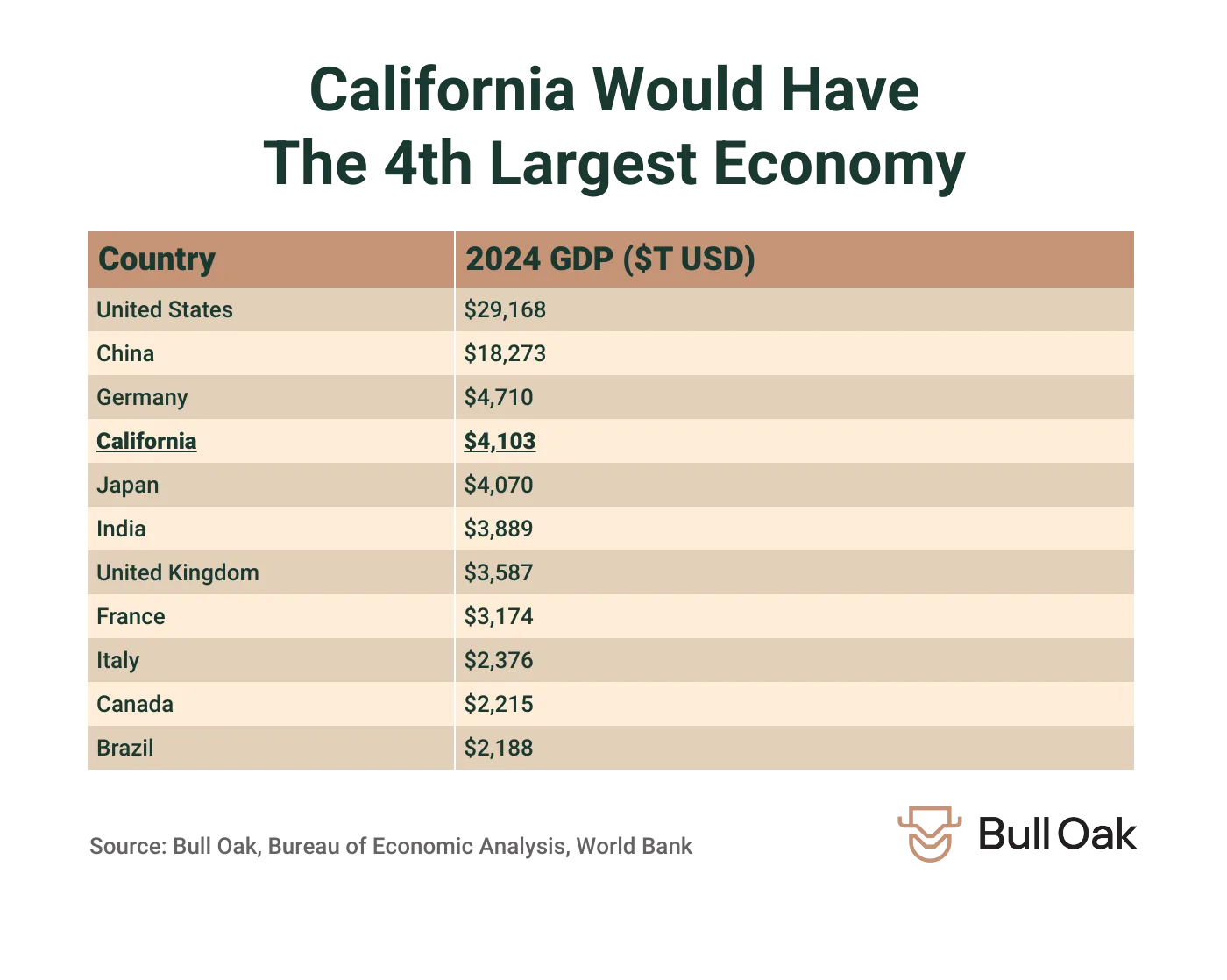
California, often celebrated as the Golden State, is a global economic powerhouse, boasting an economy larger than many sovereign nations. While its prowess in technology, agriculture, and innovation is widely recognized, its tourism sector represents a profoundly significant, yet sometimes underestimated, contribution to both its own prosperity and the broader United States economy. The allure of its diverse landscapes, iconic landmarks, and vibrant cultural scenes draws millions annually, creating a robust economic engine that ripples through employment, tax revenues, and indirect business opportunities across the nation.
The Golden State’s Dominance in Tourism Receipts
California’s tourism industry stands as a colossal pillar, funneling billions of dollars into the national economy each year. The state consistently ranks among the top destinations globally, attracting a staggering number of domestic and international visitors. These visitors, whether drawn by the sun-kissed beaches of Southern California or the innovative spirit of Northern California, inject substantial capital into various sectors. This direct spending forms the bedrock of California’s economic contribution through tourism.

Annually, tens of millions of visitors make their way to California. While precise figures fluctuate, it’s common for the state to host over 250 million domestic and millions more international travelers in a given year. Each of these visitors contributes through their expenditures on accommodation, dining, entertainment, transportation, and retail purchases. This immense volume of activity translates into tens of billions of dollars in direct travel spending. For context, this expenditure often surpasses $140 billion annually, a figure that places California at the forefront of the nation’s travel and tourism receipts. This substantial sum doesn’t just benefit local California businesses; a significant portion feeds into national supply chains, supports multi-state transportation networks, and ultimately bolsters the Gross Domestic Product (GDP) of the entire United States.
Economic Lifelines: Visitor Spending and Its Impact
The immediate impact of visitor spending is evident in the bustling streets of Los Angeles, the vineyards of Napa Valley, and the vibrant neighborhoods of San Francisco. Every hotel booking, every restaurant meal, every ticket purchased for an attraction contributes directly to the state’s economic output. These transactions generate revenue for businesses, which in turn use this revenue to pay wages, invest in infrastructure, and purchase goods and services from other businesses, often extending far beyond California’s borders. For instance, an airline ticket purchased in New York for a flight to Los Angeles contributes to the national airline industry, while the hotel stay in Los Angeles supports a hospitality chain that may have headquarters or suppliers across various states.
Diverse Attractions Fueling Economic Engines
California’s appeal lies in its unparalleled diversity, offering everything from world-class theme parks to majestic national parks, sophisticated urban centers, and serene coastal retreats. Each distinct region and its unique attractions act as powerful magnets for tourists, driving specific economic activities and contributing to the overall national wealth.
Iconic Landmarks and Entertainment Hubs
Destinations like Disneyland Resort in Anaheim and Universal Studios Hollywood in Los Angeles are not just amusement parks; they are massive employment centers and revenue generators. They attract millions of families annually, spurring spending on tickets, merchandise, food, and nearby accommodations. The revenue generated here supports a vast network of suppliers, from food producers to technology providers, many of whom operate on a national scale. Similarly, Hollywood’s enduring mystique draws visitors interested in film history and celebrity culture, indirectly boosting the entertainment industry which is a significant US export. The presence of major sports teams and venues like Dodger Stadium or the Chase Center further solidifies California’s status as an entertainment tourism hotspot, bringing in fans from all corners of the country and beyond.
Natural Wonders and Ecotourism
Beyond the glitz and glamour, California’s natural beauty is a formidable economic asset. National parks such as Yosemite, Sequoia, Redwood, and Death Valley attract millions of nature enthusiasts and adventure seekers. These visitors spend on lodging, gear, guided tours, and local provisions in gateway communities, which often rely almost entirely on tourism for their economic survival. The conservation efforts funded by park entrance fees and tourism-related taxes benefit the entire nation by preserving invaluable natural resources. Furthermore, the coastal regions, including the iconic Big Sur and the beaches of San Diego, draw significant numbers for surfing, whale watching, and relaxation, supporting a thriving marine tourism industry.
Urban and Cultural Tourism
Cities like San Francisco with its Golden Gate Bridge, historic cable cars, and diverse culinary scene, or Los Angeles with its museums, art galleries, and diverse neighborhoods, offer rich cultural experiences. These urban centers host numerous festivals, conferences, and events that draw business and leisure travelers alike. Such events generate substantial revenue through delegate spending, exhibition fees, and ancillary services, strengthening California’s position as a hub for MICE (Meetings, Incentives, Conferences, and Exhibitions) tourism, which has a ripple effect on national business travel sectors.
The Multiplier Effect: Beyond Direct Spending
The economic contribution of California’s tourism extends far beyond the initial direct spending by visitors. This industry generates a powerful multiplier effect, creating indirect and induced economic impacts that significantly amplify its contribution to the national economy.
Job Creation Across Sectors
Tourism is an incredibly labor-intensive industry, supporting an immense number of jobs directly and indirectly. Directly, it creates employment in hotels, restaurants, airlines, car rental agencies, tour operators, and attraction staff. Indirectly, it supports jobs in construction (building new hotels or attractions), manufacturing (supplying goods to hotels and shops), agriculture (providing food to restaurants), and technology (powering booking platforms and digital experiences). In California, the tourism sector is responsible for well over one million jobs, making it one of the state’s largest employers. These jobs not only provide livelihoods for millions of Californians but also contribute to the national employment rate and purchasing power, which fuels broader economic activity across the United States.
Robust Tax Revenues
The tourism industry generates substantial tax revenues at local, state, and federal levels. Visitors pay sales taxes on purchases, transient occupancy taxes (TOT) on hotel stays, and taxes on gasoline, rental cars, and entertainment. These tax dollars are crucial for funding public services, infrastructure projects, and education in California. Furthermore, the income taxes paid by the vast workforce employed in tourism, and the corporate taxes paid by successful tourism businesses, flow into federal coffers, contributing directly to the national budget. The cumulative tax revenue from California’s tourism sector can easily exceed $10 billion annually, a significant boost to the overall US fiscal health.
California’s Tourism: A Pillar of the National Economy
When viewed in its totality, California’s tourism sector is not merely a state asset but a critical component of the national economic framework. Its scale and diversity give it outsized influence.
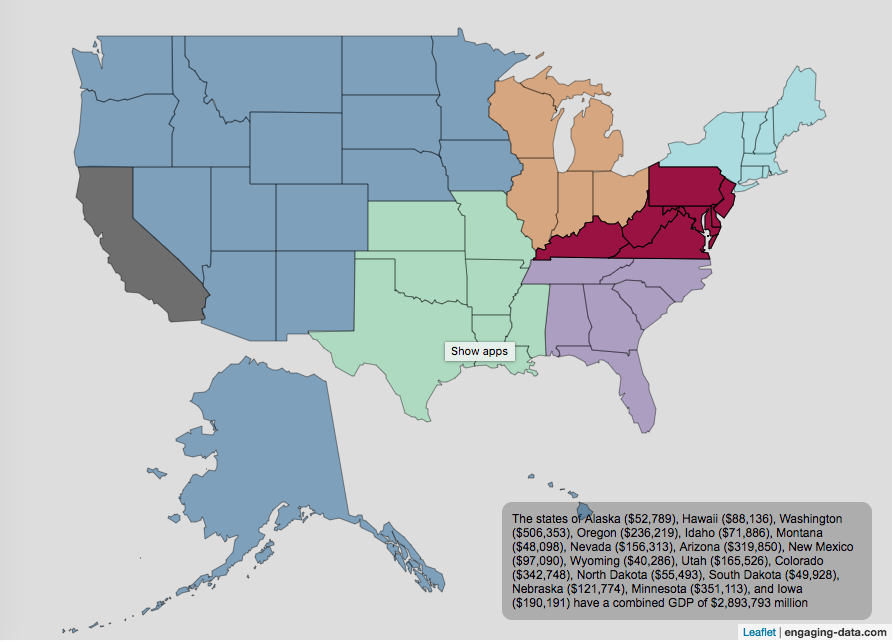
The sheer volume of economic activity generated by tourism in California means that its health directly impacts the national travel and tourism industry. As the largest state economy in the United States, California’s performance in any sector has noticeable ripple effects. When California’s tourism thrives, it supports national airlines, hotel chains, restaurant franchises, and entertainment conglomerates. It provides a significant market for goods and services produced in other states, from textiles and electronics to food and beverages, thus integrating into a complex national supply chain.
Moreover, California’s innovations in sustainable tourism practices, digital marketing, and unique experiential offerings often set trends for the rest of the nation. Efforts to promote ecotourism in national parks or develop agritourism experiences in wine regions not only enhance local economies but also inspire similar initiatives elsewhere, contributing to the overall growth and diversification of the US tourism landscape. The state’s commitment to enhancing visitor experiences, preserving its natural wonders, and fostering cultural richness ensures that its tourism sector remains a vibrant and expanding contributor to the national economy for decades to come. Its magnetism draws both domestic and international visitors, cementing its status as a premier global destination and an indispensable driver of the United States’ economic vitality.
LifeOutOfTheBox is a participant in the Amazon Services LLC Associates Program, an affiliate advertising program designed to provide a means for sites to earn advertising fees by advertising and linking to Amazon.com. Amazon, the Amazon logo, AmazonSupply, and the AmazonSupply logo are trademarks of Amazon.com, Inc. or its affiliates. As an Amazon Associate we earn affiliate commissions from qualifying purchases.