
California, a state synonymous with innovation, cultural influence, and breathtaking landscapes, often stands as an economic powerhouse within the United States. Its sheer size, diverse industries, and massive population translate into a substantial contribution to the federal treasury. Understanding the scale of this financial flow is crucial not only for grasping federal budgeting but also for comprehending the economic backdrop that shapes the Californian lifestyle, from its vibrant cities like Los Angeles and San Francisco to its serene wine regions and bustling tech hubs. This deep dive explores the multifaceted relationship between California’s economy and the Federal Government‘s coffers, revealing how these financial dynamics ripple through the lives of its residents and visitors, influencing everything from daily expenses to the allure of its famous attractions.
California’s Economic Footprint: A Major Contributor
California’s economy is larger than many sovereign nations, boasting a Gross State Product (GSP) that consistently ranks among the top in the world. This formidable economic engine is driven by a confluence of factors, including its innovative technology sector, agricultural might, entertainment industry, and robust manufacturing base. Such a diverse and productive economy naturally generates significant tax revenues that flow to the Federal Government.
The Golden State’s Diverse Economic Engines
The economic prosperity of California is not monolithic; it’s a tapestry woven from various high-performing sectors. Silicon Valley, centered around San Jose and home to tech giants like Apple, Google, and Meta, is a global epicenter of technological innovation, attracting talent and investment from around the world. This sector alone generates immense wealth through corporate profits, high-paying jobs, and substantial capital gains, all contributing to federal tax revenues.
Beyond tech, Hollywood in Los Angeles remains the heart of the global entertainment industry, producing films, television shows, and digital content that captivate audiences worldwide. The agricultural sector, particularly in the Central Valley, is unparalleled in its output of fruits, vegetables, and nuts, feeding both the nation and the world. These industries, along with tourism, manufacturing, and international trade through major ports like Long Beach and Los Angeles, create a massive tax base that is channeled to Washington D.C. Each successful startup, blockbuster movie, and bountiful harvest contributes a share through income taxes, corporate taxes, and other federal levies.
Understanding the Net Contribution
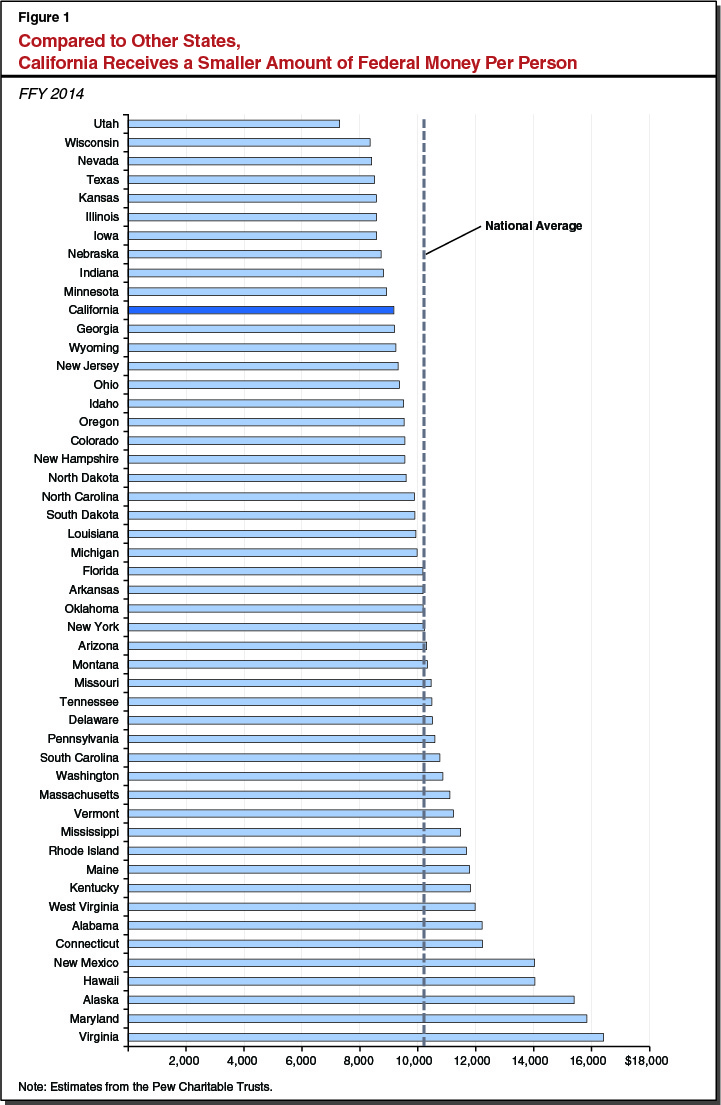
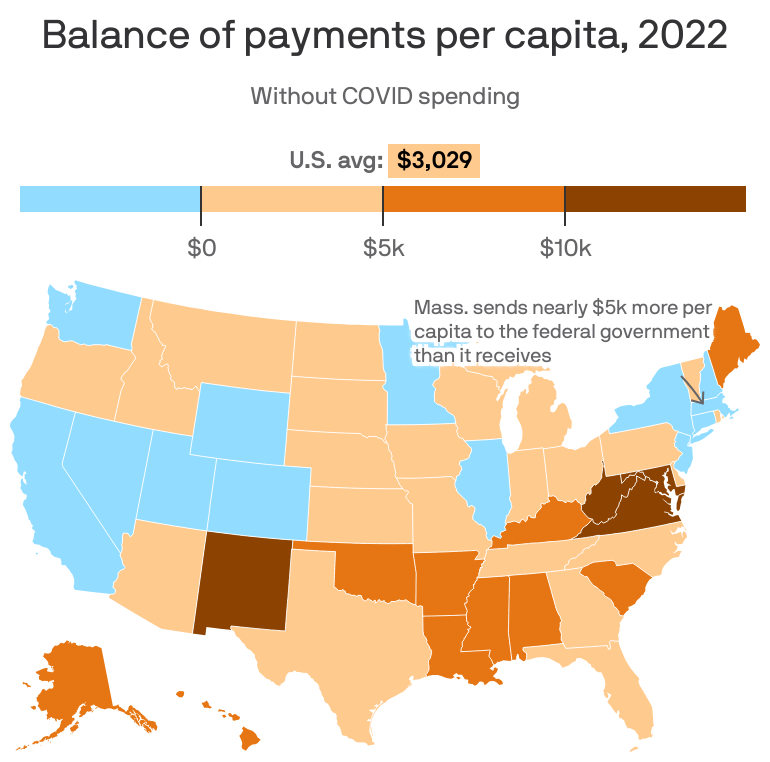
While California contributes significantly to federal taxes, it’s also important to consider the federal spending within the state. This includes funding for infrastructure projects, social programs, military bases, scientific research, and various federal agencies. The debate often centers on whether California receives a fair return on its federal tax dollars, or if it is a “donor state” that pays more into the federal system than it receives back in federal spending. Historically, studies from organizations like the Tax Foundation and the Pew Research Center have often identified California as a net donor state, meaning its residents and businesses collectively pay more in federal taxes than the state receives in federal expenditures and grants. This dynamic has profound implications for the state’s capacity to fund its own services and, by extension, affects the daily lifestyle of its residents.
The Financial Flows: Contributions vs. Returns
Calculating the exact amount California pays to the Federal Government is complex, as it involves numerous revenue streams and expenditure categories. However, we can examine the primary channels through which these funds flow, giving us a clearer picture of California’s fiscal relationship with Washington D.C.
Federal Tax Revenues from California
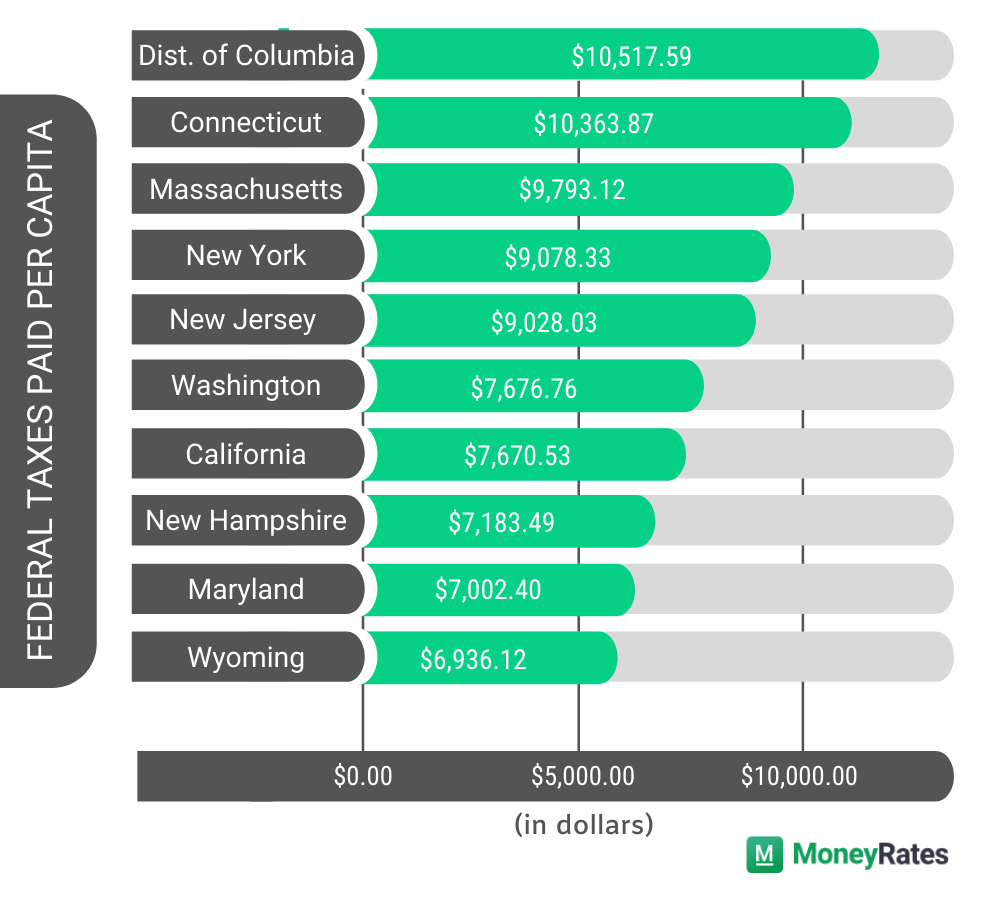
The bulk of California’s contribution comes from individual income taxes, corporate income taxes, payroll taxes (for Social Security and Medicare), and excise taxes. With a population exceeding 39 million, a highly progressive state income tax structure, and a large number of high-income earners and profitable corporations, California generates an enormous share of the nation’s total federal tax revenue. For example, in recent fiscal years, California has often accounted for roughly 15-20% of the total federal individual income tax collected, even though its population is about 12% of the national total. This disparity highlights the state’s economic productivity and wealth concentration. The exact figures fluctuate year to year based on economic performance, stock market gains, and changes in tax policy, but the trend of California being a top contributor remains consistent.
Federal Spending Within California
While California sends substantial amounts to the federal government, it also benefits from federal spending. This includes:
- Defense Spending: California hosts numerous military bases, defense contractors, and research facilities, which bring significant federal investment and employment opportunities.
- Social Security and Medicare: A large retiree population means substantial federal outlays for these entitlement programs.
- Infrastructure: Federal grants contribute to highway construction, public transit, port improvements, and other critical infrastructure projects.
- Research and Development: Federal agencies like NASA, the National Institutes of Health (NIH), and the Department of Energy fund extensive research at California’s world-renowned universities and laboratories.
- Disaster Relief: Given its susceptibility to earthquakes, wildfires, and droughts, California often receives significant federal aid for disaster recovery.
Despite these expenditures, analyses frequently show a gap where the state’s tax contributions outweigh the federal funds it receives. This “donor state” status is a key aspect of California’s fiscal identity.
Implications for the Californian Lifestyle and Beyond
The financial dynamic between California and the Federal Government is not just a matter of ledger entries; it profoundly impacts the lifestyle of millions. From daily commutes to public education, and from healthcare access to entrepreneurial opportunities, these fiscal realities shape the very fabric of life in the Golden State.
Impact on Public Services and Infrastructure
As a net donor state, California often has to rely more heavily on its own state and local tax revenues to fund essential public services. This includes maintaining and expanding its vast network of highways and public transit, funding its acclaimed public university systems (UC System, CSU System), providing healthcare for its low-income residents, and addressing issues like homelessness and affordable housing. The state’s efforts to innovate and invest in areas like renewable energy and high-speed rail also largely depend on its own financial capacity. For residents, this can mean a higher state tax burden compared to some other states, which in turn affects their disposable income and lifestyle choices. For visitors, it influences the quality of the infrastructure they use, from airports to state parks.
Economic Influence on Cost of Living and Travel
The economic powerhouse status of California and its significant federal contributions contribute to a high cost of living, particularly in major metropolitan areas. Housing prices, driven by demand and limited supply, are notoriously high, influencing where people can afford to live and the kind of lifestyle they can maintain. High state taxes, coupled with federal taxes, can further constrain household budgets.
However, the state’s robust economy also fuels high wages in many sectors, supporting a high-quality lifestyle for many. For travelers, the economic strength of California translates into a vibrant tourism industry with world-class attractions, diverse culinary scenes, and exceptional hospitality services. Whether it’s luxury travel experiences in Napa Valley, budget-friendly family trips to the beaches of San Diego, or business stays in San Francisco, the underlying economic stability supports a wide spectrum of lifestyle choices and experiences.
Shaping the State’s Appeal for Different Lifestyles
California’s unique fiscal position plays a subtle yet significant role in its appeal to various demographics. For those seeking high-paying jobs in cutting-edge industries, the economic opportunities driven by California’s contributions to the national economy are a major draw, enabling a luxury lifestyle for some. Entrepreneurs are drawn by the venture capital and innovative ecosystem, fostering a dynamic business lifestyle. Families, while facing high costs, benefit from strong public education systems and diverse recreational opportunities supported by the state’s robust economy. Budget travelers, too, find value in the state’s vast natural parks and free attractions, often subsidized by public funds derived from the state’s tax base. The ability of California to self-fund many initiatives, even while being a large federal contributor, is key to maintaining the diverse and often aspirational lifestyles associated with the state.
Navigating the Fiscal Landscape for Residents and Visitors
Understanding California’s financial relationship with the federal government provides crucial context for anyone living in, moving to, or visiting the state. It highlights the balance between economic prosperity and fiscal responsibility.
Taxes and Their Effect on Personal Finance
For California residents, the combination of federal and state taxes significantly impacts personal finance. While the state’s robust economy provides ample opportunities for high incomes, especially in sectors like tech and entertainment, the overall tax burden is among the highest in the nation. This necessitates careful financial planning for individuals and families, influencing decisions on savings, investments, and discretionary spending. For those considering moving to California, understanding this tax landscape is paramount to accurately assessing the true cost of a Californian lifestyle. The trade-off often lies in the quality of public services and the unique economic and cultural opportunities available, which many residents deem worth the higher tax contributions.
Investing in California’s Future Lifestyle
The substantial financial contributions from California to the Federal Government underscore its pivotal role in the national economy. Within the state, this economic might fuels ongoing investments in infrastructure, environmental protection, education, and social programs. These investments are crucial for sustaining the quality of life and the diverse lifestyles that define California. For the federal government, California’s consistent role as a top revenue generator is vital for funding national priorities. Ultimately, the question of “how much California pays” goes beyond a simple dollar figure; it’s a testament to the state’s immense economic power and its profound influence on both national policy and the lived experience of millions within its vibrant borders.
LifeOutOfTheBox is a participant in the Amazon Services LLC Associates Program, an affiliate advertising program designed to provide a means for sites to earn advertising fees by advertising and linking to Amazon.com. Amazon, the Amazon logo, AmazonSupply, and the AmazonSupply logo are trademarks of Amazon.com, Inc. or its affiliates. As an Amazon Associate we earn affiliate commissions from qualifying purchases.