
Understanding the cost of car registration in California is a critical piece of information for residents, new transplants, and even those considering long-term vehicle ownership within the Golden State. Unlike a simple flat fee, California’s vehicle registration expenses are a composite of various charges, each dictated by specific state mandates and local district needs. Navigating these costs can seem complex, but breaking down the components reveals a logical structure behind the annual or biannual expense. This guide aims to demystify the financial aspects of keeping your vehicle legally roadworthy in one of America’s most populous states, providing insights vital for budgeting and compliance.
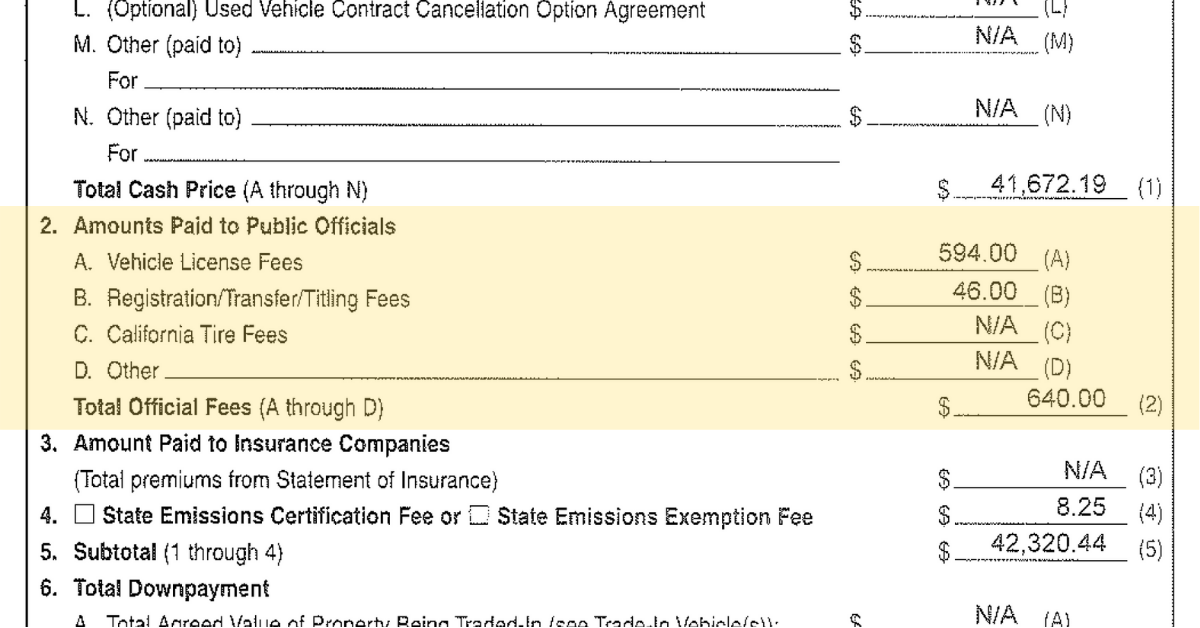
Understanding the Core Components of California Car Registration
The total fee for car registration in California is an aggregation of several charges, some fixed and others variable. These components are designed to fund various state and local services, from road maintenance to air quality initiatives. Knowing what each charge covers helps in anticipating your annual bill.
Vehicle License Fee (VLF)
The Vehicle License Fee (VLF) is arguably the most significant variable component of your registration cost. Unlike a sales tax, the VLF is an annual fee paid in lieu of property tax on your vehicle. It is calculated as a percentage of your vehicle’s depreciated value. For most vehicles, this percentage is 0.65% of the market value. The California Department of Motor Vehicles (DMV) determines this value based on the original purchase price, the vehicle’s age, and other factors. As your car ages and depreciates, its VLF typically decreases over time, making older vehicles generally cheaper to register in this regard. This fee contributes directly to the state’s General Fund, supporting a wide array of government services.
Registration Fee
The standard base registration fee is a fixed amount applied to most vehicles. Currently, this fee is $46. This portion of your payment contributes to the operational costs of the DMV and other state transportation-related programs. It is a fundamental charge that every registered vehicle owner in California must pay, irrespective of their vehicle’s value or age.
California Highway Patrol (CHP) Fee
A dedicated fee supports the California Highway Patrol (CHP), which plays a crucial role in ensuring safety on the state’s roadways. This fee is $33 and is a fixed charge for most vehicles. It directly funds the operations, equipment, and personnel of the CHP, contributing to traffic enforcement, accident response, and public safety across California.
Weight Fee
For commercial vehicles, trucks, and certain heavier passenger vehicles, a weight fee is assessed. This fee is determined by the unladen weight of the vehicle, meaning its weight when empty. The heavier the vehicle, the higher the weight fee. This fee helps offset the increased wear and tear that heavier vehicles inflict on roads and infrastructure. Passenger vehicles under a certain weight threshold are typically exempt from this fee, but it can be a significant addition for those operating larger trucks or commercial vans.
Local and County Fees
Beyond the statewide charges, various local and county-specific fees may apply, adding another layer of variability to your total registration cost. These fees are often levied by regional authorities to fund specific local initiatives, such as transportation projects, air quality improvement programs, or local law enforcement. For instance, many counties in California impose an air quality management district fee, while others might have specific transportation improvement fees. The exact combination and amount of these fees depend entirely on the county where the vehicle is primarily garaged. This is why residents in different parts of California may see slightly different total registration bills for similar vehicles.
Factors Influencing Your California Registration Bill
The exact amount you pay for car registration in California is not static. Several key factors contribute to the final figure, making each vehicle’s registration unique. Understanding these variables is essential for estimating your costs accurately.
Vehicle Type and Value
As mentioned, the type of vehicle you own significantly impacts your Vehicle License Fee (VLF). Luxury cars and newer models with higher market values will incur a higher VLF due to the percentage-based calculation. Conversely, older, less valuable cars will have a lower VLF. This depreciation-based system means that the cost of registration naturally decreases as your vehicle ages. Electric vehicles and certain low-emission vehicles might also qualify for specific exemptions or reduced fees, depending on current state incentives aimed at promoting greener transportation.
Vehicle Weight
For non-passenger vehicles, or passenger vehicles exceeding a certain weight, the unladen weight of the vehicle is a direct determinant of the weight fee. This applies predominantly to commercial trucks, larger SUVs, and recreational vehicles. Owners of such vehicles should be aware that their registration costs will inherently be higher than those for standard sedans or compact cars, reflecting their greater impact on road infrastructure.
County of Residence
The county in which your vehicle is registered plays a crucial role in determining the total cost, primarily due to the imposition of local and county-specific fees. These fees are often earmarked for regional transportation enhancements, air quality control, or local public safety services. For example, a vehicle registered in Los Angeles County might have different district fees compared to one registered in Sacramento County, even if the vehicles are identical. It’s advisable to check the specific fees applicable to your county through the DMV’s online resources.
Special Plates and Exemptions
Opting for personalized license plates or certain special interest plates will add an additional annual fee to your registration. While these fees contribute to specific causes or simply personalize your vehicle, they do increase your overall cost. On the other hand, certain vehicles or individuals may qualify for exemptions. For instance, vehicles operated by disabled veterans might be exempt from certain fees, and some historic or classic vehicles may have different registration fee structures. Always investigate potential exemptions if you believe your situation warrants them.
Navigating the Registration Process and Avoiding Penalties
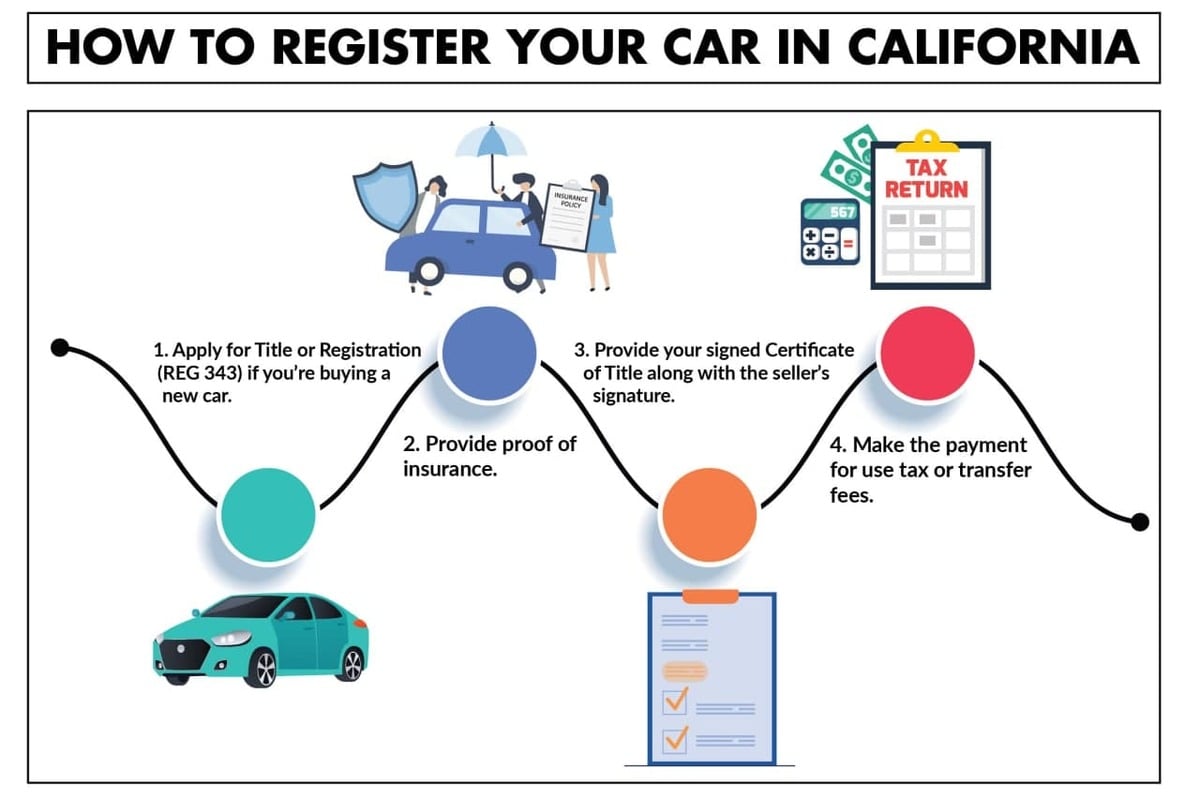
The process of registering your car in California involves several steps, and adherence to deadlines is paramount to avoid costly penalties.
Smog Check Requirements
Most vehicles registered in California are required to pass a smog check every two years, or when a vehicle is sold or bought. This inspection ensures that your vehicle’s emissions meet state standards. Diesel vehicles made in 1998 or newer with a gross vehicle weight rating (GVWR) of 14,000 pounds or less, and gasoline-powered vehicles 1976 model year and newer, generally require a smog check. Newer vehicles (eight model years or newer) are typically exempt from the biennial smog check requirement, but they are subject to a smog abatement fee for the first eight years. You must obtain a passing smog certificate before you can renew your vehicle’s registration. Failure to do so will prevent the renewal and could lead to penalties.
Deadlines and Late Fees
The DMV sends renewal notices approximately two months before your registration expires. It is crucial to pay your fees by the expiration date to avoid penalties. California’s late fees can be substantial and accumulate quickly. They typically consist of a penalty on the VLF, a penalty on the registration fee, and a CHP late fee. The longer you delay, the higher these penalties become, making timely renewal a significant cost-saving measure. You can typically renew your registration online, by mail, or in person at a DMV office or authorized business partner.
Proof of Insurance
California law mandates that all registered vehicles must have valid automobile liability insurance. When you register or renew your vehicle, the DMV verifies your insurance coverage electronically with your insurance provider. You will not be able to complete your registration without valid proof of insurance. Driving without insurance in California carries significant penalties, including fines, license suspension, and vehicle impoundment.
Special Scenarios: New Residents, New Purchases, and Exemptions
Certain circumstances warrant specific attention when it comes to car registration in California.
Registering as a New Resident
If you’re moving to California from another state, you must register your vehicle within 20 days of establishing residency. This involves presenting your out-of-state title, registration, proof of insurance, and possibly undergoing a smog check and vehicle verification. The fees for new residents will mirror those for existing residents, calculated based on your vehicle’s value, weight, and your new county of residence. Failing to register your out-of-state vehicle within the 20-day window can result in penalties.
Registering a Newly Purchased Vehicle
When you purchase a new or used vehicle in California, whether from a dealership or a private party, the registration process is usually initiated at the time of sale. Dealerships typically handle the initial paperwork and fees for new vehicles. For private party sales, you are responsible for transferring the title and registering the vehicle within 10 days of the purchase date. This will involve submitting a completed title, a bill of sale, a smog certificate (if applicable), and paying the associated transfer and registration fees. Again, adhering to the deadlines prevents late penalties.
Specific Exemptions and Reductions
While most vehicles are subject to the standard registration fees, some exemptions and reductions exist. These can include:
- Disabled Person Plates/Placards: Individuals with certain disabilities may be eligible for reduced or waived fees, though specific criteria apply.
- Historic Vehicles: Older vehicles designated as “historic” or “classic” may have different registration requirements and fee structures, often allowing for specific plate options and reduced usage restrictions.
- Government Vehicles: Vehicles owned and operated by government agencies are typically exempt from standard registration fees.
- Electric Vehicles: While still subject to most fees, certain electric vehicles may qualify for specific clean air vehicle stickers or rebates, separate from registration fees, which offer perks like HOV lane access. It’s important to differentiate between registration fee exemptions and other incentives.
Tips for Managing Your California Car Registration Costs
Proactive management can help mitigate the financial burden of car registration in California.
Utilize the DMV’s Online Calculator
The DMV provides an online fee calculator on its official website. This tool is invaluable for estimating your registration costs, especially if you are a new resident or purchasing a new vehicle. By inputting details about your vehicle (make, model, year, purchase price, county), you can get a fairly accurate estimate of your upcoming fees. This helps in budgeting and avoiding surprises.
Understand Depreciation’s Impact
Since the Vehicle License Fee (VLF) is tied to your car’s depreciated value, owning a vehicle for a longer period will generally lead to gradually decreasing registration costs over time. While not a direct cost-saving strategy in the immediate term, it’s a financial benefit of long-term vehicle ownership.
Plan for Smog Checks
Don’t wait until the last minute to get your smog check. Schedule it well in advance of your registration expiration date. This allows time for any necessary repairs if your vehicle fails the inspection, preventing delays in your registration renewal and potential late penalties. Remember, even if you pay your registration fees on time, your registration isn’t complete until the DMV receives a passing smog certificate.

Consolidate DMV Transactions
If you have multiple vehicles, or if you need to perform other DMV transactions (like updating your driver’s license), try to consolidate your visits or online interactions. While this doesn’t directly save money on registration fees, it can save time and reduce administrative hassle. Utilizing online services or authorized business partners can often streamline the process.
In conclusion, the cost of car registration in California is a multi-faceted sum influenced by vehicle specifics, your location, and timely compliance. By understanding each component and staying proactive with renewals and requirements, vehicle owners can navigate this essential state requirement efficiently and avoid unnecessary expenses.
LifeOutOfTheBox is a participant in the Amazon Services LLC Associates Program, an affiliate advertising program designed to provide a means for sites to earn advertising fees by advertising and linking to Amazon.com. Amazon, the Amazon logo, AmazonSupply, and the AmazonSupply logo are trademarks of Amazon.com, Inc. or its affiliates. As an Amazon Associate we earn affiliate commissions from qualifying purchases.