
Navigating the costs associated with end-of-life arrangements is a sensitive yet necessary aspect of life planning. In Texas, cremation has become a widely chosen option, offering a more flexible and often more affordable alternative to traditional burial. Understanding the various components that contribute to the overall cost of cremation is crucial for making informed decisions and ensuring that final wishes are honored without undue financial burden. This guide delves into the typical expenses involved in cremation services across the Lone Star State, from basic direct cremations to more elaborate memorial packages.
Understanding the Components of Cremation Costs
The price of cremation in Texas is not a single, fixed figure. Instead, it is comprised of several distinct services and potential add-ons, each contributing to the final expense. By breaking down these elements, individuals can gain a clearer picture of where their money is being allocated and identify areas where costs can be managed.
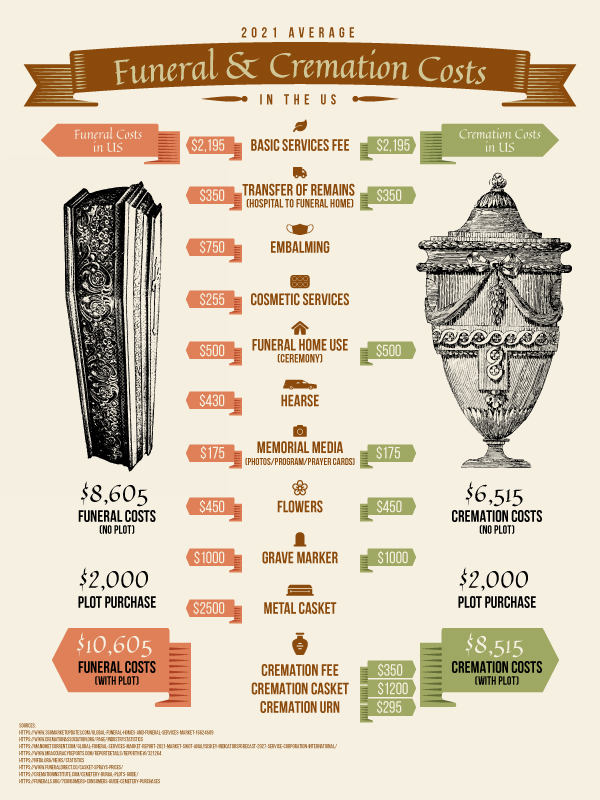
Direct Cremation vs. Full-Service Cremation
The most significant factor influencing cremation costs is the level of service provided.
Direct Cremation
Often referred to as “simple cremation” or “immediate cremation,” direct cremation is the most basic and typically the most economical option. In this scenario, the cremation provider handles the transportation of the deceased from the place of death to the crematory, the cremation process itself, and the return of the cremated remains (often called “ashes” or “cremains”) to the family.
-
Key Inclusions:
- Basic transportation of the deceased.
- Essential documentation and permits (e.g., cremation permit).
- The cremation process at a licensed crematory.
- A basic temporary urn or container for the cremains.
-
What’s Typically Excluded:
- Embalming or preparation of the body for viewing.
- A funeral service, memorial service, or viewing.
- The purchase of a permanent urn.
- Casket (a cremation container is used instead, which is significantly less expensive).
- Death certificates (these are usually an additional fee from the county).
- Obituary notices.
Direct cremation is an ideal choice for individuals who do not wish to have a public viewing or service before the cremation, or for those who plan to hold a separate memorial service or scatter the cremains at a later date.
Full-Service Cremation
Full-service cremation, also known as cremation with a memorial service, encompasses all the elements of direct cremation plus additional services designed to honor the deceased with a gathering.
-
Key Inclusions:
- All services included in direct cremation.
- Embalming and preparation of the body (if a viewing is desired).
- Use of facilities for a viewing or visitation.
- A funeral or memorial service (at the funeral home, church, or other venue).
- Coordination with clergy or officiant.
- Transportation for the funeral procession.
- A more decorative urn.
-
Variations:
- Cremation followed by a viewing: The body is embalmed and prepared for viewing before cremation.
- Cremation with a memorial service: The body is cremated first, and then a service is held with the cremains present.
- Cremation with a celebration of life: A more informal gathering focused on celebrating the life lived.
The cost of full-service cremation can vary widely depending on the venue, length of the service, catering, and any specific requests made by the family.
Additional Costs and Considerations
Beyond the core cremation service, several other expenses can influence the total cost.
Urns and Keepsakes
While a direct cremation typically includes a simple temporary container, most families opt for a more permanent and meaningful urn. Urn prices range significantly, from basic composite or metal options to elaborate ceramic, marble, or wood designs.
- Basic Urns: $50 – $150
- Mid-Range Urns: $150 – $400
- High-End/Artisan Urns: $400+
Many families also choose to purchase memorial keepsakes such as cremation jewelry, small keepsake urns, or fingerprint pendants, which can add an additional $50 to several hundred dollars.
Transportation Fees
While basic transportation is usually included, additional fees may apply if the deceased needs to be transported from a location far from the funeral home or crematory, or if multiple transportations are required (e.g., from a hospital to a funeral home, then to the crematory).
Medical Examiner/Coroner Fees
In certain circumstances, such as an unattended death or a death that is deemed suspicious or unusual, the Medical Examiner or Coroner’s office in Texas may need to be involved. This can incur additional fees for the autopsy, toxicology reports, or storage of the body, which are generally passed on to the family.
Death Certificates
Certified copies of the death certificate are official documents required for various legal and financial processes, such as settling estates, claiming life insurance, and transferring property. The fee for these is set by the county clerk’s office and typically ranges from $10 to $25 per copy. Families often order multiple copies.
Witnessing the Cremation
Some individuals or families may wish to be present to witness the commencement of the cremation process. This is an optional service that some crematories offer, and it usually incurs an additional fee.
Other Potential Expenses
- Obituary: Fees for placing an obituary in local or national newspapers.
- Clergy/Officiant Fees: Honoraria for religious leaders or officiants who conduct services.
- Flowers: Costs associated with floral arrangements for services.
- Catering: If refreshments are provided after a memorial service.
- Cremation Jewelry/Keepsakes: As mentioned above, these are separate purchases.
Average Cremation Costs in Texas
The average cost of cremation in Texas can vary significantly based on the factors outlined above, as well as geographic location within the state. Major metropolitan areas like Houston, Dallas, and San Antonio may have slightly different pricing structures compared to smaller towns.
Direct Cremation Price Range
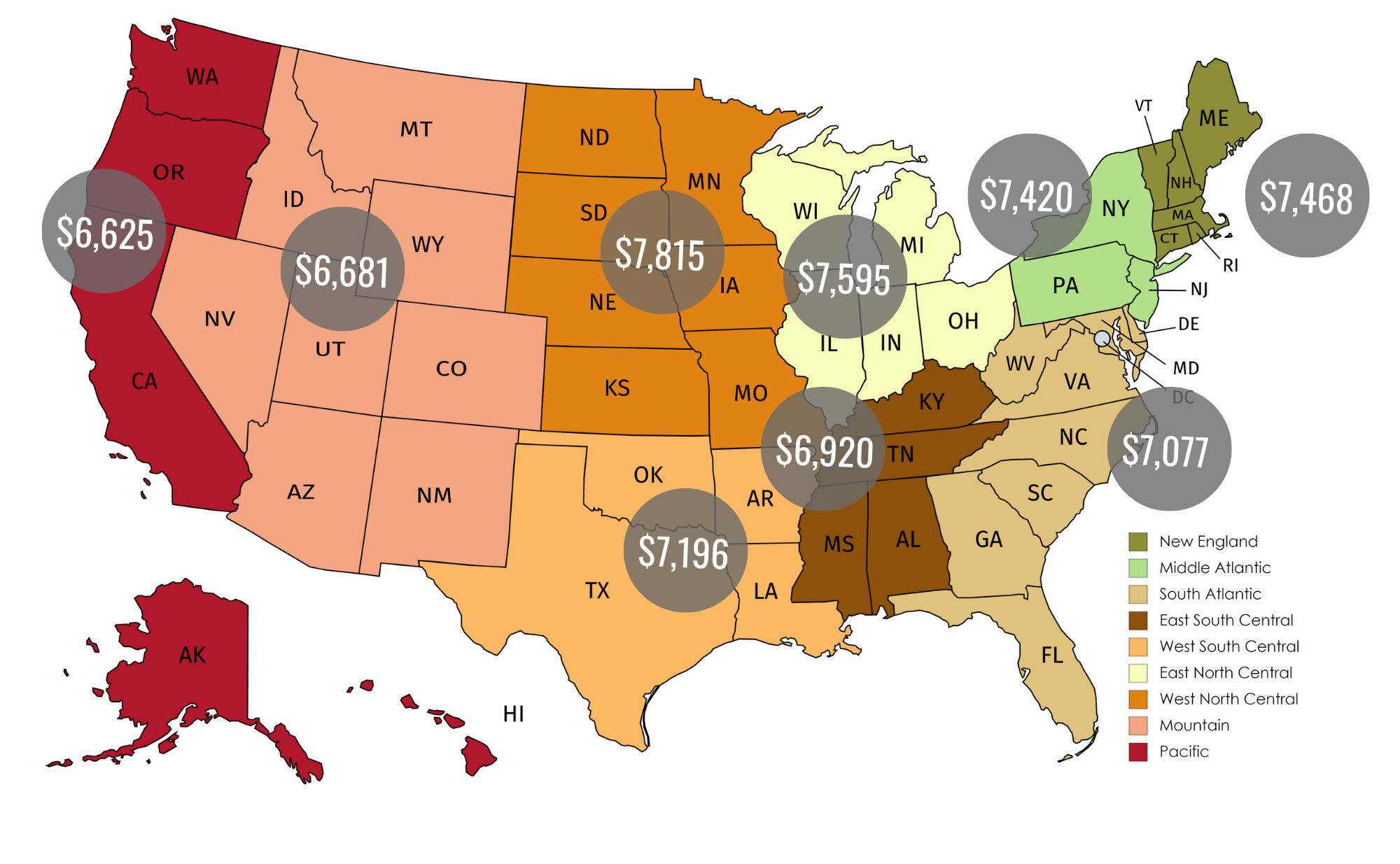
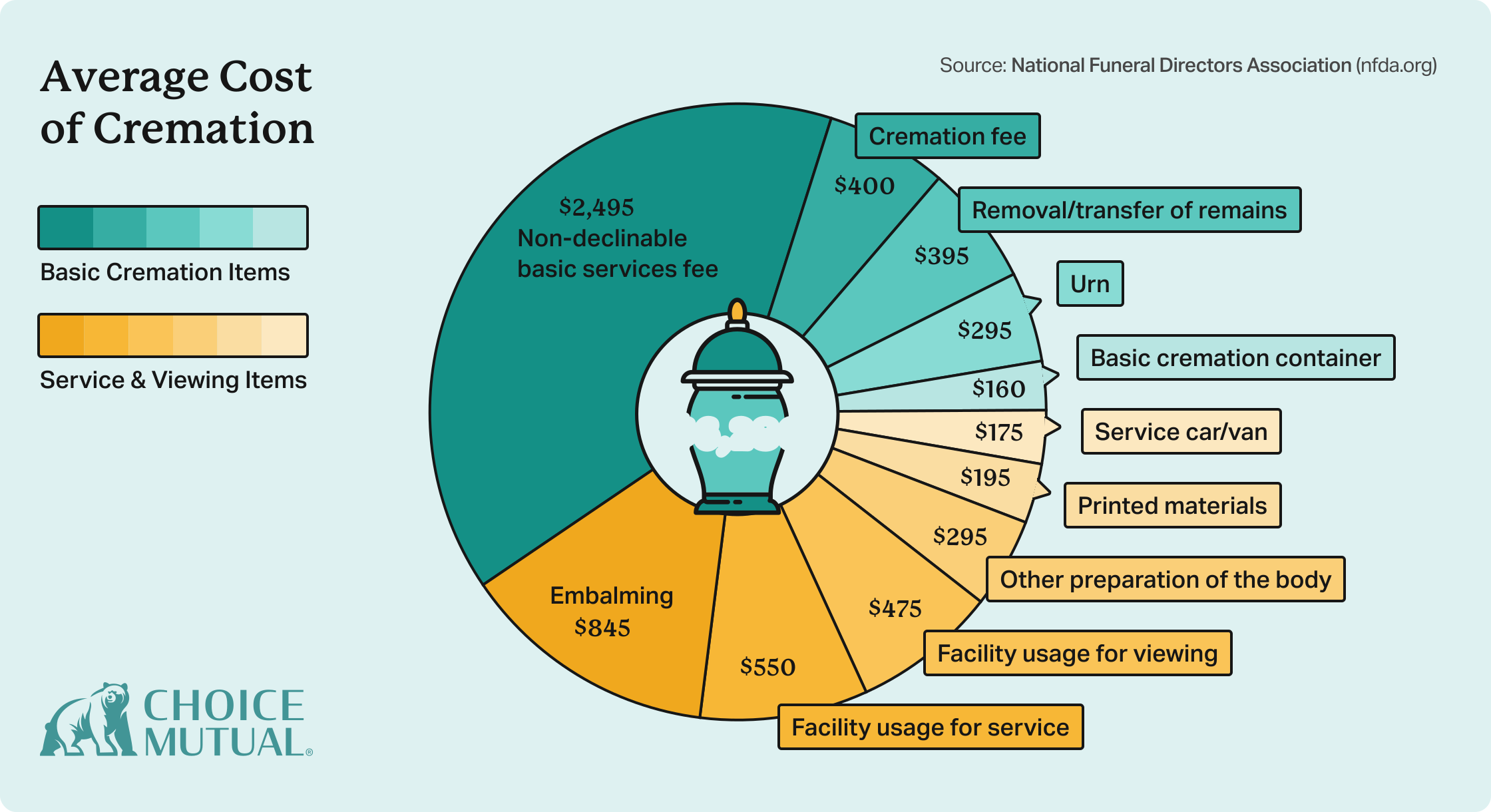
For a direct cremation in Texas, families can generally expect to pay between $900 and $2,500. This range accounts for variations in provider overhead, the quality of the transport vehicle, and the included temporary urn. Some providers may offer packages at the lower end, while others might include more services or a slightly better quality container at the higher end.
Full-Service Cremation Price Range
A full-service cremation with a memorial service can significantly increase the overall cost. These packages can range from $3,000 to $7,000 or more. The higher end of this spectrum includes costs for embalming, a casket (which may be rented for viewing and then used for cremation, or a specific cremation casket is purchased), rental of funeral home facilities, staffing for the service, and potentially a hearse for a procession.
Factors Influencing Price Variations
Several key factors contribute to the range of cremation costs observed across Texas. Understanding these can help individuals prepare for the financial aspects of end-of-life planning.
Provider Type and Reputation
- Large Corporate Chains vs. Independent Funeral Homes: Large funeral home corporations may have economies of scale that allow for competitive pricing, but independent, family-owned funeral homes often provide a more personalized and potentially more flexible pricing structure.
- Online/Remote Providers: Some companies offer cremation services entirely online or remotely, which can sometimes translate to lower overhead costs and therefore lower prices for consumers. However, it’s essential to verify their licensing and accreditation.
Geographic Location
- Urban vs. Rural Areas: Costs can be higher in densely populated urban areas like Austin or Fort Worth due to higher operating expenses and demand. Conversely, rural areas might offer more affordable options.
Included Services and Merchandise
- Urn Selection: As detailed earlier, the choice of urn is a significant variable.
- Service Details: The duration and type of memorial service, number of staff required, and the use of specific facilities all impact the price.
- Additional Memorabilia: Items like memorial DVDs, personalized programs, or engraved urns will add to the cost.
Time of Year and Demand
While less of a factor for cremation than for other services, in rare instances, very high demand for funeral services in a particular region or during specific holiday periods could subtly influence pricing.
Planning and Saving for Cremation Costs
Proactive planning is the most effective way to manage the financial aspect of cremation.
Pre-Need Arrangements
Many funeral homes in Texas offer pre-need arrangements. This involves meeting with a funeral director to plan and pay for services in advance.
- Benefits:
- Lock in Current Prices: Pre-paying often allows you to lock in current prices, protecting against future inflation.
- Reduce Stress for Loved Ones: It alleviates the burden on family members during a difficult time.
- Ensure Wishes are Met: Guarantees that your specific preferences are documented and followed.
- Flexible Payment Options: Many providers offer payment plans over several months or years.
When considering pre-need arrangements, ensure the provider is reputable, licensed by the state of Texas, and that the contract clearly outlines all included services and any potential additional fees.
Cremation Insurance
Some individuals opt for life insurance policies specifically designed to cover final expenses, including cremation. These policies are often easier to qualify for than traditional life insurance and are designed to pay out quickly to cover immediate needs.
Comparing Providers
Before making a decision, it is highly recommended to obtain detailed price lists (often called General Price Lists or Itemized Statements) from at least three different funeral homes or cremation providers in your area. Compare the services included in their packages and ask questions about any potential hidden fees.
Legal and Regulatory Aspects in Texas
Cremation in Texas is regulated by state law to ensure ethical practices and proper handling of human remains.
Licensing Requirements
Funeral homes and crematories operating in Texas must be licensed by the Texas Funeral Service Commission. This licensing ensures they meet specific standards for operation, record-keeping, and professional conduct. Always verify that any provider you are considering is properly licensed.
Waiting Periods
Texas law requires a waiting period of at least 24 hours after the time of death before cremation can take place, unless a waiver is obtained from the Medical Examiner or Justice of the Peace. This period allows for any potential medical interventions or identification confirmations if necessary.
Identification of Remains
It is crucial to ensure that the correct individual is cremated. Reputable providers have strict protocols in place for identification, including identification tags attached to the deceased throughout the process and often a final check by a staff member before cremation. Some families choose to place a personal item with the deceased that will also be cremated, serving as a final marker.
Handling of Cremated Remains
Once the cremation process is complete, the cremated remains are typically placed in an urn. Texas law requires that the crematory provide a receipt and maintain records of the cremation. The disposition of cremated remains is largely up to the family, with common options including scattering, interment in a cemetery plot or niche, or keeping them at home. Specific regulations may apply to scattering in public areas.
By understanding the multifaceted nature of cremation costs in Texas, individuals can approach this important aspect of life planning with confidence and peace of mind, ensuring that their final wishes are respected and their loved ones are spared unnecessary financial strain.
LifeOutOfTheBox is a participant in the Amazon Services LLC Associates Program, an affiliate advertising program designed to provide a means for sites to earn advertising fees by advertising and linking to Amazon.com. Amazon, the Amazon logo, AmazonSupply, and the AmazonSupply logo are trademarks of Amazon.com, Inc. or its affiliates. As an Amazon Associate we earn affiliate commissions from qualifying purchases.