
Deciding between a getaway to the Pacific archipelago of Hawaii and an expedition to the cultural powerhouse of Japan is a common dilemma for modern travelers. Both destinations promise a lifetime of memories, yet they cater to fundamentally different lifestyle preferences and budget structures. While Hawaii offers a quintessential tropical escape within the economic framework of the United States, Japan provides a blend of ultra-modern urbanism and deep-rooted tradition. To determine which is more cost-effective, one must look beyond the initial price of a plane ticket and examine the daily lifestyle costs, from the price of a bowl of ramen in Tokyo to the “resort fees” prevalent in Honolulu.

The Economics of Getting There and Staying There
The financial feasibility of a vacation often begins at the airport. For travelers based in the United States, Hawaii is frequently perceived as the more accessible option. Flights to Daniel K. Inouye International Airport from West Coast hubs like Los Angeles or San Francisco are often competitively priced. However, if you are traveling from the East Coast or Europe, the price difference between flying to Oahu and Narita International Airport in Japan can become surprisingly negligible.
The Impact of Currency and Purchasing Power
One of the most significant factors in favor of Japan in recent years has been the relative weakness of the Japanese Yen against the US Dollar. For those earning in dollars, the purchasing power in cities like Osaka and Kyoto has reached historic highs. This means that even if the flight to Haneda Airport is more expensive than a flight to Maui, the on-the-ground expenses—such as dining, shopping, and local transport—can be significantly lower in Japan. Conversely, Hawaii operates entirely within the domestic US economy, where inflation and the high cost of imported goods (the “Island Tax”) keep prices for basic necessities consistently elevated.
Accommodation Lifestyles: Luxury vs. Efficiency
The lifestyle choice regarding where you sleep will likely be your largest expense. In Hawaii, the market is dominated by large resorts and beachfront hotels. A stay at a mid-range hotel in Waikiki often comes with a mandatory “resort fee,” which can add $30 to $50 per night to your bill. If you seek luxury at the Halekulani or the Royal Hawaiian Hotel, you should be prepared for nightly rates that reflect the premium nature of beachfront real estate.
In contrast, Japan offers a broader spectrum of accommodation lifestyles. For the budget-conscious traveler, “business hotels” like APA Hotel offer tiny but impeccably clean and functional rooms for a fraction of the price of a Hawaiian hotel. For a luxury lifestyle, Japan boasts some of the world’s most renowned properties, such as the Park Hyatt Tokyo or the Ritz-Carlton Kyoto. While these high-end options are expensive, the entry-level cost of a comfortable, centrally-located room in Japan is generally lower than a comparable room in Hawaii.
Culinary Experiences and the Daily Budget
Food is perhaps where the lifestyles of these two destinations diverge most sharply in terms of cost. Hawaii has a wonderful culinary scene, blending Polynesian, Asian, and American influences, but it is rarely described as “cheap.” Because so much of the food in Hawaii must be shipped in, grocery prices are significantly higher than on the mainland. A simple breakfast at a cafe in Lahaina or a dinner on the North Shore can easily exceed $30 per person.
The Art of the Affordable Meal in Japan
Japan is a paradise for the budget-conscious foodie. The lifestyle of the local “salaryman” has created a demand for high-quality, low-cost meals. You can find a world-class bowl of ramen or a plate of sushi for under $10. Even more impressive is the “Konbini” culture. Convenience stores like 7-Eleven, Lawson, and FamilyMart offer fresh, delicious meals that are vastly superior to what one might expect from a convenience store in the United States.
For those pursuing a luxury lifestyle, Japan has more Michelin-starred restaurants than almost anywhere else on earth. A multi-course Kaiseki dinner in Gion will be a major investment, but the “floor” for food prices in Japan is much lower than in Hawaii. In Honolulu, even the “cheap” eats like a Poke bowl or a plate lunch can cost $15 to $20 when factoring in tax and the customary 18-25% gratuity—a practice that does not exist in Japan.

Tipping and Service Charges
The lifestyle of a traveler in Japan is unburdened by the tipping culture found in Hawaii. In the United States, the advertised price is never the final price; tax and tip can add 30% to the cost of a meal. In Japan, the price you see on the menu is typically what you pay, and tipping is actually discouraged and occasionally seen as rude. This cultural difference makes a massive impact on a ten-day vacation budget, often saving the traveler hundreds of dollars.
Transportation: Shinkansen vs. Rental Cars
How you move between attractions is another critical lifestyle and budget consideration. In Hawaii, particularly on islands like Kauai or the Big Island, a rental car is almost a necessity. The cost of the rental, insurance, and the high price of gasoline in the islands can add up quickly. Parking at major resorts in Waikiki can also cost upwards of $40 per day, a “hidden” lifestyle cost that many travelers overlook.
Navigating Japan’s Infrastructure
Japan offers one of the most efficient public transportation systems in the world. Within Tokyo, the subway system is affordable and covers every corner of the city. To travel between cities, the Shinkansen (Bullet Train) provides a high-speed, luxury lifestyle experience. While the Shinkansen is not exactly “cheap”—a one-way ticket from Tokyo to Kyoto is roughly $100—it eliminates the need for a car, insurance, and fuel. For those staying within one city like Osaka, transportation costs in Japan are remarkably low.
Attractions and Experiences: Free Nature vs. Paid Culture
The lifestyle of a Hawaiian vacation is often centered around nature, which, fortunately, is mostly free. Spending a day at Hanauma Bay (though it requires a small reservation fee) or hiking to the summit of Diamond Head is relatively inexpensive. Most of the best experiences in Hawaii—swimming in the Pacific, watching the sunset on the North Shore, or visiting Pearl Harbor (the USS Arizona Memorial)—are low-cost or free. However, “lifestyle” activities like a Luau, a helicopter tour of Kauai, or surfing lessons can be quite pricey.
Cultural Exploration in Japan
In Japan, the lifestyle is often more urban and culturally oriented. Visiting temples like Kiyomizu-dera in Kyoto or the Senso-ji in Tokyo usually involves a very small entrance fee, typically around $3 to $5. Museums, such as the teamLab Borderless digital art exhibit, are moderately priced and offer unique experiences that are hard to find elsewhere. Even a trip to see Mount Fuji is accessible via a reasonably priced bus or train ride from the capital.
If your lifestyle involves theme parks, both destinations offer heavy hitters. Disney Aulani in Hawaii is a high-end resort experience, while Tokyo Disneyland and Universal Studios Japan are significantly cheaper than their counterparts in the United States. In fact, a one-day pass to Tokyo DisneySea is often nearly half the price of a ticket to Disneyland in California.
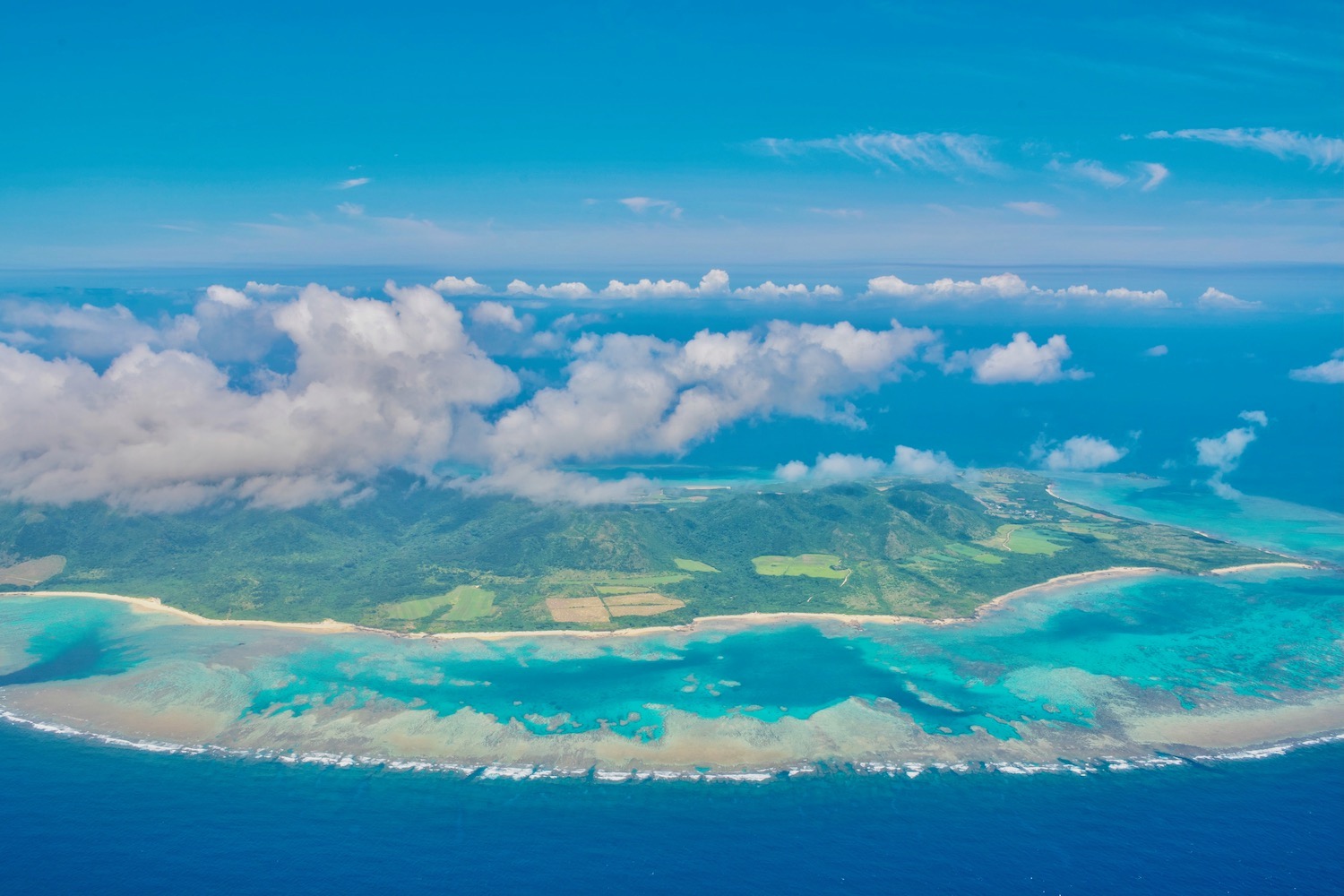
Weighing the Total Investment for Each Lifestyle
When we look at the total cost of a ten-day vacation, a clear pattern emerges. If you are looking for a lifestyle of relaxation where you stay in one place, Hawaii might appear cheaper initially due to lower flight costs from the United States. However, the “per day” cost of living in Hawaii—driven by high food costs, tipping, and resort fees—tends to exceed that of Japan.
Japan rewards the traveler who is willing to explore. Because the daily expenses for high-quality food and transport are so much lower, a longer stay in Japan often becomes more economical than a stay of the same length in Hawaii. The “lifestyle” in Japan allows for a high level of comfort and “luxury” (in terms of food quality and service) at a “budget” price point, provided you can navigate the initial cost of the transpacific flight.
Ultimately, the choice depends on the type of lifestyle you wish to lead during your time off. If your dream vacation involves a car, a surfboard, and the American lifestyle with a tropical twist, Hawaii is the destination for you, though you should budget heavily for dining and lodging extras. If your lifestyle preference leans toward culinary adventure, efficient public transit, and a favorable exchange rate that makes every dollar feel like two, Japan is currently the more cost-effective choice. Whether you find yourself under the neon lights of Shinjuku or the swaying palms of Maui, both offer a world-class lifestyle that is well worth the investment.
LifeOutOfTheBox is a participant in the Amazon Services LLC Associates Program, an affiliate advertising program designed to provide a means for sites to earn advertising fees by advertising and linking to Amazon.com. Amazon, the Amazon logo, AmazonSupply, and the AmazonSupply logo are trademarks of Amazon.com, Inc. or its affiliates. As an Amazon Associate we earn affiliate commissions from qualifying purchases.