
The allure of Walt Disney World Resort in Orlando, Florida, is undeniable. It’s a place where dreams are manufactured, where childhood fantasies come to life, and where millions of visitors flock annually, eager to experience the magic. But beyond the enchanting parades and thrilling rides, there’s a colossal economic engine at play. The question on many minds, from casual tourists to business analysts, is: “How much does Disney World Orlando make a day?” While Disney is a publicly traded company and releases financial reports, pinpointing an exact daily revenue figure is a complex endeavor. However, by examining various facets of the resort’s operations and considering its immense scale, we can arrive at a comprehensive understanding of its daily financial impact.

The sheer scope of Walt Disney World Resort is staggering. It encompasses four theme parks – Magic Kingdom, Epcot, Disney’s Hollywood Studios, and Disney’s Animal Kingdom – two water parks, a vibrant downtown area in Disney Springs, over two dozen resort hotels, and numerous entertainment and recreational facilities. Each of these components contributes to the resort’s overall revenue stream. Understanding the daily earnings requires a deep dive into the diverse ways in which this magical kingdom generates income.
Unpacking the Revenue Streams: The Financial Architecture of Disney World
The financial success of Walt Disney World Resort is not a singular phenomenon but rather a result of multiple, well-integrated revenue streams. These streams are meticulously managed and constantly optimized to ensure sustained profitability. From the moment a guest steps foot onto Disney property to the last souvenir purchased, every interaction is designed to contribute to the resort’s bottom line.
Ticket Sales: The Gateway to the Magic
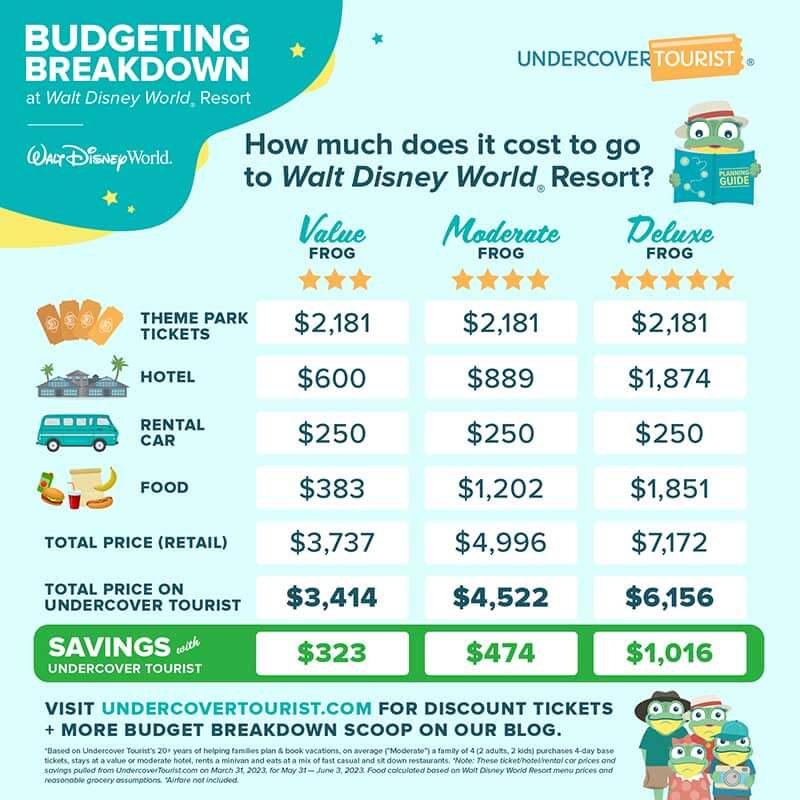
The most direct and perhaps the most significant revenue generator for Walt Disney World is ticket sales. Millions of guests purchase admission tickets annually, and the pricing structures are varied and dynamic. A standard one-day, one-park ticket offers a baseline entry, but the true revenue potential lies in multi-day tickets and the Park Hopper option, which allows guests to visit multiple parks in a single day.
The pricing of these tickets is not static. It fluctuates based on the season, the day of the week, and special events. Peak seasons, such as holidays and summer breaks, command higher prices. Furthermore, Disney employs sophisticated yield management strategies, similar to airlines and hotels, to maximize revenue based on anticipated demand.
Beyond individual tickets, Disney Vacation Club memberships also represent a significant, albeit different, form of revenue. While not a daily cash inflow in the same way as park tickets, the upfront purchase of DVC points and subsequent annual dues contribute to the resort’s financial stability and provide a predictable income stream.
Merchandise and Food & Beverage: The Indispensable Components of the Guest Experience
Once inside the parks, guests are immersed in an environment where spending opportunities are abundant. Disney is a master of creating a complete guest experience, and this extends to its extensive merchandise and food and beverage operations.
The sheer volume of Disney-branded merchandise sold daily is astounding. From Mickey Mouse ears and character-themed apparel to collectible pins and exclusive park merchandise, there’s something for every visitor. These items are strategically placed throughout the parks and resorts, often in highly visible and impulse-buy-friendly locations. The profit margins on many of these items are substantial, contributing significantly to the resort’s daily earnings.
Similarly, the food and beverage sector is a massive contributor. Walt Disney World offers a diverse range of dining options, from quick-service eateries to elaborate fine-dining experiences. Guests spend billions annually on meals, snacks, and drinks within the resort. The pricing of food and beverages, like park tickets, is carefully calibrated to maximize revenue. Furthermore, premium dining experiences, character dining, and special event meals often come with a significant markup, further boosting daily income. The sale of alcoholic beverages in recent years has also become a more prominent revenue stream.
Resort Hotels: Lodging and Beyond
The numerous Disney-owned and operated resort hotels are another critical pillar of Walt Disney World’s financial success. These hotels cater to a wide range of budgets and preferences, from value resorts to deluxe villas. Occupancy rates are consistently high, especially during peak seasons. The revenue generated from room nights is substantial.
However, the hotels are not just sources of lodging revenue. They are integrated ecosystems that encourage further spending within the resort. Guests staying at Disney resorts are more likely to dine at Disney restaurants, purchase Disney merchandise, and utilize Disney transportation, all of which contribute to the resort’s overall financial performance. Many resort guests also opt for package deals that bundle park tickets, accommodation, and sometimes even dining credits, creating a comprehensive revenue stream for Disney.
Ancillary Revenue Streams: The Supporting Cast
Beyond the primary revenue drivers, Walt Disney World also benefits from a variety of ancillary revenue streams that, while perhaps smaller individually, collectively contribute significantly to the daily financial haul.
- Convention and Group Sales: Disney’s convention centers and meeting facilities attract a substantial number of corporate events, conferences, and private parties. These events often involve substantial spending on accommodation, catering, and entertainment.
- Event Ticketing and Special Experiences: Special ticketed events, such as hard-ticket parties during holidays (like Mickey’s Not-So-Scary Halloween Party and Mickey’s Very Merry Christmas Party), fireworks cruises, and dessert parties, command premium prices and draw significant crowds.
- Transportation Services: While many guests use the complimentary Disney transportation system, there are also opportunities for revenue generation through services like private car hires and, in the past, partnerships with ride-sharing services.
- Sponsorships and Partnerships: Disney enters into various sponsorship agreements with other companies, whose brands are integrated into the parks and resorts. These partnerships provide a steady stream of income.
- Disney Vacation Club (DVC): As mentioned earlier, the sale of DVC memberships and annual dues represent a significant, long-term revenue source.
Estimating Daily Revenue: A Calculated Approach
While Disney does not release a daily revenue figure for Walt Disney World Resort, we can make informed estimations based on their publicly reported financial data and the scale of their operations. The Walt Disney Company reports revenue by segment, with the Parks, Experiences and Products division being the relevant one. This segment encompasses all theme parks, resorts, cruise lines, and merchandise sales globally.
To estimate daily revenue for Walt Disney World specifically, we would need to:
- Isolate U.S. Theme Parks Revenue: The Parks, Experiences and Products segment includes revenue from Disneyland Resort in California, Disney Cruise Line, and the consumer products division. A precise breakdown for Walt Disney World alone is not readily available in public reports.
- Account for Seasonality and Demand: As discussed, revenue fluctuates significantly throughout the year. A summer day will undoubtedly generate more revenue than a weekday in January.
- Consider Operating Expenses: The gross revenue is not the same as profit. Disney incurs massive operating expenses, including Cast Member salaries, park maintenance, utilities, marketing, and capital investments.
However, to provide a sense of scale, if we look at the annual reports for the Parks, Experiences and Products segment and consider the significant contribution of Walt Disney World within that segment, we can infer substantial daily figures. For instance, in recent fiscal years, this segment has generated tens of billions of dollars annually.
If we take a simplified approach and consider that Walt Disney World accounts for a substantial portion of the U.S. theme park revenue within the Parks, Experiences and Products segment, and if we were to divide that estimated portion by 365 days, the daily revenue figure would likely be in the tens of millions of dollars. This is a rough approximation, as it doesn’t account for the intricacies of their financial reporting or the daily variations in income.
For context, a single theme park at Walt Disney World can attract tens of thousands of visitors on a busy day, each spending on tickets, food, merchandise, and potentially other experiences. Multiply this by four theme parks, two water parks, numerous resorts, and Disney Springs, and the daily financial output becomes immense.
The Ecosystem of Spending: Beyond the Entrance Ticket
The true brilliance of Disney’s business model lies in its ability to create an immersive ecosystem where spending is not confined to a single transaction. Once guests enter Walt Disney World, they are encouraged and often compelled to engage in a continuous cycle of spending that fuels the resort’s daily earnings.
On-site vs. Off-site Stays: Maximizing In-Park Spending
While many visitors choose to stay at Disney’s own resort hotels, a significant number also opt for accommodations in the wider Orlando area. Disney actively works to incentivize on-site stays through various perks and benefits, such as early park entry and convenient transportation. These benefits are designed to keep guests within the Disney bubble for the duration of their visit, thereby maximizing their potential to spend money on Disney-operated attractions, dining, and retail.
When guests stay off-site, the revenue generated from their park tickets still flows to Disney, but the subsequent spending on meals and merchandise often goes to independent businesses in Orlando. This is why the Disney resorts are not just places to sleep but integral components of the revenue-generating machine.
The Power of Perceived Value and Emotional Connection
A key factor in Disney’s consistent financial success is its ability to cultivate a strong emotional connection with its guests. This emotional connection translates into a willingness to spend more than one might typically allocate for a vacation. The perceived value of the Disney experience – the magic, the nostalgia, the family memories – often outweighs the monetary cost.
This emotional leverage allows Disney to command premium pricing for its tickets, accommodations, food, and merchandise. Guests are not just buying a product; they are investing in an experience, a memory that they will cherish. This deep-seated psychological factor is a powerful, albeit intangible, driver of daily revenue.

Innovation and Expansion: Fueling Future Earnings
Walt Disney World Resort is not a static entity. It is constantly evolving, with new attractions, entertainment offerings, and resort developments being introduced regularly. These investments in innovation and expansion serve multiple purposes: they attract new visitors, encourage repeat visits, and create new revenue streams. For example, the introduction of new lands like Star Wars: Galaxy’s Edge or major ride overhauls can significantly boost attendance and merchandise sales for an extended period.
The continuous reinvestment in the resort ensures its continued relevance and appeal in a competitive tourism market, thereby securing its financial future and sustaining its impressive daily earnings.
In conclusion, while a precise daily revenue figure for Walt Disney World Orlando remains elusive in public disclosures, it is undeniable that the resort generates an astronomical sum each day. Through a sophisticated and multi-faceted approach to revenue generation, encompassing everything from ticket sales and merchandise to resort stays and innovative expansions, Walt Disney World operates as a premier economic powerhouse in the global tourism industry. The daily financial performance is a testament to its enduring brand power, its operational excellence, and its unparalleled ability to create magical experiences that guests are willing to pay for.
LifeOutOfTheBox is a participant in the Amazon Services LLC Associates Program, an affiliate advertising program designed to provide a means for sites to earn advertising fees by advertising and linking to Amazon.com. Amazon, the Amazon logo, AmazonSupply, and the AmazonSupply logo are trademarks of Amazon.com, Inc. or its affiliates. As an Amazon Associate we earn affiliate commissions from qualifying purchases.