
When planning a journey to the middle of the Pacific Ocean, one of the first logistical hurdles travelers encounter is the clock. For those visiting Hawaii, understanding the local time is more than just a matter of setting a watch; it is an essential component of the tourism experience. The archipelago operates on its own unique rhythm, unaffected by the seasonal shifts that dictate life in much of the United States and the rest of the world. This guide explores the specifics of the Hawaiian timezone and how it shapes everything from sunrise tours to the cultural concept of “island time.”
Understanding Hawaii-Aleutian Standard Time (HST)
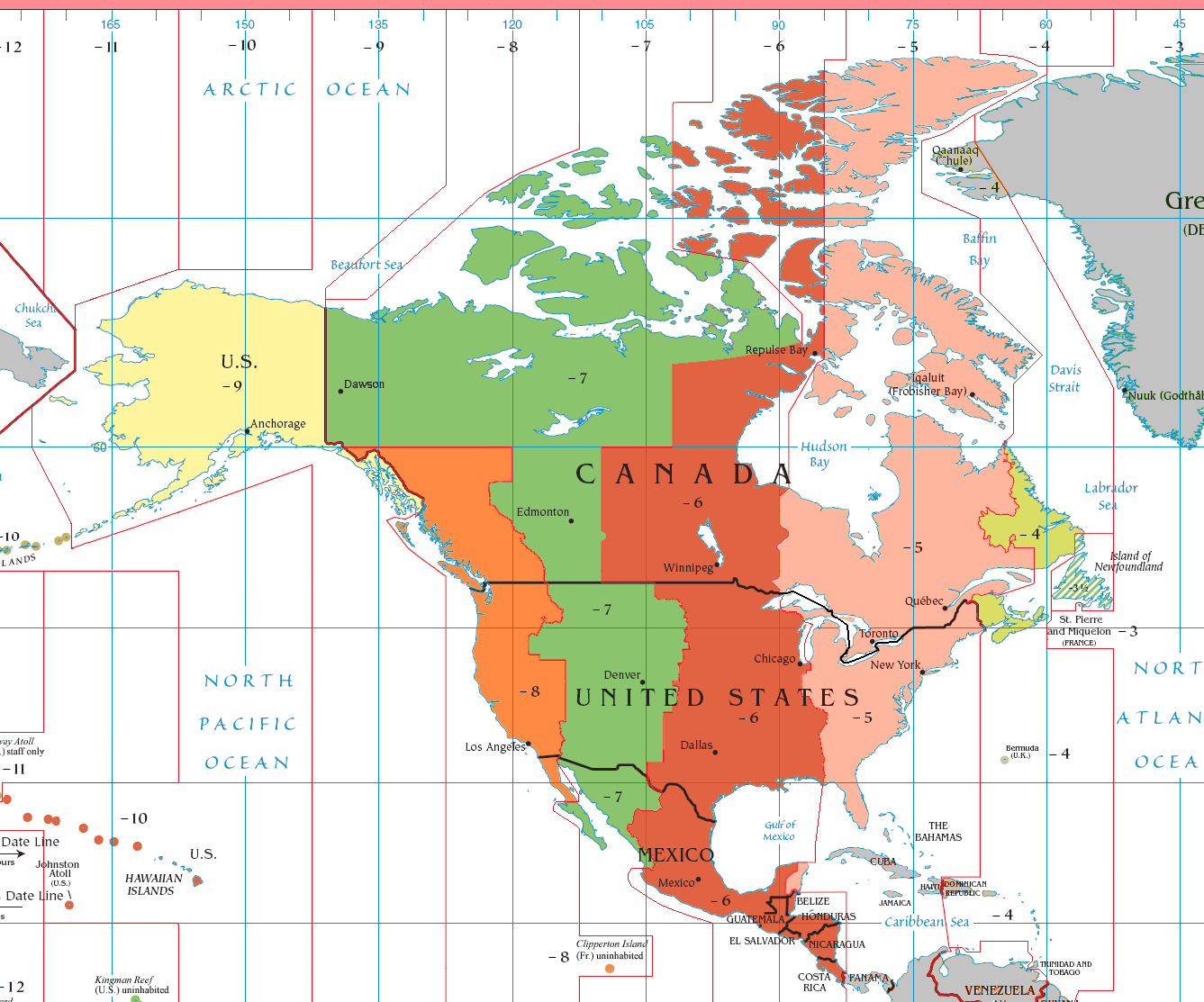
Hawaii observes Hawaii-Aleutian Standard Time (HST). This timezone is 10 hours behind Coordinated Universal Time (UTC-10). While many destinations around the globe adjust their clocks twice a year, Hawaii remains steadfast. To understand why this matters for your itinerary, one must look at both the geographical and legislative reasons behind this consistency.
The Absence of Daylight Saving Time
One of the most distinctive features of time in Hawaii is that the state does not observe Daylight Saving Time. Since 1967, the islands have opted out of the practice, joining Arizona as the only other state in the United States to do so. Because Hawaii is located so close to the equator, there is very little variation in the length of daylight between summer and winter. The sunrise and sunset times remain relatively consistent throughout the year, making the artificial shifting of clocks unnecessary.
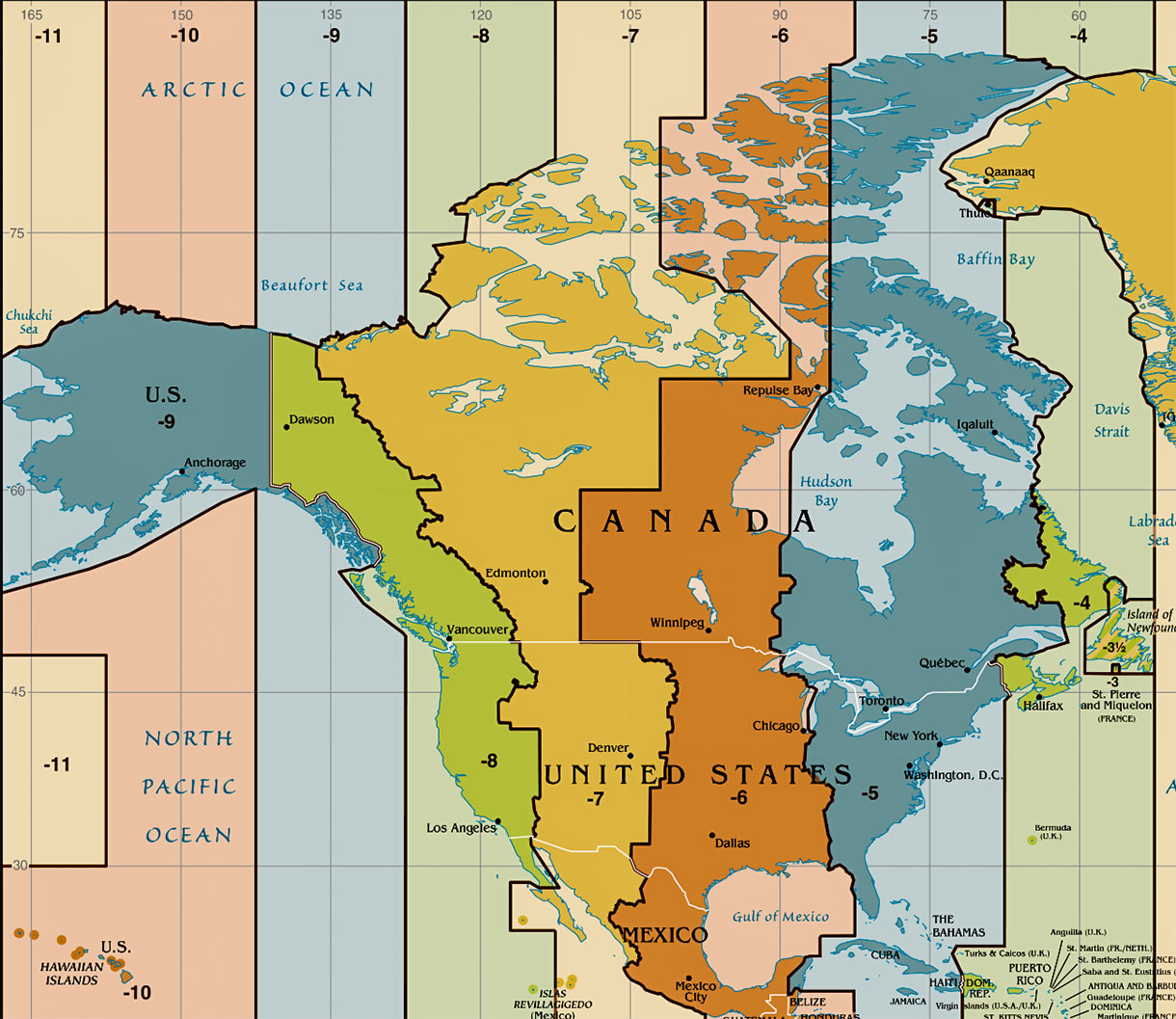
For the tourist, this means the time difference between Hawaii and the mainland changes depending on the season. During the summer months, when California is on Pacific Daylight Time, Hawaii is three hours behind. In the winter, when the mainland reverts to Standard Time, the gap closes to just two hours. For travelers coming from the East Coast, such as from New York, the difference can swing between five and six hours.
Comparing HST to Global Hubs
Given its central location in the Pacific Ocean, Hawaii serves as a bridge between the East and the West. While it is several hours behind the Americas, it is nearly a full day behind major Asian hubs. For instance, a traveler arriving in Honolulu from Tokyo or elsewhere in Japan will cross the International Date Line, effectively “gaining” a day on their journey eastward. Similarly, visitors from Sydney or other parts of Australia must account for this significant shift when booking tours and accommodation. Understanding these offsets is crucial for international tourism, ensuring that hotel check-ins and activity bookings align with the local date.
How Time Impacts Your Hawaiian Tourism Experience
The timezone in Hawaii dictates the flow of the tourism industry. From the moment you land at Daniel K Inouye International Airport, the sun becomes your primary guide. The consistency of HST allows for a predictable schedule of outdoor activities, which are the cornerstone of the Hawaiian experience.
Mastering the Early Morning Start
Because of the westward time shift, many visitors from the mainland United States find themselves waking up naturally at 4:00 AM or 5:00 AM during the first few days of their trip. Smart tourists leverage this “jet lag” to experience some of the islands’ most famous attractions before the crowds arrive.
On the island of Oahu, an early start is essential for a hike up the Diamond Head State Monument. Reaching the summit at dawn offers a panoramic view of Waikiki bathed in golden light. Similarly, those on Maui often make the pre-dawn drive to the summit of Haleakala National Park. The “House of the Sun” provides a sunrise experience so popular that reservations are required months in advance. By aligning your body’s internal clock with these early morning spectacles, you can enjoy the serenity of the Big Island or Kauai without the mid-day heat or congestion.
Sunset Rituals and the Evening Pace
While mornings are for adventure, evenings in Hawaii are centered around the sunset. In tourism hubs like Kona or the North Shore of Oahu, the setting sun marks a transition into a different kind of energy. Many resorts, such as the Royal Hawaiian Hotel, host traditional torch-lighting ceremonies as the sky turns shades of pink and orange.
The consistency of the sunset time—usually occurring between 6:00 PM and 7:00 PM—means that dinner reservations at oceanfront restaurants fill up quickly for “sunset seating.” For those visiting the Polynesian Cultural Center or attending a luau at Aulani a Disney Resort and Spa, the timing of the evening show is meticulously planned to coincide with the natural light of the islands.
Logistics and Practical Tips for the Savvy Traveler
Navigating a 10-hour UTC offset requires more than just a clock adjustment; it requires a strategic approach to travel logistics. Whether you are island-hopping or staying in a single destination like Lanai or Molokai, managing your time effectively is key to a stress-free vacation.
Managing Jet Lag and Acclimatization
The transition to Hawaii-Aleutian Standard Time can be jarring, particularly for those traveling from London or the East Coast. To mitigate the effects of jet lag, tourism experts suggest immediately adopting local meal times. If you arrive in Honolulu in the late afternoon, stay awake until at least 9:00 PM local time.
Exposure to natural sunlight is the best way to reset your circadian rhythm. Spending your first afternoon at Hanauma Bay Nature Preserve or walking the sands of Waikiki Beach helps your brain register the new timezone. Additionally, staying hydrated with local coconut water or fresh juices found in Hilo can help your body cope with the long-haul flight.
Coordinating Tours Across the Islands
If your itinerary involves visiting multiple islands, such as flying from Oahu to Kauai to see the Na Pali Coast State Wilderness Park, you must account for the “inter-island buffer.” While all islands are in the same timezone, the logistics of inter-island travel can be time-consuming.
Most helicopter tours of the Jurassic Falls or boat excursions along the Hana Highway on Maui require early check-ins. When booking these activities, always double-check the “island time” requirements. Many tour operators in Hawaii operate on a strict schedule to maximize daylight hours, so being “on time” often means being fifteen minutes early.
Cultural Significance: Operating on “Island Time”
Beyond the technicalities of HST, there is a cultural dimension to time in Hawaii that every tourist should understand. Often referred to as “Island Time,” this concept reflects the local philosophy of living in the moment and prioritizing connection over rigid schedules.
Respecting the Local Pace of Life
In Hawaii, the pace of life is intentionally slower than in bustling metropolises like Los Angeles or Chicago. This is not a sign of inefficiency but rather a reflection of the “Aloha Spirit.” When visiting local markets or smaller towns like Paia, you may find that shops open a few minutes late or that service at a family-run eatery is unhurried.
For the tourist, embracing this slower pace is part of the attraction. Instead of rushing from Pearl Harbor to a shopping spree at the Ala Moana Center, allow for “buffer time” to simply sit and watch the waves. Understanding that the timezone facilitates this relaxed lifestyle will make your interactions with locals more meaningful and your overall experience more rejuvenating.

Seasonal Events and the Lunar Calendar
While the clock stays the same, the cultural calendar in Hawaii is often influenced by natural cycles rather than just the 24-hour day. Local fishing practices, agricultural harvests, and even certain festivals are dictated by the moon and the tides. For instance, the timing of the Merrie Monarch Festival in Hilo or the winter surf competitions on the North Shore are deeply tied to the environment.
Tourists who take the time to learn about these rhythms gain a deeper appreciation for the islands. Whether you are observing the stars from Mauna Kea or participating in a traditional taro harvest, you are participating in a timeline that has existed long before the implementation of Hawaii-Aleutian Standard Time. By aligning your visit with both the clock and the natural world, you truly unlock the magic of Hawaii.
LifeOutOfTheBox is a participant in the Amazon Services LLC Associates Program, an affiliate advertising program designed to provide a means for sites to earn advertising fees by advertising and linking to Amazon.com. Amazon, the Amazon logo, AmazonSupply, and the AmazonSupply logo are trademarks of Amazon.com, Inc. or its affiliates. As an Amazon Associate we earn affiliate commissions from qualifying purchases.