
Understanding the fluctuating cost of gasoline is crucial for any traveler planning a road trip, a city exploration, or even just a daily commute. For those venturing to the vibrant metropolis of Chicago, navigating the price at the pump is a key component of budgeting and itinerary planning. This guide delves into the factors influencing gas prices in Chicago, typical price ranges, and practical tips for saving money on fuel as you experience all the city has to offer.
Factors Influencing Gas Prices in Chicago
The price you see at the gas station is a complex interplay of global, national, and local forces. For Chicago, several specific elements contribute to its unique pricing landscape.
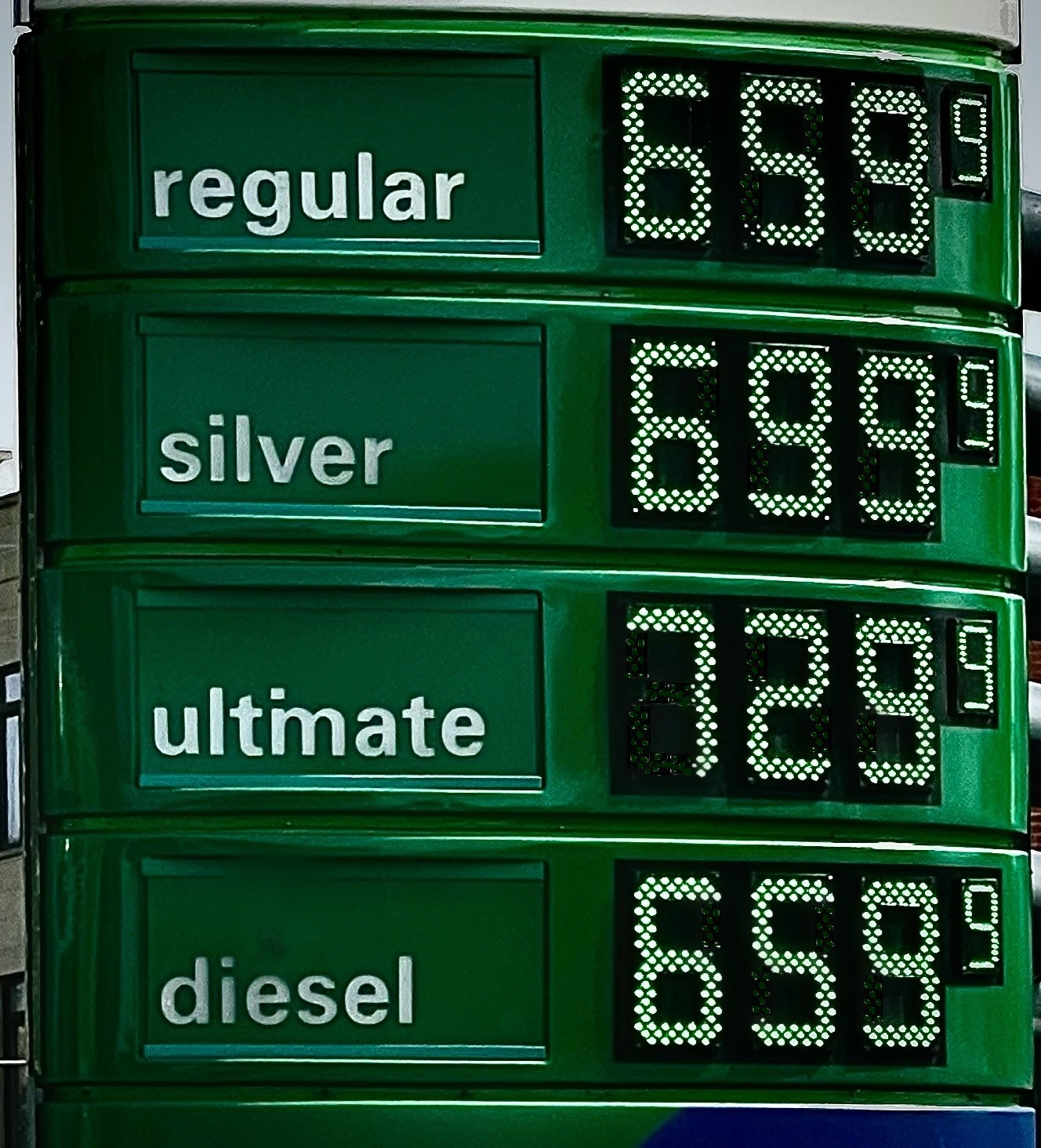
Global Oil Markets
At the most fundamental level, the price of crude oil dictates the baseline cost of gasoline. Global supply and demand, geopolitical events, and the production decisions of major oil-producing nations—like those in OPEC—can send shockwaves through the market, ultimately affecting prices at your local Chicago station. Events such as natural disasters impacting oil extraction, conflicts in oil-rich regions, or shifts in global economic growth that influence demand all play a significant role.
National Refining and Distribution
Crude oil is refined into various petroleum products, including gasoline, at complex refineries. The operational status of refineries in the United States, particularly those serving the Midwest region, directly impacts gasoline availability and price. Refinery maintenance, unexpected shutdowns due to weather or technical issues, or increased demand during peak travel seasons can lead to price spikes. The efficiency and cost of transporting refined gasoline from refineries to distribution terminals and then to individual gas stations also add to the final price.
Illinois State and Local Taxes
One of the most significant local factors influencing gas prices in Chicago is taxation. Illinois has historically had some of the highest state gas taxes in the nation. These taxes are levied per gallon and are a substantial portion of the pump price. Chicago, being a major metropolitan area, may also have local taxes or fees applied, further increasing the cost compared to other parts of the state or country. These taxes are often adjusted by state and local governments, contributing to price volatility.
Seasonal Demand and Blend Requirements
Gasoline prices are also subject to seasonal demand. During the summer months, more people travel, leading to increased demand for fuel. To meet environmental regulations and reduce smog, different gasoline blends are required in various regions throughout the year. The switch to summer-blend gasoline, which is typically more expensive to produce, often occurs in the spring, leading to price increases. Conversely, the cheaper winter blend is introduced in the fall. Chicago, like much of the United States, adheres to these seasonal blend requirements.
Local Competition and Station-Specific Pricing
Within Chicago itself, prices can vary from one gas station to another. The level of competition in a particular neighborhood, the brand of the station (e.g., branded vs. unbranded), and the station owner’s pricing strategy all contribute to these localized differences. Stations in high-traffic areas or those offering convenience store amenities might charge a premium.
Typical Gas Prices in Chicago

Pinpointing an exact, static price for gasoline in Chicago is impossible due to the dynamic nature of the market. However, we can discuss typical ranges and how to find the most current information.
Average Price Trends
Historically, Chicago has often seen gas prices that are higher than the national average, largely due to the combination of state and local taxes, refining costs in the Midwest, and demand. Depending on the time of year and prevailing market conditions, prices can fluctuate significantly. For instance, during periods of high crude oil prices or refinery issues, Chicago could see prices well above the national average. Conversely, in periods of lower crude oil and ample supply, prices might moderate, though they often remain elevated compared to less tax-burdened regions.
How to Find Current Prices
For travelers and residents seeking the most up-to-date information on gas prices in Chicago, several reliable resources are available:
- Gas Price Tracking Apps and Websites: Numerous mobile applications and websites specialize in tracking real-time gas prices. Popular options include GasBuddy, AAA, and Google Maps. These platforms aggregate data from users and stations, allowing you to search for prices by zip code or specific location within Chicago.
- Local News and Traffic Reports: Local news channels and radio stations often provide regular updates on gas prices, especially during peak travel times or when significant price changes occur.
- On-the-Ground Observation: While less efficient for planning, simply driving around and observing the prices displayed on the marquees of various gas stations will give you a direct, albeit localized, view of current costs.
When using these resources, remember to check the date of the price update to ensure its accuracy, as prices can change rapidly.
Saving Money on Gas in Chicago
While gas prices in Chicago can be higher than in many other parts of the country, there are several strategies travelers can employ to mitigate these costs.
Strategic Fueling Locations
- Avoid Tourist Hotspots: Gas stations immediately adjacent to major tourist attractions, such as Navy Pier or the Magnificent Mile, often carry a premium. Venture a few blocks away into more residential or commercial areas to find potentially lower prices.
- Explore Different Neighborhoods: Prices can vary significantly between Chicago’s diverse neighborhoods. While it might require a slight detour, exploring areas slightly outside the immediate downtown core or along major arterial roads could yield savings.
- Consider Suburban Prices: If your travel plans involve significant driving around the Chicagoland area, you might find slightly lower prices in some of the surrounding suburbs, though this also depends on local taxes and competition in those specific areas.
Loyalty Programs and Discounts
- Gas Station Loyalty Programs: Many major gas station brands offer loyalty programs that provide discounts on fuel purchases. Signing up for these is usually free and can offer cents-off-per-gallon savings.
- Grocery Store Fuel Rewards: Some grocery store chains in the Chicago area partner with gas stations to offer fuel discounts based on your grocery spending. Accumulating points by shopping can translate into significant savings at the pump.
- Credit Card Rewards: Certain credit cards offer bonus rewards or cash back on gas purchases. Utilize these cards to offset the cost of fueling up.

Driving Habits and Vehicle Maintenance
- Maintain Proper Tire Inflation: Underinflated tires can significantly decrease fuel efficiency. Regularly checking and maintaining the correct tire pressure can improve your miles per gallon.
- Drive Efficiently: Avoid aggressive driving, such as rapid acceleration and hard braking. Smooth, consistent driving is more fuel-efficient. Observe speed limits, as higher speeds dramatically increase fuel consumption.
- Reduce Vehicle Weight: Extra weight in your vehicle requires more fuel to move. Remove any unnecessary items from your trunk or cabin before long drives.
- Regular Vehicle Maintenance: Ensure your car is well-maintained. Regular oil changes, clean air filters, and a properly functioning engine contribute to optimal fuel economy.
By understanding the dynamics of gas pricing in Chicago and employing smart strategies, travelers can manage their fuel costs effectively, allowing more of their budget to be dedicated to enjoying the city’s world-class attractions, dining, and cultural experiences. Whether you’re visiting the Art Institute of Chicago, catching a Cubs game at Wrigley Field, or simply exploring the neighborhoods, being mindful of your fuel expenses is a practical step towards a more enjoyable and budget-friendly trip.
LifeOutOfTheBox is a participant in the Amazon Services LLC Associates Program, an affiliate advertising program designed to provide a means for sites to earn advertising fees by advertising and linking to Amazon.com. Amazon, the Amazon logo, AmazonSupply, and the AmazonSupply logo are trademarks of Amazon.com, Inc. or its affiliates. As an Amazon Associate we earn affiliate commissions from qualifying purchases.