
Understanding the average wage in Texas is crucial for anyone planning a visit or considering a longer stay. It offers a glimpse into the economic landscape, influencing everything from the cost of dining out to the types of accommodations available. This insight can help travelers budget more effectively, identify potential employment opportunities during extended stays, and even appreciate the unique cultural tapestry woven by the state’s diverse workforce.
The Texas Economy: A Snapshot
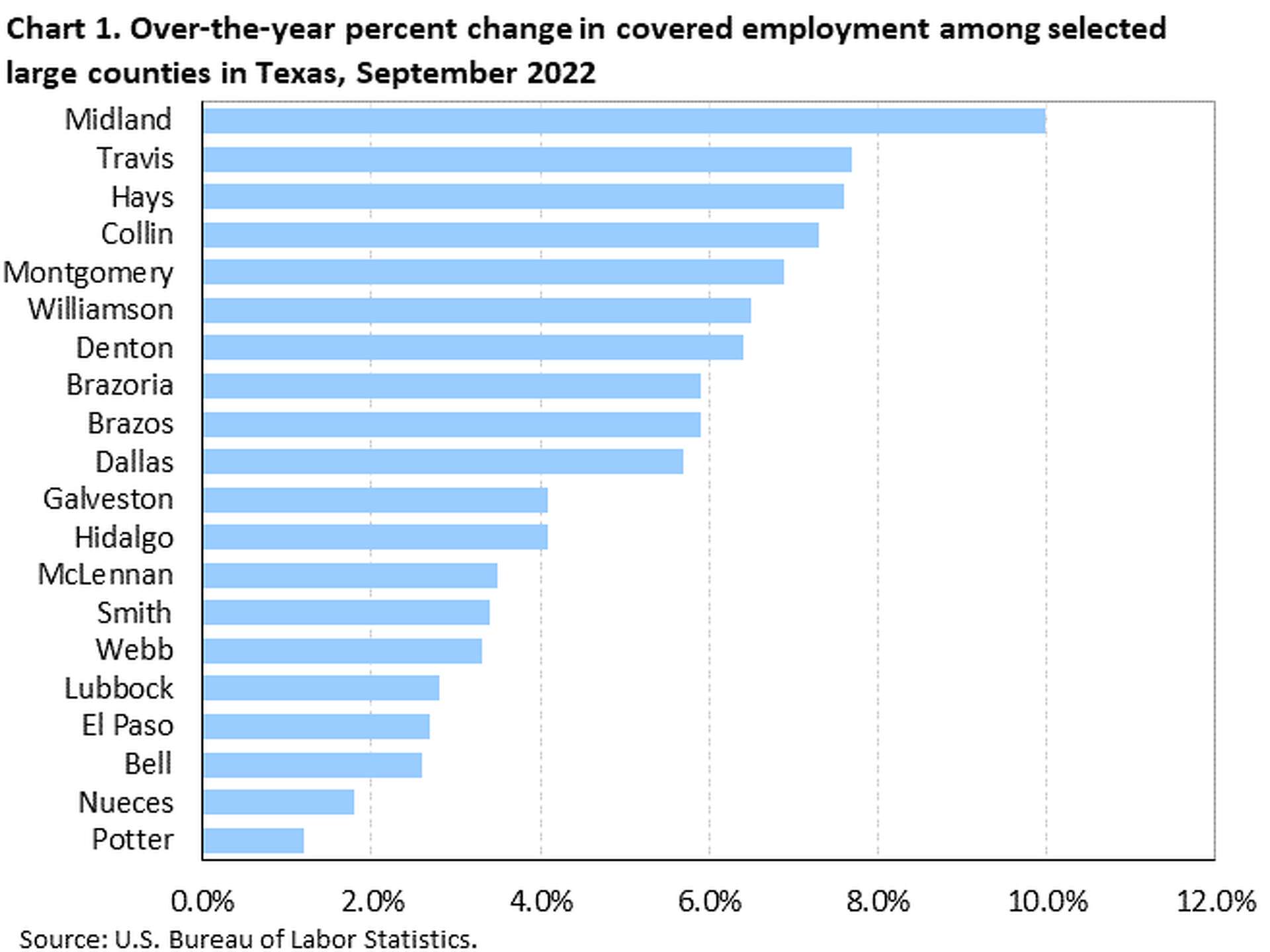
Texas boasts one of the largest economies in the United States, driven by a robust and varied industrial base. From the sprawling oil fields of West Texas to the booming tech hubs in Austin and Dallas, the Lone Star State offers a dynamic economic environment. This diversity translates into a wide spectrum of job opportunities and, consequently, a broad range of wage levels.
Key Industries Shaping Texas Wages
Several sectors significantly impact the average wage across the state:
- Energy: The oil and gas industry remains a cornerstone of the Texas economy. While fluctuating, it consistently provides high-paying jobs, particularly for skilled engineers, geologists, and rig workers. This sector’s influence is felt particularly strongly in cities like Houston and areas surrounding the Permian Basin.
- Technology: Texas has emerged as a major player in the technology sector, with companies establishing significant presences in Austin, Dallas, and San Antonio. Software developers, IT professionals, and cybersecurity experts command competitive salaries, contributing to a higher average wage in these metropolitan areas.
- Healthcare: A growing and essential sector, healthcare in Texas employs a vast number of individuals, from highly paid surgeons and specialists to nurses and support staff. Major medical centers in Houston, Dallas, and Fort Worth offer numerous employment prospects.
- Manufacturing: Texas has a strong manufacturing base, encompassing everything from aerospace and defense to automotive and advanced materials. These jobs often require specialized skills and can offer substantial compensation.
- Agriculture: While perhaps not as high-paying on average as the energy or tech sectors, agriculture remains a vital part of the Texas economy, particularly in rural areas. Ranching, crop farming, and related industries provide employment for many.
Understanding Average Wage Metrics in Texas
When discussing average wages, it’s important to differentiate between various statistical measures, as they paint different pictures of income distribution.
Median vs. Mean Wage
- Mean Wage: This is the arithmetic average of all wages earned in a specific period. It can be skewed by very high or very low earners. For example, a few exceptionally high-paying tech jobs could significantly increase the mean wage for a city.
- Median Wage: This is the wage that falls in the middle of a dataset when all wages are arranged in order. Fifty percent of earners make more than the median wage, and fifty percent make less. The median wage often provides a more realistic representation of what the typical worker earns, as it is less affected by outliers.
Factors Influencing Wage Variation
Several factors contribute to the wide variation in wages observed across Texas:
- Location: As previously mentioned, major metropolitan areas like Austin, Dallas, and Houston tend to have higher average wages due to the concentration of high-paying industries and a higher cost of living. Conversely, rural areas often report lower average wages.
- Industry: The inherent pay scales of different industries play a significant role. High-skilled, high-demand sectors like energy and technology generally offer more lucrative compensation than lower-skilled service roles.
- Experience and Education: Years of experience and educational attainment are directly correlated with earning potential. Professionals with advanced degrees and extensive experience in specialized fields will typically earn considerably more than entry-level workers.
- Job Role: Within any given industry, specific job roles command different salaries. A chief executive officer will earn vastly more than an administrative assistant, even within the same company.
The Average Wage Landscape: By City and Region
Texas is a large state, and wages can differ dramatically depending on where you are.
Major Metropolitan Areas
- Austin: Known as the “Silicon Hills” for its burgeoning tech scene, Austin consistently reports some of the highest average wages in Texas. The influx of tech companies and a strong startup culture drive demand for skilled professionals, leading to competitive salaries. This also contributes to a higher cost of living, particularly in housing.
- Dallas-Fort Worth Metroplex: This vast metropolitan area encompasses diverse economic drivers, from finance and technology in Dallas to logistics and aviation in Fort Worth. The sheer size and diversity of industries result in a wide range of wage levels, with higher averages in specialized professional roles.
- Houston: As the energy capital of the world, Houston offers substantial opportunities in the oil and gas sector, which often translates to high wages. The city also has a significant presence in healthcare, aerospace, and manufacturing, contributing to a robust average wage, though potentially lower than Austin for certain tech-centric roles.
- San Antonio: While San Antonio has a strong presence in military, healthcare, and tourism, its average wages may be slightly lower than the other major Texas metros. However, it offers a more affordable cost of living, making income stretch further for many residents.
Regional Variations
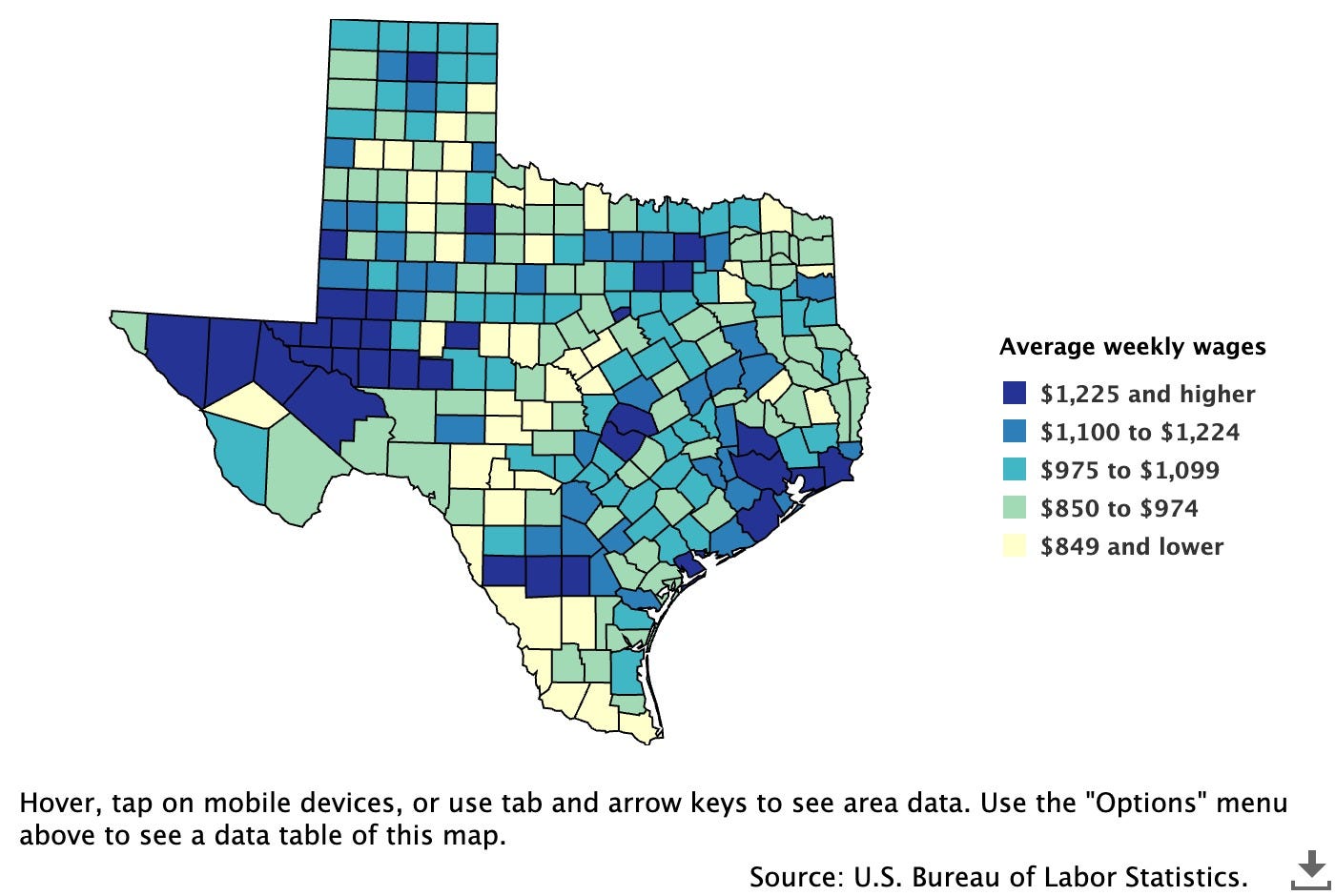
Beyond the major cities, wage patterns can vary significantly. West Texas, heavily influenced by the oil and gas industry, can see high wages in specific sectors. East Texas might have a stronger presence in manufacturing and timber. South Texas, with its proximity to the border and significant agricultural activity, presents its own economic dynamics.
Impact on Travelers and Long-Term Stays
Understanding the average wage in Texas is not just an academic exercise; it has practical implications for various types of visitors.
Budgeting for a Trip
For tourists, knowing the general wage levels can provide context for the cost of goods and services. Higher average wages in cities like Austin might suggest that dining at popular restaurants or staying in upscale hotels could be more expensive. Conversely, areas with lower average wages might offer more budget-friendly options for accommodation and local experiences. For instance, exploring the natural beauty of Big Bend National Park might be more accessible in terms of associated costs than experiencing the nightlife in downtown Austin.
Considering a Longer Stay or Relocation
For those contemplating a longer stay or even relocating to Texas, the average wage becomes a critical factor in financial planning. It informs decisions about housing affordability, lifestyle choices, and the feasibility of pursuing specific career paths. Researching average wages within a desired industry and specific city is a crucial first step. For example, someone looking to work in the burgeoning renewable energy sector in West Texas would need to research the wage expectations within that niche, which might differ from the average wage for a software engineer in Austin.
The Cost of Living vs. Wage
It’s vital to consider the cost of living alongside average wages. A high average wage in a city like Austin might be offset by a significantly higher cost of housing and daily expenses compared to a city like El Paso with a lower average wage but also a lower cost of living. Travelers or potential residents should always research both metrics to get a true picture of economic viability.
Future Trends and Wage Outlook
The economic landscape of Texas is constantly evolving. Several trends are likely to influence average wages in the coming years.
Diversification of the Economy
Texas is actively working to diversify its economy beyond its traditional reliance on oil and gas. Investments in renewable energy, advanced manufacturing, biotechnology, and logistics are creating new job opportunities and potentially driving up average wages in these emerging sectors.
Impact of Technology and Automation
The increasing integration of technology and automation across industries will undoubtedly shape the job market and wage structure. While some jobs may be displaced, new roles requiring advanced technological skills will emerge, likely commanding higher salaries. This will require continuous adaptation and upskilling for the workforce.

Growth in High-Skilled Professions
The continued growth of sectors like technology, healthcare, and specialized manufacturing will likely lead to an increased demand for highly skilled professionals. This demand, coupled with the limited supply of qualified candidates, is expected to keep wages competitive, if not rising, for these roles across major Texas cities such as Dallas and Houston.
In conclusion, understanding the average wage in Texas offers a valuable perspective for anyone interacting with the state, whether as a tourist exploring its vast attractions or as someone considering its economic opportunities. It’s a dynamic figure influenced by a complex interplay of industries, locations, and individual qualifications, constantly shaped by the robust and ever-evolving economic narrative of the Lone Star State.
LifeOutOfTheBox is a participant in the Amazon Services LLC Associates Program, an affiliate advertising program designed to provide a means for sites to earn advertising fees by advertising and linking to Amazon.com. Amazon, the Amazon logo, AmazonSupply, and the AmazonSupply logo are trademarks of Amazon.com, Inc. or its affiliates. As an Amazon Associate we earn affiliate commissions from qualifying purchases.