
The question of “How Much Does IHSS Pay in California?” delves far deeper than mere hourly rates; it uncovers a critical aspect of lifestyle for thousands of residents. In-Home Supportive Services (IHSS) is a vital program designed to assist low-income aged, blind, and disabled individuals to remain safely in their own homes, avoiding institutionalization. For both the recipients and the dedicated caregivers, the compensation structure of IHSS profoundly shapes their daily existence, financial stability, and overall quality of life, directly influencing their ability to lead fulfilling and independent lifestyles.
Understanding IHSS: A Cornerstone of Independent Living in California
IHSS is more than just a service; it’s a cornerstone of independent living for many vulnerable Californians. It provides essential non-medical services, such as personal care (bathing, dressing), domestic services (meal preparation, housecleaning), paramedical services, and accompaniment to medical appointments. The program underscores a fundamental belief that individuals should have the choice and support to live with dignity in their familiar surroundings rather than being forced into costly and often less desirable care facilities. For recipients, IHSS is not just about receiving help; it’s about maintaining a familiar lifestyle, retaining autonomy, and preserving connections within their communities. The ability to receive care at home significantly impacts a person’s routine, social engagement, and mental well-being, allowing for a more personalized and comfortable way of life. For the caregivers, often family members or close friends, their role is not just a job but a profound commitment that directly influences their own household’s financial health and lifestyle choices.

The Financial Fabric of IHSS Caregiving: Impact on Provider Lifestyles
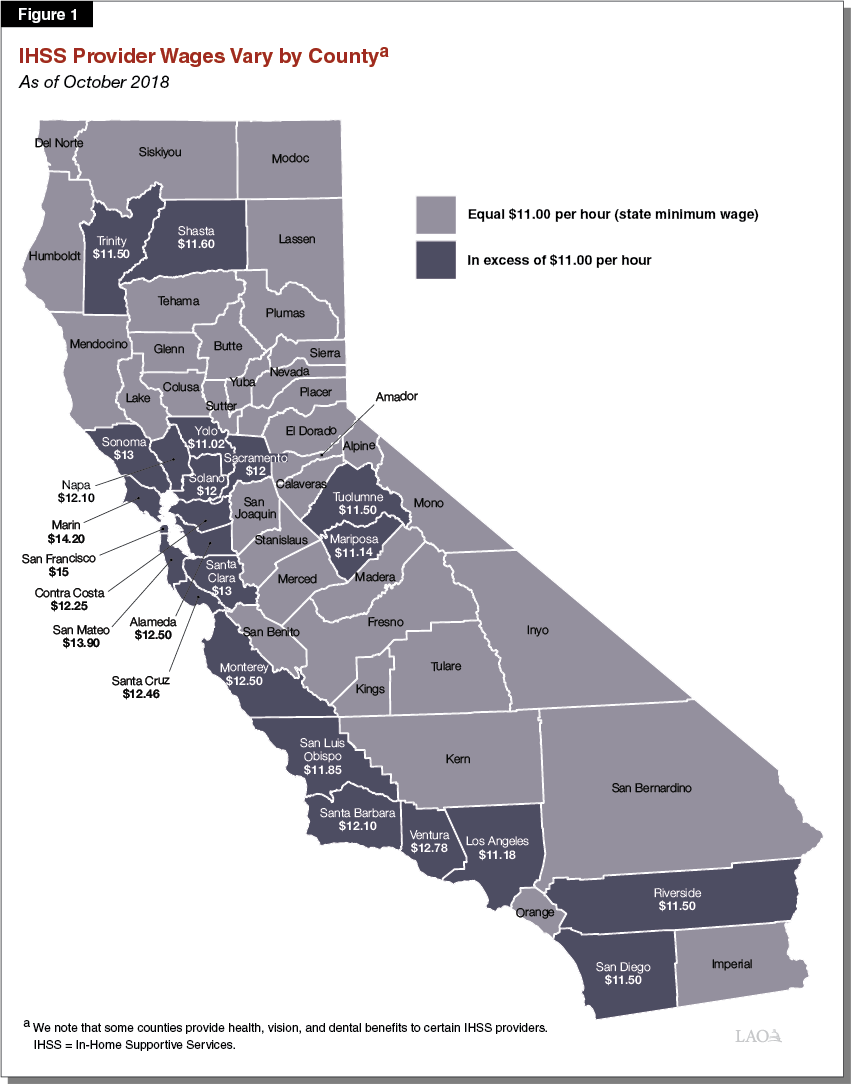
The “pay” in IHSS directly refers to the hourly wages received by caregivers, and these rates are a critical determinant of their economic lifestyle. These dedicated individuals, who provide invaluable assistance, often face the challenge of low wages that impact their ability to support their own families, save for the future, or engage in leisure activities. The compensation for IHSS providers is not uniform across California; it varies significantly by county, reflecting local economic conditions, cost of living, and the outcomes of collective bargaining agreements between local governments and labor unions representing IHSS workers.
Navigating County-Specific Wage Variations
California’s IHSS wages are set at the county level, meaning a caregiver in Los Angeles County might earn a different hourly rate than one in San Francisco County or San Diego County. While the state mandates a minimum wage for IHSS workers, many counties supplement this base rate through local ordinances or union contracts. For instance, high-cost-of-living areas like San Francisco and Santa Clara County often have higher hourly rates to help caregivers cope with exorbitant living expenses. Conversely, counties with lower costs of living may offer rates closer to the state minimum. This disparity creates a complex financial landscape for IHSS providers. A caregiver in a county with a higher IHSS wage might experience a more stable economic lifestyle, with greater capacity for housing, food, and other necessities, potentially even affording occasional leisure or travel. For those in lower-paying counties, the financial strain can be significant, often requiring them to work multiple jobs or rely on public assistance themselves, severely limiting their personal lifestyle choices and financial autonomy. The constant negotiation between counties and unions, such as SEIU, plays a crucial role in advocating for better wages, aiming to elevate the lifestyle standards for these essential workers. These negotiations are vital because they directly influence the financial security and overall well-being of caregivers, affecting everything from their ability to afford a decent home to their capacity to pursue education or personal development.
Beyond the Hourly Rate: Benefits and Their Lifestyle Value

Beyond the hourly wage, some IHSS providers may also receive health benefits, paid time off, and other advantages, often secured through collective bargaining. These benefits, while not direct “pay,” are invaluable components of a stable lifestyle. Access to affordable healthcare can be a life-changer, reducing financial stress from medical emergencies and promoting better overall health, enabling caregivers to maintain their own well-being while caring for others. Paid time off allows for much-needed breaks, family time, or personal appointments without sacrificing income, a luxury often unavailable to low-wage workers. These non-wage benefits contribute significantly to a caregiver’s sense of security and work-life balance, fostering a more sustainable and less stressful lifestyle. Without these benefits, the physical and emotional demands of caregiving, combined with financial insecurity, can lead to burnout and a diminished quality of life for the caregiver. Therefore, the total compensation package – encompassing both wages and benefits – fundamentally shapes the lifestyle achievable by IHSS providers.
Empowering Recipient Lifestyles: How IHSS Pay Supports Dignity and Choice
For IHSS recipients, the “pay” for IHSS services represents the funding mechanism that directly supports their chosen lifestyle: living independently at home. While recipients do not receive the pay directly, the state and county funding for IHSS care allows them to hire caregivers who perform tasks essential for their daily functioning and quality of life. This program offers a profound alternative to institutional care, enabling individuals to maintain control over their environment, routines, and social connections.
Maintaining Independence and Community Connection
The ability to remain at home means recipients can continue to live in their familiar surroundings, surrounded by personal belongings and memories, often within reach of family, friends, and community networks. This continuity is a critical element of a fulfilling lifestyle, preventing the isolation and displacement often associated with nursing homes or assisted living facilities. IHSS pay, by funding the necessary support, empowers individuals to maintain their dignity, autonomy, and an active role in their communities. It allows them to schedule their care around their preferences, participate in social activities, and make personal choices that define their unique lifestyle. Without IHSS, many would be forced into an institutional lifestyle, losing much of their independence and control over their daily lives. The availability of IHSS funds directly translates into the freedom to choose how and where one lives, a fundamental aspect of personal lifestyle.
Financial Relief for Families
Furthermore, IHSS funding provides significant financial relief for families who might otherwise bear the full cost of in-home care or face the difficult decision of placing a loved one in a facility. While recipients may contribute a share of cost based on their income, the substantial support provided by IHSS alleviates immense financial pressure. This relief indirectly impacts the lifestyle of entire families, freeing up resources that might otherwise be spent on care, allowing them to focus on other aspects of their lives, such as housing, education, or leisure. The program ensures that the recipient’s care needs do not disproportionately burden family members, fostering a more balanced and sustainable family lifestyle, reducing stress, and preserving familial relationships. This financial stability, enabled by IHSS, allows families to plan for the future with greater confidence and maintain a higher quality of life collectively.
The Future of IHSS Pay: Shaping Lifestyles Across California
The ongoing discussion surrounding IHSS pay is not merely an economic debate; it is a conversation about the fundamental right to a dignified lifestyle for both caregivers and recipients in California. Advocates continue to push for higher wages and improved benefits for IHSS providers, recognizing that a stronger, more stable caregiver workforce directly translates to better care and more sustainable independent living for recipients. Increased pay could attract more individuals to the caregiving profession, reducing staff shortages and ensuring that every IHSS recipient has access to reliable, high-quality support. For caregivers, enhanced compensation would mean greater financial freedom, reduced need for multiple jobs, and a better overall quality of life, allowing them to invest more in their own well-being and families. For recipients, it means a more consistent and higher quality of care, reinforcing their ability to live independently and thrive. The future of IHSS pay in California will profoundly shape the lifestyles of thousands, underscoring the interconnectedness of economic policy, social welfare, and individual well-being in the Golden State. It is a testament to the belief that everyone, regardless of age or ability, deserves the opportunity to lead a full and dignified life.
LifeOutOfTheBox is a participant in the Amazon Services LLC Associates Program, an affiliate advertising program designed to provide a means for sites to earn advertising fees by advertising and linking to Amazon.com. Amazon, the Amazon logo, AmazonSupply, and the AmazonSupply logo are trademarks of Amazon.com, Inc. or its affiliates. As an Amazon Associate we earn affiliate commissions from qualifying purchases.