
Securing a valid form of identification is a fundamental aspect of navigating daily life, especially when establishing roots or planning an extended stay in a new location. For individuals residing in or considering a move to California, understanding the process and costs associated with obtaining a California ID is crucial for effective lifestyle planning and integration. This document serves not only as proof of identity but also as a gateway to various services, opportunities, and experiences within the Golden State.
Understanding the California ID: More Than Just a Card
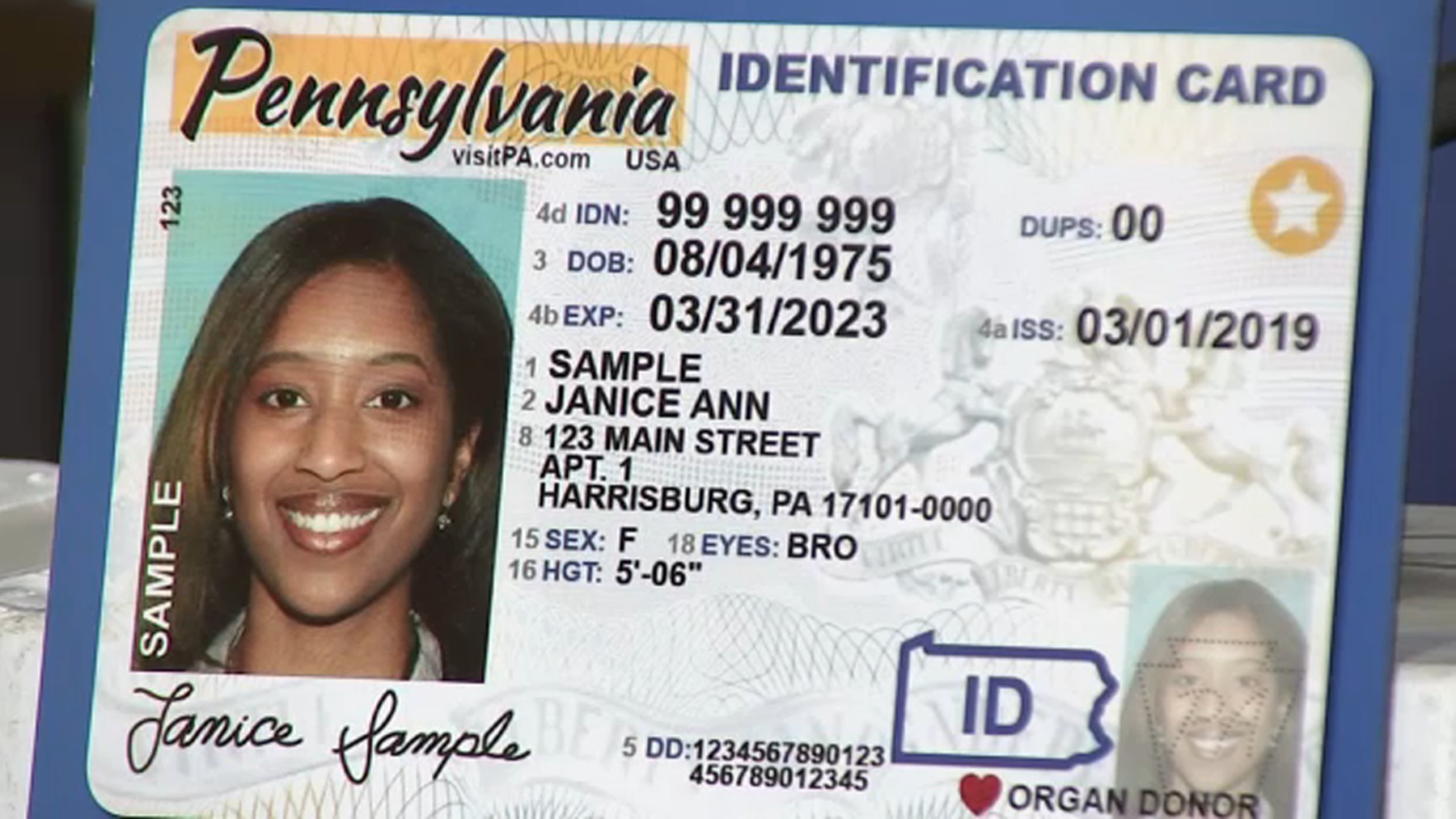
A California ID is far more than a simple piece of plastic; it’s a vital tool that underpins countless aspects of personal and civic life. For many, particularly those without a driver’s license, it is the primary form of state-issued identification, essential for a myriad of transactions and interactions.
Why a California ID Matters for Your Lifestyle
From the mundane to the significant, a California ID facilitates essential activities and validates one’s presence in the state. For new residents, it’s often one of the first critical steps towards establishing a new lifestyle. It’s required for opening a bank account, signing up for utilities, applying for employment, accessing certain government services, and proving age for purchases or entry into establishments. Beyond these practicalities, it also streamlines interactions where identification is routinely requested, such as picking up packages, using public transportation, or even simply registering for a library card. Without a valid state ID, these everyday tasks can become significantly more complicated, impacting one’s ability to fully engage with the local community and enjoy the convenience of modern life. For those planning a long-term stay or relocation, factoring in the acquisition of this ID is an early and important consideration for managing one’s budget and setting up household affairs.
Different Types of IDs and Their Uses
While often referred to generally as a “California ID,” it’s important to distinguish between a standard identification card and a California Driver’s License. Both are issued by the California Department of Motor Vehicles (DMV) and serve as primary forms of identification. However, the ID card is specifically for those who do not drive or do not wish to obtain a driver’s license. It holds the same legal validity for proving identity and age. The state also offers a REAL ID-compliant card, which, starting in May 2025, will be required for boarding domestic flights and entering certain federal facilities. This distinction is crucial for travelers and those who interact frequently with federal agencies, influencing not just the application process but also the initial cost and long-term utility of the document. Understanding these different types allows individuals to choose the option that best suits their lifestyle needs and travel patterns, ensuring they have the correct credentials for their specific circumstances.
Decoding the Costs: Fees for Your California ID
The cost associated with obtaining a California ID is generally straightforward, but it’s important to be aware of the specific fees and any potential variations based on the type of ID chosen. These fees are set by the state and are consistent across all DMV offices.
Standard ID Card Fees
As of the latest updates, the fee for an original or renewal California ID card is typically $39. This fee is non-refundable and must be paid at the time of application. For individuals under 18 years of age, the fee may be slightly lower, often around $33, reflecting specific state provisions for minors. It’s important to verify the most current fee schedule directly on the official California DMV website or by contacting a local DMV office, as these figures can be subject to periodic adjustments. This standard fee covers the production and issuance of the card, ensuring its validity for a predetermined period, usually five years, before renewal is required. Budgeting for this initial outlay is a small but necessary part of setting up one’s life in California.
Enhanced ID Options and Associated Costs
For those requiring a REAL ID-compliant identification card, the fee remains the same as the standard ID card: $39. The REAL ID program, initiated by the federal government, aims to enhance security standards for state-issued driver’s licenses and identification cards. While the application process for a REAL ID might require more extensive documentation compared to a standard federal non-compliant ID, the fee structure for the card itself does not typically differentiate between the two. The primary “cost” difference for a REAL ID often comes in the form of time and effort spent gathering the necessary documents, which include proof of identity, residency, and social security number. Despite the additional documentation burden, many California residents opt for the REAL ID for the convenience it offers in domestic air travel and access to federal facilities, considering it a worthwhile investment for their lifestyle.
Potential Hidden Costs or Renewals
While the base fee for a California ID is clear, there are a few other considerations that could impact the overall cost over time. The primary ongoing cost will be the renewal fee, which is generally the same as the original issuance fee, typically $39 every five years. There are also fees for replacing a lost, stolen, or damaged ID card, which also usually aligns with the standard fee. Unexpectedly needing to replace an ID due to loss or damage can be an unforeseen expense, so it’s wise to keep the card secure. Additionally, if an individual moves within California and needs to update their address on their ID, there might be a small fee associated with issuing a new card, although sometimes this can be done without a charge if no other information changes. For budgeting purposes, it’s prudent to factor in the regular renewal cycle and a contingency for potential replacement needs, especially for those managing their finances meticulously within their California lifestyle.
The Application Process: Navigating the DMV
Obtaining a California ID involves a structured application process through the DMV. While it might seem daunting, being prepared with the correct documentation and understanding the steps can make the experience efficient and straightforward.
Required Documentation Checklist
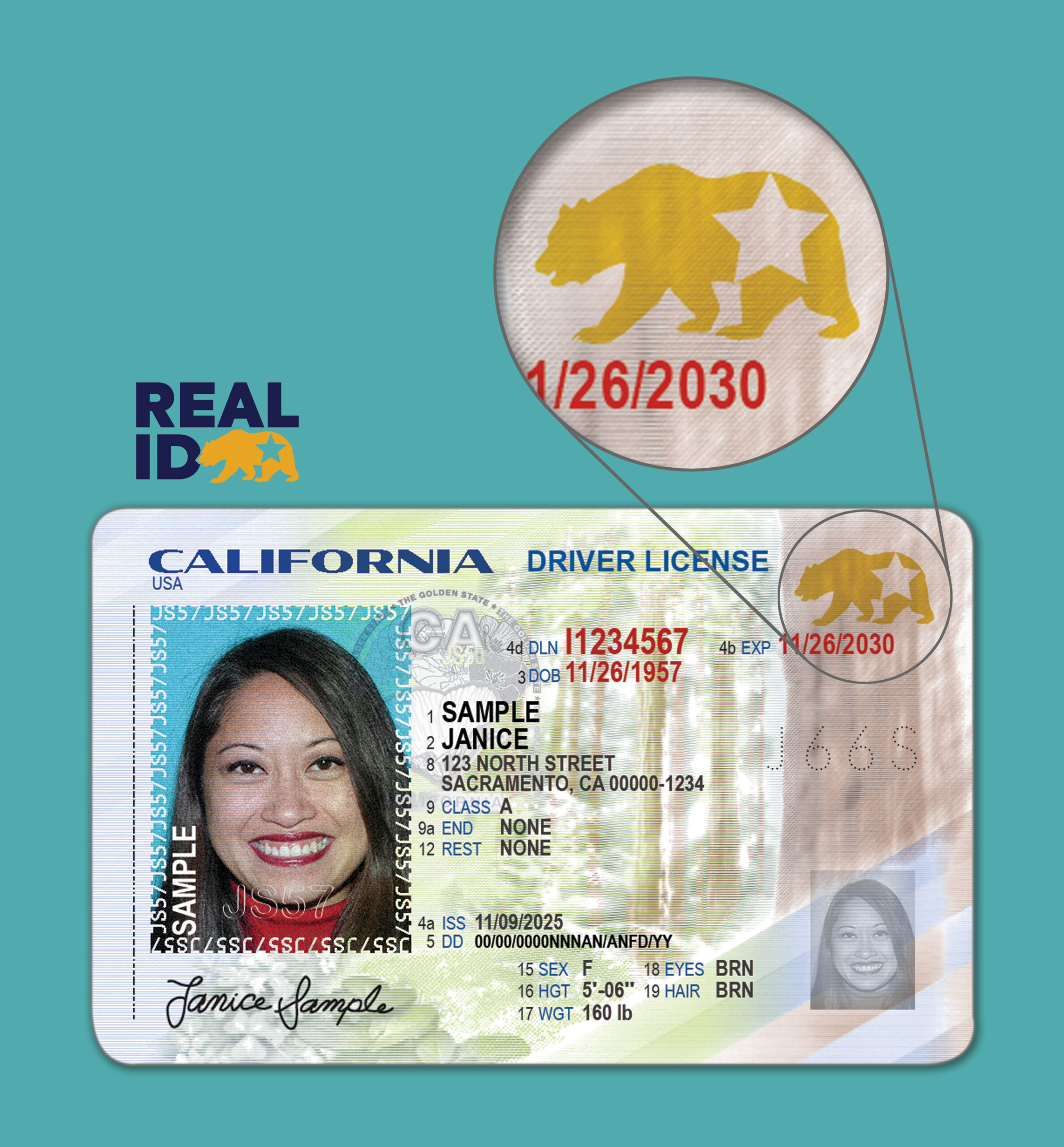
The most critical step in applying for a California ID is gathering the necessary documents. For a REAL ID-compliant card, which is highly recommended for future convenience, applicants typically need:
- Proof of Identity: Original or certified copy of a U.S. birth certificate, U.S. passport, or foreign passport with a valid U.S. visa and I-94 form.
- Proof of Social Security Number (SSN): Social Security card, W-2 form, or a pay stub with your SSN.
- Proof of California Residency (Two Documents): Utility bills, rental agreements, mortgage statements, bank statements, or medical documents showing a California address.
- Signature Verification (if applicable): Marriage certificate or dissolution of marriage to verify name changes.
It is paramount to bring original documents, as photocopies are generally not accepted. The DMV website provides a comprehensive document checklist, and utilizing their online “REAL ID Checklist” tool can help ensure all requirements are met before your visit, saving time and potential multiple trips. This preparation is a key part of efficiently managing one’s lifestyle in the state.
Scheduling Your Appointment
While some DMV services allow walk-ins, scheduling an appointment for an ID card application is highly recommended to minimize wait times. Appointments can typically be made online through the official California DMV website. When booking, select the service for “ID Card Application” or “Original ID Card.” Be prepared to choose a convenient date and time at your preferred DMV office location. Arriving punctually for your appointment with all required documentation will ensure a smoother process. This proactive approach to scheduling is a simple yet effective way to manage your time and reduce stress, reflecting good lifestyle planning.
Post-Application Steps and Waiting Times
After successfully submitting your application and paying the fee at the DMV office, you will typically receive a temporary paper ID. The permanent California ID card is then mailed to your address on file, usually within 2-4 weeks. During this waiting period, the temporary ID serves as valid proof of identity for most purposes within the state, though it might not be accepted for all forms of identification, especially for air travel if it’s not a REAL ID. If you haven’t received your permanent card after a reasonable amount of time, the DMV provides a tracking tool or contact options to inquire about its status. Patience is key during this final step, as the mailing process can vary.
Financial Planning for Your California ID
Integrating the cost of a California ID into your overall financial plan is a small but significant detail, especially for those establishing a new lifestyle in the state or managing a tight budget.
Budgeting for New Residents
For individuals moving to California, budgeting for essential documents like an ID card should be part of their initial financial outlay. While the fee itself is relatively modest, it’s one of many small expenses that can add up during a relocation, alongside moving costs, utility deposits, and initial rent. Including the $39 ID card fee in your relocation budget ensures that this necessary step isn’t overlooked. Furthermore, factoring in the time required for the application process and the waiting period for the card’s arrival helps manage expectations and reduces potential stress during the transition to a new California lifestyle. Proactive financial planning allows for a smoother, more secure start in the Golden State.
Considering the Long-Term Value
The upfront cost of a California ID, while an immediate expense, represents a significant long-term value. This card serves as your primary legal identification for five years, unlocking access to services, validating your age, and ensuring seamless everyday interactions. Its importance for identity verification, particularly for those who do not hold a driver’s license, cannot be overstated. From a lifestyle perspective, it provides peace of mind and simplifies numerous administrative and personal tasks. For example, without a valid state ID, cashing a check, picking up prescriptions, or even proving residency for certain discounts could become burdensome. Thus, the investment in a California ID is not merely a transaction but an enabler of convenience and security, contributing positively to one’s overall quality of life and functionality within the state.
Beyond the ID: How it Influences Your California Lifestyle
The impact of having a valid California ID extends far beyond its initial acquisition, deeply influencing daily living and opportunities within the state.
Accessing Services and Benefits
A California ID is a key that unlocks access to a multitude of state and local services. It’s often required to register to vote, apply for social services, obtain professional licenses, and even enroll children in public schools. For those seeking employment, it serves as a foundational document for identity verification during the hiring process. Furthermore, it can be essential for accessing healthcare services, registering for community programs, or even enjoying senior citizen discounts at various establishments if applicable. Without this official identification, navigating bureaucracy and availing oneself of these essential benefits becomes significantly more challenging, if not impossible, directly impacting the quality and ease of one’s lifestyle in California.
Travel and Identification within the State
While a California ID is not a substitute for a passport for international travel, a REAL ID-compliant card is becoming indispensable for domestic air travel, as mandated by federal regulations. This means that for residents planning to fly within the United States, possessing a REAL ID is crucial to avoid issues at airport security checkpoints starting in May 2025. Beyond air travel, it serves as primary identification for renting vehicles, checking into hotels, and verifying age at various entertainment venues throughout California. Its ubiquity as a recognized form of identification simplifies travel logistics and enhances personal security, allowing individuals to enjoy the diverse attractions and experiences California has to offer with confidence and ease.

Impact on Daily Life and Opportunities
Ultimately, the small cost and effort required to obtain a California ID yield substantial returns in terms of convenience and opportunity, profoundly shaping one’s lifestyle. It facilitates everyday transactions, from using a credit card to picking up mail. It also opens doors to participation in civic life and community engagement, allowing residents to fully integrate into their surroundings. For those pursuing education, employment, or simply enjoying the rich cultural tapestry of California, a valid state ID is an enabler. It provides a foundation of legitimate identity, which is essential for personal growth, financial stability, and overall well-being within the vibrant and diverse landscape of the Golden State.
LifeOutOfTheBox is a participant in the Amazon Services LLC Associates Program, an affiliate advertising program designed to provide a means for sites to earn advertising fees by advertising and linking to Amazon.com. Amazon, the Amazon logo, AmazonSupply, and the AmazonSupply logo are trademarks of Amazon.com, Inc. or its affiliates. As an Amazon Associate we earn affiliate commissions from qualifying purchases.