
The allure of Los Angeles is undeniable. As the entertainment capital of the world, this sprawling metropolis in Southern California offers a blend of sun-drenched beaches, high-octane industry, and a cultural diversity that is hard to match anywhere else in the United States. However, the dream of living in the City of Angels comes with a significant price tag. Often referred to as the “sunshine tax,” the cost of living here is a primary consideration for anyone looking to relocate to California. From the glamorous hills of Hollywood to the coastal breeze of Santa Monica, understanding the financial landscape is essential for maintaining a balanced lifestyle.
The Realities of Housing and Neighborhood Selection
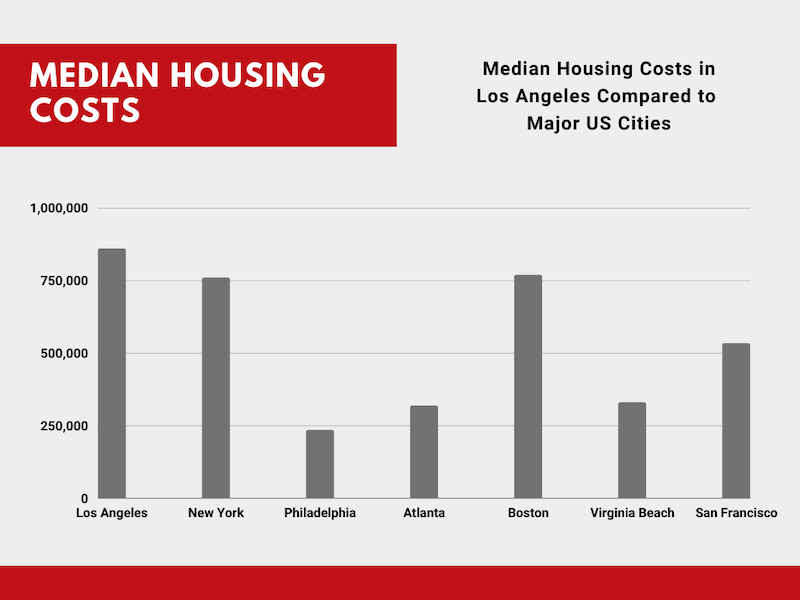
Housing is, without question, the largest monthly expense for residents of SoCal. The market is famously competitive, and prices vary wildly depending on your proximity to the Pacific Ocean and major employment hubs. Whether you are looking for a luxury high-rise or a modest bungalow, the geography of your choice will dictate your financial health.
Luxury Living in the Westside
For those seeking the quintessential coastal lifestyle, the Westside offers iconic neighborhoods like Beverly Hills, Bel Air, and Malibu. Renting a one-bedroom apartment in these areas often starts well above the national average, frequently exceeding $3,500 per month. If you are looking toward Santa Monica Mountains or the prestigious Rodeo Drive corridor, real estate prices move into the multi-million dollar range rapidly. These areas provide unparalleled access to high-end shopping and world-class dining, but they require a substantial income to sustain.
Trendy Hubs and Emerging Neighborhoods
If the high-octane luxury of the Westside isn’t your speed, neighborhoods like Silver Lake and Echo Park offer a more bohemian, artistic vibe. Once considered affordable alternatives, these areas have seen significant gentrification. A modern apartment here might cost between $2,500 and $3,200. Similarly, Culver City has become a tech and media powerhouse, drawing employees from major studios and driving up demand for local housing. West Hollywood, known for its vibrant nightlife and the Sunset Boulevard, remains a perennially popular—and expensive—choice for those wanting to be in the heart of the action.
More Affordable Alternatives
For those on a stricter budget, looking toward the San Fernando Valley or Long Beach can provide some relief. While still higher than many other American cities, areas like Van Nuys or parts of Pasadena offer more square footage for your dollar. Additionally, Downtown Los Angeles, specifically the Arts District, has seen a surge in loft-style living that appeals to young professionals, though prices here are also rising as the area continues to modernize.
Transportation: Navigating the Sprawl
In Los Angeles, transportation is more than just a means to an end; it is a lifestyle factor that influences where you live, work, and socialize. The city is famous for its traffic, particularly on the 405 Freeway and the 101 Freeway, and the costs associated with commuting are a major part of the monthly budget.
The Necessity of a Vehicle
Most residents find that owning a car is a necessity. Between car payments, insurance—which is notably high in California—and the fluctuating price of gasoline, this can easily add $600 to $1,000 to your monthly expenses. Maintenance is another factor, as the heat and constant stop-and-go traffic can take a toll on vehicles. Parking is also a hidden cost; many apartments charge an extra fee for a dedicated spot, and parking in areas like Westwood near UCLA or around USC can be both difficult and expensive.
Public Transit and Ride-Sharing
The LA Metro has expanded significantly over the last decade, offering a viable alternative for some commuters. A monthly pass is relatively affordable compared to car ownership, but the system’s reach is still limited compared to cities like New York City. For those living and working along the Expo Line, it is a lifesaver. Ride-sharing services are also ubiquitous, but relying on them for daily commutes during peak hours can quickly become more expensive than owning a mid-range sedan.
Dining, Groceries, and the Culinary Lifestyle
Los Angeles is a food lover’s paradise, offering everything from Michelin-starred restaurants to the most famous street tacos in the country. Your lifestyle choice regarding food will heavily impact your monthly spend.
Grocery Shopping Trends
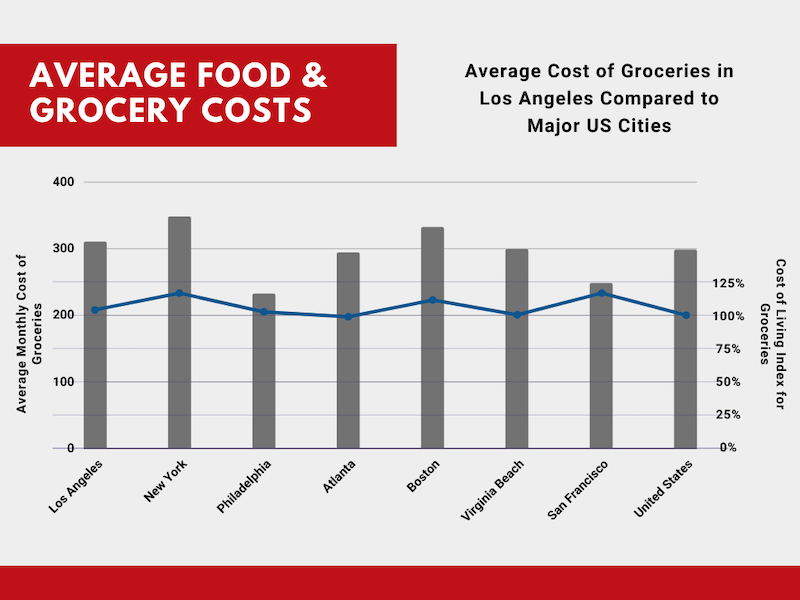
Grocery prices in the city are approximately 10-15% higher than the national average. Where you shop matters. High-end retailers like Whole Foods Market or the local favorite Erewhon Market cater to health-conscious residents with a higher disposable income. On the other hand, Trader Joe’s, which is headquartered in Southern California, remains a staple for those looking to balance quality and cost. For the freshest produce at lower prices, many residents frequent the various farmers’ markets held in Santa Monica or Hollywood.
Dining Out and Entertainment
Dining out is a core social activity. A casual meal in Koreatown or a quick bite at In-N-Out Burger is relatively affordable. However, a dinner for two at a trendy spot in Downtown Los Angeles can easily exceed $150 once cocktails and tips are included. The city also boasts incredible food halls like Grand Central Market, which offers a middle ground for those looking for gourmet options without the full sit-down price tag.
Entertainment, Leisure, and Leisure Costs
Living in Los Angeles means having access to some of the world’s best entertainment, but enjoying it often requires a financial commitment.
Famous Attractions and Culture
From the Griffith Observatory to The Getty Center, the city offers world-class cultural experiences. While some museums offer free admission, parking fees and special exhibits add up. For families, the proximity to Universal Studios Hollywood and Disneyland in nearby Anaheim is a major draw, though annual passes for these theme parks are a significant investment.
Sports and Nightlife
Sports fans have no shortage of teams to follow, from the Los Angeles Lakers and Los Angeles Clippers at Crypto.com Arena to the Los Angeles Dodgers at Dodger Stadium. Ticket prices for these events vary, but premium seating can cost hundreds of dollars. The nightlife scene, particularly in Hollywood, often includes cover charges and high-priced beverages, making a night out on the town a luxury experience.
The Great Outdoors
One of the best ways to offset the high cost of living is by taking advantage of the city’s natural beauty. Hiking in Griffith Park or Runyon Canyon Park is free and provides some of the best views of the Hollywood Sign. Spending a day at Venice Beach or Manhattan Beach costs only the price of parking and perhaps a snack from a boardwalk vendor. This accessibility to nature is one of the primary reasons people find the high cost of the city worth the investment.
Utilities, Taxes, and Healthcare
Beyond the visible costs of rent and food, the administrative costs of living in California are substantial. State income taxes are among the highest in the country, which can take a noticeable bite out of your paycheck.
Utility Expenses
Utilities including electricity, heating, water, and garbage for a standard apartment usually average around $150 to $250 per month. However, during the hot summer months, air conditioning costs in the San Fernando Valley can cause these bills to spike. High-speed internet is a necessity, especially for the large population of remote workers and freelancers in the creative industries, adding another $70 to $100 to the monthly tally.
Healthcare Considerations
Healthcare costs in Los Angeles are reflective of the broader trends in the United States. While many employers offer insurance plans, those who are self-employed—a common status in the “gig economy” of the entertainment world—must navigate the Covered California exchange. Out-of-pocket expenses for specialists and routine care remain high, even with insurance.
In conclusion, living in Los Angeles is a high-cost, high-reward endeavor. To live comfortably, a single person generally needs an annual income of at least $75,000 to $90,000, while families often require significantly more to manage housing and education. Despite the financial demands, the “Lifestyle” of the city—the sunshine, the career opportunities, and the vibrant cultural tapestry—continues to attract people from all over the globe, making it a place where many are willing to pay the premium for the experience of calling the City of Angels home.
LifeOutOfTheBox is a participant in the Amazon Services LLC Associates Program, an affiliate advertising program designed to provide a means for sites to earn advertising fees by advertising and linking to Amazon.com. Amazon, the Amazon logo, AmazonSupply, and the AmazonSupply logo are trademarks of Amazon.com, Inc. or its affiliates. As an Amazon Associate we earn affiliate commissions from qualifying purchases.