
When embarking on a journey through the Golden State, visitors often seek to connect with its unique identity, from its sun-kissed beaches and towering redwoods to its vibrant cities and rich history. Integral to this identity is the state’s official flower, a radiant symbol that encapsulates the spirit and natural beauty of California. Understanding this emblem is not merely about botanical knowledge; it’s about delving into the local culture, appreciating the indigenous heritage, and discovering unique tourist activities centered around its magnificent annual bloom. For anyone looking to truly experience California, knowing its state flower and where to witness its glory is an essential tip for an unforgettable adventure.
The Golden Bloom: Unveiling California’s Official Emblem
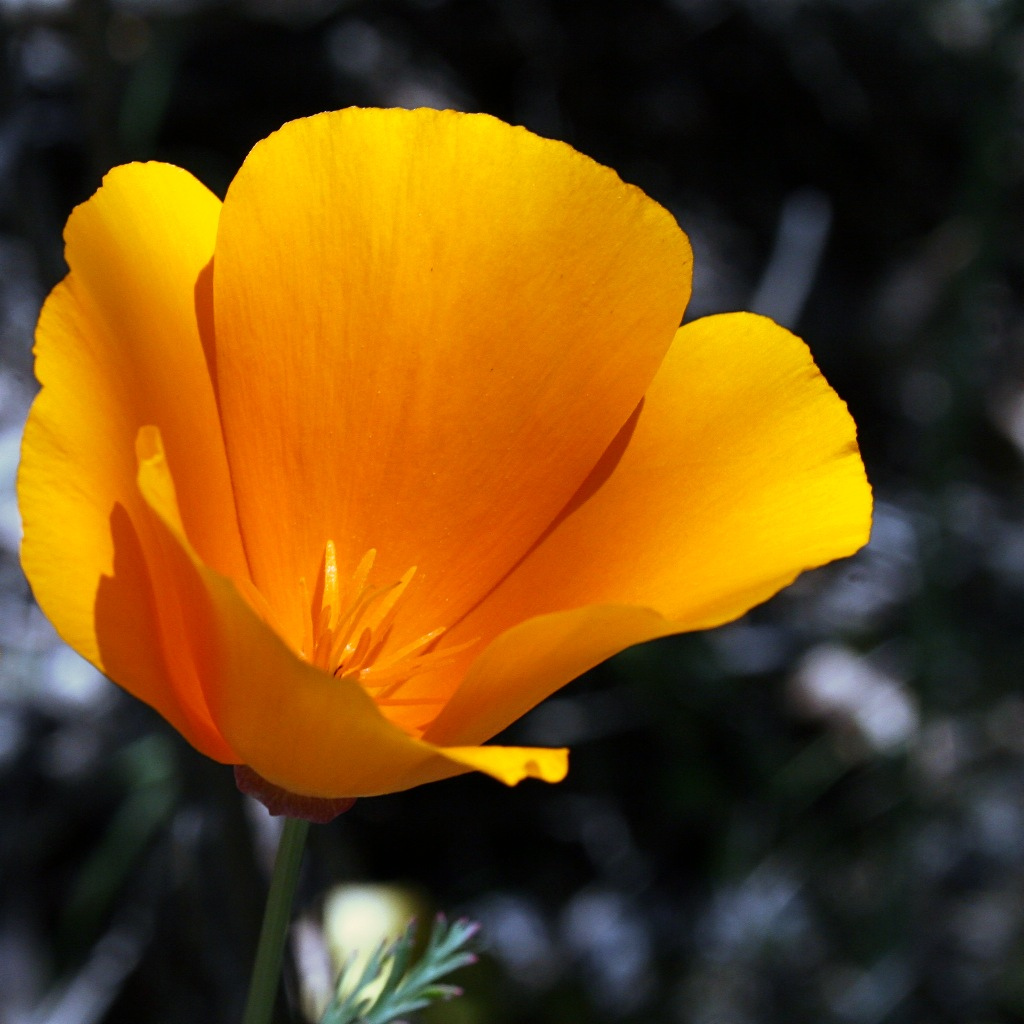
The official state flower of California is the California Poppy, scientifically known as Eschscholzia californica. This striking flower, with its vibrant orange and gold hues, perfectly reflects the state’s nickname, the “Golden State,” and is deeply woven into its cultural fabric.
The California Poppy: A Symbol of the Golden State
The California Poppy stands as more than just a beautiful flower; it is a potent symbol of resilience, beauty, and the pioneering spirit of California. Its designation as the state flower in 1903 was a tribute to its widespread presence and its significant role in the state’s landscape and lore. Its cheerful disposition and ability to thrive in diverse environments, from coastal areas to arid deserts, embody the adaptability and enduring appeal of California itself. Tourists often seek out this flower not just for its aesthetic appeal, but as a tangible connection to the state’s natural heritage and a symbol of its enduring golden promise.
Characteristics and Appearance
The California Poppy is easily recognizable by its cup-shaped petals, which typically display brilliant shades of orange, yellow, and sometimes creamy white. These vibrant blossoms sit atop slender, grayish-green stems, and its feathery, fern-like foliage adds to its delicate charm. The flowers are heliotropic, meaning they open with the morning sun, tracking its movement throughout the day, and then close again in the evening or on cloudy days, a fascinating characteristic that adds to its allure for nature observers. Growing to a height of about 12 to 24 inches, these poppies can carpet entire fields, transforming landscapes into breathtaking tapestries of gold, particularly during their peak blooming season. This natural phenomenon offers a spectacular visual feast for visitors, making poppy-viewing a popular seasonal activity.
A Brief History of its Designation
The journey of the California Poppy to becoming the official state flower began with its widespread admiration and recognition across California. Prior to its official designation, various local organizations and citizens championed its cause, advocating for a flower that truly represented the state’s unique flora. In 1903, after considerable debate and public support, the state legislature formally adopted Eschscholzia californica as the state flower. This decision was not merely botanical; it was a cultural embrace, solidifying the poppy’s status as a symbol of California’s natural wealth and distinct identity. For tourists interested in California’s historical milestones, understanding the context of this designation offers a deeper appreciation for the state’s commitment to preserving and celebrating its natural heritage.
Cultural Significance and Local Lore
Beyond its official status, the California Poppy holds a rich tapestry of cultural significance, deeply rooted in the state’s indigenous history and continuing to inspire contemporary art and conservation efforts. Exploring this cultural dimension provides a deeper, more meaningful tourist experience.
Indigenous Roots and Traditional Uses
Long before European settlers arrived, the indigenous peoples of California revered the poppy. Various Native American tribes, including the Pomo and Miwok, utilized the plant for both medicinal and culinary purposes. Its leaves were sometimes cooked and eaten, and different parts of the plant were used in traditional remedies for ailments like toothaches, headaches, and as a mild sedative. The poppy’s vibrant color also held spiritual significance, often associated with gold and prosperity. For tourists interested in understanding the deeper historical and cultural layers of California, learning about these indigenous connections offers a powerful insight into the enduring relationship between the land and its first inhabitants. Visiting historical sites or museums focused on Native American culture can often provide more context on these traditional uses and beliefs.
Modern-Day Symbolism and Artistic Inspiration
In contemporary California, the poppy continues to be a profound source of inspiration for artists, designers, and conservationists. Its distinctive form and color frequently appear in local art, jewelry, and crafts, serving as a popular motif that instantly evokes the spirit of the Golden State. From murals adorning city walls in Los Angeles and San Francisco to intricate designs on pottery and textiles found in local markets, the poppy’s influence is ubiquitous. For those seeking authentic California souvenirs, poppy-themed items are a wonderful way to take a piece of the state’s natural beauty home. Its symbolism has also evolved, representing not just beauty but also the state’s commitment to environmentalism and the protection of its unique biodiversity.
Connecting with California’s Natural Heritage
The California Poppy serves as a crucial link to the state’s broader natural heritage. Its presence reminds residents and visitors alike of the importance of native flora and the delicate ecosystems that thrive across California’s diverse landscapes. Observing the poppy in its natural habitat encourages responsible tourism and fosters an appreciation for conservation. Many environmental education programs and nature centers, especially those near poppy fields, use the flower as a focal point to teach about biodiversity, native plant life, and ecological preservation. Engaging with these educational opportunities provides tourists with a deeper understanding of California’s environmental challenges and successes.
Where to Witness the Poppy’s Splendor: Tourist Hotspots and Natural Preserves
For many tourists, the highlight of learning about the California Poppy is the opportunity to see vast fields of these golden flowers in bloom. California offers several spectacular locations where this natural phenomenon can be experienced, making poppy-viewing a premier seasonal activity.
Antelope Valley California Poppy Reserve: A Must-Visit Destination
Undoubtedly, the most famous and spectacular place to witness the California Poppy in its full glory is the Antelope Valley California Poppy Reserve in Northern Los Angeles County. Located near the cities of Lancaster and Palmdale, this state natural reserve is specifically dedicated to the preservation of the poppy and other native wildflowers. During peak season, typically from March to May, the reserve transforms into an undulating carpet of vibrant orange, yellow, and purple blooms. Well-maintained hiking trails wind through the fields, offering myriad vantage points for photography and quiet contemplation. The reserve also features a visitor center that provides valuable information about the poppies, local wildlife, and the history of the area, enriching the tourist experience. A trip here is not just a viewing; it’s an immersive experience in California’s natural splendor.
Other Prime Viewing Locations Across California
While the Antelope Valley California Poppy Reserve is iconic, beautiful displays of California Poppies can be found in various regions across the state, depending on rainfall and local conditions.

- Southern California Deserts: Areas near Joshua Tree National Park and Anza-Borrego Desert State Park can experience impressive wildflower blooms, including poppies, after significant winter rains. These desert blooms are particularly magical against the stark landscape.
- Central Valley: The San Joaquin Valley and surrounding foothills, especially near cities like Bakersfield and Sacramento, can also burst with poppies in good years.
- Coastal Regions: Poppies can be found along various stretches of the California coast, including parts of Point Reyes National Seashore in Northern California and in the hills around Santa Barbara. Even urban parks like Golden Gate Park in San Francisco often feature cultivated patches of poppies.
- Mojave Desert and Death Valley National Park: While more sporadic, superblooms in these regions can be truly epic, attracting visitors from around the globe.
It’s advisable for tourists to check local wildflower reports before planning a trip, as bloom times and intensity can vary greatly year to year based on weather patterns.
Best Time to Plan Your Poppy-Viewing Trip
The prime time for witnessing the California Poppy bloom is typically from mid-March through May, though this can fluctuate based on specific locations and annual rainfall. In years with abundant winter rains, known as “superbloom” years, the displays can be exceptionally vibrant and prolonged. For the best experience, aim for sunny days, as the poppies tend to open fully in warmth and light. Mornings are often ideal, offering soft light for photography and cooler temperatures for exploring. Always check the official websites of reserves or state parks for the latest bloom updates before your visit to ensure you catch the poppies at their peak.
Engaging with the Poppy: Activities and Etiquette for Visitors
Experiencing the California Poppy firsthand offers more than just a visual treat; it presents opportunities for engaging activities and requires a commitment to responsible tourism to preserve these natural wonders for future generations.
Photography Tips for Capturing the Golden Fields
The vast, vibrant fields of California Poppies are a dream for photographers. To capture their beauty effectively, consider these tips:
- Golden Hour: The soft, warm light during sunrise and sunset (the “golden hour”) beautifully illuminates the poppies, enhancing their color and creating stunning photographic opportunities.
- Low Angle: Get down low to capture the poppies against the sky, creating a sense of immersion within the fields.
- Macro Shots: Don’t forget to get close and capture the intricate details of individual flowers.
- Incorporate a Subject: A person (respectfully staying on trails) or a distant landmark can add scale and interest to your landscape shots.
- Drone Photography (where permitted): For truly breathtaking aerial views, if allowed and with proper permits, drones can capture the immense scale of the poppy fields.
Remember to always stay on designated paths and avoid trampling the flowers, which is crucial for their preservation.
Responsible Tourism: Preserving the Natural Beauty
Protecting the delicate ecosystems where poppies thrive is paramount. Responsible tourism is not just a recommendation; it’s a necessity.
- Stay on Trails: This is the most critical rule. Walking off designated paths can crush plants, compact soil, and disturb wildlife. “Superbloom selfies” have unfortunately led to significant damage in some areas.
- Leave No Trace: Pack out everything you pack in, including all trash. Do not pick the flowers, as it is illegal to pick state flowers on public lands and detrimental to their ability to reseed.
- Respect Wildlife: Poppy fields are home to various insects and small animals. Observe them from a distance and do not disturb them.
- No Drones (unless explicitly permitted): Check regulations for specific reserves, as drones can disturb wildlife and other visitors.
- Educate Others: Gently remind fellow visitors about responsible behavior if you see them inadvertently causing harm.
By adhering to these principles, visitors contribute to the long-term health and beauty of California’s natural landscapes.
Local Festivals and Events Celebrating the Poppy
Many California communities embrace the poppy’s bloom with local festivals and events, offering unique cultural experiences for tourists. For instance, the city of Lancaster, near the Antelope Valley California Poppy Reserve, hosts the annual California Poppy Festival, typically in April. This family-friendly event features live music, arts and crafts vendors, food stalls, educational exhibits about the poppy and local environment, and children’s activities. Such festivals provide a wonderful opportunity to immerse oneself in local culture, interact with residents, and celebrate the state flower in a festive atmosphere. Checking local tourism boards for “wildflower festivals” can unveil these charming community events.
Beyond the Bloom: Integrating the Poppy into Your California Experience
The California Poppy’s influence extends far beyond its blooming season, offering various ways for tourists to connect with California’s culture and natural environment year-round.
Poppy-Inspired Souvenirs and Crafts
For those looking to take a piece of California home, poppy-inspired souvenirs are a popular choice. From delicate jewelry featuring poppy designs to handcrafted ceramics, paintings, and textiles, local artisans frequently incorporate the state flower into their creations. These items are available in gift shops at state parks and reserves, as well as in boutiques and art markets across cities like San Francisco, Los Angeles, San Diego, and Pasadena. Purchasing these souvenirs not only provides a lasting memento but also supports local artists and the regional economy. Furthermore, many nurseries sell poppy seeds, allowing visitors to grow a piece of California in their own gardens, though it’s important to respect local regulations on introducing non-native species.
Educational Opportunities for All Ages
The California Poppy serves as an excellent gateway for environmental education. Visitor centers at locations like the Antelope Valley California Poppy Reserve offer interpretive displays, guided walks, and educational programs that delve into the ecology of the poppy, its role in the ecosystem, and broader conservation efforts. Many state parks and nature preserves across California incorporate information about native wildflowers, including the poppy, into their educational materials. These opportunities are fantastic for families and curious travelers of all ages, providing insightful learning experiences that go beyond mere sightseeing. Schools in California also frequently use the poppy as a symbol to teach children about state history and local ecology, further cementing its cultural significance.
The Poppy’s Role in California’s Unique Ecosystem
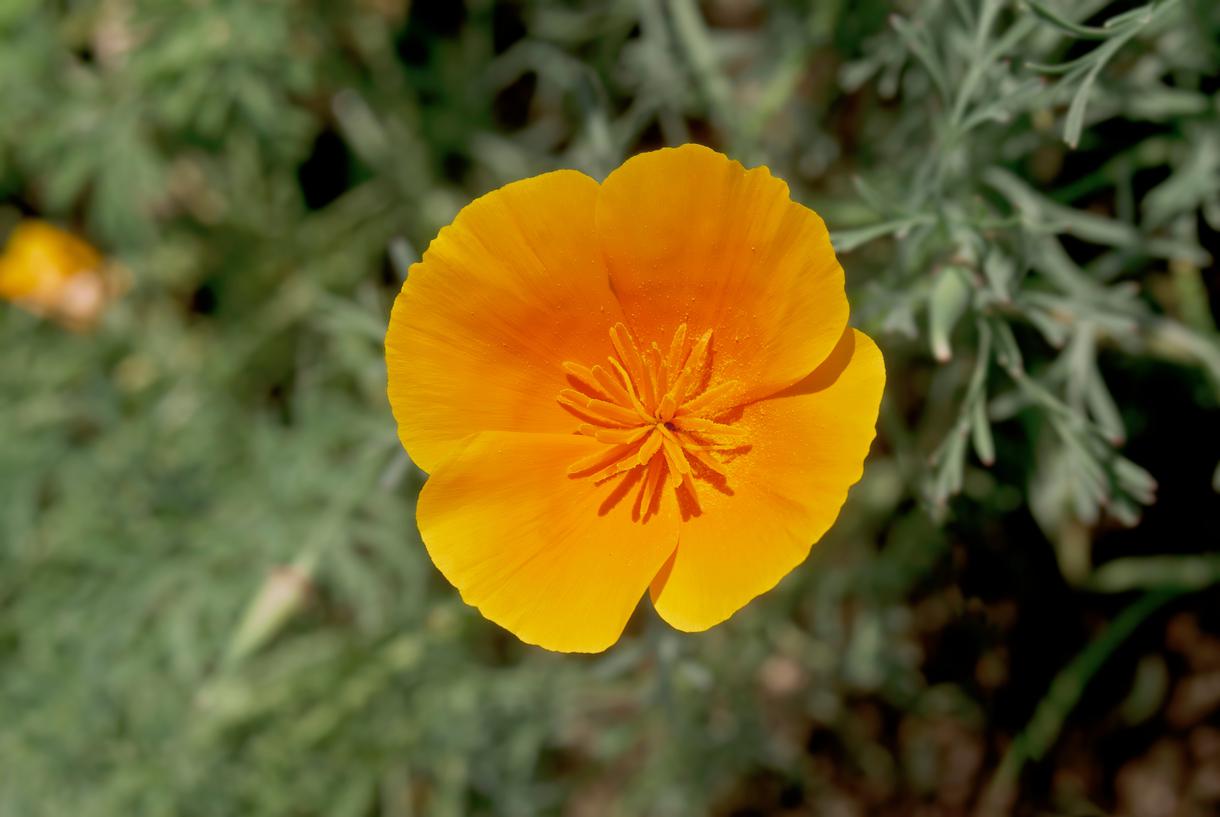
Understanding the California Poppy’s place within the state’s diverse ecosystem deepens one’s appreciation for its significance. As a native plant, it plays a vital role in supporting local wildlife, providing nectar for pollinators like bees and butterflies, and seeds for birds and small mammals. Its presence often indicates healthy, native grassland or chaparral ecosystems. The poppy’s ability to thrive in poor soils and its self-seeding nature contribute to its ecological resilience. For eco-tourists and nature enthusiasts, observing the poppy’s interactions within its natural environment offers a profound connection to California’s biodiversity, emphasizing the importance of protecting these unique habitats against development and climate change.
In conclusion, the California Poppy is far more than just a flower; it is a vibrant emblem that embodies the spirit, history, and natural splendor of the Golden State. For any tourist planning a visit to California, understanding its state flower enriches the travel experience, offering pathways to explore local culture, engage in breathtaking activities, and contribute to responsible tourism that preserves this golden treasure for generations to come. Whether marveling at a superbloom in the Antelope Valley or admiring a poppy-inspired artwork in a city gallery, the state flower is an enduring reminder of California’s unique charm.
LifeOutOfTheBox is a participant in the Amazon Services LLC Associates Program, an affiliate advertising program designed to provide a means for sites to earn advertising fees by advertising and linking to Amazon.com. Amazon, the Amazon logo, AmazonSupply, and the AmazonSupply logo are trademarks of Amazon.com, Inc. or its affiliates. As an Amazon Associate we earn affiliate commissions from qualifying purchases.