
Jury duty represents one of the most fundamental civic responsibilities in the United States. It’s a cornerstone of the justice system, ensuring that every citizen has the right to be judged by a jury of their peers. For residents of Texas, receiving a summons for jury service can evoke a mix of emotions – pride in fulfilling a civic duty, curiosity about the legal process, and perhaps, a degree of apprehension about the disruption to their daily routine and, critically, their financial lifestyle. A common and entirely valid question that arises is: “How much does jury duty pay in Texas?” Understanding the compensation for jury service is essential for effective financial planning and managing the practicalities of an unexpected, albeit temporary, change to one’s professional and personal life.

This comprehensive guide delves into the specifics of juror compensation in Texas, exploring the varying pay scales for state and federal courts, discussing additional reimbursements, and examining the broader lifestyle impact of fulfilling this vital role. By demystifying the financial aspects of jury duty, we aim to equip Texans with the knowledge needed to navigate their service with confidence and clarity, ensuring that their civic commitment is as financially manageable as possible.
Understanding Jury Duty in Texas: A Civic Lifestyle Element
Before diving into the monetary details, it’s crucial to understand the framework of jury service in Texas. This civic obligation, while potentially disruptive, is an integral part of maintaining a just and equitable society, directly impacting the quality of life and legal protections available to all citizens.
The Call to Service: Who, What, Why
Jury duty serves as the mechanism by which justice is administered fairly. It ensures that legal disputes and criminal charges are decided by ordinary citizens, reflecting community standards and values, rather than solely by legal professionals. For many, serving on a jury is a rare opportunity to directly participate in the democratic process and contribute to the well-being of their community. The “why” behind jury duty is deeply rooted in the principles of justice and democracy, making it a powerful, albeit temporary, shift in one’s personal lifestyle focus.
Eligibility and Exemptions
In Texas, to be eligible for jury service, a person must meet several criteria: they must be a citizen of the United States and of Texas; be at least 18 years of age; be of sound mind and good moral character; be able to read and write; and not have been convicted of a felony or theft. Additionally, they must not be under indictment or any other legal accusation of a felony or misdemeanor theft.
While most eligible citizens are expected to serve, Texas law provides several exemptions. These include individuals over 75 years of age, those with legal custody of a child under 12 who would require supervision, full-time high school or college students, individuals solely responsible for the care of an incapacitated person, and those who have served as a juror in the preceding 2-3 years (depending on court type). These exemptions acknowledge various lifestyle circumstances that might make jury service unduly burdensome, offering a degree of flexibility for eligible citizens.
The Initial Summons: Your First Step
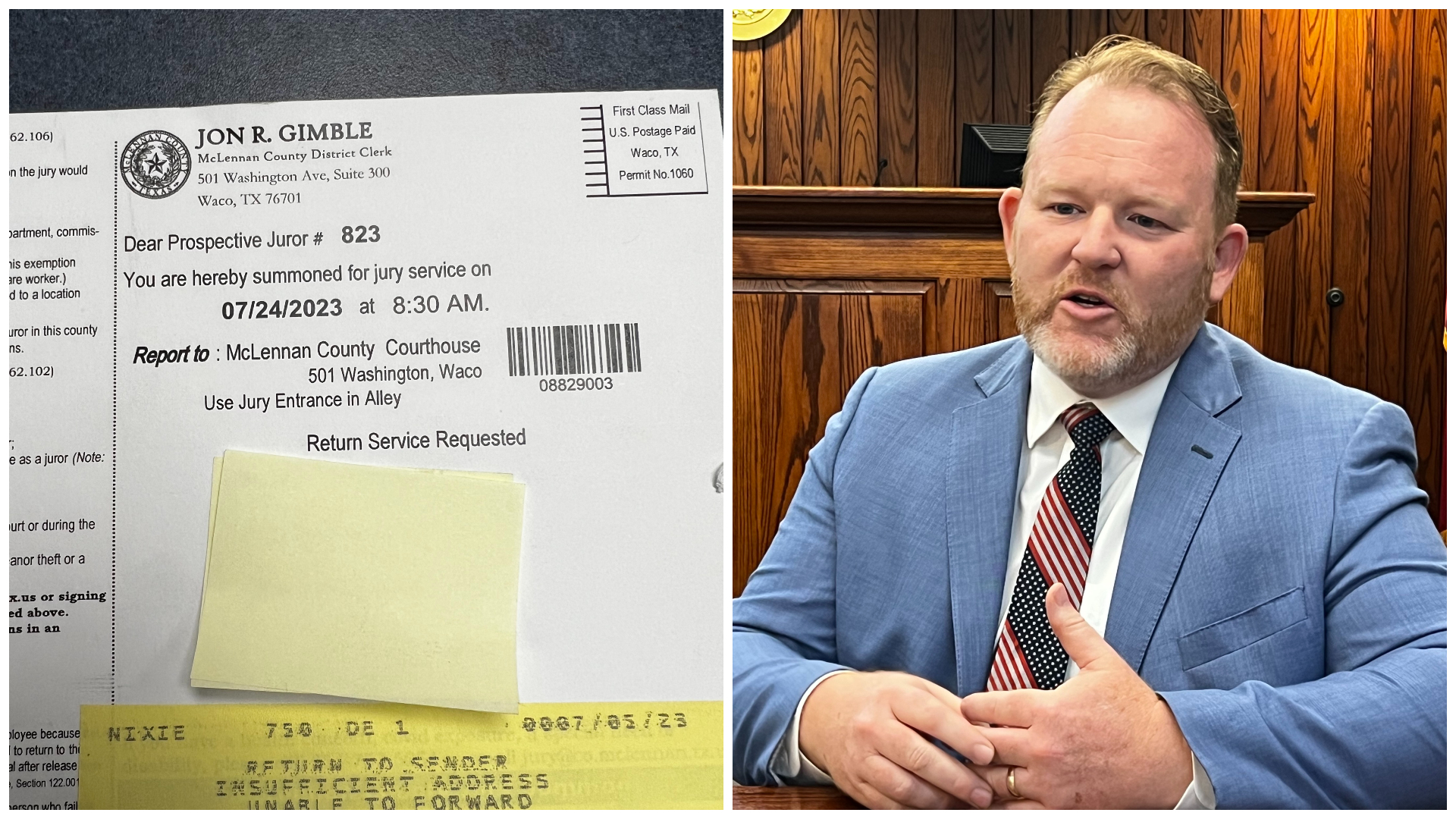
The journey begins with a jury summons, typically sent by mail. This official document will outline the date, time, and location for reporting, along with instructions on how to respond. It’s imperative to take this summons seriously, as failure to respond can result in legal penalties. The summons also usually provides initial information about compensation, which can help individuals start to plan for the financial implications of their service.
Decoding Juror Compensation: Financial Insights for Texans
The most pressing question for many potential jurors is about the financial compensation. The pay structure for jury duty in Texas varies significantly between state and federal courts, and even within the state system, there can be minor differences.
State Court Remuneration: The Basics
For most individuals serving jury duty in Texas, their service will be in a state court, which includes District Courts, County Courts, Justice Courts, and Municipal Courts. The compensation for state jury duty is generally modest. According to Texas law, jurors typically receive:
- $6 for the first day of service. This initial amount is often for the jury selection process.
- $40 for each subsequent day of service if selected to serve on a jury for a trial.
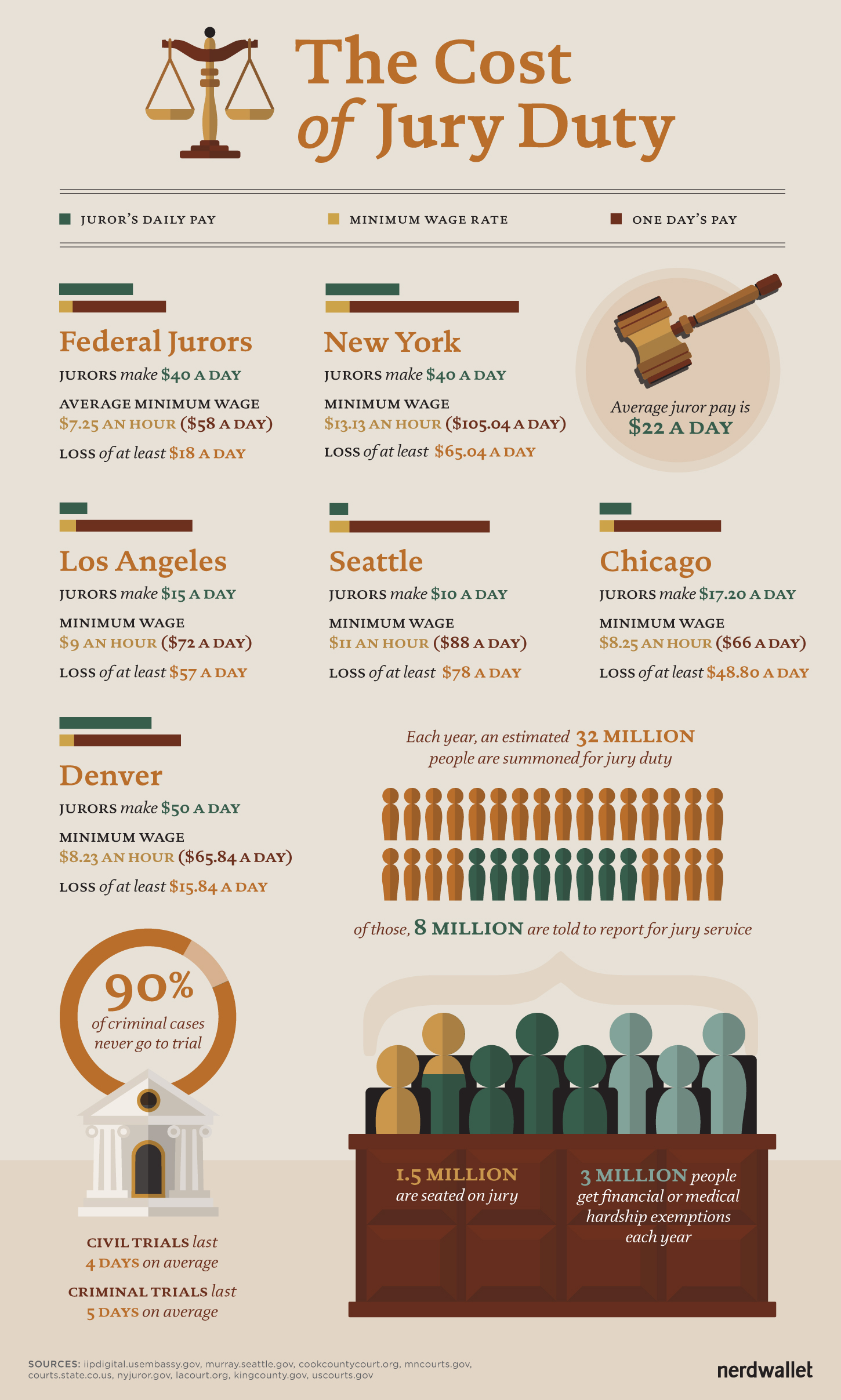
It’s important to note that this payment is not intended to replace a juror’s regular income but rather to provide a small stipend for their time and effort. For many, especially those who are self-employed or work hourly wages without paid leave, this differential can have a noticeable impact on their financial lifestyle during the period of service.
Federal Court Remuneration: A Different Scale
Jury service in a Federal Court within Texas offers a higher rate of compensation. Federal Court jurors typically receive $50 per day for their service. This rate applies for both grand jury and petit jury service. While still not a full replacement for lost wages for many professionals, this higher federal rate does offer a somewhat more substantial cushion for those called to federal service, making the financial impact less severe on their daily lifestyle budget.
County-Specific Nuances: Local Variations
While the statewide minimums for Texas state courts are set, some counties may offer slightly different payment structures or additional local reimbursements, though this is less common for the daily stipend itself and more for travel. It’s always advisable to consult the specific instructions provided in your jury summons or check the website of the relevant local court (e.g., your County Court or District Court) for the most precise and up-to-date information regarding juror compensation in your area. This due diligence ensures that individuals are fully aware of the financial landscape they will encounter.
Beyond the Per Diem: Comprehensive Financial Considerations
Juror compensation isn’t solely limited to the daily rate. Several other financial aspects, including reimbursements and employer policies, play a significant role in mitigating the lifestyle impact of jury service.
Travel and Parking Reimbursements
For those serving in Federal Courts, mileage reimbursement is generally provided for travel from a juror’s home to the courthouse, calculated at the prevailing government rate. Federal Courts may also reimburse for tolls and public transportation costs.
In Texas state courts, mileage reimbursement varies by county and court type. Some counties offer a mileage allowance, while others do not. Parking fees are another variable; some courthouses may provide validated parking or have agreements with nearby garages, while others may require jurors to pay for their own parking. These seemingly minor costs can accumulate, significantly impacting a juror’s net compensation, particularly for those living further from urban centers. Understanding these potential expenses is crucial for accurate financial planning during service.
Food and Accommodation During Extended Service
Most jury service periods are relatively short, lasting only a few days to a week. However, complex trials can extend for weeks or even months. During extended service, particularly in Federal Courts, jurors may be provided with meal allowances or even lodging if sequestration is required. In Texas state courts, jurors are typically responsible for their own meals during lunch breaks, though the court might make arrangements for jurors to eat together and provide for the cost in certain circumstances. The availability of these provisions can greatly affect a juror’s daily expenses and overall financial lifestyle during their commitment.
Employer Policies and Income Protection
One of the most significant factors affecting a juror’s financial lifestyle during service is their employer’s policy. Texas law prohibits employers from firing or discriminating against an employee for serving jury duty. However, Texas law does not require employers to pay an employee’s salary during jury service. Many employers, especially larger companies, offer paid jury leave, which significantly alleviates the financial burden. Others may require employees to use vacation days, sick leave, or take unpaid leave. It is highly advisable for any summoned individual to communicate with their employer as soon as they receive a summons to understand their company’s specific policy on jury duty pay. This proactive step is vital for managing personal finances and ensuring a smooth transition back to work after service.
The Practical Lifestyle Impact of Jury Service
While the monetary compensation might seem minimal, the broader lifestyle impact of jury service extends beyond just the daily stipend. It touches upon budgeting, financial planning, and even community engagement.
Budgeting for Unexpected Absences
For individuals living paycheck to paycheck, or those with significant financial obligations, even a short period of unpaid or minimally paid jury duty can pose a challenge. It necessitates a temporary adjustment to one’s budget, prioritizing essential expenses and potentially delaying discretionary spending. Preparing for this possibility by maintaining an emergency fund or setting aside some savings can significantly ease the financial stress associated with civic duty. This preparedness is a hallmark of a robust personal financial lifestyle.
Financial Planning and Discretionary Spending
The compensation from jury duty is unlikely to fund a luxury getaway or a significant purchase. Instead, it typically serves to offset minor daily costs incurred during service (like transportation or incidentals) or to partially mitigate lost wages. For those who rely on every dollar of their income, jury duty might mean temporarily cutting back on non-essential expenditures, influencing their capacity for leisure, dining out, or other lifestyle choices. Understanding this reality helps manage expectations and facilitates better short-term financial adjustments.
The Broader Economic Ripple Effect for Residents
On a larger scale, the system of jury compensation reflects a societal balance between civic responsibility and personal economic realities. While a higher daily pay might encourage greater participation, it also places a greater financial burden on the state or federal budget. The current structure, particularly in Texas state courts, often means that the true cost of jury service is borne significantly by the individual juror and their employer. This interplay affects the overall economic lifestyle of a community, influencing how readily citizens can take time away from work for civic engagement.
Navigating Your Jury Duty Experience: Tips for a Seamless Lifestyle Integration
Being summoned for jury duty doesn’t have to be a source of stress. With proper preparation and understanding, it can be a manageable, even enriching, experience that integrates smoothly into your overall lifestyle.
Preparing Mentally and Logistically
Once you receive your summons, start planning. Research the courthouse location, parking options, and public transport routes. Consider what you’ll need to bring for long waits: a book, a fully charged phone, or work that doesn’t require internet access. Mentally prepare for the possibility of a several-day commitment and the emotional intensity that can come with participating in the legal process.
Communicating with Your Employer and Family
As mentioned, timely communication with your employer about your jury summons is critical. Understand their policies regarding pay and absence. Similarly, inform your family about your potential absence and make arrangements for childcare or other family responsibilities. Having a support system in place minimizes disruptions to your home life and allows you to focus on your civic responsibility.
Making the Most of Your Civic Contribution
Beyond the financial considerations, jury duty offers a unique insight into the justice system and a profound opportunity to contribute to your community. Approach the experience with an open mind, engage thoughtfully, and appreciate the vital role you play in upholding justice. While the pay might not make you rich, the experience of active citizenship can be invaluable, enriching your understanding of societal functions and your place within them, ultimately contributing to a more informed and engaged personal lifestyle. By understanding “How Much Does Jury Duty Pay In Texas,” along with its broader implications, you can fulfill your civic duty with confidence and minimal financial disruption.
LifeOutOfTheBox is a participant in the Amazon Services LLC Associates Program, an affiliate advertising program designed to provide a means for sites to earn advertising fees by advertising and linking to Amazon.com. Amazon, the Amazon logo, AmazonSupply, and the AmazonSupply logo are trademarks of Amazon.com, Inc. or its affiliates. As an Amazon Associate we earn affiliate commissions from qualifying purchases.