
The glittering allure of the Las Vegas Strip is a siren song for travelers seeking entertainment, luxury, and a taste of the extraordinary. Among the iconic resorts that define this vibrant stretch of Nevada desert, Treasure Island Casino Las Vegas stands out with its unique pirate-themed experience and prime location. But as visitors marvel at the majestic “TI” ship or try their luck on the casino floor, a common question arises: Who actually owns Treasure Island Casino Las Vegas? Delving into the ownership history reveals a fascinating journey through the evolution of this prominent Las Vegas landmark, reflecting shifts in the city’s gaming and hospitality landscape.
A History of Ownership: From Billionaires to Strategic Acquisitions
Treasure Island, affectionately known as TI, has had a notable lineage of ownership since its grand opening in 1993. Understanding these transitions provides valuable insight into the business strategies and market dynamics that have shaped the property and, by extension, the broader Las Vegas tourism sector.
The Vision of Steve Wynn
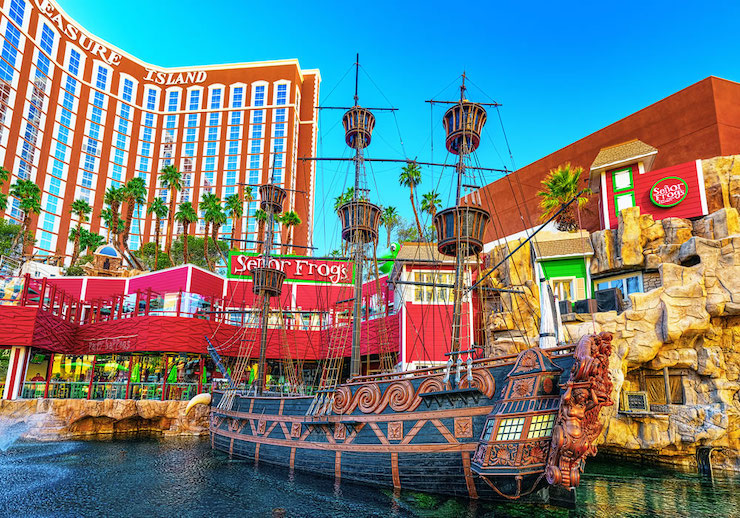
The genesis of Treasure Island Casino Las Vegas lies with one of the most influential figures in modern Las Vegas history: Steve Wynn. As the visionary behind Mirage Resorts, Wynn conceived and developed Treasure Island as a more family-oriented, yet still sophisticated, alternative to his other properties. The resort’s distinctive pirate theme, complete with a nightly cannon battle at Buccaneer Bay, was a deliberate strategy to attract a wider demographic, including families, which was somewhat revolutionary for the Strip at the time. Wynn’s innovative approach to resort design and entertainment programming set a new standard for the industry.
Mirage Resorts Era
Under the umbrella of Mirage Resorts, Treasure Island flourished. Wynn’s Midas touch was evident in the resort’s immediate success. The property was designed to be immersive, offering a complete escape for its guests. Beyond the casino, it boasted a wide array of dining options, a bustling retail component, and the signature pirate show that became a must-see attraction for many visitors to Las Vegas. The success of Treasure Island further solidified Steve Wynn’s reputation as a master developer of integrated resorts.
The MGM MIRAGE Acquisition
The landscape of Las Vegas tourism and accommodation is often characterized by significant consolidation. In 2000, a monumental shift occurred when MGM MIRAGE acquired Mirage Resorts, including Treasure Island. This acquisition was one of the largest in the history of the gaming industry and dramatically reshaped the Strip, bringing iconic properties under a single corporate banner. For Treasure Island, this meant becoming part of a much larger portfolio, managed by a company renowned for its extensive gaming and hospitality operations.
Integration into a Gaming Giant
As part of MGM MIRAGE (later rebranded as MGM Resorts International), Treasure Island experienced a period of integration into a vast operational network. While its unique pirate theme remained a core identity, the resort benefited from the parent company’s extensive marketing reach, operational efficiencies, and vast resources. During this time, the focus remained on delivering a compelling entertainment and gaming experience to guests, drawing on the strengths of its established brand.
Phil Ruffin and the Independent Era
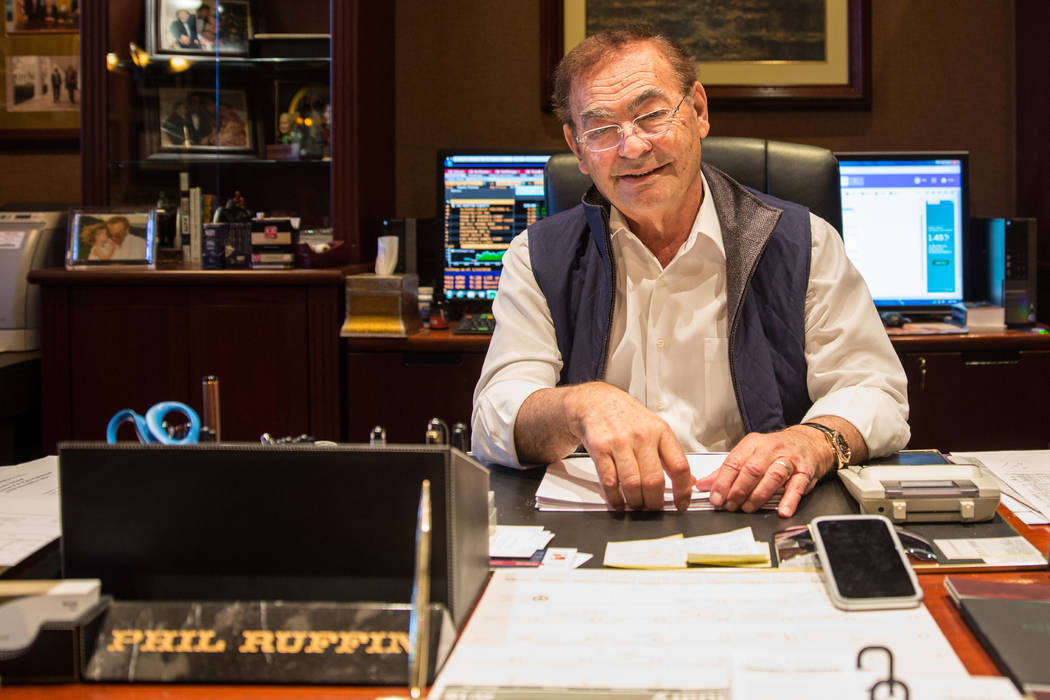
A significant turning point in Treasure Island’s ownership narrative came in 2009 when Phil Ruffin, a prominent businessman and casino owner, purchased the resort from MGM MIRAGE. This acquisition marked a return to more independent ownership for Treasure Island, allowing it to carve out its specific niche once again without being directly part of the larger corporate structure of MGM Resorts International.
Strategic Vision Under Ruffin
Under Phil Ruffin’s ownership, Treasure Island has continued to evolve, focusing on maintaining its appeal as a mid-tier resort with a strong value proposition. Ruffin, who also owns the nearby Circus Circus Las Vegas, has aimed to enhance the guest experience by focusing on core offerings, including its casino, diverse dining options, and entertainment. The resort has undergone renovations and updates to keep its amenities modern and attractive to the millions of tourists who visit Las Vegas annually.
The strategy under Ruffin has emphasized the resort’s established identity while adapting to contemporary traveler preferences. This includes maintaining its competitive pricing and unique atmosphere. The independence allows for more agile decision-making regarding property upgrades, marketing campaigns, and the development of new attractions or events tailored to its specific audience. This period of ownership has seen Treasure Island solidify its position as a well-loved destination, known for its affordability and distinctive character on the Las Vegas Strip.
Treasure Island’s Place in the Las Vegas Tourism Ecosystem
The ownership of Treasure Island Casino Las Vegas is intrinsically linked to its role within the broader tourism and travel landscape of Las Vegas. As a property that offers both accommodation and a full spectrum of entertainment, it caters to various traveler segments, influencing and being influenced by the trends in the hotels, attractions, and lifestyle sectors.
A Hub for Accommodation and Entertainment
Treasure Island Casino Las Vegas is more than just a casino; it’s a complete resort destination. Its hotels division offers a range of rooms and suites designed to provide comfortable and engaging stays for visitors. The convenience of having gaming, dining, shopping, and entertainment all under one roof makes it an attractive option for those seeking a hassle-free travel experience. The resort’s layout and offerings are designed to maximize guest engagement, encouraging them to spend more time and money within its premises, a key strategy in the competitive Las Vegas market.
The pirate theme, while perhaps less prominent than in its early days, still imbues the resort with a unique charm that distinguishes it from other resorts on the Strip. This distinctiveness is a critical element in its attractions and experiences offering, drawing in visitors who are looking for something beyond the standard glitz and glamour. The food and drink options available at Treasure Island cater to a wide array of tastes and budgets, further enhancing its appeal as a comprehensive destination.

Catering to Diverse Travel Lifestyles
Treasure Island’s ownership history and its evolution reflect its ability to adapt to various lifestyle travel trends. Whether it’s budget travel seeking value without sacrificing experience, family trips looking for entertainment options suitable for all ages, or even business stays requiring convenient access and amenities, Treasure Island aims to provide a compelling offering. The resort’s positioning often appeals to travelers who appreciate a classic Las Vegas experience with a touch of nostalgia and a focus on entertainment.
The resort’s location on the Las Vegas Strip places it within easy reach of other major attractions, landmarks, and resorts, making it a convenient base for exploring the city. Visitors can easily access shows, restaurants, and shopping across the street or a short drive away. This accessibility is a significant factor for any accommodation choice, and Treasure Island capitalizes on its prime positioning to serve a broad spectrum of tourists.
In conclusion, understanding who owns Treasure Island Casino Las Vegas is to understand a part of the dynamic narrative of Las Vegas tourism. From the visionary beginnings under Steve Wynn to its integration into a gaming giant and its current independent operation under Phil Ruffin, the resort has consistently adapted to remain a vibrant and relevant player in the world’s most famous entertainment capital. Its ownership is a testament to the ongoing evolution of the travel, hotels, tourism, accommodation, landmarks, and lifestyle industries that define the allure of this desert oasis.
LifeOutOfTheBox is a participant in the Amazon Services LLC Associates Program, an affiliate advertising program designed to provide a means for sites to earn advertising fees by advertising and linking to Amazon.com. Amazon, the Amazon logo, AmazonSupply, and the AmazonSupply logo are trademarks of Amazon.com, Inc. or its affiliates. As an Amazon Associate we earn affiliate commissions from qualifying purchases.