
California, a global beacon for travelers, owes a significant, often unseen, debt to federal investment. While direct tourism grants are not typically the largest line item, federal funding permeates the state’s infrastructure, natural attractions, and cultural institutions, creating the very ecosystem that draws millions of visitors annually. Understanding the scope of this federal support is crucial to appreciating the resilience and allure of the Golden State‘s tourism sector, impacting everything from national parks to urban mobility.
The Unseen Hand: Federal Investment in California’s Tourism Infrastructure
The journey of a tourist to, from, and within California is profoundly shaped by federally funded infrastructure. These critical arteries and hubs are not solely for tourism, yet they are indispensable to its flourishing. Federal dollars, primarily channeled through departments such as the Department of Transportation and the Department of the Interior, underpin much of the state’s capacity to host and move its visitors.

Roads, Rails, and Runways: Connecting Visitors to Destinations
Highways, bridges, airports, and public transit systems receive substantial federal funding, ensuring seamless travel for tourists. The Federal Highway Administration, for instance, provides billions to states annually for highway construction and maintenance, including interstate highways that traverse California and connect major tourist destinations like Los Angeles, San Francisco, and San Diego. These funds facilitate scenic drives along the Pacific Coast Highway and access to remote natural wonders.
Similarly, federal grants through the Federal Aviation Administration (FAA) support major airports such as Los Angeles International Airport (LAX), San Francisco International Airport (SFO), and San Diego International Airport. These funds are vital for runway improvements, air traffic control systems, and terminal expansions, enhancing capacity and passenger experience for both domestic and international tourists. The efficiency and safety of air travel, crucial for California’s global appeal, are directly tied to this federal investment. Beyond air and road, federal contributions to Amtrak and local public transit initiatives also provide eco-friendly and convenient travel options for tourists exploring urban centers and connecting regional attractions.
Safeguarding Natural Wonders: Funding for National Parks
California is home to some of America’s most iconic national parks, including Yosemite National Park, Sequoia National Park, Joshua Tree National Park, and Death Valley National Park. These natural treasures, managed by the National Park Service (a federal agency), are almost entirely federally funded. The annual budget allocated to the National Park Service directly impacts the visitor experience through trail maintenance, ranger programs, visitor centers, campgrounds, and environmental conservation efforts.
Federal appropriations ensure that millions of tourists can safely and sustainably explore ancient redwood forests, towering granite cliffs, vast deserts, and pristine coastlines. Without this consistent federal commitment, the preservation of these ecological marvels and the infrastructure supporting visitor access—such as roads within the parks and interpretive signage—would be severely hampered, significantly diminishing California’s appeal as a nature tourism destination. The Land and Water Conservation Fund, a federal program, also plays a critical role in acquiring new lands and protecting existing natural areas, often adding to the recreational and tourism opportunities.
Boosting Local Economies: Federal Support for Cultural and Heritage Tourism
Beyond natural landscapes, California’s rich tapestry of history, arts, and culture draws a substantial number of tourists. Federal funding mechanisms, while not always labeled “tourism grants,” provide essential lifelines to institutions and sites that are central to the state’s cultural tourism offerings. These investments not only preserve history but also foster vibrant communities that are attractive to visitors.
Preserving History: Grants for Historic Sites
Federal agencies like the National Endowment for the Humanities and the National Park Service’s Historic Preservation Fund offer grants to preserve historic buildings, sites, and cultural landscapes. In California, this translates to support for missions, Gold Rush towns, historic lighthouses, and significant urban districts. For instance, grants might fund the restoration of a landmark in San Francisco, allowing tourists to step back in time and engage with the city’s unique past.

The federal designation of National Historic Landmarks and National Register of Historic Places also brings with it opportunities for federal grants and tax incentives that encourage the preservation and adaptive reuse of historic properties. These properties often become museums, boutique hotels, or cultural centers, directly contributing to local tourism economies and enriching the visitor experience with authentic historical narratives.
Promoting Arts and Culture: Economic Development through Creative Industries
Federal agencies like the National Endowment for the Arts (NEA) provide grants to arts organizations and projects across the state. While not explicitly for tourism, these funds support the vibrant arts scene in cities like Los Angeles and San Francisco, which in turn, are major draws for cultural tourists. The performing arts, museums, galleries, and film festivals supported by NEA grants become key attractions, enriching itineraries and encouraging longer stays.
Furthermore, broader federal economic development programs can sometimes provide funding for community revitalization projects that include cultural districts or public art installations, making areas more attractive and accessible to tourists. This holistic approach to community development, often with federal backing, inadvertently but effectively boosts California’s cultural tourism footprint.
Resilience and Recovery: Federal Aid in Times of Crisis
California’s diverse geography makes it susceptible to various natural disasters, from wildfires to earthquakes. When these events strike, federal funding becomes critical not only for immediate relief but also for the long-term recovery of tourism-dependent regions. The Federal Emergency Management Agency (FEMA) and other federal bodies play an indispensable role in helping communities rebuild and re-establish their tourism appeal.
Wildfires and Rebuilding: Protecting Tourist Hotspots
Wildfires, an increasingly common occurrence, can devastate natural areas and communities popular with tourists, such as those in Napa Valley or the Sierra Nevada foothills. Federal emergency declarations unlock significant funds for disaster relief, including infrastructure repair, debris removal, and community recovery programs. These funds are vital for repairing roads leading to national parks, restoring damaged natural areas, and supporting small businesses, including hotels and restaurants, that rely heavily on tourism.
Without federal intervention, the recovery of these areas would be slower and more arduous, potentially leading to prolonged declines in tourism. Federal support helps these communities not just to recover, but to build back stronger and more resilient, often incorporating new strategies to protect tourist assets in the face of future challenges.
Pandemic Response: Sustaining the Tourism Sector
The COVID-19 pandemic presented an unprecedented challenge to California’s tourism industry. Federal relief packages, such as the CARES Act, provided billions in aid to businesses and individuals, much of which indirectly (and sometimes directly) supported the tourism ecosystem. This included Paycheck Protection Program (PPP) loans for hotels, restaurants, and tour operators, as well as economic injury disaster loans.
While not exclusively for tourism, these federal funds were instrumental in preventing widespread bankruptcies and job losses within the sector, allowing many businesses to weather the storm and reopen when travel resumed. This federal lifeline helped preserve the infrastructure and human capital necessary for California’s tourism industry to rebound, ensuring that the state remained a premier destination capable of welcoming visitors once again.
Strategic Partnerships: Federal Agencies and California’s Tourism Future
The relationship between federal funding and California‘s tourism extends beyond direct financial allocations; it encompasses strategic partnerships and collaborative efforts between federal agencies and state or local entities. Agencies like the Department of Commerce, through its various programs, can foster economic development that indirectly benefits tourism. The National Oceanic and Atmospheric Administration (NOAA), for instance, manages marine sanctuaries along California’s coast, protecting marine life that attracts divers, kayakers, and wildlife watchers, while also providing educational opportunities for visitors.
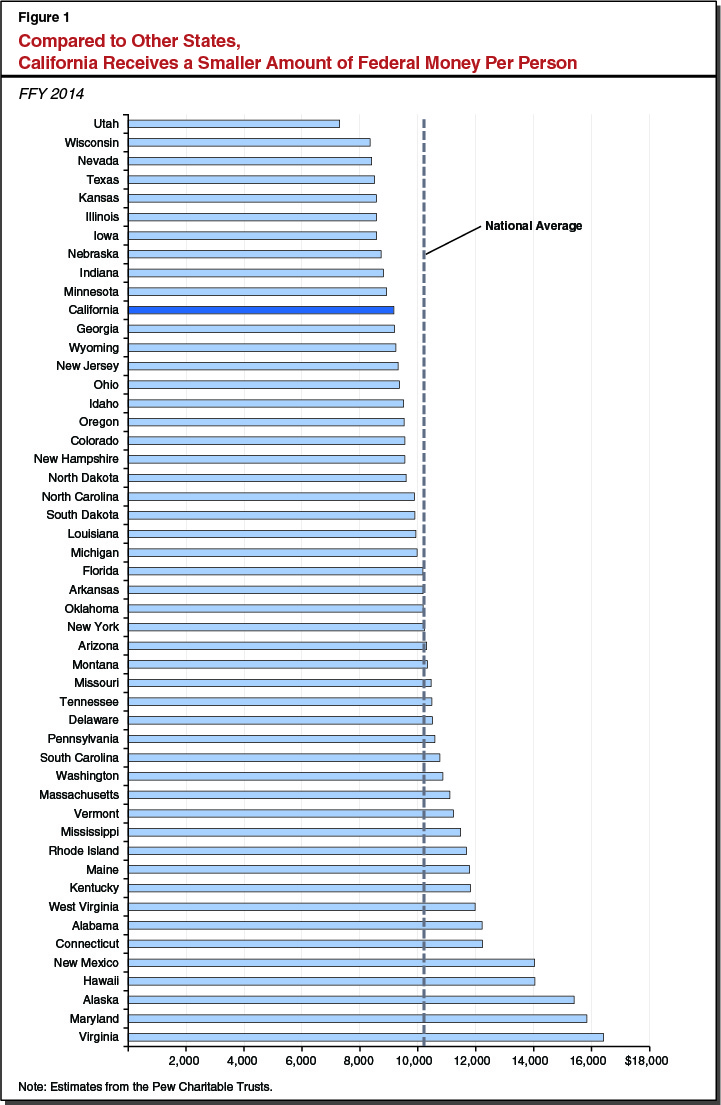
These collaborative frameworks ensure that the development and preservation of California’s tourism assets are approached holistically, leveraging federal expertise and resources alongside state initiatives. From supporting sustainable tourism practices to investing in research that informs conservation, federal engagement is an ongoing, dynamic force shaping the future of travel and leisure in the Golden State. The sum total of federal funding to California is immense and multifaceted, and a significant portion of it, through various channels, directly or indirectly fuels the engine of the state’s vibrant and diverse tourism industry.
LifeOutOfTheBox is a participant in the Amazon Services LLC Associates Program, an affiliate advertising program designed to provide a means for sites to earn advertising fees by advertising and linking to Amazon.com. Amazon, the Amazon logo, AmazonSupply, and the AmazonSupply logo are trademarks of Amazon.com, Inc. or its affiliates. As an Amazon Associate we earn affiliate commissions from qualifying purchases.