
The Entrepreneurial Dream in California’s Lifestyle Tapestry
California has long symbolized a unique blend of innovation, opportunity, and an unparalleled lifestyle. From the sun-drenched beaches of San Diego to the tech hubs of San Francisco and the creative energy of Los Angeles, the Golden State beckons individuals seeking to intertwine their personal passions with professional aspirations. For many, this means embarking on an entrepreneurial journey, launching a small business, or setting up a freelance enterprise that complements their desired way of life. Whether you’re a digital nomad drawn to its vibrant communities, a burgeoning startup founder, or simply seeking to turn a hobby into a thriving venture, establishing a legitimate business presence is a fundamental step.
Understanding the financial and administrative prerequisites for doing business in California is paramount to building a sustainable and rewarding lifestyle. Among the myriad considerations, the cost and process of obtaining a business license frequently emerge as a key concern for aspiring entrepreneurs. Unlike a single, statewide fee, the landscape of business licenses in California is layered and localized, reflecting the diverse regulatory environments of its numerous cities and counties. This guide delves into the nuances of these costs, helping you navigate the requirements for integrating your business into the vibrant California lifestyle.
Understanding the Layered Costs: State, County, and City
The question “How much for a business license in California?” isn’t straightforward because there isn’t one universal business license issued by the state that covers all operations. Instead, the process involves understanding regulatory requirements at different governmental levels.
State-Level Requirements: Beyond the “License” Itself
At the state level, California primarily focuses on business entity registration and specific industry licensing rather than a general business operating license. For instance, if you plan to operate as a Corporation, Limited Liability Company (LLC), Limited Partnership, or Limited Liability Partnership, you’ll need to register your entity with the California Secretary of State. This involves filing Articles of Incorporation or Organization, which typically incur a one-time filing fee, often around $70 to $100. This is not a “business license” in the operational sense, but a crucial step for establishing your legal entity.
Furthermore, certain professions and industries are regulated at the state level, requiring specific occupational licenses or permits from various state boards and agencies. Examples include contractors, real estate agents, cosmetologists, healthcare professionals, and anyone dealing with food service, alcohol, or cannabis. These state-issued professional licenses or permits come with their own application and renewal fees, which can range from dozens to several hundreds or even thousands of dollars annually, depending on the complexity and risk associated with the profession. For a lifestyle business, these industry-specific licenses are vital for compliance and maintaining professional credibility.
County-Level Business Permits and DBAs
While less common for a general business operating license, counties in California do play a role in certain business registrations. The most prominent is the Fictitious Business Name Statement (FBN), often referred to as a “Doing Business As” (DBA). If you operate a business under a name different from your legal personal name (for a sole proprietorship) or your registered corporate/LLC name, you’ll need to file an FBN with the county clerk where your principal place of business is located. The filing fee for an FBN is typically modest, ranging from $30 to $60, and it usually requires publication in a local newspaper. This ensures transparency for consumers and is an essential step for many small businesses.
Additionally, some counties might issue specific permits for certain activities or for businesses located in unincorporated areas (areas not within city limits). These are often related to health permits, environmental regulations, or land use, and their costs vary significantly.
City-Level Business Tax Certificates (Licenses): The Primary Cost
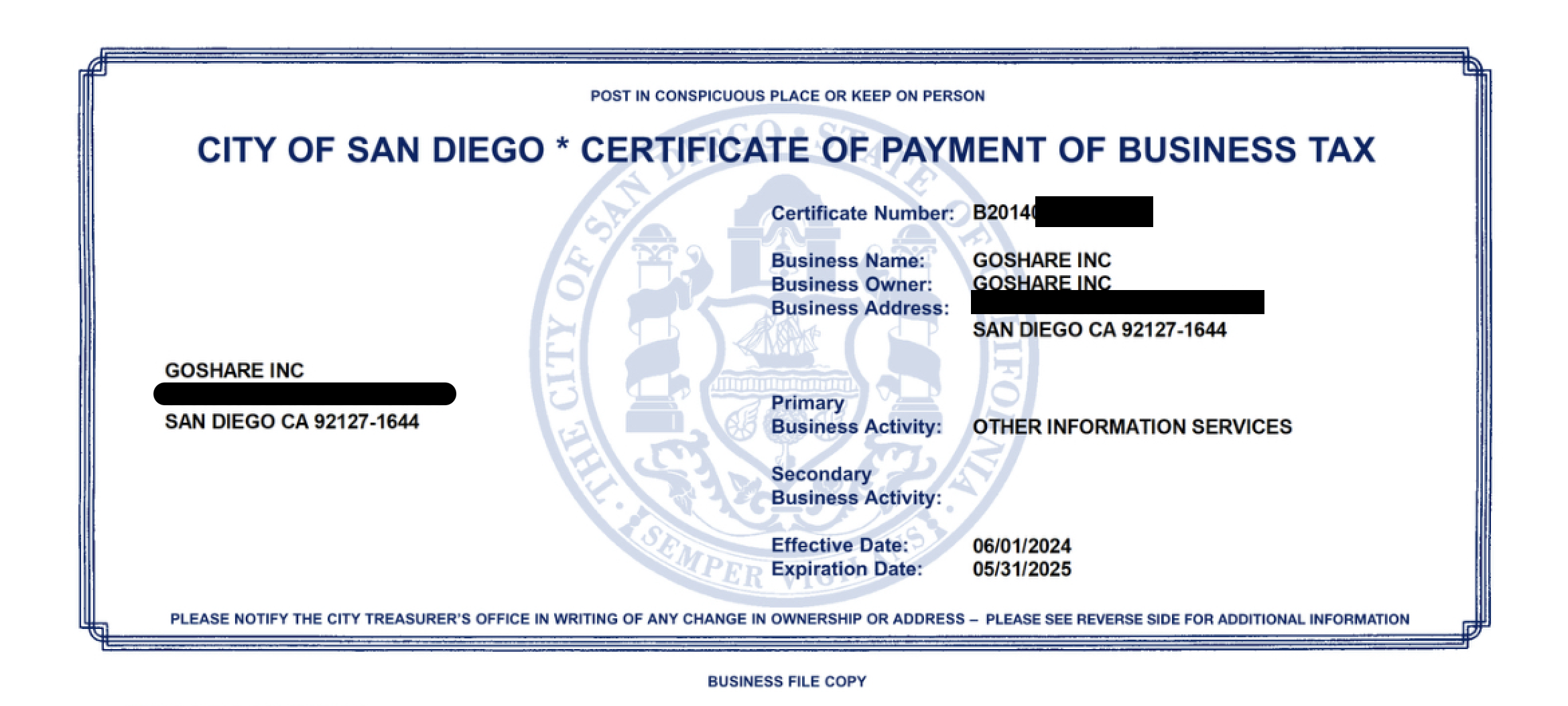
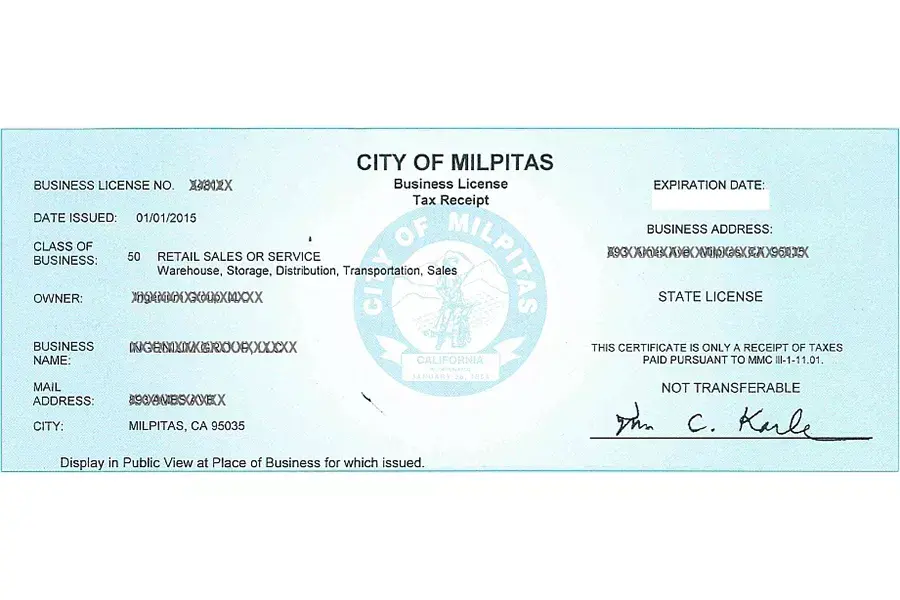
The most direct answer to “How much for a business license in California?” lies at the city level. Almost every city in California requires businesses operating within its jurisdiction to obtain a Business Tax Certificate, often commonly called a “business license.” This is primarily a revenue-generating mechanism for the city, funding local services and infrastructure. The costs for these city-specific licenses vary dramatically from one municipality to another, reflecting local economic conditions, budget priorities, and the perceived impact of different business types.
For instance, starting a business in Los Angeles, San Francisco, or San Diego typically entails different fee structures than in smaller cities like Fresno, Bakersfield, or Anaheim. Initial application fees might range from a nominal $25 to several hundred dollars. Renewal fees, usually on an annual basis, can be similarly varied. These fees are a direct line item in the budget of anyone seeking to weave their entrepreneurial dreams into the fabric of a specific California community.
What Influences the Price Tag of Your California Business License?
The cost of a city-level business license in California is not a one-size-fits-all figure. Several factors come into play, making it crucial for lifestyle entrepreneurs to research the specific requirements of their chosen locale.
Business Type and Industry
The nature of your business plays a significant role in determining license costs. Industries that are heavily regulated, pose greater public health or safety risks, or require specialized oversight often incur higher licensing fees. For example, a restaurant or food truck will likely face higher fees and additional permits (e.g., health permits) than an online consulting service or a freelance writer. Similarly, businesses involved in cannabis, adult entertainment, or certain financial services face more rigorous and expensive licensing requirements due to their specific regulatory frameworks.
Business Structure
While not always a direct factor for city business tax certificates, your business structure can influence other associated costs. For example, forming an LLC or Corporation at the state level carries initial filing fees and annual Franchise Tax Board fees ($800 minimum for many entities), which are separate from local business licenses but are part of the overall cost of doing business legitimately. A sole proprietorship, while simpler to establish, might still require an FBN filing and the city business license.

Revenue/Gross Receipts
Many California cities base their annual business license renewal fees on a sliding scale tied to the business’s gross receipts or revenue. This means that as your lifestyle business grows and becomes more successful, the annual fee you pay to the city may increase. Cities often have tiered systems, where businesses with higher reported gross receipts fall into higher fee brackets. This is a common method for cities to scale their revenue collection with the economic activity occurring within their limits. For example, a city might charge a base fee plus an additional amount per $1,000 of gross receipts exceeding a certain threshold. This structure incentivizes local economic growth while ensuring businesses contribute proportionately to the community’s upkeep.
Number of Employees
In some municipalities, the number of employees a business has can also influence the business license fee. Cities might impose a base fee and then an additional charge per employee. This approach reflects the idea that businesses with more employees contribute more to the local economy and potentially utilize more city services. This factor is particularly relevant for businesses planning to scale beyond a solo operation and integrate multiple individuals into their California lifestyle venture.
Location within California
Perhaps the most significant factor is the specific city where your business operates. The disparity in business license costs across California’s diverse cities is vast. Major metropolitan areas like San Francisco, Los Angeles, Oakland, Long Beach, and Sacramento often have higher fees compared to smaller towns or rural communities. This difference is typically a reflection of varying costs of living, property values, and the scope of public services offered by the city. Entrepreneurs carefully considering their location, perhaps as part of a broader lifestyle choice, should thoroughly research the business license costs of their chosen city before committing.
Navigating the Application Process for Your Lifestyle Business
While the costs vary, the general process for obtaining a city business license in California follows a similar pattern, requiring diligence and attention to detail.
Research Your Specific Location
The first and most critical step is to identify the precise city and county where your business will be physically located or primarily operate from. Then, visit that city’s official website, typically under the “Business” or “Finance” department, to find information on business tax certificates. Most cities provide online portals, application forms, and detailed instructions on their websites. This research will clarify the exact fees, required documentation, and any specific local ordinances you need to comply with.
Required Documentation
When applying for a business license, you’ll typically need to provide:
- Your business name and legal structure.
- Your Federal Employer Identification Number (EIN) if you have employees or are an LLC/Corporation (Sole proprietors can often use their Social Security Number).
- Owner(s) or principal(s) information.
- A clear description of your business activities.
- Your business address.
- Estimated or actual gross receipts (for calculating fees).
- Any state-issued professional licenses or permits, if applicable.
Online vs. In-Person Application
Most California cities have modernized their processes, allowing for online applications and payments, which streamlines the process for busy entrepreneurs. However, some still offer in-person application options, which can be beneficial for complex cases or for those who prefer direct assistance. Always verify the preferred method for your specific city.
Renewal Processes
It’s important to remember that business licenses are almost always issued for a specific period, typically one year, and require annual renewal. Cities will usually send renewal notices, but it remains the business owner’s responsibility to ensure timely renewal to avoid penalties. Renewal fees are also subject to the same factors as initial application fees, particularly changes in gross receipts. Building this annual administrative task into your lifestyle business routine is crucial for continuous compliance.
Special Considerations for Home-Based Businesses
For many lifestyle entrepreneurs, a home-based business is the ideal setup. If you plan to operate your business from your residence, be aware that many cities have specific zoning regulations and may require a “Home Occupation Permit” or similar designation in addition to the standard business license. These permits often come with their own set of rules regarding signage, customer visits, and employee presence to ensure neighborhood quality of life. Understanding these nuances is essential for seamlessly integrating your work into your home environment.
The Broader Financial Picture: Beyond Just the License Fee
While understanding the “How much for a business license in California?” question is a critical first step, it’s vital for lifestyle entrepreneurs to consider the broader financial ecosystem of doing business in the state. The business license fee is just one component of the overall investment in a compliant and thriving enterprise.
Beyond the initial and recurring business license fees, you might encounter:
- Other Permits and Certifications: Depending on your industry, you might need federal, state, or county permits for specific operations (e.g., environmental permits, fire permits).
- Franchise Tax Board Fees: California imposes an annual minimum franchise tax ($800 as of recent years) on most LLCs and corporations, regardless of income. This is a significant fixed cost that must be factored into your financial planning.
- Sales Tax Permits: If your business sells tangible personal property, you’ll need to register for a Seller’s Permit with the California Department of Tax and Fee Administration (CDTFA) to collect and remit sales tax. This is typically free to obtain but comes with compliance responsibilities.
- Professional Licenses: As mentioned, if your profession requires it, maintaining state-level professional licenses will incur ongoing fees and continuing education requirements.
- Business Insurance: Protecting your lifestyle business with liability, property, or professional indemnity insurance is a wise investment, and these premiums are an ongoing expense.
- Accountant and Legal Fees: Engaging professionals for initial setup, tax planning, and ongoing compliance can be an invaluable investment, especially given California’s complex regulatory environment. These services, while not a license fee, are integral to legitimate operation.
- Overall Cost of Living and Doing Business: California is known for its higher cost of living. While not a direct license cost, this indirectly impacts the profitability and sustainability of a lifestyle business, necessitating careful financial planning.
In conclusion, the cost of a business license in California is a multifaceted question with answers varying greatly by location and business type. For the lifestyle entrepreneur, it represents a tangible investment in the legitimacy and long-term viability of their California venture. By diligently researching the specific requirements of their chosen city and understanding the broader financial landscape, individuals can confidently navigate the administrative hurdles, enabling them to focus on what truly matters: building a business that enhances and supports their desired California lifestyle.
LifeOutOfTheBox is a participant in the Amazon Services LLC Associates Program, an affiliate advertising program designed to provide a means for sites to earn advertising fees by advertising and linking to Amazon.com. Amazon, the Amazon logo, AmazonSupply, and the AmazonSupply logo are trademarks of Amazon.com, Inc. or its affiliates. As an Amazon Associate we earn affiliate commissions from qualifying purchases.